
Is your dog showing signs of aggression that worry you? You’re not alone, and there’s a simple, effective way to help calm your furry friend—using toys.
Yes, the right toys can do more than just entertain; they can redirect your dog’s energy, reduce stress, and build positive habits. Imagine turning those tense moments into playful, happy ones with tools you already have at home. Keep reading, and you’ll discover practical steps to stop dog aggression with toys, making your bond stronger and your home peaceful.
Credit: theonlinedogtrainer.com
Causes Of Dog Aggression
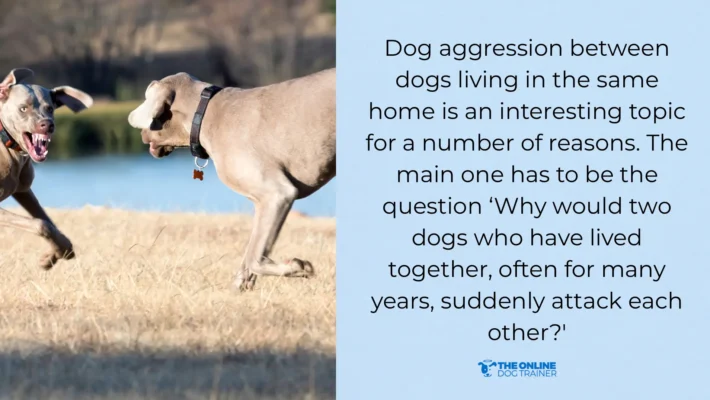
Dog aggression often stems from fear, frustration, or lack of socialization. Using toys can redirect their energy and reduce aggressive behaviors effectively. Engaging dogs with toys helps them feel calm and less likely to act out aggressively.
Dog aggression can stem from various causes. Understanding these causes is crucial. It helps address behavioral issues effectively. Knowing what triggers aggression can guide you in using toys as a solution. Let’s explore some common causes of dog aggression.Genetics And Breed Tendencies
Some dogs have aggression in their genes. Certain breeds are more prone. It’s not their fault. It’s just their nature. Breeds like Rottweilers and Dobermans may show more aggression. Knowing your dog’s breed tendencies helps in managing behavior.Fear And Anxiety Triggers
Fear can make dogs aggressive. Loud noises can scare them. New environments might cause anxiety. Anxious dogs may react aggressively. Identifying these triggers is important. You can then use toys to comfort them. Toys can distract them from fear.Resource Guarding Behavior
Dogs may guard resources like food or toys. This is called resource guarding. They might growl or snap when someone approaches. It’s a way of protecting what they value. Understanding this behavior helps in training them. Use toys to teach them sharing is safe.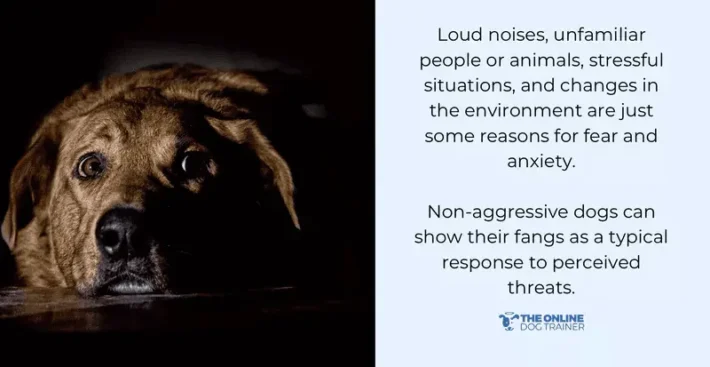
Credit: theonlinedogtrainer.com
Role Of Toys In Behavior Modification
Toys play a key role in changing aggressive dog behavior. They help shift focus from negative actions to positive activities. Using the right toys can calm your dog and teach better habits. Toys also offer ways to keep your dog busy and mentally active. This helps reduce frustration and aggression over time.
Redirecting Aggressive Energy
Aggressive energy needs a safe outlet. Toys give dogs something to bite, chew, or chase. This helps lower tension and stops aggressive acts. Durable chew toys or tug ropes work well. They keep your dog’s mouth busy and mind off bad behaviors. Redirecting energy this way prevents damage and keeps dogs calm.
Building Positive Associations
Toys can create good feelings during training. Using toys as rewards helps dogs link play with calmness. This encourages gentle behavior instead of aggression. Offer toys after your dog listens or stays calm. Over time, your dog will prefer calmness to aggression. Positive play builds trust and better habits.
Encouraging Mental Stimulation
Mental challenges lower boredom, a common cause of aggression. Puzzle toys and treat dispensers make dogs think. This keeps their brain busy and reduces stress. A tired mind is less likely to act out. Use toys that challenge your dog’s problem-solving skills. Mental play strengthens focus and promotes peace.
Choosing The Right Toys
Choosing the right toys plays a crucial role in managing your dog’s aggression. The right toy can redirect aggressive energy into positive play, helping your dog stay calm and engaged. But not all toys work the same for every dog or every type of aggression.
Durability And Safety
Durability is key when selecting toys for an aggressive dog. Toys that break easily can become choking hazards or cause injury. Look for tough materials like rubber or reinforced nylon that can withstand strong bites.
Safety should never be compromised. Avoid toys with small parts that can be swallowed or sharp edges that can hurt your dog’s mouth. Have you checked your dog’s current toys for wear and tear recently?
Interactive Vs. Chew Toys
Interactive toys, such as puzzle feeders or tug ropes, challenge your dog mentally and physically. These toys can distract your dog from aggressive impulses by engaging their brain and encouraging positive interaction with you.
Chew toys, on the other hand, satisfy your dog’s natural urge to bite and chew. They offer a safe outlet for aggression, reducing stress and calming your dog. Try mixing both types to see which keeps your dog calmer and more focused.
Toys For Different Aggression Types
Not all aggression is the same, so toys need to match the cause. For resource guarding, use toys that your dog can associate with positive experiences, like soft plush toys during calm times.
For territorial aggression, interactive toys that involve you can help your dog shift focus from guarding to playing. If your dog shows fear-based aggression, gentle chew toys can offer comfort and reduce anxiety.
Which type of aggression does your dog show most? Choosing toys that fit your dog’s unique needs can make a real difference in managing behavior effectively.
Techniques To Use Toys Effectively
Using toys to manage dog aggression is more than just handing over a chew or a ball. It’s about engaging your dog in a way that redirects their energy and focus. Understanding how to use toys effectively can change aggressive reactions into positive interactions, making your training sessions both fun and productive.
Play-based Training Methods
Turn toy time into training time by using play as a way to teach your dog new behaviors. Use toys to encourage your dog to follow commands like “sit,” “stay,” or “leave it.” This keeps their mind busy and helps them associate good behavior with fun activities.
For example, toss a ball only after your dog calms down or obeys a command. This links calmness to rewards. Have you noticed how dogs often listen better when they expect a game at the end?
Rewarding Calm Behavior
Toys can be great tools to reward your dog when they stay calm around triggers. Instead of waiting for aggressive behavior to escalate, give a favorite toy the moment your dog shows calmness. This reinforces that being calm brings good things.
You might give your dog a chew toy or a tug rope to hold when visitors come over, helping them stay focused on something positive. Think about how you feel when offered a distraction during a stressful moment—your dog feels the same.
Gradual Exposure To Triggers
Use toys to gently expose your dog to things that usually make them aggressive. Start by introducing a trigger at a distance while your dog plays with a toy. This keeps their attention away from the trigger and helps them build tolerance over time.
- Begin with low-intensity triggers like a quiet dog or a calm person.
- Reward your dog with the toy when they remain relaxed.
- Slowly decrease the distance as your dog’s comfort grows.
Have you tried this approach? It’s surprising how a simple toy can shift your dog’s focus and lower their stress levels in tough situations.
Incorporating Toys Into Daily Routine
Toys can be a powerful tool to change your dog’s behavior, especially when aggression is a concern. Adding toys to your daily routine helps redirect your dog’s energy and focus. It also builds positive habits and strengthens your bond.
Consistency is key. Using toys regularly makes them more effective in calming aggressive tendencies and encouraging good behavior. How often do you currently engage your dog with toys? You might be surprised at how small changes can make a big difference.
Scheduled Play Sessions
Set specific times each day to play with your dog using toys. This predictability helps your dog understand when to expect fun and relaxation. Short sessions, around 10-15 minutes, work better than long, sporadic playtimes.
Try using tug toys or fetch during these sessions to channel your dog’s energy positively. You’ll notice your dog starts looking forward to these moments, reducing tension and aggressive outbursts.
Using Toys For Socialization
Toys can ease interactions with other dogs and people. Bring a favorite toy when meeting new dogs to keep your dog focused and less reactive. Sharing or trading toys during play also encourages gentle behavior.
Introduce toys during training or group walks to create positive associations. Have you tried using toys to calm your dog around strangers? It can shift their attention and reduce stress dramatically.
Monitoring Progress And Adjusting
Keep track of how your dog responds to toy play over days and weeks. Notice if aggressive incidents decrease or if your dog shows more relaxed behavior during play. Adjust the type of toys or playtime duration based on these observations.
If a toy seems to provoke excitement rather than calmness, switch to a different one. Your dog’s preferences may change, so staying flexible is important. Are you ready to observe and tweak your approach to find what truly works for your dog?

Credit: www.dwdogtraining.com
When To Seek Professional Help
Knowing when to seek professional help is crucial in stopping dog aggression with toys. Toys can reduce mild aggression, but some cases need expert care. Recognizing the signs early helps keep everyone safe.
Recognizing Severe Aggression
Severe aggression shows in biting, lunging, or constant growling. If your dog hurts people or pets, it is serious. Sudden, intense anger or fear also signals trouble. These behaviors need immediate attention beyond toys alone.
Combining Toys With Training Programs
Toys work best with structured training programs. Professionals teach your dog how to behave properly. Training helps your dog associate toys with calm and control. This combined approach improves results and reduces aggression faster.
Working With Behaviorists And Trainers
Behaviorists and trainers understand dog aggression deeply. They create plans tailored to your dog’s needs. These experts use safe techniques to change aggressive habits. Working with them increases your dog’s chances of improvement.
Frequently Asked Questions
How Can Toys Reduce Dog Aggression Effectively?
Toys redirect a dog’s energy and focus away from aggressive triggers. They promote positive behavior and mental stimulation. Consistent play with toys helps lower stress and frustration. This reduces aggressive reactions over time, making toys an effective tool to manage aggression.
What Types Of Toys Help Stop Dog Aggression?
Interactive toys, chew toys, and puzzle toys work best to reduce aggression. They keep dogs mentally engaged and physically active. Durable toys that satisfy chewing instincts can prevent destructive behavior. Choosing the right toy depends on the dog’s size and play style.
How Often Should I Use Toys To Manage Aggression?
Use toys daily during play sessions to manage aggression. Regular, short playtimes help release built-up energy and tension. Consistency is key for behavior improvement. Integrating toys into training and bonding time strengthens positive associations and reduces aggression.
Can Toys Replace Professional Aggression Training?
Toys help but should not replace professional training for serious aggression. Trainers provide tailored behavior modification plans and safety strategies. Toys are a supportive tool alongside professional guidance. Combining both approaches yields the best results for aggressive dogs.
Conclusion
Toys can help reduce dog aggression effectively. They keep dogs busy and calm. Using toys during training builds positive habits. Choose safe and durable toys for best results. Consistency and patience are key to success. Watch your dog’s behavior closely every day.
Small steps lead to big improvements over time. Helping your dog feel happy and relaxed matters most. Playtime becomes a chance to teach good manners. With time, toys can change how your dog acts.

Emily Barker is the founder of ChillDogLife.com, a space dedicated to helping pup parents discover the best dog products, lifestyle tips, and cozy ideas for happier homes.
A lifelong dog lover, Emily combines her passion for pets with a knack for research to share trusted recommendations on everything from toys and furniture to health and everyday care.
Her goal is simple: to make life easier, stylish, and more joyful for dogs and the people who love them.




