
If your dog howls nonstop in their crate, you know how frustrating and exhausting it can be—for both of you. You want your furry friend to feel safe and calm, but the constant noise makes it hard to relax or focus.
What if you could change this? What if your dog could enjoy their crate as a cozy, quiet space? You’ll discover simple, effective steps to stop your dog from howling in their crate. By understanding why they howl and using easy techniques, you’ll create a peaceful routine that benefits both of you.
Keep reading—your dog’s comfort and your peace of mind are closer than you think.
Reasons Dogs Howl In Crates
Dogs often howl in crates due to loneliness, fear, or boredom. Comfort and regular breaks help reduce this behavior effectively. Creating a positive crate experience eases their anxiety and stops howling.
Understanding why dogs howl in crates can help address the issue effectively. Dogs may express distress, loneliness, or discomfort through howling. Recognizing the underlying reasons can lead to better solutions and a happier pet.Separation Anxiety
Many dogs experience separation anxiety when left alone in a crate. They might feel abandoned and express their fear through howling. This behavior is common in dogs who are highly attached to their owners.Boredom And Loneliness
A dog left in a crate for extended periods might feel bored. Loneliness can also trigger howling as they seek companionship. Providing mental stimulation can alleviate this behavior.Discomfort Or Fear
A crate should be a safe and comfortable space. If it is too small or uncomfortable, a dog might howl. Fear of being confined or past negative experiences can also lead to howling.Attention-seeking Behavior
Some dogs howl to gain their owner’s attention. They learn that howling results in interaction, even if it’s just a reprimand. Consistently ignoring this behavior can teach them that howling is ineffective.
Credit: www.dogsavvylosangeles.com
Preparing The Crate Environment
Creating a calm and inviting crate space helps reduce your dog’s howling. A well-prepared crate makes your pet feel safe and cozy. This lowers stress and encourages quiet behavior. Focus on the crate itself, bedding, toys, and where you place it. Each detail shapes your dog’s comfort and trust in the crate.
Choosing The Right Crate
Pick a crate that fits your dog’s size comfortably. Your dog should stand, turn, and lie down easily. Avoid crates that are too large or too small. A snug space feels more secure and less scary. Choose a sturdy crate with good ventilation. Metal or plastic crates both work well, depending on your dog’s needs.
Comfortable Bedding And Toys
Soft bedding cushions your dog and adds warmth. Use washable blankets or pet beds made for crates. Place a favorite chew toy or stuffed animal inside. Toys distract and comfort your dog during alone time. Avoid noisy or easily destroyed toys to prevent stress or mess.
Location And Lighting
Put the crate in a quiet spot with low foot traffic. Your dog will feel less anxious in a calm area. Avoid bright lights or direct sunlight on the crate. Dim lighting or natural light helps create a restful space. Keep the crate close enough to hear your dog but not too close to cause disturbances.
Training Steps To Reduce Howling
Training your dog to stop howling in the crate takes patience and consistency. The goal is to make the crate a safe and comfortable place. The dog should feel calm and relaxed inside. Follow these steps to reduce howling and build trust.
Gradual Crate Introduction
Start by placing the crate in a familiar room. Leave the door open so your dog can explore. Put soft bedding and favorite toys inside. Let your dog enter and exit freely. Slowly increase the time spent inside with the door closed. Watch for signs of stress and comfort.
Positive Reinforcement
Reward your dog with treats and praise for calm behavior in the crate. Use a happy tone to encourage your dog. Give treats only when your dog is quiet. This helps your dog link the crate with good things. Avoid giving attention when your dog howls or whines.
Short Crate Sessions
Keep crate time brief at first. Start with a few minutes, then slowly extend the duration. Let your dog out before they get upset. This prevents negative feelings about the crate. Gradual sessions help your dog adjust without stress.
Ignoring Howling
Do not respond to your dog’s howling or whining. Attention can reinforce this behavior. Stay calm and quiet. Wait until your dog stops howling before opening the crate. This teaches your dog that silence gets attention, not noise.

Credit: www.dogsavvylosangeles.com
Calm Techniques To Soothe Your Dog
Calming your dog in the crate helps reduce howling and stress. Using gentle and soothing techniques can make the crate a safe space. These calm methods help your dog feel relaxed and comfortable. Try different approaches to find what works best for your dog.
Using Calming Music
Soft music can calm your dog’s nerves and lower anxiety. Choose gentle tunes with slow rhythms and low volume. Classical music or specially made pet playlists work well. Play music during crate time to create a peaceful environment. This helps your dog stay quiet and relaxed.
Aromatherapy And Pheromone Sprays
Aromatherapy uses scents to calm your dog’s mind and body. Lavender and chamomile are safe, soothing choices. Pheromone sprays mimic natural calming signals dogs release. Spray the crate lightly to create a comforting space. These scents help reduce howling and stress in the crate.
Gentle Massage And Touch
Slow, gentle petting can ease your dog’s tension. Focus on areas like the neck, shoulders, and back. Use soft strokes and a calm voice. This physical contact reassures your dog and builds trust. Massage helps your dog feel safe and less likely to howl.
Providing Chew Toys
Chew toys keep your dog busy and distracted from howling. Choose safe, durable toys that your dog enjoys. Chewing reduces stress and releases energy quietly. Rotate toys to keep your dog interested. A crate with fun toys feels less lonely and scary.
Routine And Exercise Adjustments
Adjusting your dog’s routine and exercise can make a big difference in reducing howling during crate time. Dogs often howl out of boredom, anxiety, or excess energy. By managing their daily activities and creating a predictable schedule, you help your dog feel more relaxed and comfortable when they are in the crate.
Regular Exercise Before Crate Time
Giving your dog enough physical activity before crate time helps burn off energy that might otherwise turn into restless howling. A brisk walk, a game of fetch, or some running in the yard can tire your dog out in a positive way.
Try to schedule exercise sessions close to crate time so your dog feels ready to rest. Have you noticed how your dog settles down more easily after a good run? That’s the kind of calm you want before crating.
Consistent Feeding And Crating Schedule
Dogs thrive on routine. Feeding your dog and putting them in the crate at the same times every day creates predictability, reducing anxiety and confusion.
Consistency signals to your dog what to expect, making crate time less stressful and less likely to trigger howling. Setting alarms or reminders on your phone can help you stick to this schedule, especially in busy households.
Mental Stimulation Activities
Physical exercise isn’t the only thing your dog needs. Mental challenges can tire them out just as much and keep their mind from wandering into anxious howling.
- Try puzzle toys that hide treats inside.
- Practice short training sessions before crate time.
- Rotate toys to keep them interesting and new.
Have you noticed your dog gets calmer after solving a puzzle toy? Adding these mental tasks helps create a more balanced and content pup who sees the crate as a safe space—not a punishment.
When To Seek Professional Help
Knowing when to seek professional help can make a huge difference in stopping your dog from howling in the crate. Sometimes, despite your best efforts, the problem might be deeper than simple restlessness or boredom. Understanding the signs and reaching out to experts at the right time can save both you and your dog from ongoing frustration.
Recognizing Persistent Anxiety
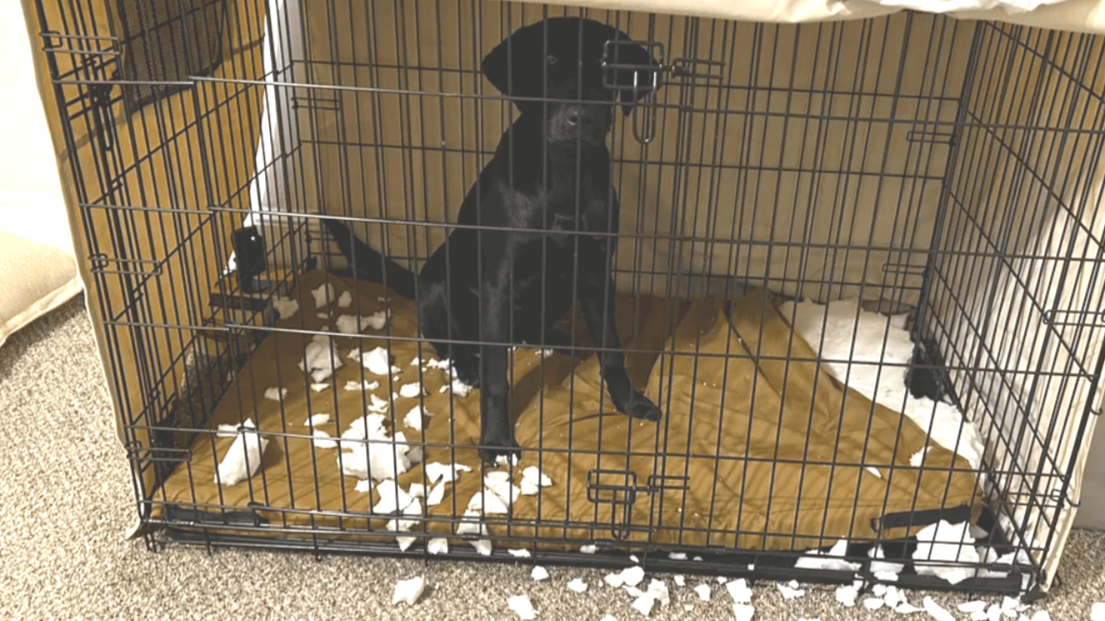
If your dog’s howling continues for long periods or gets worse over time, it could be a sign of persistent anxiety. Does your dog seem panicked, pacing, or showing destructive behavior when crated? These are clear signals that the issue might be beyond normal adjustment.
Ask yourself if your dog is calm during other parts of the day but becomes distressed only in the crate. Persistent anxiety often needs more than just basic training—it requires targeted strategies to help your dog feel safe and secure.
Consulting A Veterinarian
Have you noticed any physical symptoms alongside the howling, such as excessive drooling, shaking, or loss of appetite? A visit to the veterinarian can rule out health problems that might be causing discomfort or pain in the crate.
Sometimes, underlying medical issues like ear infections or joint pain trigger anxiety and vocalization. Your vet can also discuss options like calming supplements or medications if needed to support your dog’s emotional well-being.
Working With A Dog Trainer
If anxiety isn’t linked to health, a professional dog trainer can offer specialized crate training techniques tailored to your dog’s needs. Trainers use positive reinforcement and gradual desensitization to reduce fear and build comfort.
Look for trainers experienced in behavior modification rather than just obedience. Have you considered how personalized guidance and consistent support could transform your dog’s crate experience?
Credit: www.dogsavvylosangeles.com
Frequently Asked Questions
How Can I Stop My Dog From Howling In The Crate?
To stop crate howling, ensure the crate is comfortable and secure. Use positive reinforcement and gradually increase crate time. Avoid giving attention during howling to prevent reinforcement. Provide toys and exercise before crating to reduce anxiety and boredom.
Why Does My Dog Howl Only In The Crate?
Dogs often howl in crates due to separation anxiety, boredom, or discomfort. The crate may feel isolating, causing stress. Address this by making the crate cozy, offering toys, and slowly acclimating your dog to the crate environment.
How Long Should A Dog Stay In The Crate?
Dogs should stay in crates for short periods, typically no more than 2-4 hours for adults. Puppies need even shorter times. Long durations can cause stress and increase howling. Frequent breaks and exercise help maintain comfort and reduce anxiety.
What Toys Help Reduce Crate Howling?
Interactive toys like puzzle feeders, chew toys, and stuffed Kongs keep dogs engaged. These toys distract from loneliness and reduce anxiety-induced howling. Rotate toys regularly to maintain your dog’s interest and prevent boredom in the crate.
Conclusion
Stopping your dog from howling in the crate takes time and patience. Consistent training helps your dog feel safe and calm. Give your dog breaks and comfort inside the crate. Reward quiet behavior to encourage good habits. Avoid yelling or punishment, as this can scare your dog.
Small steps each day lead to big progress. Your dog will learn to enjoy the crate as a cozy space. Trust the process and stay kind. Quiet nights will come with care and patience.

Emily Barker is the founder of ChillDogLife.com, a space dedicated to helping pup parents discover the best dog products, lifestyle tips, and cozy ideas for happier homes.
A lifelong dog lover, Emily combines her passion for pets with a knack for research to share trusted recommendations on everything from toys and furniture to health and everyday care.
Her goal is simple: to make life easier, stylish, and more joyful for dogs and the people who love them.




