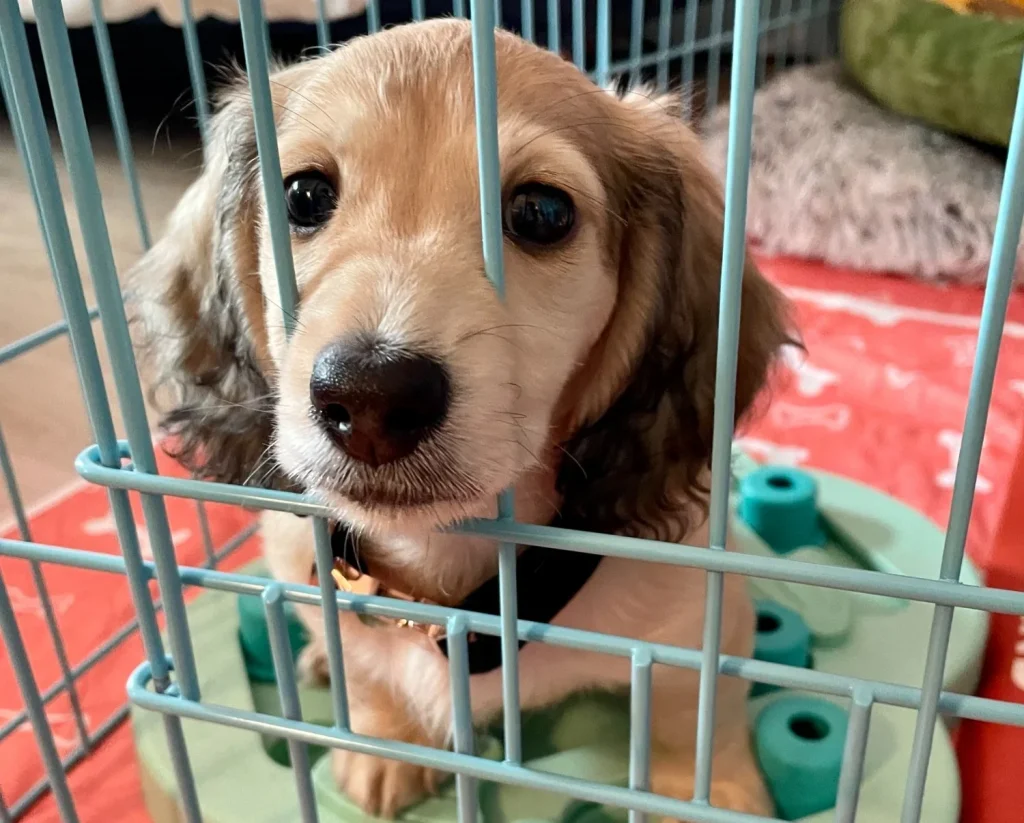
If your dog howls every time you put them in their crate, you know how stressful it can be—for both of you. That constant noise isn’t just annoying; it’s a sign your dog might be feeling scared, lonely, or uncomfortable.
You want to help your furry friend feel safe and calm, but you also need some peace and quiet. Luckily, there are simple steps you can take to stop your dog from howling in their crate. Keep reading, and you’ll discover practical tips that work, so your dog feels happy and you get the calm you deserve.
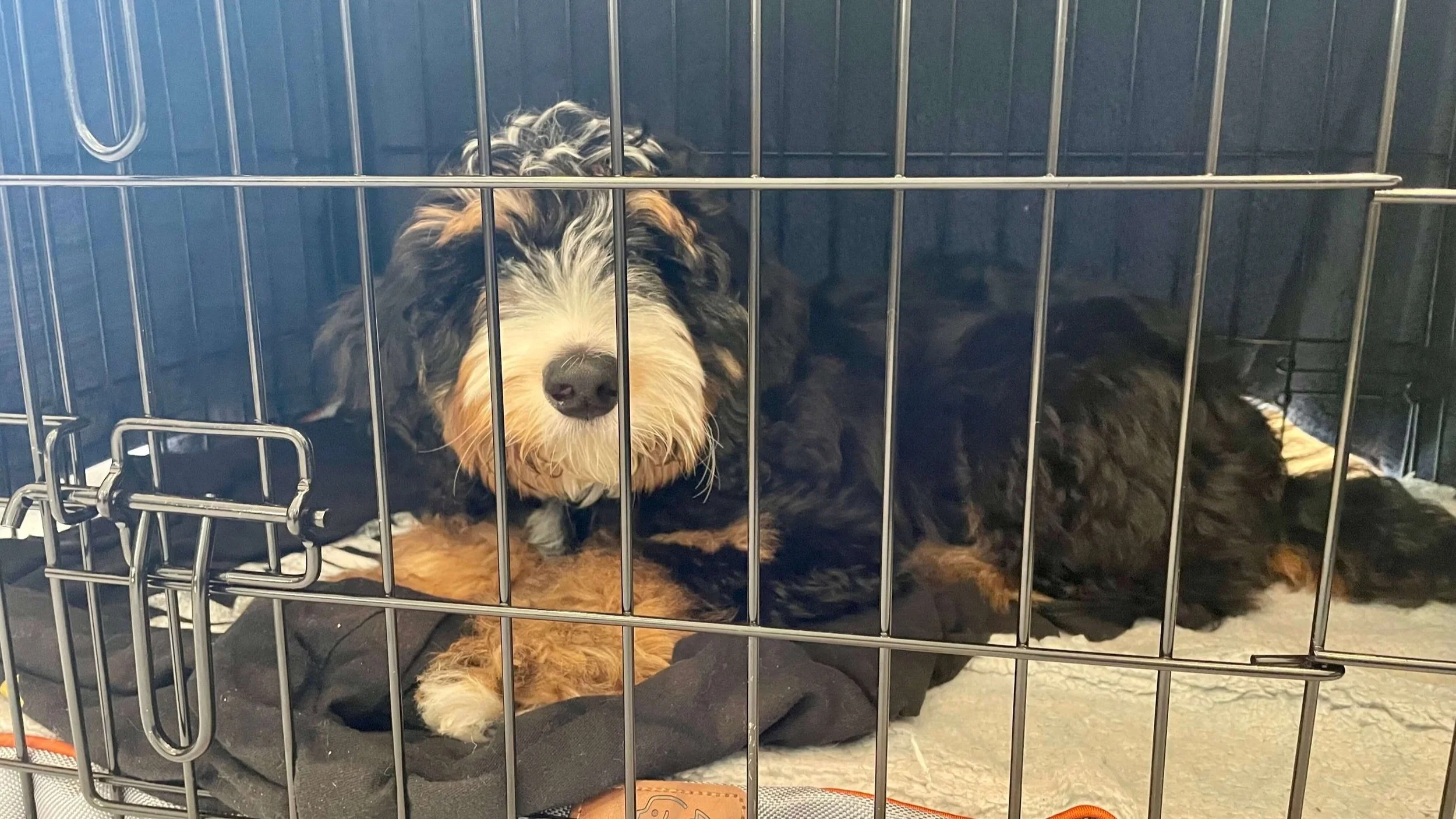
Credit: www.dogsavvylosangeles.com
Reasons Dogs Howl In Crates
Understanding why your dog howls in their crate is the first step toward helping them feel calm and secure. Dogs use howling as a way to communicate discomfort or needs. Identifying the reasons behind this behavior lets you address the root cause instead of just the symptom.
Separation Anxiety
Many dogs howl in their crates because they feel anxious when left alone. This anxiety can be intense, especially if your dog is used to constant companionship. You might notice pacing, barking, or even attempts to escape the crate alongside the howling.
Have you ever wondered if your dog sees the crate as a place of isolation rather than safety? Reducing separation anxiety often means making your dog associate the crate with positive experiences and gradual time alone.
Boredom And Loneliness
Sometimes dogs howl simply because they are bored or lonely. Crates limit their space and activity, which can be frustrating for active dogs. Without enough mental or physical stimulation during the day, your dog might vocalize their need for engagement.
Think about your dog’s daily routine—are they getting enough exercise and playtime before crating? Adding puzzle toys or safe chew items to the crate can make a big difference in easing their boredom.
Discomfort And Fear
Your dog may howl if the crate feels uncomfortable or scary. This could be due to the size of the crate, unfamiliar smells, or loud noises nearby. Even a crate placed in a cold or drafty spot can cause distress.
Ask yourself if your dog’s crate is truly a cozy den or more like a stressful trap. Adjusting the environment, such as adding soft bedding and placing the crate in a quiet corner, can help your dog feel more at ease.
Preparing The Crate Environment
Creating a peaceful crate environment helps stop your dog from howling. A well-prepared space provides comfort and security. Here’s how to set up the ideal crate environment for your furry friend.
Choosing The Right Crate Size
Ensure the crate is the right size for your dog. Your dog should stand and turn around comfortably. If the crate is too large, your dog may feel insecure. A snug fit offers safety and reduces anxiety.
Adding Comfort And Familiar Items
Place a soft bed or blanket inside the crate. Familiar smells can soothe your dog. Include a favorite toy or item your dog loves. These comforts make the crate feel like a safe haven.
Creating A Calm Atmosphere
Position the crate in a quiet area away from noise. Cover the crate with a light cloth to reduce distractions. Soft music or white noise can help calm your dog. A peaceful atmosphere reduces stress and howling.
Training Techniques To Reduce Howling
Training your dog to stop howling in the crate takes patience and clear techniques. The key is to help your dog feel safe and comfortable while teaching them that quiet behavior gets rewarded. Let’s look at some practical ways to reduce howling through training.
Gradual Crate Introduction
Start by letting your dog explore the crate at their own pace. Leave the door open and place treats or toys inside to make it inviting.
Don’t close the door right away. Instead, spend short sessions with your dog inside the crate, gradually increasing the time they stay there.
This slow approach helps your dog associate the crate with positive experiences, reducing anxiety that often causes howling.
Positive Reinforcement
Reward your dog whenever they stay calm and quiet in the crate. Use treats, praise, or a favorite toy as a reward.
Timing is crucial—give the reward immediately when your dog stops howling or remains silent for a few moments.
This teaches your dog that being quiet brings good things, making them more likely to repeat the behavior.
Ignoring Attention-seeking Howls
It’s tempting to comfort your dog when they howl, but responding can reinforce the behavior.
Try to ignore the howling completely, avoiding eye contact, speaking, or going to your dog until they stop.
Once your dog is quiet, reward them or give attention. This shows that silence is the way to get your focus.
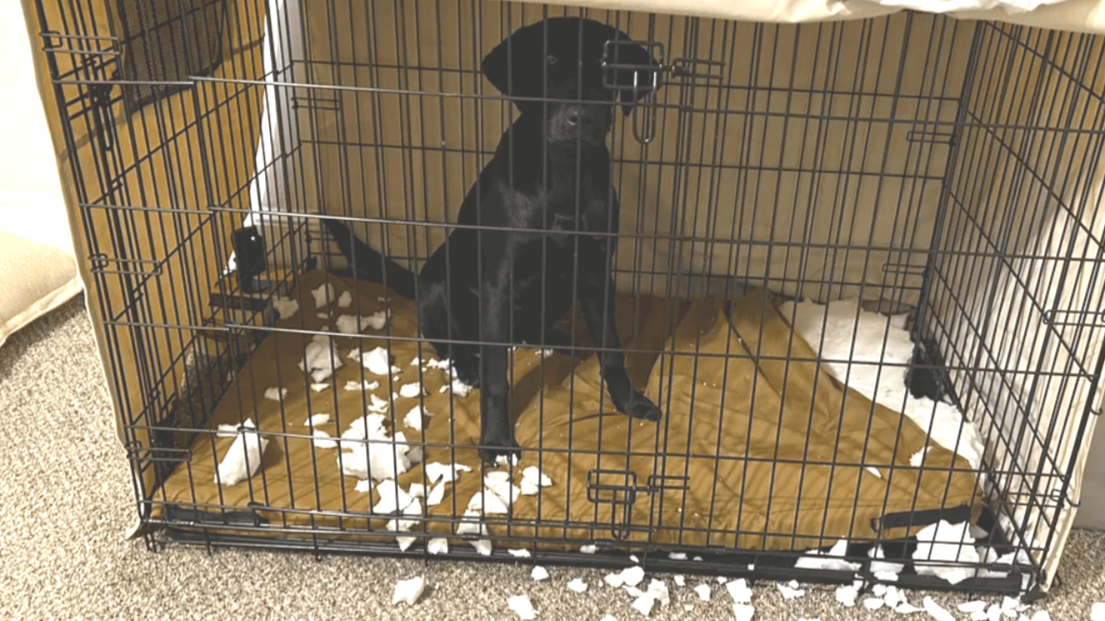
Credit: www.dogsavvylosangeles.com
Exercise And Mental Stimulation
Exercise and mental stimulation play a key role in reducing crate howling. Dogs with excess energy often express it by barking or howling. Providing enough physical and mental activities helps your dog feel calm and relaxed inside the crate. This section explains how daily exercise and interactive toys can help.
Daily Physical Activity
Regular walks and playtime tire your dog out. Tired dogs are less likely to howl in the crate. Aim for at least 30 minutes of exercise every day. Activities like running, fetch, or swimming work well. Adjust exercise length based on your dog’s age and breed. Physical activity helps lower anxiety and restlessness.
Interactive Toys And Puzzles
Keeping your dog’s mind busy reduces boredom and howling. Interactive toys and puzzles challenge your dog to think. These toys often involve treats or problem-solving tasks. Examples include treat-dispensing balls and puzzle feeders. Rotate toys frequently to maintain interest. Mental stimulation promotes calmness and crate comfort.
Managing Anxiety And Stress
Managing anxiety and stress is key to stopping your dog from howling in the crate. Dogs often howl because they feel scared or uneasy when left alone. Reducing their anxiety helps create a calm, safe environment. This lowers the chance of howling and other stress behaviors.
Simple changes can make a big difference. Helping your dog relax and feel secure leads to quieter crate time. Here are some ways to manage your dog's anxiety and stress effectively.
Calming Aids And Supplements
Calming aids can soothe your dog during crate time. These include:
- Thundershirts that apply gentle pressure to calm nerves
- Natural supplements like chamomile or valerian root
- Adaptil diffusers that release comforting pheromones
Always check with your vet before starting supplements. Using calming aids helps lower stress and reduce howling.
Consistent Routine And Schedule
A steady daily routine gives your dog a sense of security. Predictable feeding, play, and rest times help dogs feel safe. Try to:
- Put your dog in the crate at the same times each day
- Keep crate sessions short at first, then slowly increase
- Offer a favorite toy or treat in the crate
Routine builds trust and lowers anxiety. Your dog learns that crate time is normal and not scary.
When To Seek Professional Help
Sometimes, a dog keeps howling in the crate despite all efforts. This can be stressful for both the pet and the owner. Knowing when to ask for professional help is important. Experts can offer guidance to solve the issue safely and effectively.
Recognizing Persistent Problems
Some signs show that professional help is needed. The dog howls for hours every day. Training or comfort attempts do not reduce the noise. The dog shows signs of anxiety or fear around the crate. Howling leads to damage or harm to the dog. Owners feel overwhelmed and unsure how to continue. These are clear signals that a specialist should be contacted.
Finding A Qualified Trainer Or Behaviorist
A good trainer or behaviorist understands dog behavior well. They use positive methods to help the dog feel safe. Look for someone with certified training and experience. Ask about their approach to crate training and anxiety. Check reviews or get recommendations from veterinarians. A professional will create a plan tailored to the dog’s needs. They guide owners step-by-step to reduce howling and stress.

Credit: www.dogsavvylosangeles.com
Frequently Asked Questions
Why Does My Dog Howl In The Crate?
Dogs howl in crates due to anxiety, boredom, or loneliness. They may feel isolated or stressed when confined. Understanding the cause helps address the behavior effectively.
How Can I Reduce My Dog’s Crate Anxiety?
Create positive associations with the crate using treats and toys. Gradually increase crate time and maintain a calm environment. Consistent training reduces anxiety and howling.
What Are Effective Distractions For Crate Howling?
Provide chew toys, puzzle feeders, or safe bones in the crate. These keep your dog occupied and reduce boredom-driven howling.
Should I Ignore My Dog’s Crate Howling?
Ignoring howling is important to avoid reinforcing the behavior. Respond only when your dog is quiet. This teaches them that silence gets attention.
Conclusion
Stopping your dog from howling in the crate takes patience and care. Give your dog comfort and feel safe inside the crate. Use treats and praise to teach quiet behavior. Keep the crate in a calm, quiet place. Practice short crate times and slowly increase them.
Remember, your dog learns best with gentle training. Quiet moments will grow with time. Stay calm and consistent every day. Your dog will soon enjoy the crate as a cozy space. Trust the process and keep trying.

Emily Barker is the founder of ChillDogLife.com, a space dedicated to helping pup parents discover the best dog products, lifestyle tips, and cozy ideas for happier homes.
A lifelong dog lover, Emily combines her passion for pets with a knack for research to share trusted recommendations on everything from toys and furniture to health and everyday care.
Her goal is simple: to make life easier, stylish, and more joyful for dogs and the people who love them.




