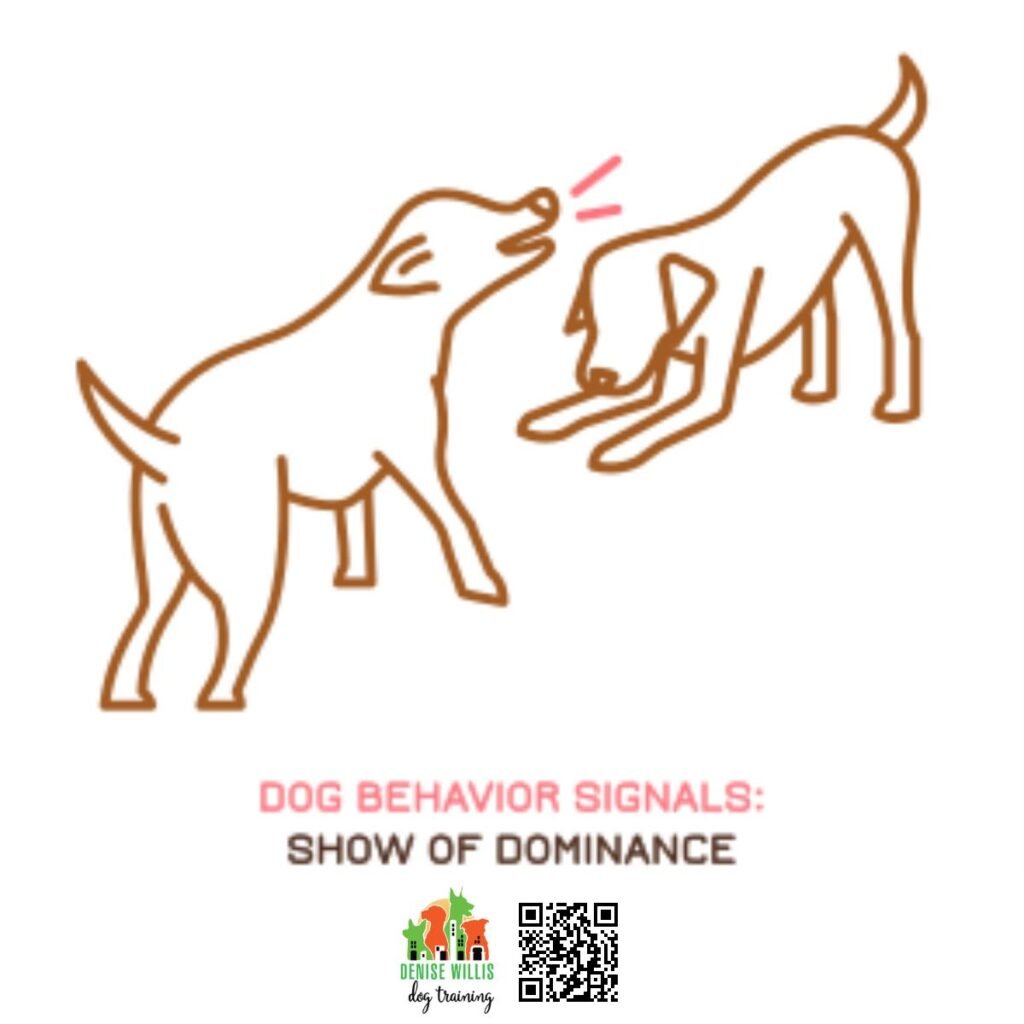
If you want your dog to listen and respect your commands, showing dominance is key. But dominance doesn’t mean being harsh or scary—it means being clear, confident, and consistent.
When your dog understands that you’re in charge, life becomes easier for both of you. Imagine fewer behavioral problems and a stronger bond with your furry friend. Curious how to do this the right way? Keep reading, and you’ll discover simple, effective steps to show dominance without stress or confusion.
Your dog will thank you for it.
Body Language Signals
Understanding how to show dominance to a dog involves clear body language signals. Dogs read our physical cues closely. These signals tell them who leads and who follows. Using the right body language helps build respect and control. It also keeps communication calm and direct.
Posture And Stance
Stand tall and firm without being stiff. Keep your shoulders back and chest open. Avoid leaning over the dog. A strong, balanced posture shows confidence. Feet should be planted shoulder-width apart. This stance signals stability and control. Move slowly and deliberately to avoid startling the dog.
Eye Contact
Hold steady eye contact, but do not stare aggressively. Soft, calm eyes show authority without threat. Blink occasionally to keep your gaze relaxed. Avoid looking away quickly, which may seem weak. Eye contact helps set clear boundaries. Dogs respect confident and consistent looks.
Facial Expressions
Keep your face neutral and calm. Avoid wide smiles or showing teeth. A relaxed mouth and steady expression show control. Sudden frowns or raised eyebrows can confuse the dog. Your face should reflect quiet confidence. This helps the dog feel secure and understand your role.
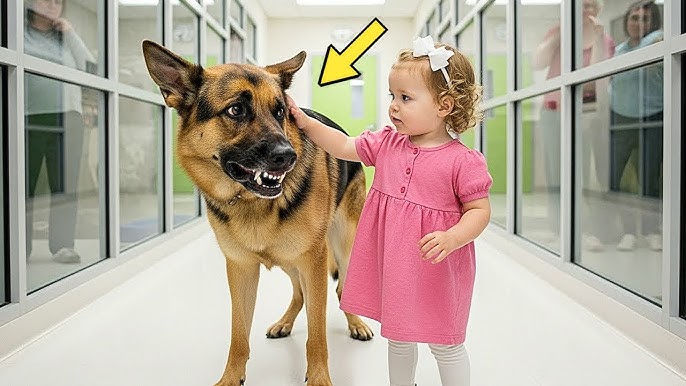
Credit: www.youtube.com
Voice Control
Using your voice effectively is one of the simplest ways to show dominance to a dog. Dogs respond instinctively to sound, so how you speak can influence their behavior immediately. Voice control helps establish your role as the leader in a clear and respectful way.
Tone And Volume
The tone of your voice sends strong signals to your dog. A firm, calm tone commands attention without causing fear. Avoid shouting or high-pitched voices, which can confuse your dog or make them anxious.
Volume also matters. Speaking louder than usual grabs your dog’s focus, but only use this when necessary. For instance, if your dog is distracted or misbehaving, a louder, steady voice can bring them back to attention quickly.
Command Consistency
Consistency in your commands is key to showing dominance through voice control. Use the same words and tone for each command every time. This prevents your dog from getting mixed signals and helps them understand exactly what you expect.
Imagine telling your dog to “sit” with different voices or words each time. They will struggle to respond correctly. Keeping commands consistent builds trust and respect, making your leadership clear and unchallenged.
Establishing Rules
Establishing rules is a crucial part of showing dominance to a dog. Dogs feel more secure and behave better when they understand what is expected of them. Clear rules create a structure that guides their actions and helps prevent confusion or misbehavior.
Setting Boundaries
Boundaries define where your dog can go and what they can do. For example, decide if your dog is allowed on furniture or in certain rooms, and stick to it consistently. Dogs quickly learn limits when you do not give mixed signals.
You might notice your dog testing limits by jumping on counters or barking excessively. This is your chance to reinforce boundaries firmly but calmly. Ask yourself, what areas or behaviors need strict rules in your home?
- Use gates or closed doors to keep dogs out of off-limits spaces.
- Teach commands like “off” or “leave it” to control unwanted behavior.
- Be consistent—if you sometimes allow a behavior, your dog will get confused.
Enforcing Limits
Enforcement means following through every time your dog breaks a rule. If you allow exceptions, your dog won’t respect your authority. For example, if jumping on guests is not allowed, gently but firmly guide your dog down every time it happens.
Consistency matters more than harshness. Use positive reinforcement to reward good behavior and clear, calm corrections for disobedience. Have you noticed how dogs respond better when you remain calm rather than angry?
- Ignore attention-seeking misbehavior instead of reacting emotionally.
- Redirect unwanted actions with commands or toys.
- Reward obedience immediately to reinforce good habits.
Remember, establishing rules is not about punishment, but about creating a clear, respectful relationship. When your dog understands the rules, they feel safer and are more eager to follow your lead.
Leadership Through Routine
Showing dominance to a dog isn’t about being harsh; it’s about establishing clear leadership. One of the most effective ways to do this is through consistent routines. Dogs thrive when they know what to expect, and routines give them a sense of security while positioning you as the dependable leader.
Feeding Schedules
Setting a fixed feeding schedule helps your dog understand that you control resources. Feed your dog at the same times every day instead of free-feeding. This encourages patience and reduces begging behavior.
Try to be the one who initiates mealtime, and don’t rush to fill the bowl the moment your dog signals hunger. Waiting a few moments before serving teaches your dog self-control and respect for your timing.
Have you noticed how dogs become calmer when they expect meals at regular intervals? This simple act shows you are in charge of their needs.
Exercise And Playtime
Exercise is not just about burning energy; it’s a chance to reinforce your leadership. Lead your dog on walks, decide the pace, and control when play starts and stops.
Use playtime as a way to practice commands like “sit” or “stay” before tossing a ball or tug toy. This keeps your dog focused and reminds them that fun comes with following your lead.
Think about how your dog reacts when you suddenly stop walking or pause play. Do they respect your decision or try to take over? Consistently guiding these moments establishes your role as the leader.
Managing Resource Control
Managing resource control is key to showing dominance to a dog. Dogs respect owners who set clear boundaries around important resources. Resources can include toys, treats, and personal space. Controlling these resources helps establish leadership and reduces unwanted behavior.
Controlling Toys And Treats
Hold the power over your dog’s toys and treats. Give toys only when your dog behaves well. Take toys away calmly to show you decide when playtime ends.
Use treats as a reward, not a constant offering. Control the timing and amount. This teaches your dog that good behavior earns rewards. Avoid giving treats freely or your dog may expect them all the time.
Keep toys and treats out of reach when not in use. This prevents possessive or aggressive behavior. Your dog learns to wait for permission before enjoying these items.
Access To Space
Control access to key areas like the bed, couch, or doorways. Let your dog enter or rest only after you give permission. This shows you control the environment.
Use a calm but firm voice to guide your dog away from restricted areas. Repeat this consistently. Your dog will understand that you lead the household space.
Allow your dog to approach you, not the other way around. This builds respect. You are the one who controls interactions and movement in the home.
Calm And Confident Behavior
Showing dominance to a dog isn’t about force or loud commands. It’s about how you carry yourself—calm, collected, and confident. Dogs pick up on your energy, so if you’re shaky or nervous, they sense that and may challenge your authority.
Maintaining Composure
Keep your body language steady and your voice even. Avoid sudden movements or high-pitched tones, as these can confuse or excite your dog.
Think about a time when you felt truly calm in a stressful situation. That same calmness is what your dog needs to see from you. Stand tall, breathe slowly, and make eye contact without staring aggressively.
Try practicing this in everyday moments. When your dog jumps or barks, don’t react emotionally. Instead, pause, take a breath, and respond with steady actions.
Avoiding Aggression
Dominance doesn’t mean being harsh or aggressive. Yelling or physical punishment can damage your relationship and make your dog fearful or defensive.
Use firm but gentle commands and consistent routines. Your dog respects clear boundaries more than unpredictable outbursts.
Ask yourself: Is my tone calm and assertive, or am I reacting out of frustration? Staying patient teaches your dog that you’re in control without resorting to aggression.
Training Techniques
Training techniques play a crucial role in establishing dominance with your dog. It’s about guiding your pet with clear, consistent actions that build respect and trust. You want your dog to understand their place in the household without fear or confusion.
Positive Reinforcement
Positive reinforcement means rewarding your dog when they follow commands or behave well. This can be treats, praise, or playtime. When your dog associates good behavior with positive outcomes, they are more likely to repeat it.
Try giving a treat immediately after your dog sits on command. This direct link between action and reward helps your dog learn faster. Have you noticed how your dog’s tail wags more eagerly when you use treats wisely?
Consistency is key. Use the same words and gestures every time you train. This clarity helps your dog understand what you expect.
Correcting Undesired Behavior
Correcting unwanted behavior should be firm but fair. Avoid yelling or physical punishment, as it damages trust. Instead, use a calm voice to say “No” or “Stop” right when the behavior happens.
Redirect your dog’s attention to a positive activity. If your dog jumps on guests, ask them to sit instead and reward that behavior. This way, you show leadership by guiding your dog toward acceptable actions.
Remember, timing is everything. Corrections only work if they happen immediately after the misbehavior. What small changes can you make right now to improve how you correct your dog?

Credit: theonlinedogtrainer.com

Credit: www.dwdogtraining.com
Frequently Asked Questions
How Can I Show Dominance To My Dog Safely?
Show dominance by establishing clear rules and boundaries consistently. Use calm, assertive body language and voice tones. Avoid physical punishment. Reward good behavior and ignore bad behavior. Consistency and patience build respect and trust in your relationship.
Why Is Showing Dominance Important For Dog Training?
Showing dominance helps your dog understand your leadership role. It creates structure, reduces anxiety, and prevents behavioral issues. A confident leader guides the dog, making training more effective and improving communication between you and your pet.
What Body Language Signals Show Dominance To Dogs?
Stand tall with relaxed shoulders and direct eye contact. Use slow, deliberate movements. Avoid bending over or staring aggressively. These signals convey confidence and leadership, helping your dog respect your authority without fear or aggression.
Can Dominance Improve My Dog’s Obedience?
Yes, dominance paired with positive reinforcement improves obedience. Dogs respond well to clear leadership and consistent commands. Dominance helps establish trust and clarity, making your dog more likely to follow instructions willingly and reliably.
Conclusion
Showing dominance to a dog means being calm and confident. Stay consistent with rules and your actions. Dogs respond best to clear and firm guidance. Avoid yelling or harsh punishments—they confuse the dog. Use body language to show your leadership quietly.
Patience helps build trust and respect over time. This approach creates a happier, well-behaved dog. Keep learning and practicing every day. Your dog will follow your lead naturally. Simple steps lead to a strong bond.

Emily Barker is the founder of ChillDogLife.com, a space dedicated to helping pup parents discover the best dog products, lifestyle tips, and cozy ideas for happier homes.
A lifelong dog lover, Emily combines her passion for pets with a knack for research to share trusted recommendations on everything from toys and furniture to health and everyday care.
Her goal is simple: to make life easier, stylish, and more joyful for dogs and the people who love them.




