
Are you looking for fun and affordable ways to keep your dog happy and entertained? Making homemade dog toys is easier than you think—and it’s a great way to show your furry friend some extra love.
Imagine creating safe, durable toys that match your dog’s unique play style, all from items you probably already have at home. Keep reading, and you’ll discover simple, step-by-step ideas that save you money and strengthen the bond with your pet.
Your dog’s new favorite toy is just a few minutes away!
Benefits Of Homemade Dog Toys
Homemade dog toys offer many benefits for both pets and owners. They provide a safe and fun way to keep dogs entertained. These toys often last longer and cost less than store-bought ones.
Making toys at home also allows for customization. You can create toys suited to your dog’s size and play style. This personal touch adds more joy to playtime.
Cost-effective And Budget-friendly
Homemade dog toys save money. Many toys use items already in the house. Old clothes, ropes, and fabric scraps become great playthings. This avoids frequent purchases of expensive toys.
Safe And Non-toxic Materials
Using safe materials protects your dog’s health. Store-bought toys may contain harmful chemicals. Homemade toys let you choose natural and pet-friendly fabrics. This lowers the risk of allergic reactions and poisoning.
Encourages Creativity And Bonding
Creating toys strengthens the bond with your dog. It is a creative activity for owners. Dogs enjoy the new toy and your attention. Playtime becomes more meaningful and fun for both.
Environmentally Friendly Choice
Making toys at home helps reduce waste. It reuses old materials that might be thrown away. This choice supports a greener and cleaner environment. Eco-friendly toys make a positive impact.
Customization For Specific Needs
Homemade toys fit your dog’s unique needs. You can adjust size, texture, and durability. This is great for dogs with special play habits or health concerns. Personalized toys keep dogs happy and engaged.

Credit: smart.dhgate.com
Safe Materials To Use
Choosing the right materials is key to making safe dog toys at home. Unsafe items can harm your pet or cause choking. Use materials that are non-toxic, durable, and easy to clean.
Soft fabrics and natural fibers often work well. Avoid anything with small parts that can break off. Look for items that can handle chewing without falling apart.
Natural Cotton Fabrics
Cotton is gentle on dogs’ teeth and gums. It is soft, breathable, and easy to sew. Use old T-shirts or cotton scraps to create braided or knotted toys. Make sure the fabric is clean and free of chemicals.
Unbleached Wool
Wool is another safe choice. It is natural and durable. Toys made from wool can be stuffed or braided. Avoid synthetic blends that may irritate your dog’s skin.
Non-toxic Rubber
Rubber toys are great for chewing and fetching. Choose natural, non-toxic rubber without added chemicals. Avoid hard plastics that can crack or splinter. Rubber toys should be flexible and tough.
Recycled Denim
Denim is a strong, long-lasting fabric. Old jeans can be cut and braided into chew toys. Denim resists tearing and can handle rough play. Wash denim thoroughly before use.
Cotton Rope
Cotton ropes are popular for tugging and chewing. They should be tightly woven and thick enough to avoid unraveling. Avoid synthetic ropes that may shed harmful fibers.
Fleece Material
Fleece is soft and easy to work with. It does not fray, so it stays intact during play. Use fleece strips for braided toys or stuffing. Ensure there are no loose threads.
Simple No-sew Toy Ideas
Creating homemade dog toys doesn’t have to be complicated or require sewing skills. Simple no-sew toys can be made quickly with items you already have at home. These toys keep your dog entertained and save you money, all while allowing you to customize playtime to your dog’s preferences.
T-shirt Rope Tug
Grab an old t-shirt and cut it into long strips. Braid the strips tightly to form a sturdy rope. Tie knots at both ends to give your dog something to grip and tug on.
This toy is great for interactive play and helps strengthen your dog’s jaw muscles. Plus, it’s soft enough to avoid hurting their teeth but durable enough for a good tug session.
Tennis Ball Treat Holder
Take a tennis ball and carefully cut a slit just big enough to insert treats. Squeeze the ball to open the slit and tuck in your dog’s favorite snacks. This turns a simple ball into a fun, rewarding puzzle.
Dogs love the challenge of getting treats out, which keeps them busy and mentally stimulated. Would your dog prefer chewy treats or crunchy ones for this toy?
Sock And Ball Combo
Find a clean sock and place a tennis ball or any small, soft ball inside. Tie a knot at the open end to secure the ball. This creates a lightweight, easy-to-throw toy that’s gentle on your dog’s mouth.
It’s perfect for games of fetch and can double as a chew toy. Have you noticed how dogs enjoy the mix of soft fabric and the bounce of the ball inside?
Diy Plush Toys
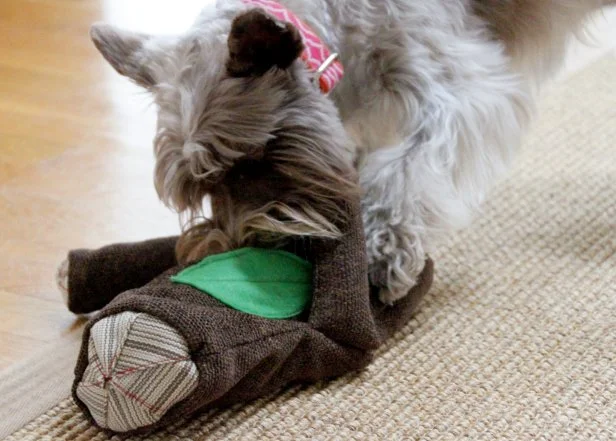
DIY plush toys make great homemade gifts for dogs. They offer a soft texture that dogs love to chew and cuddle. Creating these toys allows full control over materials, making them safe and durable. Plush toys also provide comfort and entertainment for your pet. Crafting your own plush toy can be fun and rewarding.
Basic Stuffed Shapes
Start with simple shapes like bones, hearts, or stars. Choose soft fabric such as fleece or cotton. Cut two identical pieces for each shape. Sew the edges together, leaving a small gap for stuffing. Use polyester fiberfill to stuff the toy firmly but not too tight. Close the gap with a neat stitch.
Adding Squeakers
Dogs love toys that make noise. Insert a squeaker inside the toy before stuffing. Use a small squeaker designed for pet toys. Place it near the center for better sound. Sew the toy securely to keep the squeaker inside. Test the toy by squeezing to check the squeaker’s sound.
Personalizing With Fabric Paint
Make the toy unique with fabric paint. Use non-toxic paint safe for pets. Draw your dog’s name or fun shapes on the toy. Let the paint dry completely before giving it to your dog. Personalization adds a special touch and makes the toy easy to identify.
Interactive Puzzle Toys
Interactive puzzle toys challenge your dog’s mind and keep them entertained for longer periods. These toys encourage problem-solving and can reduce boredom-related behaviors. Creating your own interactive puzzle toys at home is a fun way to bond with your pet and save money.
Muffin Tin Puzzle
Use a simple muffin tin and some tennis balls to create a quick puzzle. Place treats in a few of the muffin cups, then cover all the cups with tennis balls. Your dog will have to figure out how to remove the balls to get to the treats.
This toy is easy to customize by changing the number of balls or the size of treats. It’s surprising how quickly dogs learn to lift the balls with their nose or paws. Have you noticed which treats motivate your dog the most?
Bottle Spinner
Take an empty plastic bottle and mount it horizontally between two supports, like a wooden frame or sturdy sticks. Cut small holes in the bottle large enough for treats to fall out when it spins. Fill the bottle with treats and encourage your dog to spin it with their nose or paw.
This toy requires some assembly but offers lasting engagement. You can adjust the difficulty by changing the hole size or treat type. Does your dog prefer spinning the bottle with their paw or nose? Watch their technique carefully—it can be quite entertaining!
Treat Dispenser
Create a treat dispenser using a plastic container with a lid and a few holes punched around the sides. Fill the container with small treats and let your dog roll or nudge it to release the goodies. Make sure the holes are just the right size—too big and treats fall out too easily; too small and your dog gets frustrated.
This toy promotes mental stimulation and exercise simultaneously. You can experiment with different container shapes and treat sizes. What’s the most creative treat dispenser you think your dog would enjoy?
Recycling Household Items
Recycling household items into dog toys is a smart way to save money and reduce waste. You can turn things you already have at home into fun, safe toys your dog will love. Plus, crafting these toys yourself lets you control the materials and ensure they’re pet-friendly.
Using Old Jeans
Old jeans are tough and durable, perfect for making chew toys or tug ropes. Cut strips from the denim, braid or knot them tightly, and you have a long-lasting toy. My dog loves the texture, and I like knowing these toys won’t fall apart after a few uses.
Denim also holds up well in the wash, so you can keep your dog's toys clean. Try adding knots at both ends to give your dog something to grip during playtime. Have you ever noticed how your dog reacts to different textures? Denim seems to excite many pups due to its unique feel.
Repurposing Water Bottles
Empty plastic water bottles create a satisfying crunch that dogs find irresistible. Remove the cap and label, then place the bottle inside a sock or wrap it in fabric for safety. The sound keeps dogs entertained, and the soft covering protects their teeth.
Make sure to supervise your dog while playing with these toys to prevent swallowing plastic pieces. You can also use the bottle as a base and wrap it with braided fabric strips to add durability. Ever wondered why dogs are drawn to noisy toys? The unexpected sounds stimulate their natural curiosity and play drive.
Upcycling Socks And Towels
Old socks and towels are soft but sturdy materials that can become great chew or fetch toys. Fill a sock with crumpled paper or fabric scraps, tie the end, and your dog has a new toy ready to go. Towels can be cut into strips and braided for a gentle tug toy.
These items are gentle on your dog’s mouth, ideal for puppies or dogs with sensitive teeth. Plus, you can easily wash them to keep germs away. Have you tried mixing different fabric types in one toy to see which your dog prefers?
Tips For Toy Durability
Making homemade dog toys is fun, but ensuring they last through your pup’s playtime can be challenging. Durable toys keep your dog entertained longer and save you from constant replacements. Let’s look at practical tips to boost the strength and longevity of your DIY creations.
Choose Strong, Safe Materials
Start with materials that can handle chewing and tugging. Thick cotton fabric, fleece, or old jeans work well because they resist tearing.
Avoid anything too thin or easily shredded. Also, steer clear of toxic materials or small parts that can break off and cause choking.
Have you noticed how some fabrics hold up better with your dog’s chewing? Use those insights to pick what works best for your furry friend.
Double Stitch Seams
Weak seams are a common failure point in homemade toys. Use a sewing machine or sew by hand with tight, double stitches to reinforce the edges.
Adding a second row of stitching can prevent the toy from falling apart quickly, especially if your dog loves to pull and bite hard.
Try pulling gently on your stitched seams before giving the toy to your dog. This simple test can save you from future repairs.
Add Extra Padding Or Layers
Layering fabrics or adding padding inside the toy increases its bulk and durability. It also makes the toy more interesting for your dog to chew or carry.
Use scraps of fleece or old t-shirts to stuff inside before sewing the toy shut. This helps the toy keep its shape longer under pressure.
Have you noticed your dog prefers softer or firmer toys? Adjust padding accordingly to suit their chewing style.
Secure Any Attachments Firmly
If your toy includes buttons, squeakers, or knots, make sure they are firmly attached and sewn tightly. Loose pieces can be a choking hazard.
Consider using fabric knots or reinforced stitching instead of small plastic parts when possible. This keeps the toy safer and more durable.
Think about how your dog plays—are they likely to pull off attachments? Design your toy to handle their play style safely.
Test And Repair Regularly
Even the toughest toys will wear out over time. Check your homemade toys often for loose threads or holes.
Fix small tears immediately by sewing or patching before they become bigger problems. This extends the toy’s life and keeps your dog safe.
What’s your routine for inspecting toys? Setting a regular check-up can prevent accidents and save money on replacements.
Cleaning And Maintenance
Keeping your homemade dog toys clean is essential for your pet’s health and the toy’s durability. Dirty toys can harbor bacteria, which might cause infections or bad odors. Regular maintenance also helps you spot wear and tear early, preventing accidental swallowing of broken parts.
Cleaning Materials You’ll Need
- Mild dish soap or pet-safe detergent
- Warm water
- A soft brush or old toothbrush
- Clean cloth or towel
- Optional: white vinegar for disinfecting
Use gentle cleaning agents to avoid irritating your dog’s skin. Harsh chemicals can leave harmful residues on toys, so stick with what’s safe and effective.
How To Clean Different Types Of Homemade Toys
| Toy Material | Cleaning Method | Drying Tips |
|---|---|---|
| Fabric (e.g., old t-shirts) | Hand wash with mild soap and warm water; scrub gently. | Air dry completely to prevent mold. |
| Rope toys | Soak in a vinegar-water solution for 15 minutes, then rinse well. | Hang to dry in a well-ventilated area. |
| Plastic bottles or containers | Wash with soap and water; use brush to clean crevices. | Dry thoroughly to avoid moisture buildup. |
Maintaining Your Dog Toys Between Cleanings
After each play session, quickly inspect the toy for damage. Remove loose threads, sharp edges, or broken pieces that could hurt your dog.
Store toys in a dry, clean place to keep them fresh. Rotating toys regularly also reduces wear and keeps your dog interested.
How Often Should You Clean Homemade Dog Toys?
Think about how your dog uses the toy. If it’s a chew toy, clean it weekly to reduce germs. For fetch toys, a quick rinse after outdoor play might be enough.
Have you noticed your dog’s favorite toy getting smelly or dirty faster than others? That’s a good sign it needs more frequent cleaning.
Encouraging Safe Play Habits
Encouraging safe play habits is key to making homemade dog toys enjoyable and risk-free for your furry friend. Toys that are too small, easily torn, or made from unsafe materials can lead to choking or ingestion hazards. Teaching your dog how to interact with their toys helps prevent accidents and keeps playtime fun and stress-free.
Recognizing Safe Materials
Choose materials that won’t splinter, break apart, or contain harmful chemicals. Thick cotton fabrics, sturdy ropes, and durable rubber pieces are great choices. Avoid items like old socks with holes or sharp-edged plastic parts.
Have you ever seen your dog swallow a small piece of fabric? That experience taught me to always check homemade toys for loose threads before giving them to my dog.
Supervising Playtime
Always watch your dog when they play with new homemade toys. This helps you spot any dangerous chewing behavior early. If the toy starts to fall apart, take it away immediately.
Supervision doesn’t mean hovering constantly, but staying nearby to intervene if needed. Would you let your child play with a new gadget without keeping an eye on them? The same care applies to your dog.
Teaching Gentle Chewing
Encourage your dog to chew gently by rewarding calm behavior. If your dog bites or pulls too hard, redirect them to a safer chew toy or stop play briefly. Consistency helps your dog learn how to play without damaging toys or hurting themselves.
Using treats and praise when your dog chews properly can make a big difference. Have you noticed how positive reinforcement changes your dog’s behavior in other situations?
Regular Toy Inspection And Replacement
Check homemade toys regularly for wear and tear. Look for holes, loose parts, or fraying edges that could become choking hazards. Replace or repair toys as soon as they show signs of damage.
Keeping a schedule for toy inspection can save your dog from accidental injury. Do you have a routine for checking your dog’s toys, or is it something you might start doing now?

Credit: fakeginger.com
Credit: www.hgtv.com
Frequently Asked Questions
What Materials Are Safe For Homemade Dog Toys?
Use non-toxic, durable materials like cotton, fleece, and rubber. Avoid small parts that can be swallowed or sharp edges. Always supervise your dog during play to ensure safety.
How Do I Make A No-sew Dog Toy?
Cut fabric into strips, braid them tightly, and knot the ends. This creates a durable tug toy. Choose soft, washable fabric for comfort and easy cleaning.
Can Homemade Toys Help With Dog Anxiety?
Yes, interactive toys like treat puzzles can reduce anxiety. They stimulate your dog’s mind and provide comfort. Homemade toys are customizable to fit your dog’s preferences.
How Often Should I Replace Homemade Dog Toys?
Replace toys when they show wear or damage. Frayed fabric or loose parts can be hazardous. Regularly inspect toys to keep your dog safe and entertained.
Conclusion
Creating homemade dog toys is fun and rewarding. Your dog will love them. These toys save money and encourage creativity. Making them ensures safety and quality. Plus, they provide mental stimulation for your dog. Gather some simple materials. Get crafting today.
Your pet deserves the best. Homemade toys bring joy and strengthen your bond. Enjoy watching your dog play and explore. Try different designs and ideas. Keep your pet engaged and happy. Always supervise playtime. Safety first, always. Enjoy the satisfaction of creating something special.
Your dog will thank you with wagging tails and happy barks.

Emily Barker is the founder of ChillDogLife.com, a space dedicated to helping pup parents discover the best dog products, lifestyle tips, and cozy ideas for happier homes.
A lifelong dog lover, Emily combines her passion for pets with a knack for research to share trusted recommendations on everything from toys and furniture to health and everyday care.
Her goal is simple: to make life easier, stylish, and more joyful for dogs and the people who love them.




