Bringing a shelter dog into your home is a wonderful decision, but potty training can feel like a big challenge. You want your new furry friend to feel comfortable and happy, and that starts with teaching them where to go.
Imagine fewer accidents, less stress, and a stronger bond with your dog. This guide will walk you through simple, effective steps to potty train your shelter dog, helping you create a clean and calm home together. Keep reading—you’re closer than you think to success!

Credit: medium.com
Choosing The Right Supplies
Choosing the right supplies can make potty training your shelter dog smoother and less stressful for both of you. The right tools help create a consistent routine and provide comfort during the transition. Think about what will work best for your dog’s size, temperament, and your living space before making any purchases.
Selecting The Best Crate
A crate is more than just a containment tool; it becomes your dog's safe haven. Pick a crate that’s large enough for your dog to stand, turn around, and lie down comfortably but not so big that they have space to eliminate in one corner and sleep in another.
Consider a crate with adjustable dividers if your dog is still growing. Metal crates offer durability and better ventilation, while plastic ones feel cozier and can reduce anxiety for some dogs. Have you noticed if your dog prefers a quiet, enclosed space or a more open area? That can guide your choice.
Picking Suitable Training Pads
Training pads are lifesavers, especially when outdoor access is limited. Choose pads that are highly absorbent and have leak-proof bottoms to protect your floors. Some pads also come with attractants that encourage your dog to use them, which can speed up the training process.
Think about the placement of these pads. Will your dog have easy access to them? Will they stay in one spot or do you need multiple pads? Your dog’s comfort and your home’s cleanliness depend on these choices.
Gathering Cleaning Materials
Accidents are part of the learning curve, so have cleaning supplies ready to tackle messes quickly. Enzyme-based cleaners are essential because they break down odors that might otherwise invite repeat accidents.
Keep paper towels, disposable gloves, and odor neutralizers handy. You might also want a washable mat or rug nearby to protect high-traffic areas during training. How prepared are you to clean up without stress when your dog makes a mistake?

Credit: www.dogsavvylosangeles.com
Establishing A Routine
Establishing a routine is crucial for potty training a shelter dog. Dogs thrive on predictability and structure. A set routine helps them understand when and where they should go. Consistency aids in building trust and reduces anxiety. Let’s explore some essential steps to create an effective routine for your furry friend.
Setting Consistent Feeding Times
Feed your dog at the same times each day. Regular feeding times help regulate their bathroom schedule. Use a timer if needed to maintain consistency. Avoid free-feeding as it disrupts their natural schedule.
Scheduling Regular Bathroom Breaks
Take your dog out to potty at regular intervals. Consider their age and energy level. Puppies might need breaks every 2 hours. Adult dogs can wait 4-6 hours. Always take them out first thing in the morning. Also, offer a break after meals and before bedtime.
Creating A Predictable Environment
Designate a specific potty area outside. Lead your dog to this spot each time. Familiar scents will encourage them to go there. Keep their living area clean and free of accidents. Use gates to limit their space if needed. A predictable environment fosters quicker learning and success.
Recognizing Potty Signals
Recognizing your shelter dog's potty signals is essential for successful training. Each dog has its own way of telling you when nature calls, and learning these signs helps prevent accidents. Paying close attention now saves you frustration later.
Common Signs To Watch For
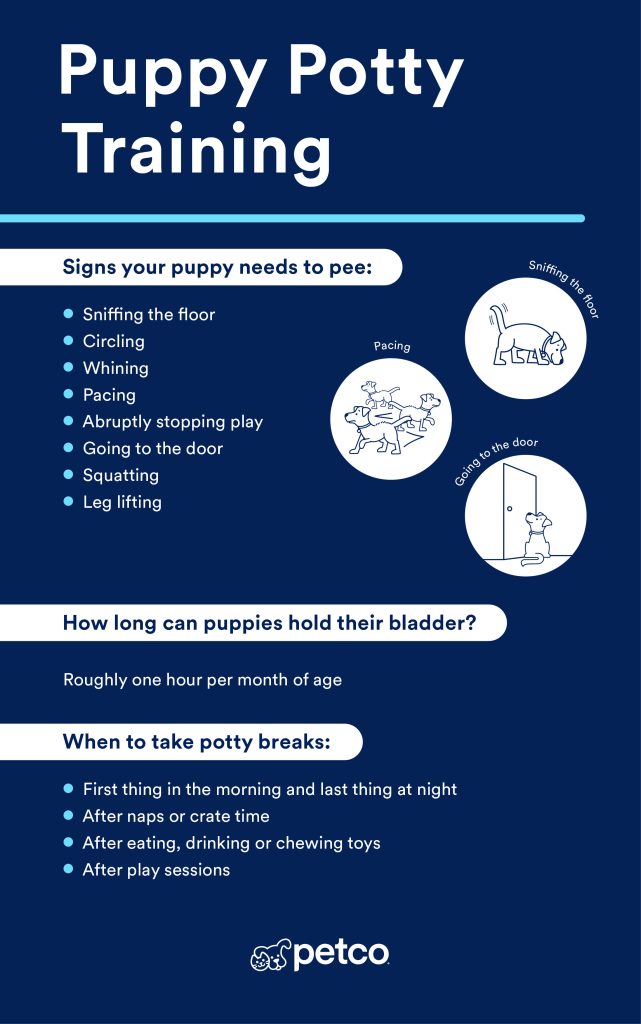
Dogs often show clear signals before they need to go outside. Look for behaviors like:
- Sniffing the floor or circling in one spot
- Suddenly becoming restless or pacing
- Whining or barking near the door
- Heading toward the door or where they’ve gone before
One shelter dog I trained would sit by the door quietly but intensely. Noticing this early helped me take him out right on time. What signs does your dog display?
Responding Quickly To Cues
Once you spot a potty signal, act fast. Delaying your response can confuse your dog and lead to accidents inside.
Keep leash and keys handy so you can head outside immediately. Consistently rewarding your dog right after they finish outside builds a clear connection between the action and praise.
Have you ever missed a cue and faced an accident? Use that experience to sharpen your awareness. Your quick response teaches your dog that pottying outdoors is the right choice every time.
Credit: www.dogsavvylosangeles.com
Positive Reinforcement Techniques
Positive reinforcement is a powerful tool when potty training a shelter dog. It focuses on rewarding good behavior instead of punishing mistakes. This approach builds trust and encourages your dog to repeat the actions you want.
Using Treats Effectively
Treats are a great way to motivate your dog. Choose small, tasty treats that your dog loves and can eat quickly. Offer a treat immediately after your dog goes potty outside to help them connect the behavior with the reward.
Timing is everything. If you wait too long, your dog might not understand why they’re being rewarded. Keep treats handy during potty breaks and be consistent with giving them right after success.
Have you noticed how some dogs respond better to certain treats? If your dog seems uninterested, try different flavors or textures until you find their favorite. This simple adjustment can make a huge difference in their learning speed.
Incorporating Praise And Affection
Words and touch can be as powerful as treats. Use a happy, excited tone to praise your dog when they go potty outside. Simple phrases like “Good job!” or “Well done!” help your dog feel proud.
Physical affection like petting or gentle scratching can strengthen your bond. Pay attention to what your dog enjoys most—some love belly rubs, others prefer ear scratches. Use these moments to reinforce positive behavior.
Think about how your own mood affects your dog. If you stay calm and positive, your dog will feel more confident. Have you ever noticed how your energy changes their response?
Dealing With Accidents
Accidents are a normal part of potty training a shelter dog. These dogs may not have had consistent training before. Patience and calm reactions help your dog learn better. How you handle accidents impacts your dog’s progress and trust.
Cleaning Without Punishment
Clean accidents quickly and thoroughly to remove odors. Use enzyme-based cleaners made for pet messes. Avoid cleaners with ammonia that can confuse your dog.
Never punish or yell at your dog after an accident. Dogs do not connect punishment with their past behavior. Punishment causes fear and slows training. Stay calm and focus on cleaning and guiding.
Redirecting Behavior Gently
Guide your dog to the right potty spot after an accident. Use a calm voice and lead them outside or to their training area. Praise your dog warmly when they go in the right place.
Watch for signs your dog needs to go. Take them out often, especially after eating, drinking, or waking up. Consistent routine helps reduce accidents.
Adapting To Shelter Dog Challenges
Potty training a shelter dog requires patience and understanding. Shelter dogs face unique challenges that affect their learning. They often come from stressful environments and may have had little training before. Adapting your approach helps create a strong bond and encourages good habits. Recognizing and addressing these challenges leads to better results.
Building Trust And Confidence
Trust is the foundation of successful training. Shelter dogs might feel scared or unsure in a new home. Spend time near your dog without forcing interaction. Use a calm voice and gentle touch. Consistent routines help your dog feel safe. Praise any positive behavior with treats or kind words. Small wins build your dog’s confidence.
Handling Anxiety And Stress
Anxiety can cause accidents inside the house. Watch for signs like pacing, whining, or shaking. Create a quiet, comfortable space for your dog to relax. Avoid sudden loud noises or fast movements. Break training sessions into short, calm periods. Use soothing tones and soft petting to calm your dog. Patience is key to reducing stress and improving potty training.
Tracking Progress And Adjusting
Tracking your shelter dog’s potty training progress is essential. It helps you see what works and what needs change. Every dog learns at a different pace. Watching their behavior closely lets you adjust your approach. This keeps training effective and less frustrating for both of you.
Keeping A Training Journal
Write down each potty break time and results. Note accidents or successful outings. Record your dog’s reactions and any patterns you notice. This journal helps spot trends quickly. For example, you might see that your dog needs to go out after meals or naps. Journals also keep you consistent. You can track rewards, commands used, and changes in routine. Over time, this log becomes a valuable guide for training.
Modifying Techniques As Needed
Use the journal data to tweak your methods. If accidents happen often, increase potty breaks. Try different reward types like treats or praise. Change your dog’s schedule to fit their needs better. Some dogs respond well to crate training, others prefer outdoor time more often. Watch for signs of stress or confusion. Adjust commands or signals for clarity. Flexibility makes training smoother and builds trust with your dog.
Frequently Asked Questions
How Long Does Potty Training A Shelter Dog Take?
Potty training a shelter dog typically takes 4 to 6 weeks. Consistency, patience, and routine are key. Some dogs may learn faster, others slower, depending on their background and age. Regular outdoor breaks and positive reinforcement speed up the process.
What Are The Best Potty Training Methods For Shelter Dogs?
Use crate training combined with frequent outdoor bathroom breaks. Reward your dog immediately after they eliminate outside. Establish a consistent schedule for feeding and bathroom times. Avoid punishment to build trust and encourage good habits.
How Can I Handle Accidents During Potty Training?
Clean accidents promptly with enzymatic cleaners to remove odors. Avoid scolding your dog for accidents to prevent fear. Increase bathroom breaks and observe signs your dog needs to go. Patience and consistency reduce accidents over time.
Should I Use Crate Training For A Shelter Dog?
Yes, crate training is highly effective for potty training shelter dogs. It provides a safe space and helps control bathroom habits. Ensure the crate is comfortable and not used for punishment. Gradually increase crate time as your dog adapts.
Conclusion
Potty training a shelter dog takes time and patience. Stay calm and consistent every day. Reward good behavior to encourage learning. Expect accidents but do not get upset. Shelter dogs need love and understanding most. Small steps lead to big progress.
Keep routines simple and clear for your dog. Celebrate each success, no matter how small. This journey builds trust between you and your pet. Your efforts help your dog feel safe and happy. Keep going—you are making a positive difference.

Emily Barker is the founder of ChillDogLife.com, a space dedicated to helping pup parents discover the best dog products, lifestyle tips, and cozy ideas for happier homes.
A lifelong dog lover, Emily combines her passion for pets with a knack for research to share trusted recommendations on everything from toys and furniture to health and everyday care.
Her goal is simple: to make life easier, stylish, and more joyful for dogs and the people who love them.




