Potty training your dog can feel like a daunting task. You might wonder when the right time is to start and how to make the process as smooth as possible.
If you’re feeling overwhelmed, you’re not alone. Every dog owner has been there, questioning whether their furry friend will ever learn where to do their business. Imagine the relief of knowing your dog understands when and where to go, saving you from unexpected messes and endless cleaning.
Picture your home free of those little accidents, and enjoy more time playing with your pup instead of worrying about the next mishap. You’ll discover the ideal time to start potty training your dog and learn effective methods to ensure success. Stay with us, and we’ll guide you through each step, giving you confidence and peace of mind as you train your beloved pet.
Credit: medium.com
Ideal Age To Start Training
Potty training your dog is important for a happy home. Starting at the right age helps your dog learn fast.
Every puppy grows at its own pace. Knowing when to begin can make training easier for both of you.
Puppy Development Stages
Puppies go through key stages as they grow. Each stage affects their ability to learn potty habits.
- Neonatal Stage (0-2 weeks):Puppies are blind and deaf. They cannot control their bladder.
- Transitional Stage (2-4 weeks):Puppies start to open their eyes. Still no bladder control.
- Socialization Stage (4-12 weeks):Puppies learn from their environment. They begin to control their body.
- Juvenile Stage (3-6 months):Puppies gain more control over bladder and bowels. This is the best time to start potty training.
Signs Your Dog Is Ready
Your dog shows clear signs when ready for potty training. Watch for these to begin with confidence.
| Sign | What It Means |
|---|---|
| Staying Dry | Can hold urine for a few hours |
| Sniffing | Looks for place to go |
| Squatting | Shows intent to pee or poop |
| Following You | Wants to be near you during potty times |
| Going Outside | Starts to go outdoors on own |
Choosing The Right Training Method
Potty training your dog needs patience and the right approach. Picking a training method that fits your dog’s personality helps speed up learning.
Each dog responds differently to training styles. Understanding these methods helps you guide your dog clearly and kindly.
Positive Reinforcement Techniques
Positive reinforcement uses rewards to encourage good behavior. Praise, treats, or toys work well to motivate your dog to potty in the right place.
- Give a treat right after your dog goes potty outside.
- Use a happy voice to praise your dog.
- Be consistent with rewards to build good habits.
Crate Training Benefits
Crate training helps your dog learn bladder control. Dogs usually avoid soiling their sleeping space, which teaches them to hold it until they are outside.
| Benefit | Description |
| Safe Space | Provides a secure area for your dog to relax. |
| Bladder Control | Encourages your dog to wait until outside to potty. |
| Less Accidents | Reduces indoor potty accidents during training. |
Consistency In Routine
Keeping a regular schedule helps your dog know when to expect potty breaks. Consistency makes training easier for both of you.
Try this daily routine:
- Take your dog outside first thing in the morning.
- Offer potty breaks after meals and naps.
- Go outside before bedtime.
- Keep feeding and walking times the same every day.
Creating A Potty Schedule
Potty training your dog needs a clear schedule. This helps your dog learn when to go outside. A good routine makes training easier and faster.
Setting times for bathroom breaks helps avoid accidents. It also builds good habits for your dog’s daily life.
Frequency Of Bathroom Breaks
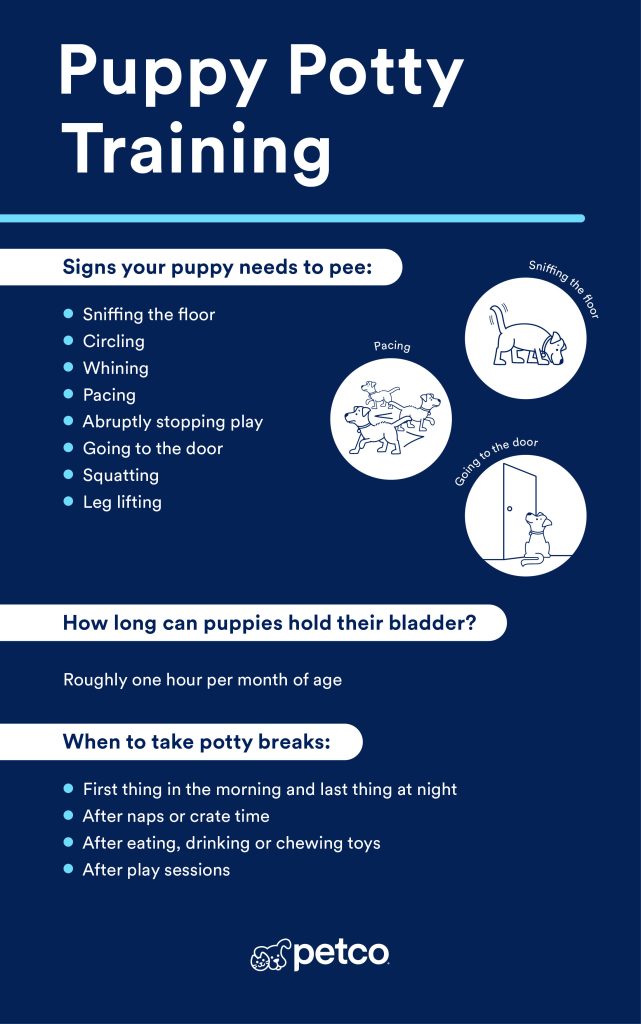
Puppies need to go outside often to avoid accidents. Adult dogs can wait longer between breaks. The number of breaks depends on your dog’s age and size.
- Puppies under three months: every hour or two
- Dogs three to six months: every three to four hours
- Dogs over six months: every four to six hours
Timing After Meals And Play
Dogs usually need to go after eating or playing. These activities stimulate their bladder and bowels. Watch your dog closely at these times.
| Activity | Time to Take Outside |
| After Eating | 10 to 15 minutes later |
| After Drinking Water | 15 to 20 minutes later |
| After Playtime | Immediately or within 10 minutes |
Adjusting Schedule As Dog Grows
Your dog’s needs change as it grows. You can give longer times between breaks as your dog matures. Watch for signs your dog needs to go outside.
Signs your dog needs a bathroom break:
- Sniffing around
- Circling or pacing
- Whining or barking
- Standing by the door

Credit: myloyalhound.com
Common Challenges And Solutions
Potty training your dog can bring many challenges. Some dogs take longer to learn than others.
Knowing common problems helps you stay calm and find the right solutions.
Accidents In The House
Accidents happen even with the best training. They can be caused by confusion or medical issues.
- Keep a regular schedule for bathroom breaks.
- Use positive praise when your dog goes outside.
- Clean accidents with enzyme cleaners to remove smell.
- Watch for signs your dog needs to go out.
Dealing With Stubborn Behavior
Some dogs resist potty training. Stubbornness may come from fear or past habits.
| Challenge | Solution |
|---|---|
| Dog ignores commands | Use short, clear words and consistent signals. |
| Dog plays instead of going | Take them outside at set times and keep sessions short. |
| Dog scared to go outside | Make outside safe and calm with treats and praise. |
Handling Regression
Dogs sometimes start having accidents after being trained. This is called regression.
- Look for health issues by visiting a vet.
- Return to the basic training routine.
- Give extra attention and patience.
- Keep a close eye on your dog’s behavior.
Tools And Supplies To Help
Potty training your dog takes time and patience. Using the right tools can make the process easier.
Having the right supplies helps your dog learn faster and keeps your home clean.
Choosing The Right Crate
A crate is a useful tool for potty training. It gives your dog a safe space to stay when unsupervised.
Pick a crate that is just big enough for your dog to stand, turn, and lie down. Too big a crate may lead to accidents.
- Choose a crate with good ventilation
- Look for one with easy-to-clean materials
- Consider a crate with dividers to adjust size
- Make sure it has a secure door latch
Cleaning Products For Accidents
Accidents happen during potty training. Use the right cleaning products to remove stains and odors.
Enzyme cleaners are best because they break down the smell that attracts dogs to pee again in the same spot.
- Choose enzyme-based cleaners
- Avoid ammonia or bleach cleaners
- Test cleaners on a small area first
- Clean accidents quickly to prevent repeat behavior
Training Pads And Accessories
Training pads are helpful for indoor potty training. They absorb urine and protect floors.
Use accessories like pad holders or trays to keep pads in place and avoid messes.
- Choose pads that absorb well and control odor
- Use pad holders to keep pads flat
- Change pads often to keep the area clean
- Place pads in a consistent spot for your dog
Credit: medium.com
Signs Of Successful Training
Potty training your dog takes patience and time. Knowing the signs of success helps you see progress. It shows your dog is learning good habits.
Look for clear behavior changes that mean your dog understands where to go. This guide covers how to recognize these signs and keep good habits going.
Recognizing When Your Dog Is Trained
A trained dog will show certain behaviors that mean they know where and when to potty. You can watch for these signs daily to track their progress.
- Your dog waits by the door when it needs to go out.
- It goes potty outside without accidents inside the house.
- Your dog signals you with a bark or whine to go out.
- They follow a routine and go potty at regular times.
- The dog recovers quickly from mistakes and tries to do better.
Maintaining Good Habits Long Term
Keeping your dog potty trained means sticking to routines and rewards. Consistency helps your dog stay on track for years to come.
| Action | Why It Helps |
| Take your dog out at the same times every day | Builds a strong routine |
| Reward your dog with praise or treats | Encourages good behavior |
| Clean accidents quickly and calmly | Prevents repeat mistakes |
| Watch for signs your dog needs to go | Stops accidents early |
| Be patient and consistent | Supports long-term success |
Frequently Asked Questions
When Can Puppies Start Potty Training?
Puppies can begin potty training around 8 weeks old. At this age, they develop basic bladder control. Consistency and patience are key for successful training.
How Long Does Dog Potty Training Usually Take?
Most dogs learn potty training within 4 to 6 months. The time varies based on breed, age, and training methods. Regular routines speed up the process.
What Signs Show My Dog Is Ready For Potty Training?
Look for signs like staying dry longer and showing interest in going outside. Your dog may also signal when needing to relieve itself.
Can Adult Dogs Be Potty Trained Successfully?
Yes, adult dogs can be potty trained. Training requires consistency, positive reinforcement, and patience. Older dogs might take longer but can learn well.
Conclusion
Starting potty training early helps your dog learn faster. Most puppies can begin between 8 to 12 weeks old. Be patient and consistent with your training routine. Use positive rewards when your dog goes in the right place. Expect accidents; they are part of the process.
Remember, every dog is different and learns at its own pace. Keep your training simple and clear for best results. Soon, your dog will understand where to go. Potty training builds a strong bond with your pet. Stay calm and enjoy this important time together.

Emily Barker is the founder of ChillDogLife.com, a space dedicated to helping pup parents discover the best dog products, lifestyle tips, and cozy ideas for happier homes.
A lifelong dog lover, Emily combines her passion for pets with a knack for research to share trusted recommendations on everything from toys and furniture to health and everyday care.
Her goal is simple: to make life easier, stylish, and more joyful for dogs and the people who love them.




