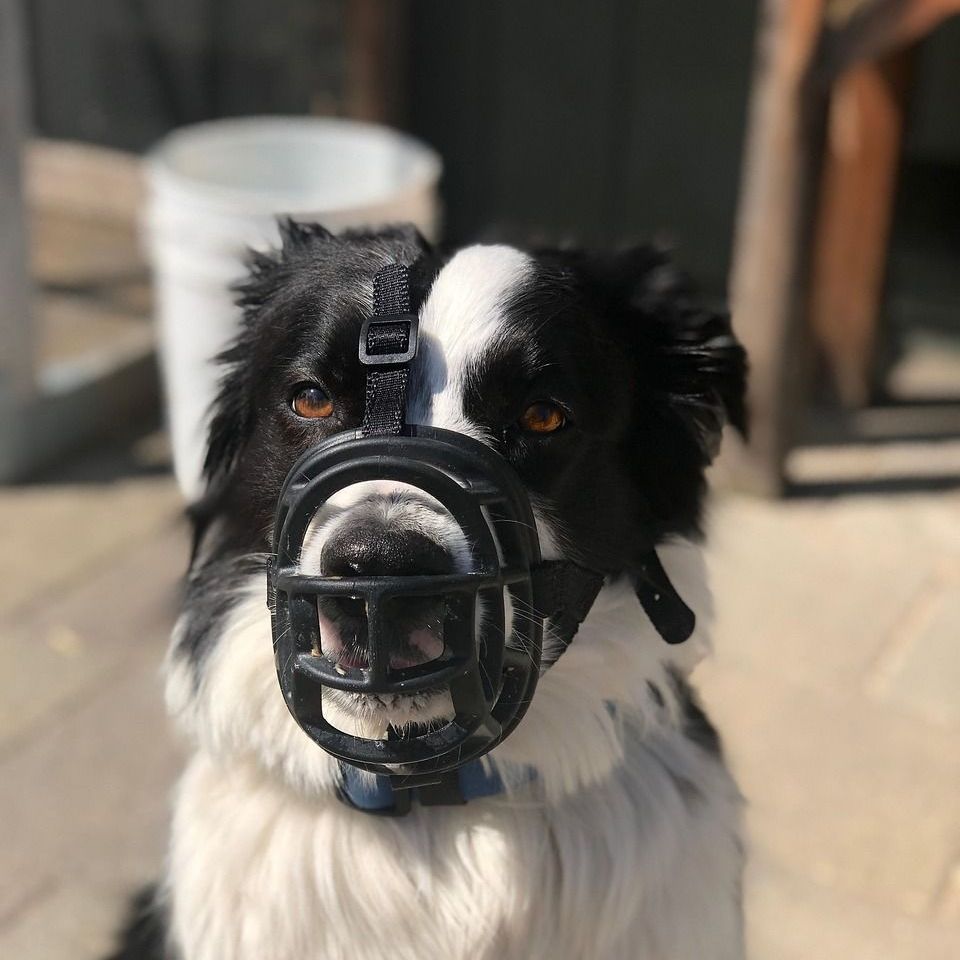
Putting a muzzle on your dog can feel tricky, especially if it’s your first time. You want to keep your furry friend safe and comfortable, but you might worry about how they’ll react or if you’re doing it right.
This guide will show you simple, step-by-step ways to put on a dog muzzle without stress for you or your pet. By the end, you’ll feel confident and ready to handle any situation where a muzzle is needed. Keep reading to learn how to make this process easy and calm for both you and your dog.

Credit: www.padfoot.com.au
Choosing The Right Muzzle
Choosing the right muzzle for your dog is more than just picking the first one you see. It affects your dog’s comfort, safety, and how well the muzzle serves its purpose. Understanding different types, sizes, and materials will help you make a choice that suits your dog’s unique needs.
Types Of Dog Muzzles
There are several types of muzzles designed for different reasons. Basket muzzles allow your dog to breathe and pant freely, which is great for longer wear or active dogs. Soft muzzles are made from fabric and restrict the mouth more, useful for short-term use like vet visits.
Consider what you need the muzzle for. Is it for training, vet visits, or walks? A basket muzzle often works well for most situations because it balances safety and comfort.
Sizing Your Dog Correctly
Getting the right size is crucial. A muzzle that’s too tight can hurt your dog, while one that’s too loose won’t stay on. Measure your dog’s snout length, width, and circumference to find the perfect fit.
Try the muzzle on your dog before buying if possible. Watch how your dog reacts and check if the muzzle allows panting and drinking, especially if you plan to use it for extended periods.
Material Considerations
The material affects both comfort and durability. Leather muzzles look classic and soften over time but require maintenance. Nylon muzzles are lightweight and easy to clean but may cause chafing if not padded well.
Metal basket muzzles are sturdy and long-lasting but can be heavy for smaller dogs. Think about your dog’s behavior and the environment you’ll use the muzzle in before deciding on material.
Preparing Your Dog
Help your dog feel calm by letting them sniff and see the muzzle first. Gently place it near their nose before fitting it on carefully. Praise your dog to create a positive experience.
Preparing your dog for a muzzle is essential. It ensures a smooth and stress-free experience. With patience and understanding, your dog will become comfortable with the muzzle. This process involves introducing the muzzle gradually, using positive reinforcement, and building comfort and trust.Introducing The Muzzle Gradually
Start by showing the muzzle to your dog. Let them sniff and explore it. This helps them get familiar with the new object. Don’t rush this step. Allow your dog ample time to adjust to seeing and smelling the muzzle.Using Positive Reinforcement
Use treats to create a positive association with the muzzle. Whenever your dog interacts with it, reward them with a treat. Praise their curiosity and bravery. Keep the sessions short and positive. This encourages your dog to view the muzzle positively.Building Comfort And Trust
Place treats inside the muzzle to encourage your dog to put their nose in. Let them retrieve the treat themselves. Gradually increase the time they have their nose in the muzzle. With each success, offer praise and more treats. This builds trust and comfort around the muzzle.Step-by-step Muzzle Application
Putting on a dog muzzle can feel challenging at first, but breaking it down into clear steps makes the process smoother for both you and your dog. The key is to approach your dog with calmness, position the muzzle correctly, and secure it safely without causing discomfort. Let’s walk through each part carefully to help you build trust and make muzzle application a positive experience.
Approaching Your Dog Calmly
Your dog senses your energy, so staying calm is crucial. Approach your dog slowly and speak in a soft, reassuring voice. Avoid sudden movements that might startle them or make them anxious.
Try to offer a treat or a favorite toy before you even bring out the muzzle. This creates a positive association. Have you noticed how your dog responds better when you’re relaxed? That’s no coincidence.
Positioning The Muzzle Properly
Hold the muzzle open and gently guide it toward your dog’s snout. Make sure the muzzle fits comfortably—snug but not tight. It should allow your dog to pant and breathe easily.
Check that the muzzle covers the nose but doesn’t press too hard on the eyes or mouth. If your dog pulls back, pause and try again after a moment. Patience here helps your dog accept the muzzle without stress.
Securing The Straps Safely
Once the muzzle is in place, fasten the straps behind your dog’s head. Adjust them so they’re secure but not choking. You should be able to fit one or two fingers between the strap and your dog’s skin.
Double-check the fit by observing your dog’s behavior. If they paw at the muzzle or seem distressed, loosen the straps slightly. How often do you check the fit during walks or vet visits? Making this a habit keeps your dog safe and comfortable.

Credit: www.youtube.com
Tips For Keeping Your Dog Calm
Keeping your dog calm while putting on a muzzle is essential for a smooth experience. A relaxed dog is more likely to accept the muzzle without resistance. Your approach can make a big difference in how your dog feels during this process.
Distraction Techniques
Use toys or treats to divert your dog’s attention. Offering a favorite chew or a puzzle toy can keep their focus away from the muzzle. Try talking to your dog softly or gently petting them to create a soothing environment.
Sometimes, playing a short game before putting the muzzle on helps burn off excess energy. Have you noticed how your dog reacts to a quick play session before wearing the muzzle?
Rewarding Good Behavior
Positive reinforcement builds trust. Give your dog treats or praise immediately after they allow you to approach with the muzzle. This helps your dog associate the muzzle with positive experiences, reducing fear or anxiety.
Make the rewards consistent and timely. Even small gestures like a calm voice or a gentle scratch behind the ears can encourage cooperation. What kind of reward does your dog respond to best?
Monitoring Your Dog’s Reaction
Watch your dog closely for signs of stress, like panting, yawning, or avoiding eye contact. If your dog seems uncomfortable, pause and give them a break before trying again. Adjust your technique based on their reactions.
Keeping a calm and patient attitude yourself can influence your dog’s mood. Have you tried stepping back to let your dog settle before attempting to put the muzzle on again?
Common Mistakes To Avoid
Putting a muzzle on a dog needs care and patience. Many dog owners make simple mistakes that cause stress to their pets. Avoiding these errors helps keep your dog calm and safe. Here are some common mistakes to watch out for.
Forcing The Muzzle On
Forcing a muzzle causes fear and resistance in dogs. Push gently and let your dog adjust. Use treats to create a positive experience. Forcing can lead to biting or stress. Patience is key to a smooth process.
Using The Wrong Size
Choosing the wrong size muzzle harms your dog’s comfort. Too tight can cause pain and injury. Too loose allows the dog to slip out. Measure your dog’s snout carefully before buying. A proper fit ensures safety and comfort.
Leaving The Muzzle On Too Long
Leaving the muzzle on for a long time causes discomfort. Dogs need to pant, drink, and breathe freely. Use the muzzle only for short periods. Check your dog often and remove the muzzle if stressed. Balance safety with your dog’s well-being.

Credit: www.youtube.com
When To Use A Muzzle
Knowing when to use a muzzle can make a big difference in keeping your dog safe and comfortable. A muzzle isn’t just for aggressive dogs; it’s a helpful tool in specific situations where your pet might feel stressed or act unpredictably. Understanding these moments helps you decide when to put on a muzzle without causing unnecessary worry for your dog.
Veterinary Visits
Veterinary visits can be stressful for many dogs. The unfamiliar smells, sounds, and handling can make your dog nervous or defensive.
Using a muzzle during vet visits protects both your pet and the staff. It prevents biting if your dog reacts suddenly to pain or discomfort. Have you noticed your dog tensing up at the vet? A muzzle can calm the situation and keep everyone safe.
Grooming Sessions
Groomers often need to handle sensitive areas like paws, ears, and tails. Some dogs don’t enjoy this and may try to snap or bite.
A muzzle during grooming helps your dog get through the session without stress. It’s especially useful if your dog is not used to grooming or has had a bad experience before. Think about your dog’s past grooming reactions—could a muzzle have made the experience smoother?
During Training Or Walks
Training and walks are great chances to work on behavior, but they can also be unpredictable. Your dog might encounter other animals or people who make them anxious or reactive.
Using a muzzle during these times can prevent bites if your dog suddenly feels threatened. It also gives you peace of mind to focus on training without fear. Have you ever faced a situation on a walk that made you worry about your dog’s reaction? A muzzle might be the practical solution you need.
Frequently Asked Questions
How Do I Properly Fit A Dog Muzzle?
Measure your dog’s snout length and width before buying a muzzle. Adjust straps for a snug, comfortable fit. Ensure your dog can pant and drink while wearing it.
When Should I Use A Dog Muzzle?
Use a muzzle during vet visits, grooming, or in stressful situations. It helps prevent biting and keeps everyone safe. Only use muzzles temporarily and never as punishment.
How Can I Train My Dog To Wear A Muzzle?
Start by letting your dog sniff the muzzle. Reward calm behavior with treats. Gradually increase wearing time until your dog accepts it comfortably.
Are All Muzzles Safe For Dogs?
No, choose muzzles that allow panting and drinking. Basket muzzles are often safer than fabric ones. Always supervise your dog while muzzled.
Conclusion
Putting on a dog muzzle takes patience and care. Start slow and let your dog get used to it. Always check for comfort and safety. Practice in short sessions to build trust. A good fit keeps your dog calm and secure.
Remember, the muzzle is a tool, not a punishment. Use it kindly and watch your dog stay safe. This simple step helps protect both your dog and others around. Keep practicing, and it will become easier every time.

Emily Barker is the founder of ChillDogLife.com, a space dedicated to helping pup parents discover the best dog products, lifestyle tips, and cozy ideas for happier homes.
A lifelong dog lover, Emily combines her passion for pets with a knack for research to share trusted recommendations on everything from toys and furniture to health and everyday care.
Her goal is simple: to make life easier, stylish, and more joyful for dogs and the people who love them.




