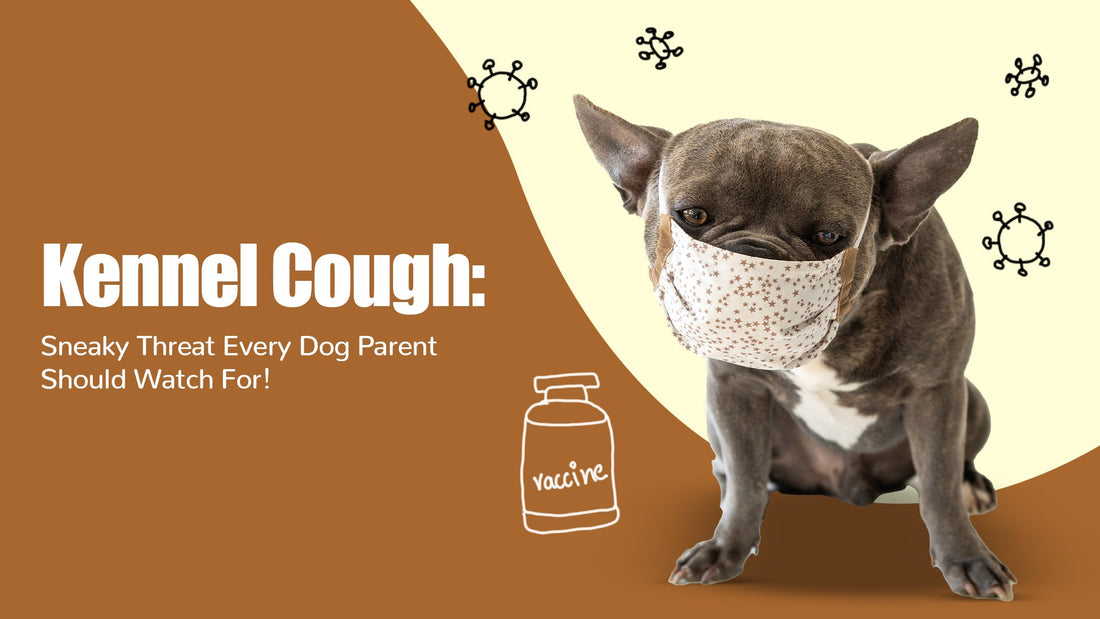
Is your dog coughing more than usual? You might be wondering if it’s just a cold or something more serious like kennel cough.
This common but contagious illness can make your furry friend uncomfortable and restless. Knowing the signs early can help you get your dog the care they need fast. You’ll learn how to spot kennel cough, what symptoms to watch for, and when to see a vet.
Keep reading to protect your dog’s health and keep their tail wagging happily!
Credit: zigly.com
What Is Kennel Cough
Kennel cough is a common illness in dogs. It affects their respiratory system and causes a harsh cough. This infection spreads quickly, especially in places where many dogs gather. Understanding kennel cough helps you protect your dog and notice symptoms early.
What Causes Kennel Cough
Kennel cough is caused by different germs. The main culprits are bacteria and viruses. These germs infect the dog’s throat and windpipe. The infection irritates these areas and leads to coughing.
The infection spreads through the air and direct contact. Dogs catch it by breathing in droplets from coughing dogs. It can also spread through shared water bowls or toys. Places like kennels, dog parks, and grooming centers are common spots for spread.
Who Is At Risk
Any dog can get kennel cough. Puppies and older dogs have a higher risk. Dogs in close contact with many others catch it more easily. Dogs with weak immune systems are also more vulnerable.

Credit: www.rover.com
Common Symptoms To Watch For
Recognizing the signs of kennel cough early can make a big difference in how quickly your dog recovers. You don’t want to miss subtle changes that might seem minor but actually signal your dog needs a vet’s attention. Watch carefully for these common symptoms to know if your furry friend might be dealing with kennel cough.
Dry Hacking Cough
A dry, persistent cough is the hallmark of kennel cough. It often sounds harsh and can seem like your dog is trying to clear something stuck in their throat.
You might notice your dog coughing more after exercise or excitement. If the cough lasts more than a few days, it’s time to pay closer attention.
Sneezing And Nasal Discharge
Sneezing is another symptom that often accompanies kennel cough. It’s your dog’s way of trying to clear their irritated airways.
Look for any unusual nasal discharge. Clear or slightly cloudy discharge is common, but yellow or green mucus could indicate a more serious infection.
Lethargy And Reduced Appetite
Dogs with kennel cough may show less energy than usual. They might want to rest more and play less.
You may also notice your dog eating less. Even a slight drop in appetite can suggest they’re not feeling well and need care.
How Kennel Cough Spreads
Kennel cough spreads quickly among dogs. It is a highly contagious respiratory infection. Understanding how it spreads helps protect your dog from catching it.
Contact With Infected Dogs
Direct contact with infected dogs is the main way kennel cough spreads. Dogs sharing close spaces can easily pass the infection. Sneezing, coughing, or nose-to-nose touching spreads germs fast. Even a quick sniff can transmit the bacteria or virus.
Playdates, dog parks, and kennels are common spots for infection. Dogs with kennel cough may not show symptoms immediately. This makes it hard to know if a dog is sick. Always watch for signs of illness in dogs around your pet.
Contaminated Environments
Kennel cough germs can live on surfaces for hours. Shared water bowls, toys, and bedding can carry the infection. Areas like grooming salons and boarding facilities often have many germs. Poorly cleaned spaces increase the risk of spreading kennel cough.
Touching contaminated surfaces and then your dog’s nose or mouth can infect them. Clean and disinfect areas regularly to reduce this risk. Avoid crowded or dirty places where your dog might pick up the germs.
Risk Factors And Vulnerable Dogs
Understanding the risk factors and which dogs are most vulnerable can help you catch kennel cough early. Some dogs are naturally more prone to this contagious respiratory infection. Recognizing these risks can guide you in protecting your furry friend better.
Puppies And Elderly Dogs
Puppies have developing immune systems, making them less able to fight off infections like kennel cough. Their curiosity often leads them to sniff and lick things that carry germs, increasing their exposure.
Elderly dogs face a similar challenge. Aging weakens their immune response, so even a mild infection can hit harder. Have you noticed your older dog coughing more after visiting busy parks or social settings?
Dogs In Boarding Or Daycare
Places where many dogs gather, like boarding kennels or daycare centers, are hotspots for kennel cough. Close contact and shared airspaces allow the bacteria and viruses to spread quickly.
If your dog spends time in these environments, watch for early signs like a dry cough or sneezing. Even vaccinated dogs can catch kennel cough, so staying alert is key.
When To See A Vet
Knowing when to see a vet is crucial for your dog’s health with kennel cough. Many dogs recover at home with rest and care. Some signs need immediate professional attention to avoid complications. Acting on these signs helps prevent serious illness and speeds recovery.
Persistent Or Severe Symptoms
A mild cough may last a few weeks. Watch for symptoms that get worse or do not improve. Persistent coughing that lasts more than two weeks needs a vet check. Severe coughing fits or coughing up blood require urgent care. Loss of appetite and lethargy are also warning signs.
Difficulty Breathing Or High Fever
Labored or fast breathing is a serious symptom. Blue or pale gums show oxygen shortage. High fever above 103°F (39.4°C) signals infection. If your dog is weak and struggles to breathe, visit the vet immediately. Quick treatment can save your dog’s life in these cases.
Credit: www.goodrx.com
Treatment Options And Care
Knowing how to treat kennel cough effectively can make a big difference in your dog’s recovery. Treatment involves both medical help and care you provide at home. Acting quickly not only eases your dog’s discomfort but also helps prevent the infection from spreading.
Medications
Your vet may prescribe antibiotics if they suspect a bacterial infection is causing the cough. Sometimes, cough suppressants help reduce the harshness of the cough, especially if it’s causing your dog distress or disrupting sleep.
Anti-inflammatory drugs can also be useful to reduce throat swelling. Always give medications exactly as directed and never stop treatment early just because symptoms improve. Have you ever noticed how stopping antibiotics too soon can cause problems in humans? It’s the same for dogs.
Home Care Tips
Keep your dog in a calm, warm, and well-ventilated space to support healing. Avoid exposure to smoke, dust, or strong scents that might irritate their throat further.
- Use a humidifier or sit with your dog in a steamy bathroom to ease coughing.
- Encourage plenty of rest to help the immune system fight off the infection.
- Make sure your dog drinks fresh water regularly to stay hydrated.
- Keep your dog isolated from other pets to stop kennel cough from spreading.
Have you tried adjusting your dog’s routine to minimize stress during recovery? Stress can weaken their ability to heal quickly, so a quiet environment really helps.
Preventing Kennel Cough
Preventing kennel cough is essential to keep your dog healthy and avoid stressful vet visits. The contagious nature of this respiratory infection means you need to be proactive. Taking simple steps can drastically reduce the risk your dog faces, especially if they often interact with other dogs.
Vaccination
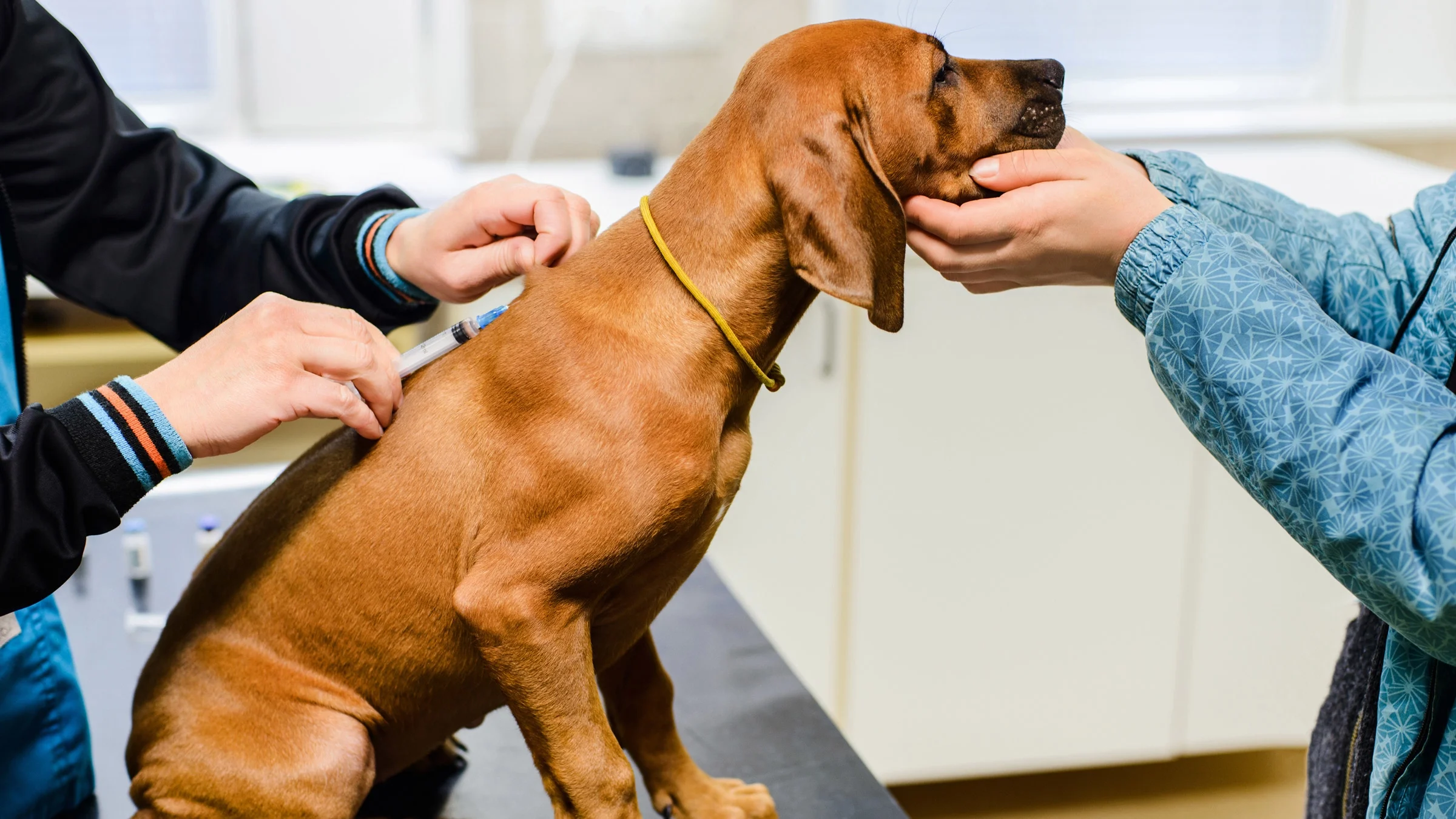
Vaccines are your dog’s first line of defense against kennel cough. Make sure your dog’s vaccinations are up-to-date, especially if they frequent kennels, dog parks, or grooming salons. Vaccines don’t guarantee 100% protection, but they significantly lessen the severity and spread of the disease.
Talk to your vet about the best vaccine schedule for your dog. Some vaccines are nasal sprays that provide quicker immunity. Have you ever noticed how a vaccinated dog bounces back faster? That’s no coincidence.
Hygiene And Isolation Practices
Good hygiene cuts down the chance of kennel cough spreading. Regularly clean your dog’s bedding, toys, and feeding bowls with pet-safe disinfectants. Avoid crowded places during outbreaks to limit exposure.
If your dog shows any signs of coughing or sneezing, keep them isolated from other dogs immediately. Even mild symptoms can be contagious. Have you created a quiet, comfortable space at home for your dog to recover? It can make a huge difference in their healing process.
Frequently Asked Questions
What Are Common Signs Of Kennel Cough In Dogs?
Kennel cough symptoms include a persistent dry cough, sneezing, nasal discharge, and lethargy. Some dogs may also experience a mild fever. If your dog shows these symptoms after being in contact with other dogs, it might be kennel cough. Always consult a vet for an accurate diagnosis and treatment.
How Is Kennel Cough Transmitted Between Dogs?
Kennel cough spreads through airborne droplets, direct contact, or contaminated surfaces. Dogs often catch it in crowded places like kennels, dog parks, or grooming salons. To prevent spreading, isolate an infected dog and avoid shared items. Regular vaccinations can also reduce the risk of contracting kennel cough.
Can Kennel Cough Be Serious For Dogs?
While kennel cough is usually mild, it can become serious in puppies, elderly dogs, or those with weakened immune systems. Complications can include pneumonia if not treated properly. Always monitor your dog’s condition and seek veterinary advice if symptoms worsen or persist beyond a week.
How Long Does Kennel Cough Last In Dogs?
Kennel cough typically lasts one to three weeks. However, mild cases may resolve in a few days. During recovery, keep your dog away from other animals to prevent spreading the infection. If symptoms persist beyond three weeks, consult your veterinarian for further evaluation and possible treatment adjustments.
Conclusion
Recognizing kennel cough early helps your dog heal faster. Watch for coughing, sneezing, or a runny nose. Keep your dog away from crowded places if sick. Clean your dog’s bedding and toys often. Visit the vet if symptoms last more than a few days.
Quick care can prevent serious problems. Protect your dog’s health with simple steps. Stay alert and act fast to keep your dog happy.

Emily Barker is the founder of ChillDogLife.com, a space dedicated to helping pup parents discover the best dog products, lifestyle tips, and cozy ideas for happier homes.
A lifelong dog lover, Emily combines her passion for pets with a knack for research to share trusted recommendations on everything from toys and furniture to health and everyday care.
Her goal is simple: to make life easier, stylish, and more joyful for dogs and the people who love them.




