If your dog starts coughing a lot and seems uncomfortable, you might be worried it has kennel cough. It’s a common problem that can make your furry friend feel miserable.
But don’t panic—there are clear steps you can take to help your dog feel better fast. You’ll learn exactly what kennel cough is, how to spot the signs, and what you need to do right now to protect your dog’s health.
Keep reading to make sure you’re ready to act and keep your pet safe and happy.
Symptoms Of Kennel Cough
Recognizing the symptoms of kennel cough early can make a big difference in how quickly your dog recovers. This contagious respiratory infection often shows up with clear signs that you shouldn’t ignore. Knowing what to look for helps you act fast and keep your furry friend comfortable.
Common Signs To Watch For
One of the most obvious signs is a persistent, dry cough that sounds like a honking goose. You might notice your dog coughing more when excited or pulling on the leash. Other symptoms can include:
- Runny nose or sneezing
- Watery or red eyes
- Loss of appetite or slight lethargy
- Occasional gagging or retching
Sometimes, your dog might seem fine except for that annoying cough. This can trick you into thinking it’s just a minor throat irritation. Have you ever thought about how easily kennel cough can be mistaken for something less serious?
When Symptoms Worsen
Pay close attention if the cough becomes more frequent, harsh, or if your dog starts to struggle with breathing. A high fever, nasal discharge that’s thick or yellow-green, and increased fatigue are red flags. These signs suggest the infection might be turning into something more serious, like pneumonia.
If you notice your dog refusing to eat or drink, or if they seem unusually weak, it’s time to contact your vet immediately. Sometimes, kennel cough can spiral quickly, especially in puppies or older dogs. Don’t wait—early intervention can prevent complications and speed up recovery.
Credit: www.lilyskitchen.co.uk
Immediate Care Steps
Knowing the immediate care steps after your dog shows signs of kennel cough can make a big difference in their recovery. You want to act quickly to ease their discomfort and prevent the illness from spreading. These practical actions can help your dog feel better and keep everyone safe.
Isolate Your Dog
Keeping your dog away from other pets is crucial. Kennel cough spreads easily through the air and close contact. Set up a separate space where your dog can rest without coming into contact with others.
Think about where your dog spends most of their time. Could you create a cozy corner in a quieter room? Limiting exposure helps protect your other pets and gives your dog the chance to heal without added stress.
Provide A Comfortable Environment
Your dog needs a calm and warm place to rest. Avoid drafts and loud noises that could irritate their cough. Soft bedding and gentle lighting can make a big difference in how they feel.
Have you noticed how your dog responds to different environments? Some dogs perk up with a little background noise, while others need silence to relax. Adjust the space to what seems to soothe your dog the most.
Ensure Proper Hydration
Hydration is key when your dog has kennel cough. Drinking water helps thin mucus and soothes the throat. Offer fresh water frequently and encourage your dog to drink, but don’t force them.
If your dog isn’t drinking enough, try adding a bit of low-sodium broth to their water. You can also offer ice cubes as a fun way to increase fluid intake. Staying hydrated supports their immune system and speeds up recovery.
Home Remedies For Relief
When your dog has kennel cough, finding ways to ease their discomfort at home can make a big difference. While always consulting your vet is crucial, certain home remedies can provide relief and support your dog’s recovery. These simple approaches focus on soothing symptoms and creating a comfortable environment for your furry friend.
Using Honey And Warm Water
Honey is a natural soother for your dog’s throat. Mixing a small amount of honey with warm water can help calm coughing spells and reduce irritation.
Offer your dog a teaspoon of this mixture a few times a day, but never give honey to puppies under one year old. Have you noticed how a little sweetness can calm your pet’s cough? This gentle remedy often works better than you might expect.
Humidifying The Air
Dry air can make coughing worse. Using a humidifier in the room where your dog rests adds moisture to the air and helps ease breathing.
If you don’t have a humidifier, sitting with your dog in a steamy bathroom for 10-15 minutes can provide similar relief. Have you tried this simple trick to help your dog breathe easier?
Avoiding Irritants
Smoke, strong perfumes, and dust can irritate your dog’s sensitive respiratory system. Keep your home free from these triggers during your dog’s recovery.
Also, avoid taking your dog to places with heavy pollution or crowds where they could be exposed to other infections. How often do you think about the air quality around your pet?
Credit: zigly.com
When To Visit The Vet
Knowing when to visit the vet is crucial for your dog’s health. Kennel cough often clears up on its own. Still, some signs show your dog needs professional care. Early vet visits can prevent serious problems. Your dog’s comfort and recovery depend on timely treatment.
Signs Needing Professional Attention
- Persistent coughing lasting more than two weeks
- Difficulty breathing or rapid breathing
- High fever above 103°F (39.4°C)
- Loss of appetite or refusal to eat
- Severe lethargy or weakness
- Wheezing or harsh cough sounds
- Coughing up blood or unusual discharge
- Swelling around the throat or neck
Watch closely for these signs. They mean your dog needs a vet’s care quickly.
Possible Treatments And Medications
The vet may prescribe antibiotics if a bacterial infection is present. Cough suppressants can help reduce discomfort. In some cases, anti-inflammatory drugs are given to ease throat irritation.
For dogs with breathing trouble, oxygen therapy might be needed. Hydration and rest remain important parts of care. Your vet will guide you on the best treatment plan. Follow all instructions carefully for a smooth recovery.
Preventing Kennel Cough
Preventing kennel cough is key to keeping dogs healthy. This contagious respiratory infection spreads easily in places where dogs gather. Taking simple steps helps reduce the risk of infection and keeps your dog safe.
Vaccination Options
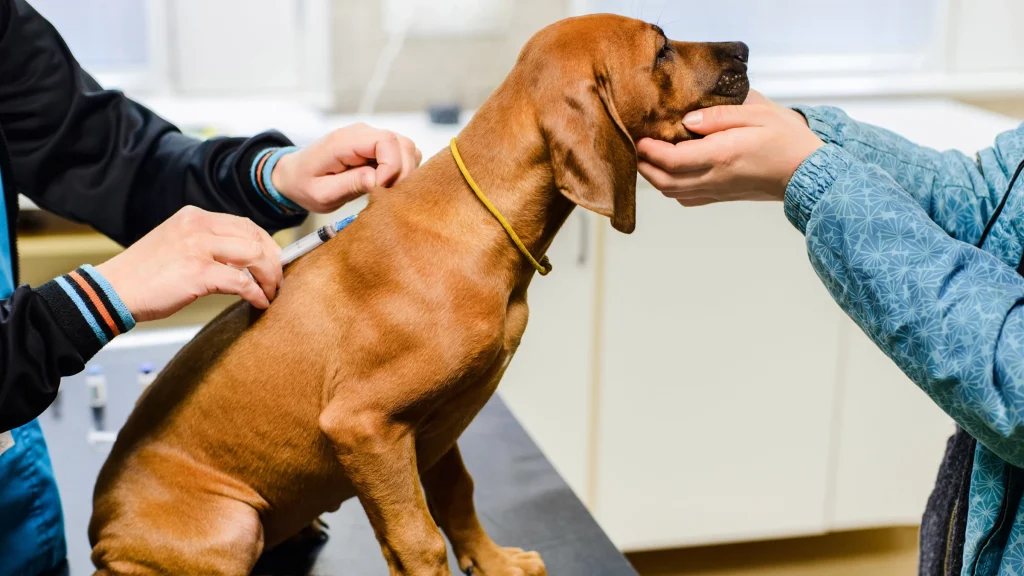
Vaccines protect dogs from common strains of kennel cough. Talk to your vet about the best vaccine for your dog. Some vaccines are given as a nasal spray for quick protection. Others are injections that build long-term immunity. Vaccination lowers the chance your dog will catch or spread the cough.
Safe Socialization Practices
Social time is important but requires caution. Avoid crowded dog parks or kennels during outbreaks. Let new dogs meet in open, well-ventilated areas. Watch for signs of illness in other dogs before allowing play. Keep your dog’s contacts healthy to prevent transmission.
Maintaining Clean Environments
Clean spaces reduce germs that cause kennel cough. Regularly disinfect your dog’s bedding, toys, and feeding bowls. Clean floors and surfaces in kennels or play areas often. Good air flow helps clear airborne bacteria and viruses. A clean environment supports your dog’s respiratory health.

Credit: www.rover.com
Frequently Asked Questions
What Are The Symptoms Of Kennel Cough?
Kennel cough symptoms include a persistent dry cough, sneezing, and runny nose. Your dog may also experience lethargy and a reduced appetite. In some cases, they might have a mild fever. It’s important to monitor these symptoms and consult a veterinarian for proper diagnosis and treatment.
How Is Kennel Cough Transmitted?
Kennel cough spreads through airborne droplets when an infected dog coughs or sneezes. It can also spread through direct contact with contaminated surfaces or other dogs. Ensuring your dog is vaccinated and avoiding crowded places can help prevent transmission.
How Can I Treat My Dog’s Kennel Cough At Home?
Ensure your dog gets plenty of rest and stays hydrated. Use a humidifier to ease their breathing. Avoid using collars that put pressure on their throat. If symptoms persist or worsen, consult a veterinarian for appropriate treatment.
Can Kennel Cough Be Prevented With Vaccination?
Yes, kennel cough can be prevented with the Bordetella vaccine. This vaccine reduces the risk of infection and severity of symptoms. It’s especially important for dogs frequently exposed to other dogs in kennels, parks, or daycare facilities.
Conclusion
Caring for a dog with kennel cough takes patience and attention. Keep your dog calm and rested to help healing. Watch for signs that need a vet’s care. Clean your dog’s space often to stop spread. Give medicine exactly as the vet says.
With proper care, your dog will feel better soon. Remember, early action helps your pet recover fast. Stay calm, stay kind, and keep your dog comfortable.

Emily Barker is the founder of ChillDogLife.com, a space dedicated to helping pup parents discover the best dog products, lifestyle tips, and cozy ideas for happier homes.
A lifelong dog lover, Emily combines her passion for pets with a knack for research to share trusted recommendations on everything from toys and furniture to health and everyday care.
Her goal is simple: to make life easier, stylish, and more joyful for dogs and the people who love them.




