
Are you tired of a stray dog wandering into your yard and causing trouble? It can be frustrating and even unsafe to have an unfamiliar animal roaming around your property.
You want to protect your space without hurting the dog or creating more problems. You’ll discover simple, effective ways to keep stray dogs out of your yard. By the end, you’ll feel confident and ready to create a safe, peaceful environment for you and your family.
Keep reading to find out how easy it can be!
Credit: www.walmart.com
Reasons Stray Dogs Enter Yards
Stray dogs often wander into yards for specific reasons that relate to their basic needs and instincts. Understanding why they come onto your property can help you take effective steps to keep them away. Let’s look at the main causes that draw these animals into your space.
Attracted By Food And Shelter
Stray dogs are naturally drawn to places where they can find food easily. If you leave pet food outside or have garbage bins without secure lids, it acts like a beacon for hungry strays.
Additionally, any sheltered spot like a porch or a pile of wood offers a safe resting place. You might have unintentionally created a cozy hideout that invites them in.
Seeking Safety And Comfort
Stray dogs often look for quiet and secure areas to escape harsh weather or threats. Your yard might seem like a refuge if it has less noise and fewer people than the street.
Have you noticed them hiding under your deck or bushes during storms? That’s a clear sign they view your yard as a safe zone.
Territorial Behavior
Sometimes, stray dogs enter yards out of territorial instincts. They may be marking boundaries or checking for other animals that could be rivals or threats.
Dogs communicate a lot through scent and presence. If you see signs like paw prints or chew marks, it could mean a stray is testing your yard’s limits.

Credit: www.amazon.com
Physical Barriers To Block Entry
Keeping stray dogs out of your yard starts with creating strong physical barriers. These barriers serve as the first line of defense, making your property less accessible and less appealing. Simple yet effective measures can protect your space without causing harm to the animals.
Installing Fencing And Gates
A solid fence is one of the most straightforward ways to block stray dogs from entering your yard. Choose a fence that is at least 4 feet high and made of durable material like wood, metal, or vinyl. Make sure there are no gaps or holes where a dog could squeeze through or dig under.
Gates should close securely and fit tightly within the frame. Adding a lock or latch can prevent accidental openings. Have you checked recently if your existing fence or gate has weak spots? Fixing these can be a game-changer in keeping unwanted visitors out.
Using Motion-activated Sprinklers
Motion-activated sprinklers are a humane and surprising way to deter stray dogs. When the sprinkler detects movement, it sprays a quick burst of water, which most dogs dislike. This startles them without causing harm and teaches them to avoid your yard.
These devices are energy-efficient and can cover large areas. You can even adjust sensitivity and spray distance to suit your yard’s layout. Have you tried this approach? Many find it effective because it doesn’t require constant supervision.
Adding Thorny Plants Or Shrubs
Planting thorny bushes near fence lines or common entry points discourages dogs from pushing through. Plants like roses, hawthorn, or barberry create a natural barrier that’s uncomfortable for animals to cross. This also adds greenery and beauty to your yard while serving a practical purpose.
Place these plants strategically where stray dogs tend to enter. Remember to maintain them well so they stay dense and effective. Could your garden use a protective yet attractive upgrade like this?
Deterrents To Discourage Visits
Deterrents help keep stray dogs away without causing harm. They create an environment that dogs find unpleasant. This encourages them to stay away from your yard. Choosing the right deterrent depends on your yard’s setup and your preferences.
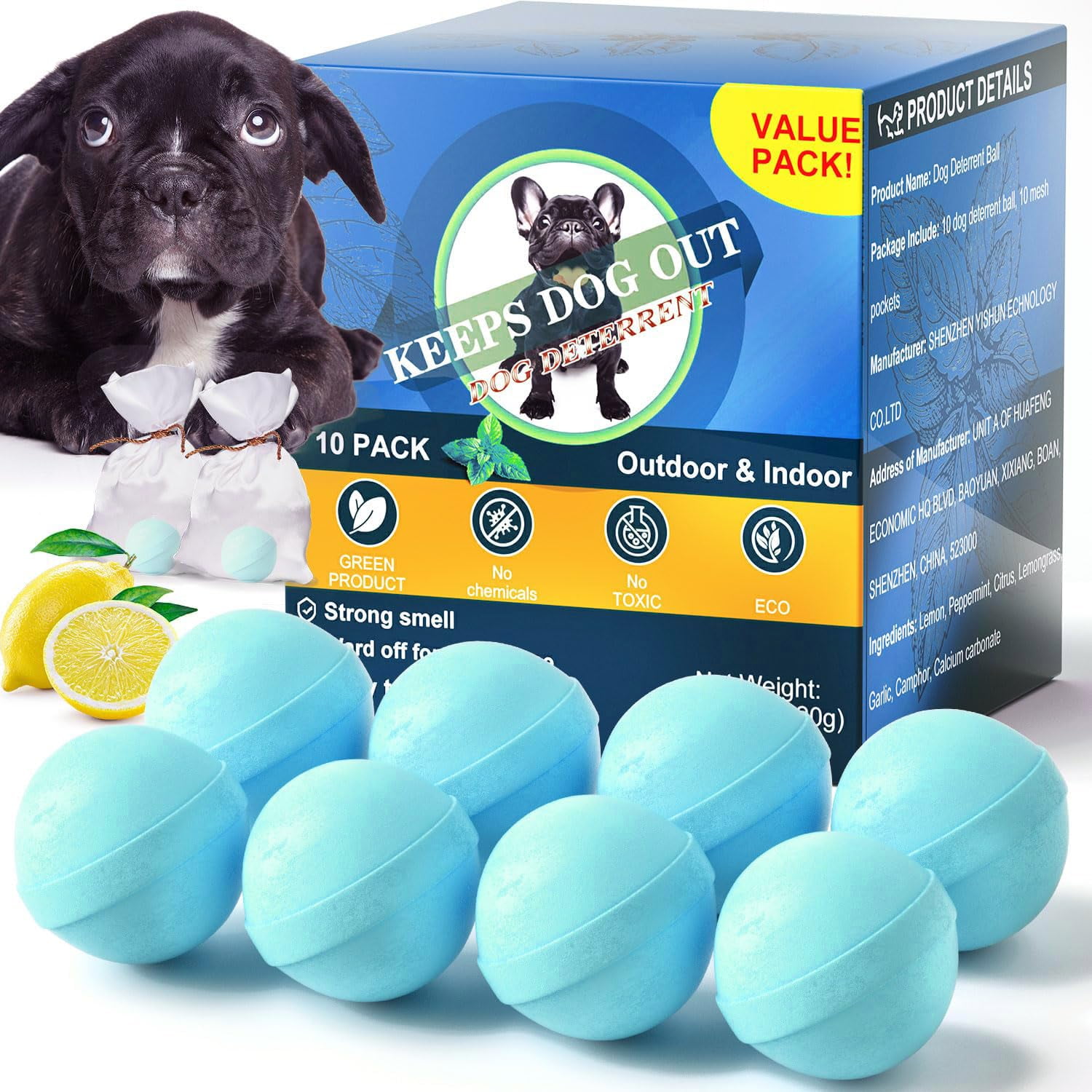
Applying Natural Repellents
Natural repellents use smells that dogs dislike. They are safe for pets and plants. Common options include:
- Vinegar sprayed around the yard’s edges
- Citrus peels scattered near entry points
- Essential oils like eucalyptus or peppermint
These scents discourage dogs from entering your yard. Reapply after rain or watering to keep them effective.
Using Ultrasonic Devices
Ultrasonic devices emit high-frequency sounds. Dogs hear these sounds, but humans do not. The noise is uncomfortable for dogs, so they avoid the area. These devices are easy to install and operate automatically. Place them near gates or common entry spots for best results.
Maintaining Yard Cleanliness
Clean yards attract fewer stray dogs. Remove food scraps, garbage, and pet waste regularly. Secure trash bins with tight lids. Keep your yard free of clutter and hiding spots. Well-kept spaces do not invite stray dogs to linger.
Behavioral Strategies
Behavioral strategies help keep stray dogs away by changing their habits. These methods focus on discouraging stray dogs from visiting your yard through actions and environment changes. They are safe, humane, and often effective over time. Consistency is key to see results.
Avoiding Feeding Stray Dogs
Feeding stray dogs attracts them to your yard. Even small amounts of food keep them coming back. Remove all food sources outside, including pet food left overnight. Secure trash cans to avoid easy access. Avoid feeding neighbors’ strays to reduce local dog gatherings.
Training Your Pets To Guard
Pets can act as natural protectors of your yard. Teach dogs to bark at strangers or unknown animals. Use positive rewards to encourage alert behavior. Train pets to stay near yard boundaries. Their presence alone can deter stray dogs from entering.
Creating Uncomfortable Noise
Stray dogs dislike sudden, loud sounds. Use noise makers like wind chimes or motion-activated alarms. Avoid continuous noise that may annoy neighbors. Sounds startle strays and make your yard less inviting. Adjust noise levels for effectiveness without causing disturbance.
When To Seek Professional Help
Sometimes, stray dogs in your yard need more than simple deterrents. Professional help can ensure safety for both you and the animal. Knowing when to seek experts is important. It saves time and avoids risks. Signs to watch for include aggressive behavior, injury, or repeated visits despite your efforts.
Contacting Animal Control
Animal control officers handle stray animals safely and legally. They have tools to capture and care for dogs. Contact them if the dog seems dangerous or sick. They can remove the animal without harm to you or the dog. Animal control also checks if the dog has a microchip or owner.
Working With Local Shelters
Local shelters often take in stray dogs. They provide food, shelter, and medical care. Shelters help find lost dogs’ owners or new homes. Reach out if the dog appears lost or injured but not aggressive. Shelters can also advise on humane ways to keep strays away.
Legal Considerations
Handling stray dogs involves legal responsibilities. Laws vary by location about feeding or detaining strays. Some areas require reporting strays to authorities. Know your local rules to avoid fines or legal trouble. Professionals like animal control understand and follow these laws strictly.

Credit: www.wikihow.com
Frequently Asked Questions
How To Deter Stray Dogs From Your Yard?
To deter stray dogs, install a secure fence and use motion-activated sprinklers. Apply natural deterrents like vinegar or citrus peels. Keep trash secured and remove food sources. Train your pets not to interact with strays. Consistently maintain your yard to make it less appealing to stray dogs.
What Smells Keep Stray Dogs Away?
Certain smells naturally deter dogs, such as vinegar, citrus, and ammonia. Dogs dislike the strong scents of garlic and chili powder too. Use these around your yard’s perimeter. These natural repellents are safe and non-toxic, providing an effective solution to keep stray dogs away from your property.
Are Motion-activated Sprinklers Effective Against Stray Dogs?
Yes, motion-activated sprinklers are effective for deterring stray dogs. They release a sudden burst of water, startling dogs without harming them. This discourages repeated visits. These sprinklers are humane, eco-friendly, and can cover large areas. Adjust the sensitivity to ensure it activates only when needed.
Can Ultrasonic Devices Repel Stray Dogs?
Ultrasonic devices can effectively repel stray dogs by emitting high-frequency sounds. These sounds are inaudible to humans but unpleasant to dogs. They deter dogs without causing harm. Ensure the device is placed strategically for maximum coverage. Regularly check its battery or power source for consistent operation.
Conclusion
Keeping a stray dog out of your yard takes patience and care. Use simple barriers and remove food sources. Clean your yard and keep gates closed. These small steps help create a safe space. Remember, stray dogs often search for shelter or food.
Respect their needs but protect your property. With consistent effort, your yard stays stray-free. Stay calm and steady. Your peaceful yard is worth it.

Emily Barker is the founder of ChillDogLife.com, a space dedicated to helping pup parents discover the best dog products, lifestyle tips, and cozy ideas for happier homes.
A lifelong dog lover, Emily combines her passion for pets with a knack for research to share trusted recommendations on everything from toys and furniture to health and everyday care.
Her goal is simple: to make life easier, stylish, and more joyful for dogs and the people who love them.




