
If your dog has kennel cough, you want to help them feel better fast. You might be wondering what to give your dog to ease their cough and speed up recovery.
Kennel cough can be tough to watch, but the right care can make a big difference. You’ll find simple, effective options to soothe your dog’s throat and keep them comfortable. Keep reading to discover how you can support your furry friend through this annoying illness.
Symptoms Of Kennel Cough
Recognizing the symptoms of kennel cough early can make a big difference in how quickly your dog recovers. This contagious respiratory infection spreads easily among dogs, especially in places like kennels or dog parks. Knowing what to watch for helps you act fast and keep your furry friend comfortable.
Common Signs To Watch
- Persistent Coughing:A dry, hacking cough that sounds like something stuck in your dog’s throat is the most common symptom.
- Gagging or Retching:Sometimes coughing leads to gagging or vomiting, especially after heavy activity or excitement.
- Runny Nose and Eyes:Mild nasal discharge or watery eyes can appear alongside the cough.
- Lethargy:Your dog might seem more tired or less playful than usual.
- Loss of Appetite:A decrease in eating is common, as the cough can make swallowing uncomfortable.
Have you noticed your dog suddenly coughing after a visit to the dog park or groomer? This could be kennel cough starting to show.
When To See A Vet
Not every cough means a vet visit, but some signs demand immediate attention. If your dog has a high fever, difficulty breathing, or the cough lasts more than two weeks, it’s time to consult a professional.
Also, puppies, older dogs, or those with weakened immune systems need quicker veterinary care. If you see blood in the cough or your dog refuses to eat and drink, don’t wait to get help.
Would you risk your dog’s health by ignoring these signs? Early vet care can prevent complications and speed up recovery.
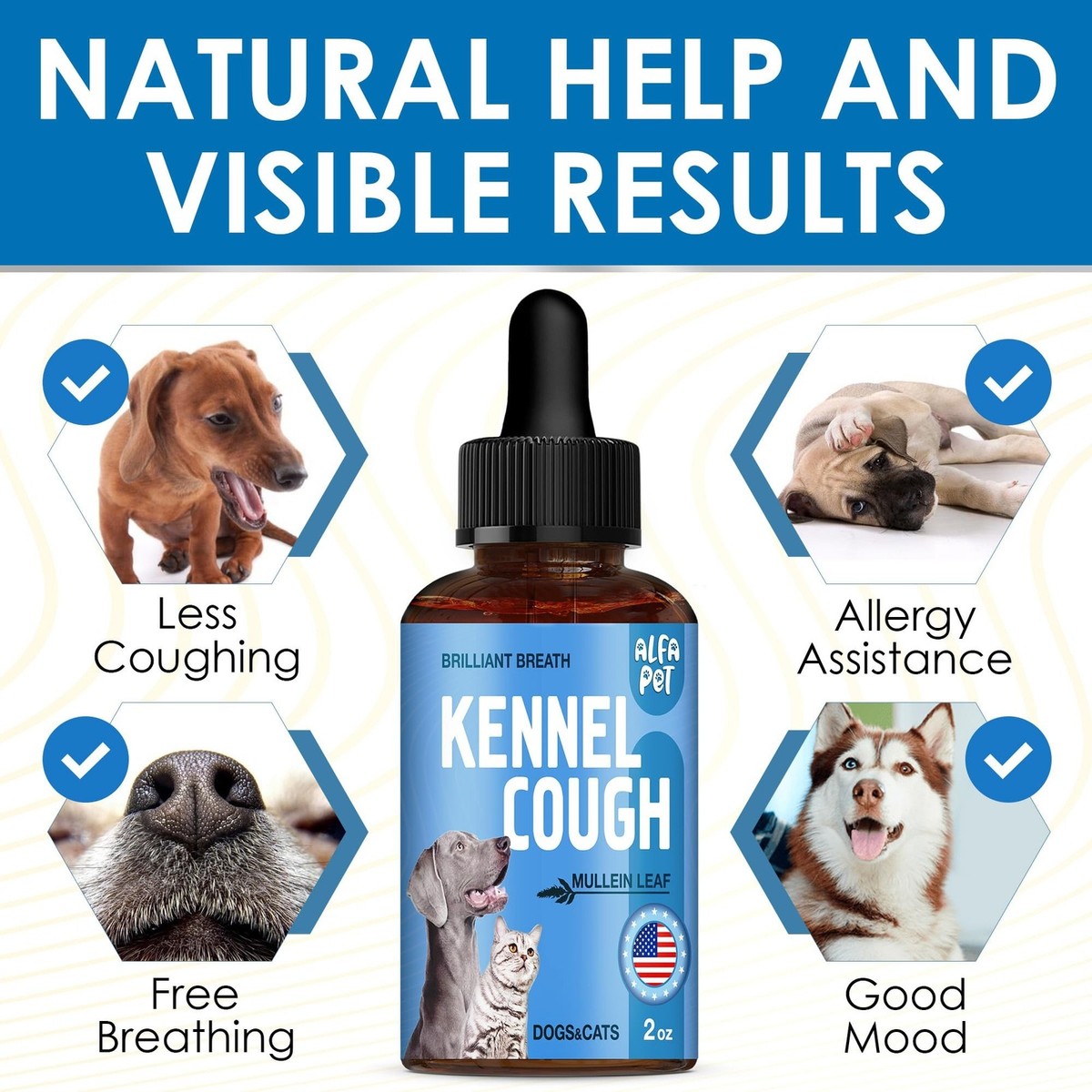
Credit: www.ebay.com
Causes Of Kennel Cough
Kennel cough is a common respiratory infection in dogs. It causes a harsh, dry cough and can make dogs feel very uncomfortable. Understanding what causes kennel cough helps in preventing and treating it effectively. The illness results from certain germs and how they spread among dogs.
Infectious Agents
Several germs cause kennel cough. The main cause is the bacterium Bordetella bronchiseptica. Viruses like the parainfluenza virus and canine adenovirus also contribute. These infectious agents attack the dog’s respiratory system. They irritate the throat and windpipe, causing coughing and inflammation.
Transmission Methods
Kennel cough spreads easily in places where many dogs gather. These places include kennels, dog parks, and grooming centers. Dogs catch the infection through:
- Direct contact with infected dogs
- Sharing food and water bowls
- Breathing in airborne droplets from coughs or sneezes
- Touching contaminated surfaces like floors or bedding
Close contact and poor ventilation increase the risk of spreading the illness. Preventing exposure to these sources helps keep dogs healthy.
Home Remedies For Kennel Cough
Kennel cough is a common respiratory issue in dogs. It causes coughing, sneezing, and discomfort. Many dog owners want gentle ways to help their pets feel better at home. Home remedies can soothe your dog’s throat and ease symptoms. They do not replace vet care but support recovery.
Honey And Natural Soothers
Honey is a natural remedy that can calm a dog’s cough. It coats the throat and reduces irritation. Use a small amount—about half a teaspoon for small dogs and up to a teaspoon for larger dogs. Avoid giving honey to puppies under one year old.
Other natural soothers include:
- Pure pumpkin puree to support digestion
- Chicken broth to encourage hydration and add nutrients
- Slippery elm, which may reduce throat inflammation
Steam Therapy
Steam helps loosen mucus and soothe airways. Bring your dog into a steamy bathroom. Run a hot shower with the door closed for 10-15 minutes. The warm, moist air can ease coughing and breathing.
Ensure your dog is comfortable and not too hot. Avoid direct steam contact to prevent burns. Repeat this process two to three times daily as needed.
Hydration Tips
Keeping your dog hydrated is key to fighting kennel cough. Water helps thin mucus and soothe the throat. Offer fresh water often throughout the day.
If your dog resists plain water, try these options:
- Warm water mixed with a little low-sodium chicken broth
- Ice cubes as a fun way to encourage drinking
- Wet food to increase fluid intake
Monitor your dog’s water intake closely. Dehydration can worsen symptoms and delay healing.
Over-the-counter Medications
Over-the-counter medications can help ease your dog's kennel cough symptoms. These medicines are available without a prescription. They provide relief and support your dog’s healing process. Always read the label and follow the dosage instructions carefully. Some medicines are safer than others for dogs, so choose wisely.
Cough Suppressants
Cough suppressants calm the irritation in your dog’s throat. They reduce the urge to cough and help your dog rest. Common active ingredients include dextromethorphan. Use only products labeled safe for dogs. Avoid human cough medicines with harmful ingredients like acetaminophen or ibuprofen. Giving the right dose is important. Too much can cause side effects.
Anti-inflammatories
Anti-inflammatories reduce swelling in the airways. They ease breathing and decrease coughing. Non-steroidal anti-inflammatory drugs (NSAIDs) like carprofen or meloxicam are often used. These drugs help lower pain and inflammation. Never give aspirin or human NSAIDs without vet advice. Some anti-inflammatories need a prescription, but mild forms may be available OTC. Always check with your vet before starting any treatment.
Prescription Treatments
Prescription treatments play a crucial role in managing kennel cough, especially when symptoms worsen or persist. These medications help control infection, reduce discomfort, and prevent complications. Understanding when and how to use these treatments can make a significant difference in your dog’s recovery.
Antibiotics Use
Antibiotics are often prescribed to treat kennel cough caused by bacterial infections. They target harmful bacteria and help your dog heal faster. However, antibiotics don’t work on viruses, which are common causes of kennel cough, so they are not always necessary.
Overusing antibiotics can lead to resistance, making future infections harder to treat. That’s why veterinarians carefully decide if antibiotics are the right choice. If your dog has a persistent cough, fever, or nasal discharge, antibiotics might be recommended.
When Prescription Is Necessary
Not every case of kennel cough requires prescription medication. Mild symptoms often improve with rest and supportive care at home. But if your dog struggles to breathe, shows lethargy, or if the cough lasts more than two weeks, it’s time to consult your vet.
Veterinarians consider factors like your dog’s age, overall health, and severity of symptoms before prescribing treatment. Sometimes, they might also suggest cough suppressants or anti-inflammatory drugs to ease discomfort. Have you noticed your dog’s cough getting worse or interfering with daily activities? That’s a clear sign to seek professional advice.

Credit: www.amazon.com
Diet And Nutrition Support
Proper diet and nutrition play a key role in helping a dog recover from kennel cough. Good food supports the immune system and helps the body fight infection. It also soothes the throat and reduces coughing discomfort. Choosing the right foods and avoiding harmful ones can make a big difference in your dog’s healing process.
Foods To Boost Immunity
Certain foods strengthen a dog’s natural defenses. These foods provide vitamins, minerals, and antioxidants. They help the immune system work better and speed up recovery.
- Lean proteins like chicken and turkey support tissue repair.
- Carrots and sweet potatoes are rich in beta-carotene and vitamins.
- Blueberries offer antioxidants that fight free radicals.
- Plain yogurt with probiotics aids digestion and immune health.
- Fish oils provide omega-3 fatty acids to reduce inflammation.
Adding these foods to your dog’s meals can improve their ability to heal and resist further infections.
Avoiding Irritants
Some foods and substances can worsen kennel cough symptoms. Avoiding these helps reduce throat irritation and coughing.
- Spicy or heavily seasoned foods may irritate the throat.
- Dairy products can increase mucus production in some dogs.
- Dry kibble might scratch a sore throat; wet food is gentler.
- Exposure to smoke or strong household cleaners can trigger coughing.
- Cold treats or ice cubes might cause throat discomfort.
Removing irritants from the diet and environment helps your dog feel better faster.
Preventing Kennel Cough
Preventing kennel cough is key to keeping dogs healthy and happy. This common respiratory infection spreads quickly in places where many dogs meet. Protecting your dog reduces their risk of catching this contagious illness. Simple steps help avoid exposure and strengthen their defenses.
Vaccination Options
Vaccines provide strong protection against kennel cough. Different types exist to target various bacteria and viruses. Your vet can recommend the best vaccine based on your dog’s lifestyle.
- Intranasal vaccine: Delivered through the nose for fast immunity.
- Injectable vaccine: Given under the skin for longer-lasting protection.
- Oral vaccine: A pill form that some dogs tolerate well.
Vaccination helps reduce symptoms and stops the spread of infection. Keep your dog’s vaccines up to date for best results.
Avoiding High-risk Areas
Places with many dogs increase the chance of kennel cough spreading. Avoid crowded dog parks, grooming salons, and boarding kennels during outbreaks.
- Choose quiet walking spots with fewer dogs.
- Schedule playdates with healthy dogs only.
- Limit visits to doggy daycare during cold seasons.
Clean your dog’s belongings regularly. Wash collars, toys, and bedding to remove germs. These habits help keep kennel cough away.

Credit: www.amazon.com
Caring Tips During Recovery
Caring for your dog during kennel cough recovery requires attention and gentle care. The right environment and careful monitoring can make a big difference in how quickly your dog bounces back. Let’s look at some key steps to keep your dog comfortable and safe while they heal.
Rest And Comfort
Providing plenty of rest is crucial. Your dog needs a quiet, cozy spot away from noise and distractions to relax fully. Soft bedding helps ease any coughing discomfort and supports restful sleep.
Keep your dog indoors as much as possible to avoid exposure to cold air or pollutants that can irritate their throat. You might notice your dog feels restless; try calming activities like gentle petting to soothe them without causing excitement.
Monitoring Progress
Watch your dog’s symptoms closely every day. Note changes in coughing frequency, appetite, and energy levels. Are they improving, or do symptoms worsen despite treatment?
If the cough persists beyond two weeks or if your dog shows signs like difficulty breathing or lethargy, contact your vet promptly. Keeping a simple daily journal of symptoms can help you detect subtle changes and provide useful information during veterinary visits.
Frequently Asked Questions
What Is Kennel Cough In Dogs?
Kennel cough is a contagious respiratory infection in dogs. It is often caused by the bacterium Bordetella bronchiseptica. Symptoms include a persistent cough, runny nose, sneezing, and lethargy. It spreads easily in places with many dogs, like kennels. Prompt treatment and care are essential for recovery.
Can Honey Help Treat Kennel Cough?
Yes, honey can soothe a dog’s throat and reduce coughing. It has natural antibacterial properties that may help. Mixing a teaspoon of honey with warm water can be beneficial. However, always consult your veterinarian before trying home remedies. They will ensure it’s safe and appropriate for your dog.
Is Chicken Soup Good For Kennel Cough?
Chicken soup can provide comfort and nutrition for dogs with kennel cough. It helps in keeping them hydrated and provides essential nutrients. Ensure the soup is low in sodium and free from harmful ingredients like onions. Always consult your vet before introducing new foods to your dog’s diet.
Should I Take My Dog To The Vet For Kennel Cough?
Yes, visiting a vet is important if your dog shows kennel cough symptoms. A veterinarian can confirm the diagnosis and recommend appropriate treatment. They may prescribe antibiotics or cough suppressants. Early intervention can prevent complications and ensure your dog’s quick recovery and well-being.
Conclusion
Treating kennel cough needs care and patience. Give your dog the right medicine and plenty of rest. Keep your pet warm and hydrated. Avoid crowded places to stop spreading the cough. Watch for signs that need a vet’s help. With proper care, your dog will heal soon.
Remember, early action helps your dog feel better faster. Stay calm and supportive during recovery. Your dog will thank you with wagging tails and happy eyes.

Emily Barker is the founder of ChillDogLife.com, a space dedicated to helping pup parents discover the best dog products, lifestyle tips, and cozy ideas for happier homes.
A lifelong dog lover, Emily combines her passion for pets with a knack for research to share trusted recommendations on everything from toys and furniture to health and everyday care.
Her goal is simple: to make life easier, stylish, and more joyful for dogs and the people who love them.




