If your dog has kennel cough, you know how tough it can be to see them uncomfortable and coughing all the time. You want to help your furry friend feel better fast, but it’s hard to know where to start.
This guide will give you simple, effective ways to support your dog’s recovery and ease their symptoms. Keep reading to learn how you can make your dog’s healing process smoother and get them back to their happy, playful self.
Symptoms To Watch For
Recognizing the symptoms of kennel cough early can make a big difference in how quickly your dog recovers. The signs might seem mild at first, but they often worsen if left untreated. Paying close attention to changes in your dog’s behavior and health helps you act promptly and keep them comfortable.
Common Signs Of Kennel Cough
One of the most noticeable symptoms is a persistent, dry cough that sounds harsh or honking. Your dog might cough more after exercise or excitement, which can be alarming to witness. You may also notice sneezing, nasal discharge, or mild lethargy during the day.
Some dogs lose their appetite or seem less playful than usual, signaling they don’t feel well. Watch for watery eyes or slight fever, which can accompany the infection. If your dog has recently been in contact with other dogs, especially in places like kennels or dog parks, these symptoms are important to monitor closely.
When To See A Vet
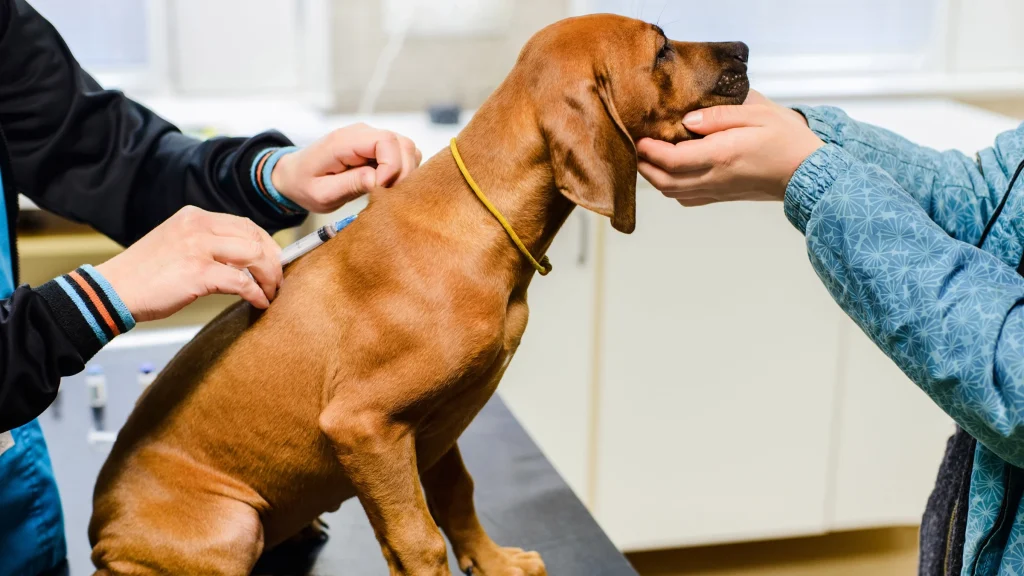
If the cough lasts more than a week or becomes severe, it’s time to call your vet. Difficulty breathing, vomiting after coughing, or a bluish tint to the gums are urgent signs that need immediate attention. Your vet can provide treatments that reduce discomfort and prevent complications.
Sometimes, what looks like kennel cough could be something more serious, so don’t hesitate to get professional advice. Have you noticed your dog struggling to breathe or refusing to eat? These symptoms demand prompt veterinary care to keep your furry friend safe.
Credit: www.lilyskitchen.co.uk
Home Remedies For Relief
Giving your dog plenty of rest and fresh water helps soothe kennel cough symptoms. Using a humidifier can ease breathing and reduce coughing. Keeping your dog away from smoke and dusty areas supports faster healing.
Home Remedies for Relief Kennel cough can make your dog uncomfortable and restless. Home remedies can provide relief and comfort. Simple changes and natural solutions can help ease symptoms. Let’s explore some effective methods.Keeping Your Dog Hydrated
Hydration is crucial for a dog with kennel cough. Offer fresh water regularly. Try using a pet water fountain. It encourages your dog to drink more. You can also offer ice cubes. Dogs love to lick them, and it adds hydration.Using A Humidifier
A humidifier can soothe your dog’s throat. It adds moisture to the air. Place it near your dog’s sleeping area. Ensure the room remains warm but not too hot. This helps ease breathing and reduces coughing fits.Rest And Comfort Tips
Your dog needs plenty of rest. Create a cozy sleeping space. Use soft bedding and keep the area quiet. Avoid strenuous activities. Let your dog recover at its own pace. Patience and comfort can speed up healing.Medications That Help
Medications can ease your dog's kennel cough symptoms and speed recovery. Knowing which medicines help is key. Some options are easy to get, while others require a vet’s prescription. Choose the right treatment based on your dog’s condition and vet advice.
Over-the-counter Options
Over-the-counter medicines can relieve mild symptoms like coughing and throat irritation. These include:
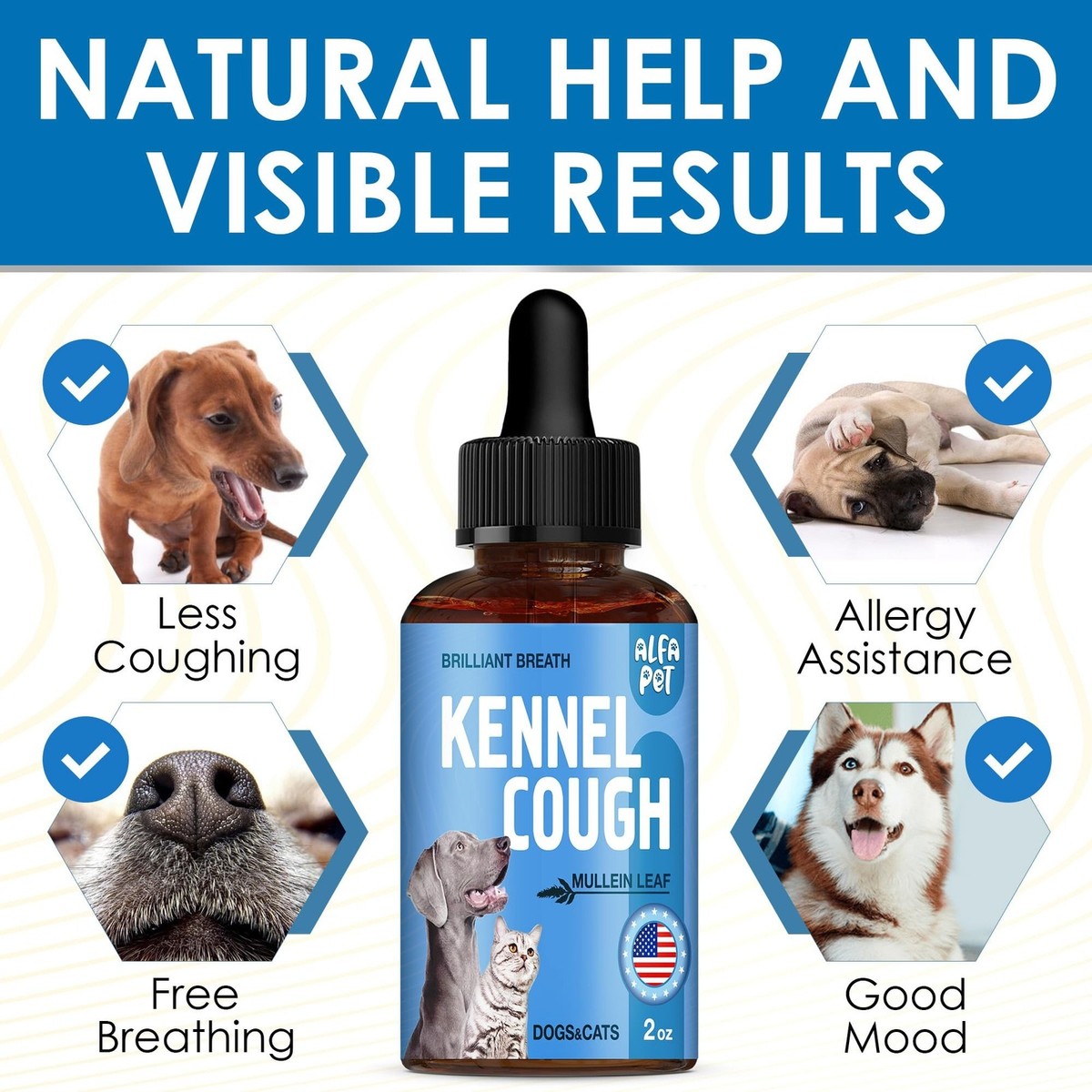
- Cough suppressants to calm persistent coughing.
- Throat soothers that reduce irritation and discomfort.
- Humidifiers or vaporizer treatments to keep the air moist.
Always check the label for dog-safe ingredients. Avoid human medications unless your vet approves. These options provide comfort but do not cure infections.
Prescription Treatments
Prescription medicines target the underlying cause of kennel cough. Your vet may prescribe:
- Antibiotics to fight bacterial infections.
- Anti-inflammatory drugs to reduce airway swelling.
- Bronchodilators to open up breathing passages.
These treatments require a vet’s diagnosis and dosage instructions. Follow your vet’s advice closely for the best results.
Preventing Kennel Cough
Preventing kennel cough is key to keeping your dog healthy and happy. This contagious respiratory infection spreads quickly in places where many dogs gather. Taking simple, proactive steps can reduce your dog’s risk and save you from stressful vet visits.
Vaccination Importance
Vaccines play a crucial role in protecting your dog from kennel cough. They don’t guarantee 100% immunity, but they significantly reduce the chances of severe illness.
Talk to your vet about the Bordetella vaccine, which targets the primary bacteria causing kennel cough. Some vets also recommend a parainfluenza vaccine as part of the prevention plan.
Keep your dog’s vaccinations up to date, especially if you plan to visit dog parks, grooming salons, or boarding facilities. Think about it this way: would you rather prevent the cough or deal with endless coughing fits and vet bills?
Avoiding High-risk Areas
Places like kennels, doggy daycare, and dog parks are breeding grounds for kennel cough. Avoiding these spots during outbreaks or when your dog’s immune system is weak can make a big difference.
Observe your dog’s behavior and health before heading to crowded dog areas. If your dog has recently been sick or is under stress, it’s best to skip high-risk environments temporarily.
Consider quieter walks and play sessions in less crowded spaces. Your dog still gets exercise and social interaction without the added risk of catching kennel cough.
When To Seek Emergency Care
Knowing when to seek emergency care for kennel cough is vital. Most cases improve with rest and home care. Some signs show your dog needs urgent medical help. Acting fast can prevent serious complications. Watch your dog closely for changes in behavior or breathing. Trust your instincts if something feels wrong. Immediate care can save your dog’s life.
Severe Symptoms To Monitor
- Difficulty breathing or rapid breathing
- Blue or pale gums and tongue
- High fever lasting more than two days
- Persistent coughing that worsens
- Weakness or collapse
- Refusal to eat or drink
- Continuous vomiting or diarrhea
- Swelling around the neck or throat
How To Prepare For The Vet Visit
Keep a list of your dog’s symptoms and when they started. Note any changes in behavior or appetite. Bring a stool and urine sample if possible. Write down any medications or treatments already given. Use a calm voice to keep your dog relaxed. Bring a leash and a favorite toy or blanket. Plan your route and call the vet ahead. Arrive early to avoid long waits. Clear communication helps the vet provide quick care.
Credit: www.ebay.com

Credit: oimmal.com
Frequently Asked Questions
What Are Common Symptoms Of Kennel Cough In Dogs?
Kennel cough causes a persistent, dry cough and gagging in dogs. Other symptoms include sneezing, runny nose, and mild fever. Affected dogs may also show lethargy and loss of appetite.
How Can I Treat Kennel Cough At Home?
Provide your dog with rest, fresh water, and a humid environment. Use a vet-approved cough suppressant if recommended. Avoid exposing your dog to smoke or irritants to help recovery.
When Should I See A Vet For Kennel Cough?
Visit a vet if your dog has a high fever, difficulty breathing, or cough lasting more than two weeks. Immediate care is needed for puppies or dogs with weakened immune systems.
Can Kennel Cough Be Prevented In Dogs?
Yes, prevention includes vaccination and avoiding contact with infected dogs. Keep your dog away from crowded places during outbreaks and maintain good hygiene.
Conclusion
Helping your dog with kennel cough takes patience and care. Keep your pet calm and rested each day. Give medicine exactly as the vet advises. Watch for changes in coughing or breathing. Clean your dog’s space often to stop germs.
Avoid places with many dogs while your pet heals. With gentle care, your dog will feel better soon. Stay close and show extra love during this time. Your help makes a big difference in recovery.

Emily Barker is the founder of ChillDogLife.com, a space dedicated to helping pup parents discover the best dog products, lifestyle tips, and cozy ideas for happier homes.
A lifelong dog lover, Emily combines her passion for pets with a knack for research to share trusted recommendations on everything from toys and furniture to health and everyday care.
Her goal is simple: to make life easier, stylish, and more joyful for dogs and the people who love them.




