
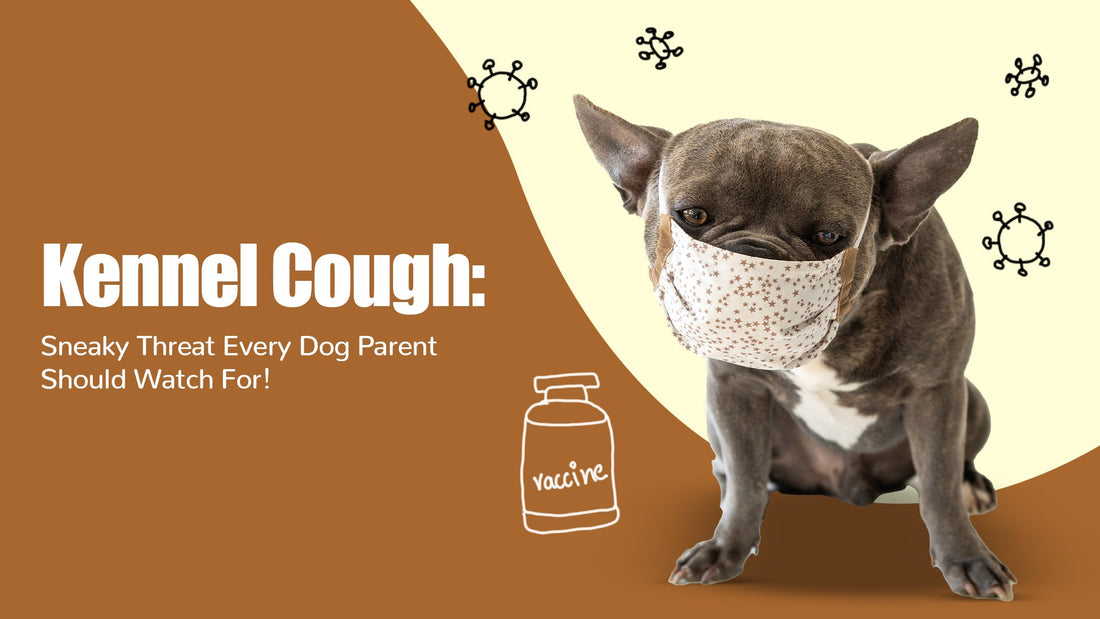
Is your dog coughing more than usual and acting a bit off? Kennel cough can be tough on your furry friend—and worrying for you.
You want to help your dog feel better fast, but you might not know where to start. Don’t worry, this guide will walk you through simple, effective ways to ease your dog’s discomfort and speed up recovery. Keep reading to find out exactly what you can do to help your dog breathe easier and get back to wagging that tail.
Credit: zigly.com
Symptoms To Watch For
Recognizing the symptoms of kennel cough early can make a big difference in your dog’s comfort and recovery. You want to keep a close eye on any changes in their behavior or health that might hint at this contagious respiratory infection. Understanding what to watch for helps you act quickly and protect your dog from worsening symptoms.
Common Signs Of Kennel Cough
One of the most obvious signs is a persistent, dry cough that sounds harsh or honking. You might notice your dog coughing more after exercise or excitement, which can be a clear red flag.
- Frequent coughing fitsthat last for several days
- Gagging or retchingas if trying to clear their throat
- Runny noseor sneezing in some cases
- Low energyand less interest in play or walks
- Mild fever– you might feel your dog’s nose or ears to check for warmth
My dog once started coughing just after a trip to the dog park, and I thought it was just excitement. But the cough didn’t stop for days, which made me realize it was more serious than just a simple throat tickle.
When To See A Vet
If your dog’s cough lasts more than a week or worsens, don’t wait to get professional help. Difficulty breathing, loss of appetite, or a high fever are urgent signs that need immediate veterinary attention.
- Cough lasting over 10 days without improvement
- Labored or rapid breathing
- Blue or pale gums indicating oxygen issues
- Extreme lethargy or refusal to eat and drink
Sometimes kennel cough can lead to pneumonia, especially in puppies or older dogs. Would you want to risk your dog’s health by waiting too long? A vet can provide the right diagnosis and treatment plan to help your dog heal faster.
Causes And Transmission
Understanding what causes kennel cough and how it spreads can help you protect your dog effectively. Kennel cough is highly contagious and can affect dogs of all ages. Knowing the source and transmission routes helps you take smart steps to reduce the risk.
How Dogs Catch Kennel Cough
Kennel cough is caused by a mix of bacteria and viruses, with Bordetella bronchiseptica being the most common culprit. Dogs catch it through airborne droplets when an infected dog coughs or sneezes nearby.
It can also spread through direct contact, like nose-to-nose greetings, or by touching contaminated surfaces such as food bowls, toys, or bedding. Your dog doesn’t need to be at a kennel to get infected—any close contact with a carrier can lead to catching kennel cough.
High-risk Environments
Places where many dogs gather are hotspots for kennel cough transmission. Think about dog parks, grooming salons, boarding facilities, and training classes where dogs mix closely and often.
Have you noticed how your dog behaves differently after visiting these places? Even a short visit can expose your dog to kennel cough germs if other dogs are infected.
- Indoor shelters with poor ventilation
- Busy dog daycare centers
- Dog shows or competitions
- Areas where dogs share water bowls or toys
Being aware of these environments lets you decide when to keep your dog home or ensure vaccinations are up to date before exposure.
Home Care Strategies
Helping your dog recover from kennel cough starts at home. Simple care can ease symptoms and support healing. A calm, clean environment reduces stress and helps your dog rest better. Proper hydration and nutrition keep their body strong to fight infection. These home care strategies make a big difference in your dog’s comfort and recovery.
Creating A Comfortable Space
Choose a quiet spot for your dog to rest. Keep the area warm but well ventilated. Avoid drafts that can worsen coughing. Use soft bedding that is easy to clean. Remove toys and items that might irritate the throat. Limit activity to prevent tiredness. Make sure the space is away from other pets to avoid spreading germs.
Hydration And Nutrition Tips
Offer fresh water often to keep your dog hydrated. Warm water can soothe a sore throat better than cold water. Feed small, frequent meals to encourage eating. Soft foods are easier to swallow and gentler on the throat. Avoid dry or hard kibble until your dog feels better. Adding broth or wet food can increase moisture and flavor. Watch for signs of dehydration or loss of appetite and contact a vet if they occur.
Credit: www.ebay.com
Effective Treatments
Helping your dog recover from kennel cough requires the right treatment. Choosing effective options can ease symptoms and speed healing. Treatments vary based on severity and your dog’s condition. Understanding available remedies helps you provide the best care possible.
Over-the-counter Remedies
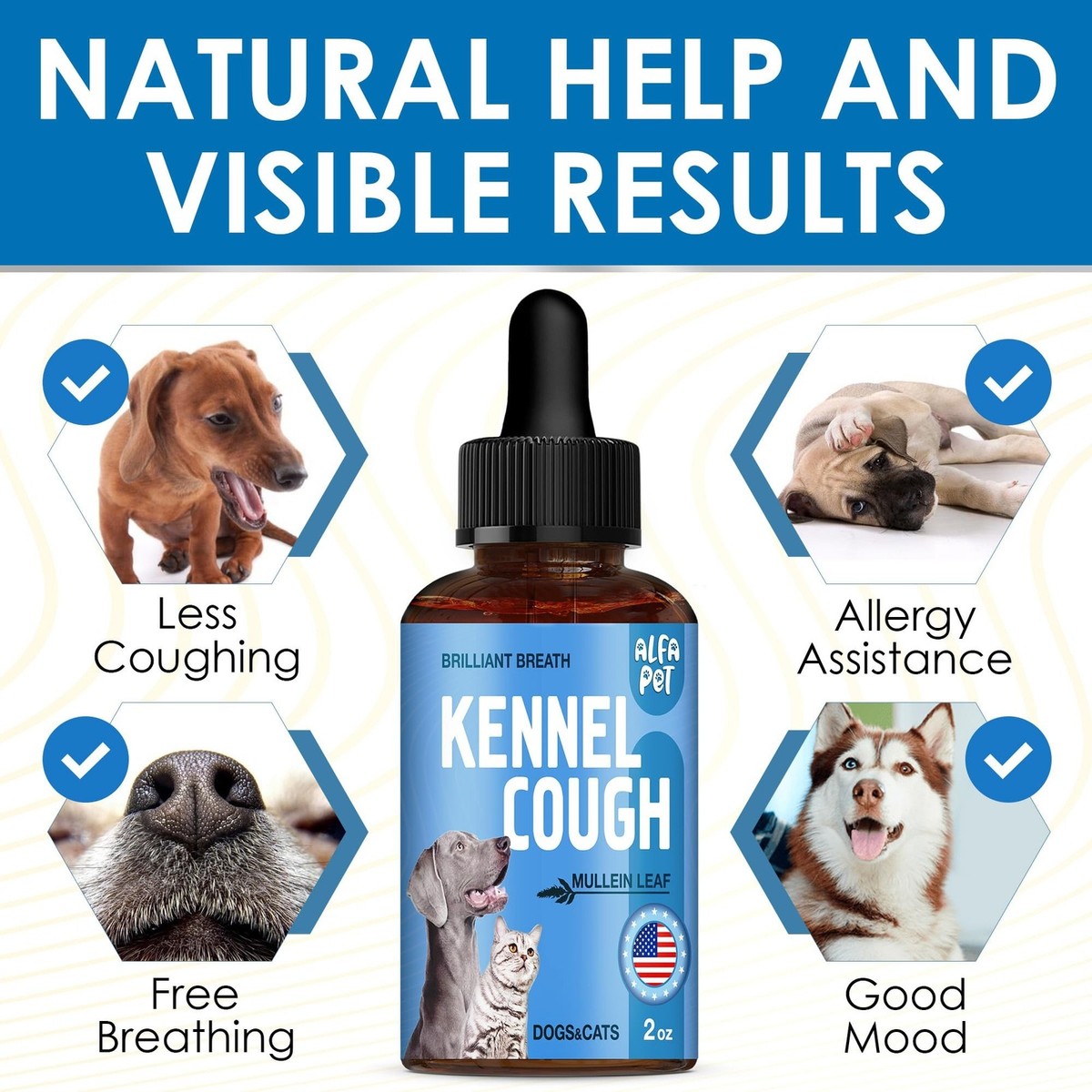
Some mild cases of kennel cough can improve with simple home care. Over-the-counter products often help soothe the throat and reduce coughing. Look for cough suppressants made specifically for dogs. These can calm irritation and make your dog more comfortable.
- Honey can coat the throat and reduce coughing.
- Humidifiers add moisture to the air, easing breathing.
- Rest and a quiet environment help your dog heal faster.
Always follow product instructions carefully. Avoid giving human medicine unless your vet approves it. Monitor your dog closely and seek veterinary help if symptoms worsen.
Veterinary Medications
Severe or persistent kennel cough needs professional treatment. Veterinarians may prescribe antibiotics to fight bacterial infections. These medicines target the root cause and prevent complications. Anti-inflammatory drugs can also reduce swelling in the airways.
In some cases, cough suppressants or bronchodilators help ease breathing. Your vet will decide the best course based on your dog’s health. Follow all dosage instructions and complete the full medication course. Regular check-ups ensure your dog responds well to treatment.
Preventing Kennel Cough
Preventing kennel cough protects your dog from this common illness. It reduces coughing, discomfort, and vet visits. Taking simple steps can keep your dog healthy and happy.
Vaccination Options
Vaccines help your dog fight kennel cough germs. They lower the chance of infection. Ask your vet about the best vaccines for your dog’s age and lifestyle.
- Intranasal vaccines deliver protection directly to the nose.
- Oral vaccines are easy to give and effective.
- Injectable vaccines provide longer-lasting immunity.
Vaccines do not guarantee full protection but reduce symptoms and spread. Regular boosters keep your dog’s defenses strong.
Avoiding Exposure
Kennel cough spreads fast in places with many dogs. Avoid crowded dog parks, boarding kennels, and grooming salons during outbreaks. Keep your dog away from sick dogs.
- Wash your hands after handling other dogs.
- Clean your dog’s toys, bowls, and bedding often.
- Ventilate your home to reduce airborne germs.
Limiting contact with unknown dogs helps lower infection risk. Stay alert for signs of kennel cough in your dog community.
When To Seek Emergency Help
Knowing when to seek emergency help for your dog with kennel cough can make a crucial difference in their recovery. While kennel cough is often mild, it can sometimes lead to serious complications that require immediate veterinary care. Recognizing the warning signs and preparing for a vet visit can ensure your dog gets the help they need without delay.
Warning Signs Of Complications
Keep a close eye on your dog’s breathing. If you notice rapid, labored breaths or persistent coughing that worsens, it’s time to act quickly.
Look for signs of lethargy and loss of appetite that don’t improve. When your dog becomes unusually weak or refuses water, it’s a red flag.
- High fever (above 103°F or 39.4°C)
- Blue or pale gums indicating oxygen trouble
- Vomiting or coughing up blood
- Severe coughing fits that cause gagging or choking
These symptoms suggest your dog’s condition may be worsening or that secondary infections have set in. Don’t wait for symptoms to escalate—early intervention saves lives.
Preparing For Vet Visits
Before heading to the vet, gather important information about your dog’s symptoms and behavior changes. Note when the coughing started and any new signs you’ve observed.
Bring a list of questions to discuss with your vet. Ask about treatment options, potential side effects, and how to manage your dog’s comfort at home.
If you have other pets, keep your dog isolated during transport to prevent spreading the infection. Use a well-ventilated carrier or leash to ensure safety and control.
Have your dog’s medical records handy, especially vaccination history, as this can influence treatment decisions. Being prepared helps the vet provide faster and more accurate care.
Credit: www.lilyskitchen.co.uk
Frequently Asked Questions
What Is Kennel Cough In Dogs?
Kennel cough is a contagious respiratory infection in dogs. It’s caused by bacteria and viruses. It results in a dry, hacking cough. Dogs often catch it in crowded places like kennels.
How Can I Treat Kennel Cough At Home?
Ensure your dog rests and stays hydrated. Use a humidifier to ease breathing. Consult your vet for appropriate medications. Avoid exposing your dog to cold air and smoke.
How Long Does Kennel Cough Last?
Kennel cough typically lasts one to three weeks. Mild cases recover faster, while severe cases may need medical intervention. Follow your vet’s advice for the best outcome.
Can Kennel Cough Be Prevented?
Yes, kennel cough can be prevented with vaccines. Limit exposure to crowded dog areas. Practice good hygiene and regular vet check-ups. Keep your dog’s immune system strong with a balanced diet.
Conclusion
Helping your dog with kennel cough needs patience and care. Keep your pet calm and avoid crowded places. Give plenty of water and rest to support healing. Watch for signs like coughing or fever. Visit the vet if symptoms get worse or last long.
Clean your dog’s bedding and toys often. A healthy dog recovers faster and feels better. Small steps can make a big difference. Your dog will thank you with happy tail wags.

Emily Barker is the founder of ChillDogLife.com, a space dedicated to helping pup parents discover the best dog products, lifestyle tips, and cozy ideas for happier homes.
A lifelong dog lover, Emily combines her passion for pets with a knack for research to share trusted recommendations on everything from toys and furniture to health and everyday care.
Her goal is simple: to make life easier, stylish, and more joyful for dogs and the people who love them.




