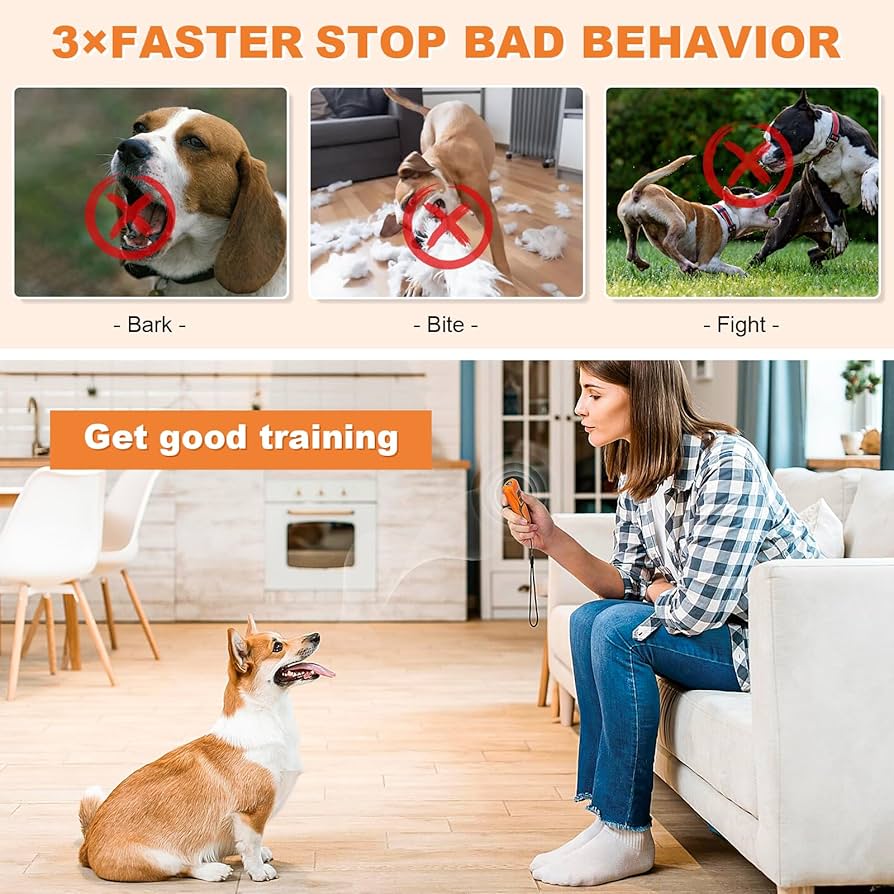
Is your dog acting out and leaving you frustrated? You’re not alone, and the good news is that bad behavior can be fixed.
Imagine a calmer, happier pet who listens to you and makes your life easier. You’ll discover simple, effective steps to correct your dog’s bad habits. By the end, you’ll have the tools to transform your furry friend’s behavior—and your bond will grow stronger than ever.
Keep reading to learn how to take control and bring out the best in your dog.
Identify Common Bad Behaviors
Dogs can show different behaviors that owners find hard to manage. Knowing common bad behaviors helps you correct them early.
This guide explains some usual problems and how to spot them in your dog’s daily actions.
Excessive Barking
Barking is normal for dogs, but too much can be a problem. Dogs may bark because they are bored, scared, or want attention.
Excessive barking can disturb your family and neighbors. It is important to find out why your dog barks a lot.
Chewing And Destruction
Dogs chew to explore or relieve stress. Chewing things like furniture or shoes is a common issue.
This behavior can cause damage and cost money. It often happens when dogs are left alone without toys.
Aggression Issues
Aggression can show as growling, biting, or lunging. It may be caused by fear, pain, or protecting territory.
Understanding the triggers helps keep everyone safe. Aggression needs careful attention and training.
House Soiling
House soiling means your dog pees or poops inside the house. Puppies and older dogs often have accidents.
It can happen because of health issues, lack of training, or stress. Spotting this early helps fix the problem.
Root Causes Of Bad Behavior
Dogs may show bad behavior for many reasons. Understanding these reasons helps fix problems better.
Knowing what causes bad behavior lets you help your dog feel safe and happy.
Lack Of Exercise
Dogs need regular exercise to stay healthy and calm. Without exercise, they get bored and restless.
Restless dogs may chew things, bark too much, or dig holes in the yard.
- Daily walks help use up energy
- Playtime reduces boredom
- Exercise improves mood and behavior
Anxiety And Stress
Dogs feel stress from loud noises, changes, or being alone. Anxiety can cause bad behavior.
Signs include pacing, whining, or chewing furniture. Stress makes dogs feel unsafe.
- Keep a calm environment
- Provide a safe space for your dog
- Use routines to reduce stress
Poor Socialization
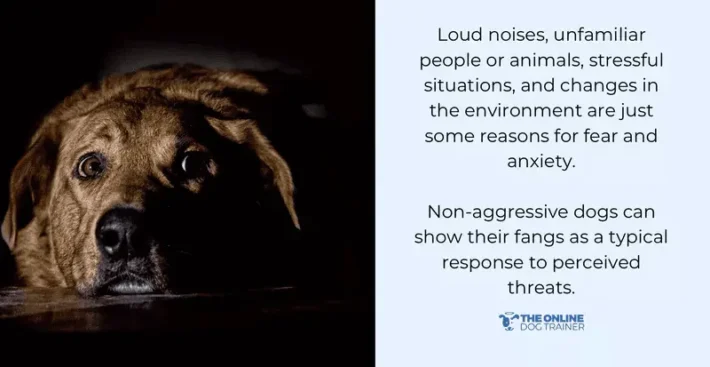
Dogs need to meet other dogs and people early in life. Poor socialization leads to fear or aggression.
Fearful dogs may growl or hide. Lack of social skills causes problems in new situations.
- Introduce your dog to many people
- Allow safe meetings with other dogs
- Use positive experiences to build confidence
Inconsistent Training
Dogs need clear and steady rules from their owners. Mixed messages confuse them and cause bad behavior.
Consistent training helps dogs learn what is right and wrong quickly.
- Use the same commands every time
- Reward good behavior immediately
- Make sure all family members follow rules
Establish Clear Rules
Correcting bad dog behavior starts with clear rules. Dogs learn best when they know what is allowed and what is not.
Setting clear rules helps your dog feel safe and understand your expectations. This makes training easier and faster.
Setting Boundaries
Boundaries tell your dog where they can and cannot go. Use gates or leashes to keep them in safe areas.
- Decide which rooms are off limits
- Use baby gates to block doorways
- Keep your dog on a leash outside boundaries
- Provide a comfy space for your dog inside boundaries
Consistency In Commands
Use the same words and tone for commands every time. This helps your dog learn what you want quickly.
| Command | Meaning | Example |
|---|---|---|
| “Sit” | Dog should sit down | Before meals or crossing streets |
| “Stay” | Dog stays in place | When you answer the door |
| “Come” | Dog comes to you | Calling dog from yard |
| “No” | Stop unwanted behavior | Barking or chewing |
Family Agreement
All family members must follow the same rules and commands. This avoids confusing the dog and keeps training steady.
To ensure everyone is on the same page, discuss these points:
- Choose common commands and signals
- Agree on allowed and forbidden behaviors
- Decide on rewards and discipline methods
- Check in regularly to update rules

Credit: www.amazon.com
Positive Reinforcement Techniques
Positive reinforcement helps change bad dog behavior gently. It encourages good actions by giving rewards.
This method builds trust and makes training fun for your dog. Patience and timing are key to success.
Reward-based Training
Reward-based training focuses on praising good behavior instead of punishing bad actions. This approach makes dogs want to learn.
- Notice when your dog does something right
- Give a treat or kind words immediately
- Repeat often to reinforce the behavior
- Avoid scolding or harsh corrections
- Keep training sessions short and regular
Timing And Patience
Giving rewards at the right moment helps dogs connect their action with the treat. Delays can confuse them.
| When to Reward | Effect on Dog |
| Right after desired action | Strong connection to behavior |
| After delay | Confusion, weak learning |
| Too often without behavior | No clear signal |
Patience is important. Dogs learn at their own speed. Stay calm and consistent for best results.
Using Treats And Toys
Treats and toys motivate dogs during training. Choose items your dog loves to keep their interest high.
Tips for using treats and toys:
- Use small, soft treats for quick eating
- Pick toys that your dog enjoys
- Switch between treats and toys to keep excitement
- Gradually reduce treats as behavior improves
- Never use treats your dog is allergic to
Correcting Unwanted Actions
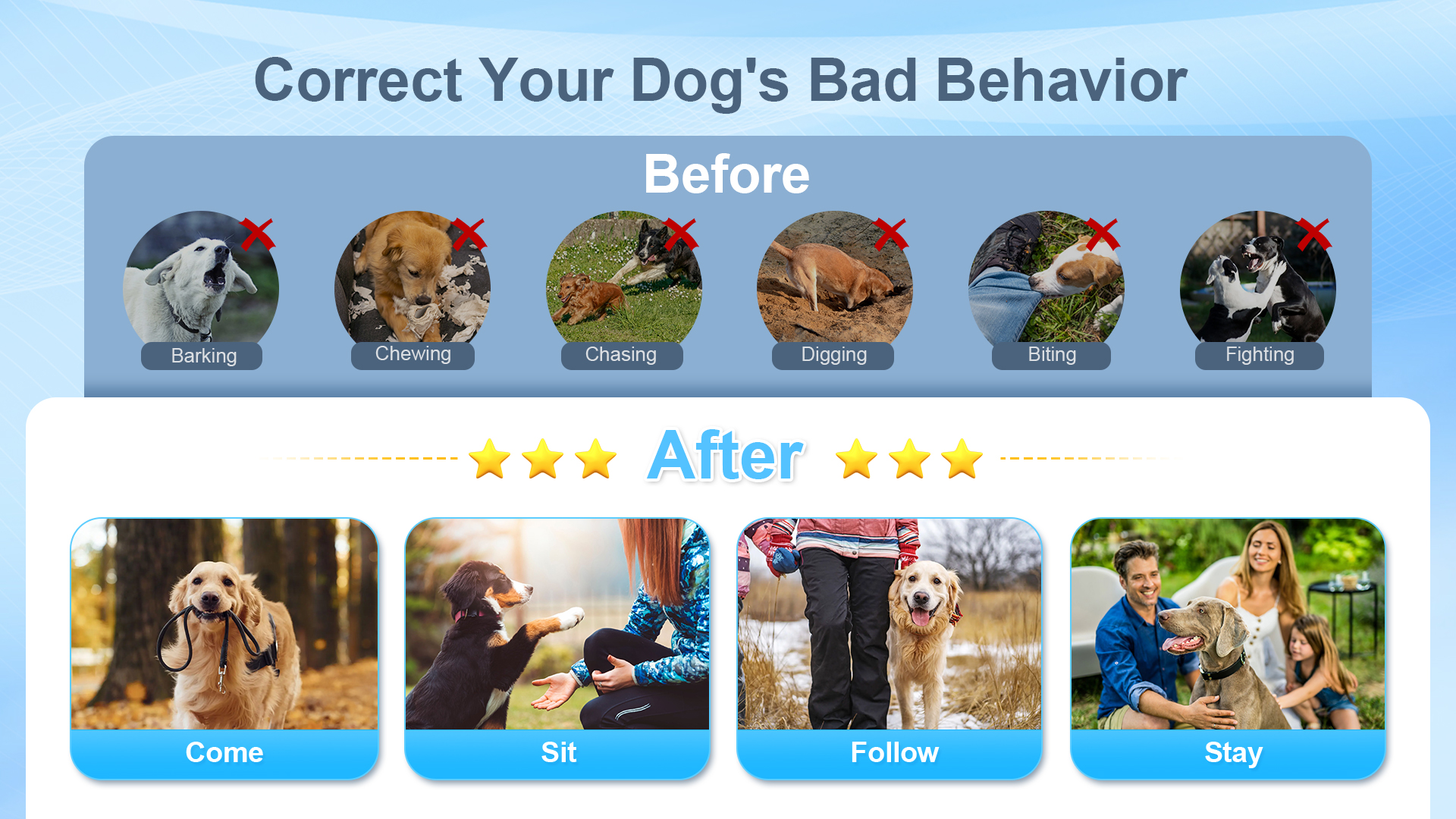
Dogs sometimes act in ways we do not want. Correcting these actions helps create good habits. It also builds a strong bond between you and your dog.
Using clear and gentle methods makes training easier. Avoid punishment and focus on guiding your dog to the right behavior.
Redirecting Behavior
Redirecting means guiding your dog from a bad action to a good one. It helps your dog learn what is okay to do.
For example, if your dog is chewing on shoes, offer a chew toy instead. Praise your dog when it uses the toy.
- Notice the unwanted behavior early
- Stop the action calmly
- Give your dog a proper alternative
- Reward your dog for the correct action
Ignoring Attention-seeking Acts
Dogs sometimes act out to get your attention. Ignoring these acts can teach your dog they do not work.
Do not look at or talk to your dog during these times. Wait until your dog is calm and behaving well to give attention.
- Stay calm and do not react
- Give attention only when the dog is calm
- Be patient and consistent
Using Safe Deterrents
Safe deterrents help stop bad behavior without hurting your dog. Use items that are gentle but discourage unwanted acts.
Examples include bitter sprays on furniture or noise makers to distract your dog. Always check products are safe for pets.
- Bitter sprays for chewing spots
- Loud noises to interrupt bad behavior
- Temporary barriers to block off areas
- Use deterrents only as needed and with care
Building A Daily Routine
Creating a daily routine helps correct bad dog behavior. Consistency is key. Dogs thrive on structure and predictability.
Follow these steps to build a routine that keeps your dog happy and well-behaved.
Regular Exercise And Play
Exercise keeps dogs physically fit and mentally stimulated. Playtime is also important for their happiness.
- Take your dog for a walk in the morning and evening.
- Include a variety of games like fetch or tug-of-war.
- Visit a dog park for social interaction.
Meal And Training Schedules
Structured meal times help manage your dog’s energy levels. Consistent training reinforces good behavior.
| Time | Activity |
| 7:00 AM | Breakfast |
| 8:00 AM | Training session |
| 12:00 PM | Lunch |
| 5:00 PM | Dinner |
| 6:00 PM | Evening training |
Mental Stimulation Activities
Mental stimulation is as important as physical exercise. It helps prevent boredom and destructive behavior.
Socializing Your Dog
Socializing your dog helps them behave well around people and animals. It reduces fear and aggression. Start socializing early for best results.
Use calm and positive experiences to build your dog’s confidence. This guide covers new places, meeting dogs, and dealing with strangers.
Introducing New Environments
Take your dog to different places like parks, streets, and pet stores. Let them explore new sights, sounds, and smells slowly. Watch their reactions and stay close.
- Start in quiet areas to avoid stress
- Bring treats to reward calm behavior
- Gradually visit busy places as your dog adjusts
- Keep outings short at first
- Use a leash to keep control
Meeting Other Dogs
Let your dog meet other dogs in safe, controlled settings. This helps them learn good manners and reduce fear. Watch body language closely.
| Do | Don’t |
| Allow sniffing and greeting | Force interaction if nervous |
| Keep meetings short and positive | Ignore signs of stress or aggression |
| Use calm praise and treats | Yell or punish during greetings |
Handling Stranger Interactions
Teach your dog how to act around strangers. This prevents fear or aggression when meeting new people. Keep control and use rewards.
Tips for safe stranger interactions:
- Ask permission before strangers pet your dog
- Keep your dog on a leash in public
- Reward calm behavior with treats or praise
- Avoid forcing contact if your dog backs away
Credit: theonlinedogtrainer.com
When To Seek Professional Help
Sometimes, bad dog behavior can be more than just a phase. It might indicate deeper issues that require expert intervention.
Knowing when to contact a professional can save time and improve your dog’s well-being. Let’s explore when it’s time to seek help.
Recognizing Severe Behavior Problems
Severe behavior issues can include aggression, extreme fear, or excessive barking. These behaviors can disrupt daily life and require special attention.
- Does your dog show aggression towards people or other animals?
- Is your dog extremely fearful in normal situations?
- Does your dog bark excessively and disruptively?
Choosing A Trainer Or Behaviorist
Find a trainer or behaviorist with a good reputation and experience in handling severe cases. They can offer tailored strategies to correct your dog’s behavior.
Consider these criteria when selecting a professional:
- Certifications and qualifications
- Positive reviews and recommendations
- Experience with similar behavior issues
Working With Veterinarians
Sometimes, bad behavior is linked to health problems. A veterinarian can rule out medical issues that might be causing the behavior.
| Behavior | Possible Health Issue |
| Aggression | Pain or injury |
| Fearfulness | Thyroid imbalance |
| Excessive Barking | Anxiety or hearing loss |
Credit: www.amazon.com
Frequently Asked Questions
What Are Common Signs Of Bad Dog Behavior?
Common signs include excessive barking, biting, chewing, and aggression. Disobedience and house soiling are also typical indicators of bad behavior.
How Can I Train My Dog To Stop Bad Habits?
Use consistent commands, positive reinforcement, and regular exercise. Avoid punishment and seek professional help if needed for effective training.
Why Does My Dog Display Aggressive Behavior?
Aggression may stem from fear, territorial instincts, or lack of socialization. Identifying triggers helps in managing and correcting this behavior.
How Long Does It Take To Correct Bad Dog Behavior?
Correction time varies by dog and behavior severity. Consistent training usually shows results within weeks to a few months.
Conclusion
Correcting bad dog behavior takes time and patience. Consistency matters the most. Use clear commands and reward good actions. Avoid punishment that scares your dog. Building trust helps your dog learn faster. Small steps lead to big improvements. Enjoy the process and celebrate progress.
A happy dog makes a happy home. Keep training sessions short and fun. Stay calm and positive every day. Your efforts will strengthen your bond with your dog. Good behavior brings peace for both of you.

Emily Barker is the founder of ChillDogLife.com, a space dedicated to helping pup parents discover the best dog products, lifestyle tips, and cozy ideas for happier homes.
A lifelong dog lover, Emily combines her passion for pets with a knack for research to share trusted recommendations on everything from toys and furniture to health and everyday care.
Her goal is simple: to make life easier, stylish, and more joyful for dogs and the people who love them.




