
Is your dog acting out in ways that leave you frustrated or worried? You’re not alone.
Every dog owner faces behavior challenges at some point. But here’s the good news: with the right approach, you can guide your furry friend toward better habits. Imagine a calmer, happier dog that listens to you—and a stronger bond between you both.
You’ll discover simple, effective strategies to correct dog behavior without stress or confusion. Keep reading, and take the first step toward a more peaceful home today.

Credit: www.dogwise.com
Common Dog Behavior Issues
Dogs sometimes show behaviors that can be hard to manage. Understanding these issues helps owners handle them better.
Knowing the common problems can make training easier and improve your dog’s happiness.
Aggression And Biting
Aggression in dogs can come from fear or protection instincts. Biting is a serious problem that needs quick attention.
Signs of aggression include growling, snapping, or lunging. Early training helps reduce these behaviors.
- Stay calm and avoid sudden movements
- Use positive reinforcement for good behavior
- Consult a professional if aggression continues
Excessive Barking
Barking is normal, but too much can be annoying. Dogs bark to alert, play, or ask for attention.
Identify why your dog barks to find the best way to stop it. Training and exercise help reduce barking.
- Ignore barking that seeks attention
- Give more playtime and exercise
- Use commands like “quiet” consistently
Chewing And Destruction
Dogs chew to explore or relieve stress. Chewing on furniture or shoes is a common problem.
Provide safe chew toys and keep valuables out of reach. Training helps your dog learn what is okay to chew.
- Offer plenty of chew toys
- Use deterrent sprays on furniture
- Give your dog enough exercise
House Soiling
House soiling means your dog pees or poops inside the house. It is often a sign of poor training or health issues.
Set a regular schedule for bathroom breaks. Clean accidents with special cleaners to remove smells.
- Take your dog outside frequently
- Reward your dog for going outside
- Visit a vet if accidents happen often
Jumping On People
Dogs jump to greet or get attention. This can be scary or annoying for visitors.
Teach your dog to stay calm when meeting people. Ignore jumping and reward sitting or standing quietly.
- Turn away when your dog jumps
- Ask guests to do the same
- Reward your dog for keeping all paws down
Root Causes Of Bad Behavior
Dogs often show bad behavior because of hidden reasons. Understanding these causes helps fix problems.
Correcting behavior starts with finding why your dog acts out. This guide explains common root causes.
Lack Of Exercise
Dogs need regular exercise to stay calm and healthy. Without enough activity, they get restless.
Restless dogs may chew things, bark, or dig to burn energy. Exercise helps reduce these problems.
Inconsistent Training
Dogs learn best with clear and steady rules. Mixed signals confuse them and cause bad habits.
When training changes often, dogs do not know what is allowed. Consistency builds good behavior.
Anxiety And Fear
Fear makes dogs act out to protect themselves. Anxiety can come from loud noises or new places.
Understanding what scares your dog helps reduce anxiety. Calm support teaches them safety.
Boredom And Lack Of Stimulation
Dogs need mental challenges to stay happy. Bored dogs find trouble with toys or furniture.
Providing puzzles and new activities keeps their mind busy and stops bad behavior.
Effective Training Techniques
Training your dog well helps keep good behavior. It builds trust and makes life easier for both of you.
Using the right training techniques makes learning fun and fast. Dogs respond best to clear and kind methods.
Positive Reinforcement
Positive reinforcement means giving rewards when your dog does something right. It encourages good behavior.
Use treats, praise, or toys as rewards. This helps your dog learn what you want.
- Reward good behavior immediately
- Keep treats small and tasty
- Use happy voice to praise
- Avoid punishment during training
Clicker Training
Clicker training uses a small device that makes a clicking sound. It marks the exact moment your dog does the right thing.
After the click, give a treat or praise. This helps your dog understand what earns rewards.
- Introduce the clicker before training
- Click and treat immediately after good behavior
- Use short sessions to keep your dog focused
- Practice regularly for best results
Consistency And Routine
Dogs learn best when training happens the same way every time. Consistency helps your dog know what to expect.
Create a training schedule. Stick to it daily to build habits and reduce confusion.
- Use the same commands each time
- Train at the same time of day
- Keep sessions short but frequent
- Ensure all family members use the same rules
Setting Clear Boundaries
Setting boundaries means telling your dog what is allowed and what is not. Clear rules help prevent bad habits.
Be firm but kind. Use simple commands and show your dog the right behavior.
- Say “No” or “Stop” in a calm voice
- Redirect your dog to good behavior
- Do not give mixed signals
- Reward your dog when they follow rules
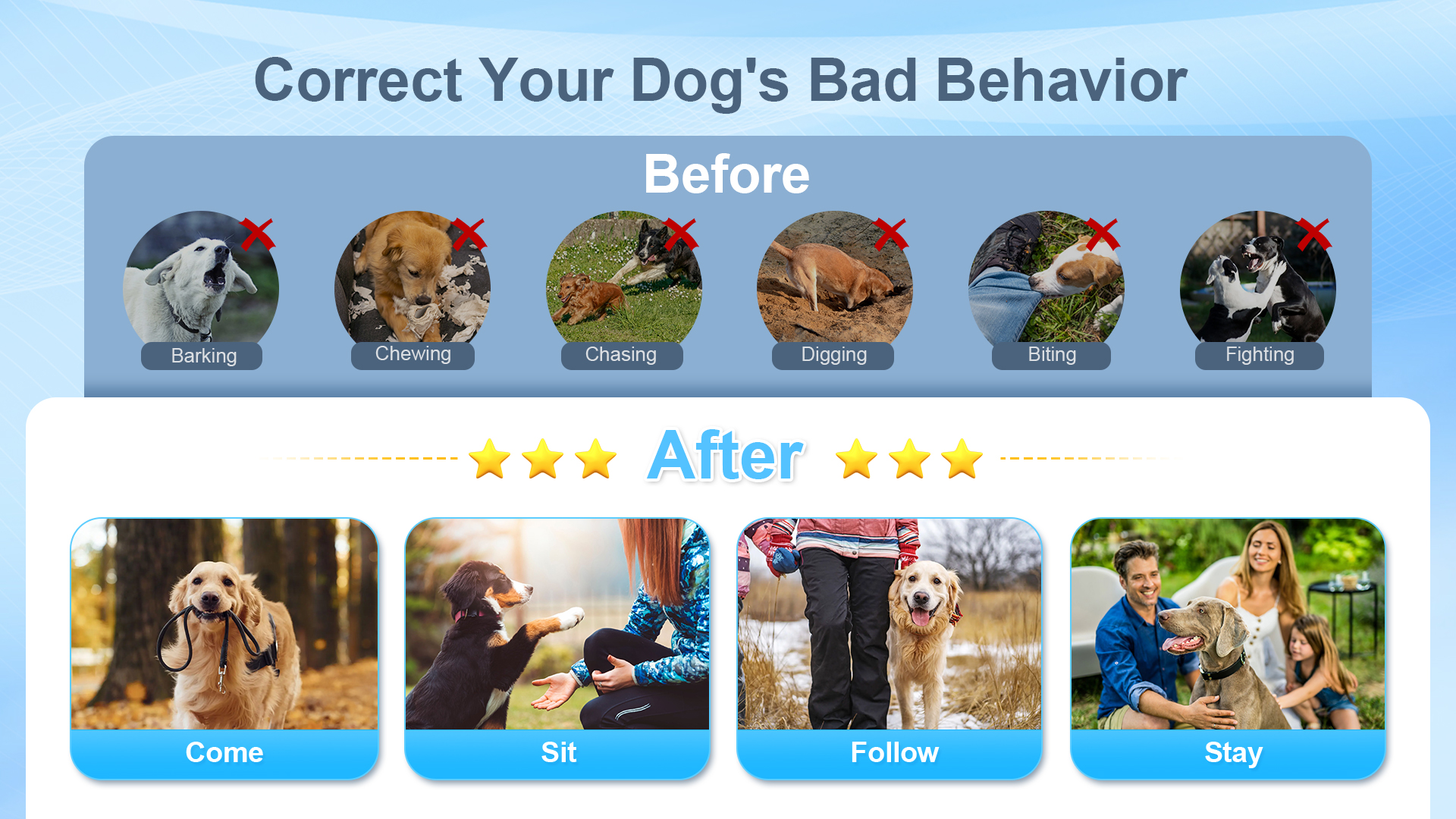
Credit: www.amazon.com
Behavior Correction Tools
Correcting dog behavior takes patience and the right tools. Using proper equipment helps guide your dog gently. This makes training easier and safer for both of you.
Different tools suit different dogs and behaviors. Choosing what fits your dog’s needs improves your chances of success. Here are some common tools used in behavior correction.
Leashes And Harnesses
Leashes and harnesses give you control during walks and training. Harnesses reduce strain on the dog’s neck. Leashes come in various lengths and materials to fit your training style.
Training Collars
Training collars include flat collars, martingales, and head collars. Each type helps with different behavior issues. Use collars carefully to avoid harming your dog.
- Flat collars: Basic and good for ID tags
- Martingales: Tighten slightly to prevent slipping
- Head collars: Help guide the dog’s head gently
Treats And Rewards
Treats motivate dogs to learn new behaviors. Use small, soft treats that your dog likes. Reward good behavior immediately to make the connection clear.
| Type | Use | Example |
| Tasty Treats | Reward for quick learning | Small cheese pieces |
| Chew Treats | Calm and occupy | Dental chews |
| Non-Food Rewards | Praise and play | Petting or toy play |
Interactive Toys
Interactive toys keep dogs busy and reduce bad behaviors. These toys challenge your dog’s mind and body. Use them to distract your dog from unwanted actions.
- Puzzle feeders that hide treats
- Chew toys that last long
- Fetch toys for active play
Socialization Strategies
Helping your dog learn to behave well with others starts with socialization. This means exposing your dog to different dogs, places, and people.
Good socialization reduces fear and aggression. It builds confidence and helps your dog enjoy new experiences safely.
Introducing To Other Dogs
Start introductions in calm, controlled places. Use neutral grounds like parks or quiet streets. Watch your dog’s body language closely.
- Keep dogs on a leash but loose to avoid tension.
- Allow dogs to sniff and greet gently.
- Interrupt play if it becomes too rough or fearful.
- Use treats to reward calm and friendly behavior.
- Repeat short, positive meetings often.
Exposure To New Environments
Take your dog to different places to build comfort with new sights and sounds. Use slow, steady exposure to avoid stress.
| Environment | Tips for Introduction |
| Busy Streets | Walk during quieter times first |
| Dog Parks | Visit with a calm dog first |
| Pet Stores | Keep distance from many dogs at once |
| Public Transport | Use a secure carrier or leash |
Handling Stranger Interactions
Teach your dog to stay calm around new people. This keeps everyone safe and happy.
Try this simple routine when meeting strangers:
- Ask the stranger to offer a treat calmly.
- Let your dog sniff the hand before taking the treat.
- Keep the dog on a leash and stay relaxed.
- Give praise for calm behavior.
- Avoid forcing contact if your dog seems nervous.
Managing Stress And Anxiety
Dogs can feel stressed and anxious just like humans do. It’s important to understand how to help them manage these feelings.
By using calming techniques and creating safe spaces, you can improve your dog’s well-being. Sometimes, professional help is also a good option.
Calming Techniques
There are many ways to calm a stressed dog. These techniques can make your pet feel more relaxed.
- Play soft music to soothe your dog.
- Use aromatherapy with dog-safe essential oils.
- Provide gentle massages to relieve tension.
Safe Spaces
Creating a safe space can help your dog feel secure. This area should be quiet and comfortable.
| Item | Purpose |
| Soft Bed | Provides comfort |
| Blankets | Adds warmth and security |
| Toys | Offers distraction and fun |
Professional Help Options
If your dog continues to struggle, professional help might be needed. Vets and trainers can offer guidance and support.
Maintaining Long-term Good Behavior
Ensuring your dog maintains good behavior over time requires effort and dedication. Incorporating regular habits can make a significant difference.
Let’s explore effective strategies to keep your dog's behavior in check for the long haul.
Regular Exercise
Exercise is crucial for your dog’s mental and physical health. It helps in releasing pent-up energy and reduces anxiety.
- Take your dog for a walk twice a day
- Include playtime activities like fetch
- Explore new parks to stimulate their senses
Ongoing Training Sessions
Training should be a continuous process. Regular sessions reinforce good behavior and command understanding.
| Training Type | Frequency |
| Basic Commands | Weekly |
| Socialization | Monthly |
| Advanced Tricks | Bi-weekly |
Monitoring Behavioral Changes
Keep an eye on your dog’s behavior for any changes. Early detection can help in addressing issues promptly.

Credit: www.dwdogtraining.com
Frequently Asked Questions
How Can I Stop My Dog From Barking Excessively?
Excessive barking often signals boredom or anxiety. Provide regular exercise and mental stimulation. Use positive reinforcement to reward quiet behavior. Avoid yelling, as it may worsen barking. Consistency and patience are key for lasting results.
What Are Effective Ways To Correct Aggressive Dog Behavior?
Identify triggers causing aggression and avoid them initially. Use calm, firm commands and reward good behavior. Socialize your dog gradually with other pets and people. Consult a professional trainer if aggression persists or worsens for safety.
How Do I Train My Dog To Stop Chewing Furniture?
Provide plenty of chew toys to redirect chewing instincts. Use bitter sprays on furniture to deter chewing. Praise your dog when they chew toys instead of furniture. Consistent training and supervision reduce destructive chewing effectively.
Why Is Consistency Important In Correcting Dog Behavior?
Consistency helps dogs understand expectations and learn faster. Mixed signals confuse dogs and delay behavior change. Use the same commands and rules daily. Everyone in the household should follow the training plan for success.
Conclusion
Correcting dog behavior takes time and patience. Consistent training helps dogs learn good habits. Positive actions encourage your dog to behave well. Avoid punishment that can confuse or scare them. Small steps lead to big changes over time. Building trust makes your dog feel safe and happy.
Enjoy the process and celebrate each success. A well-behaved dog is a happy companion. Keep training simple and clear for the best results. Your effort creates a strong bond with your dog.

Emily Barker is the founder of ChillDogLife.com, a space dedicated to helping pup parents discover the best dog products, lifestyle tips, and cozy ideas for happier homes.
A lifelong dog lover, Emily combines her passion for pets with a knack for research to share trusted recommendations on everything from toys and furniture to health and everyday care.
Her goal is simple: to make life easier, stylish, and more joyful for dogs and the people who love them.




