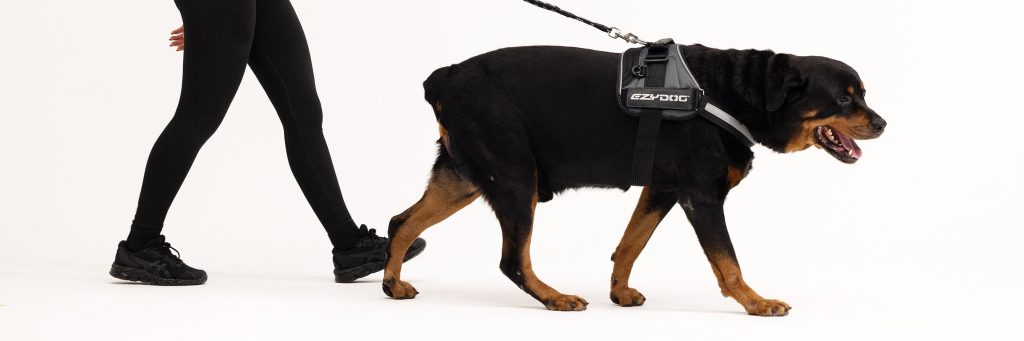
Choosing the right harness for your dog is just the first step. The real challenge?
Making sure it fits perfectly. A harness that doesn’t fit well can cause discomfort, restrict movement, or even lead to injuries. You want your furry friend to feel safe, comfortable, and secure every time you go for a walk. You’ll discover exactly how a harness should fit on your dog—so you can avoid common mistakes and keep your companion happy and healthy.
Keep reading to learn the simple tips that make all the difference.
Choosing The Right Harness
Choosing the right harness for your dog is more than just picking a stylish accessory. It directly affects your dog’s comfort, safety, and even behavior during walks. A well-fitted harness prevents injuries and gives you better control, making your walks more enjoyable for both of you.
Types Of Dog Harnesses
There are several types of harnesses designed to meet different needs. Chest-clip harnesses are great for everyday walks and prevent pulling without choking your dog.
Back-clip harnesses offer comfort but may not stop pulling as effectively. No-pull harnesses have a front clip to redirect your dog’s movement, which can be very useful for training.
- Step-in harnesses are easy to put on and take off, ideal for dogs that dislike overhead straps.
- Adventure harnesses provide extra support and padding, perfect for active dogs who love hiking or running.
Think about your dog’s behavior and activity level when choosing the style. Have you noticed if your dog pulls hard or prefers to stay close? This insight will help you pick the best type.
Materials And Durability
The material of the harness affects both comfort and longevity. Nylon is lightweight and affordable but can cause chafing if not padded. Leather offers durability and a classic look but might be heavier and require maintenance.
Look for harnesses with breathable mesh or soft padding to keep your dog comfortable, especially during long walks or hot weather. Check the quality of buckles and stitching—they should feel sturdy and secure.
Durability matters if your dog is active or tends to chew on gear. Have you ever bought a harness that wore out quickly? Investing in a well-made product can save you money and hassle in the long run.
Sizing Your Dog
Proper sizing is crucial for a harness to fit correctly and work effectively. Measure your dog’s chest circumference at the widest point, usually right behind the front legs, and the neck circumference where the collar sits.
Each brand may have different sizing charts, so always compare your measurements before buying. A harness that’s too tight can cause discomfort or restrict movement, while one that’s too loose might allow your dog to slip out.
Try adjusting straps for a snug fit, ensuring you can slip two fingers between the harness and your dog’s body. Have you checked your dog’s harness fit recently? Dogs can gain or lose weight, and their needs might change over time.

Credit: www.reddit.com
Measuring Your Dog Accurately
A harness should fit snugly but not tight around your dog’s chest and shoulders. Leave enough space to fit two fingers between the harness and the dog’s body for comfort and safety. Proper fit prevents chafing and allows easy movement.
Measuring your dog accurately is crucial for a comfortable harness fit. A well-fitted harness ensures your dog’s safety and comfort. Accurate measurements prevent chafing and slipping. Let’s explore how to measure your dog correctly.Key Measurement Points
Understanding where to measure is essential. Here are the main points: – Neck Girth: Measure the base of the neck. This is where the collar sits. – Chest Girth: Measure the widest part of the chest. Usually behind the front legs. – Back Length: Measure from the base of the neck to the base of the tail. These measurements will guide you to the correct harness size.Tools Needed For Measuring
Having the right tools makes the process easier. Gather these items: – Soft Measuring Tape: Flexible and easy to use. – Notebook and Pen: Record the measurements for reference. – Treats: Keep your dog still and cooperative. These tools help ensure precise measurements.Common Measuring Mistakes
Avoiding common mistakes leads to a better fit. Be aware of these errors: – Measuring Too Tight: Leave some room for comfort. – Using a Rigid Tape: A soft tape provides accurate readings. – Overlooking Weight Fluctuations: Re-measure regularly if your dog’s weight changes. Avoid these pitfalls for a perfect harness fit.Fitting The Harness Properly
Fitting a harness properly is essential for your dog's safety and comfort. A well-fitted harness prevents chafing, escapes, and pressure on sensitive areas. It allows your dog to move naturally without restrictions.
Adjusting Straps For Comfort
Adjust each strap so the harness fits snugly but not tight. You should be able to fit two fingers between the harness and your dog’s body. Straps that are too loose can cause slipping. Straps that are too tight can irritate the skin.
Ensuring Freedom Of Movement
The harness must not restrict your dog’s natural movements. Check that your dog can walk, run, and sit easily. The harness should not press on the shoulders or limit leg movement. A good fit supports the chest without squeezing it.
Checking For Pressure Points
Look for spots where the harness digs into the skin. These pressure points can cause sores or discomfort. Adjust the harness or add padding if you find any. Regularly inspect your dog’s skin for redness or hair loss.

Credit: ezydog.com.au
Signs Of A Poor Fit
Signs of a poor harness fit can cause discomfort and harm to your dog. It is important to watch for these clues to ensure the harness fits properly. A harness that does not fit well can lead to pain, injury, or restricted movement. Spotting these signs early helps protect your dog’s health and makes walks more enjoyable.
Chafing And Skin Irritation
Redness or raw spots on your dog’s skin show a bad fit. Areas under the harness straps often rub and cause sores. Hair loss or scabs can appear where the harness presses too hard. Check your dog’s chest, armpits, and neck for these signs. Skin irritation means the harness is too tight or has rough edges.
Restricted Breathing Or Movement
Your dog should breathe and move freely with the harness on. If your dog pants more or seems tired quickly, the harness may be too tight. Watch for difficulty walking or running. A harness that limits leg or shoulder movement is not a good fit. It should allow your dog to move naturally without strain.
Harness Slipping Or Twisting
The harness should stay in place during walks. If it slips over your dog’s head or twists around, it is too loose. A slipping harness can cause uneven pressure and discomfort. Twisting straps may pinch skin or pull fur. A well-fitted harness stays secure and keeps your dog safe and comfortable.
Safety Tips For Harness Use
Ensuring your dog’s harness fits safely is more than just comfort—it’s about protecting your furry friend during every walk. A poorly fitted harness can lead to escapes, injuries, or unnecessary stress for your dog. Paying attention to safety tips helps you avoid these risks and enjoy worry-free outings together.
Avoiding Escape Risks
Dogs can be surprisingly clever at slipping out of ill-fitting harnesses. Make sure the harness fits snugly but not too tight—two fingers should slide comfortably between the harness and your dog’s body. Check if your dog can wiggle out by gently pulling at the straps; if they can, it’s time to adjust or try a different style.
Have you ever watched your dog suddenly bolt? That moment can be dangerous, especially if the harness isn’t secure. Choosing a harness designed with escape-proof features, like additional straps or secure clips, reduces this risk significantly.
Proper Attachment Of Leashes
The leash attachment point on the harness matters a lot. Always attach the leash to the designated D-ring, usually located on the back or front, depending on the harness type. Avoid clipping to decorative rings or loose fabric, which can break or detach under pressure.
Think about how your dog pulls. Front-clip harnesses help control pulling better but require a secure leash connection to avoid discomfort. Double-check that the clip is locked and can’t slip off during your walk. Have you ever had a leash clip come undone unexpectedly? Proper attachment prevents that hassle.
Regular Harness Inspections
Harnesses undergo wear and tear just like any gear. Inspect the straps, buckles, and stitching regularly for signs of damage or weakening. A frayed strap or cracked buckle can fail when you least expect it, putting your dog at risk.
Cleaning the harness is part of inspection too. Dirt and sweat can degrade materials over time. When was the last time you checked your dog’s harness for hidden damage? A quick weekly check keeps your dog safe and your harness reliable.
Training Your Dog With A Harness
Training your dog with a harness is a gentle and effective way to teach good walking habits. The harness gives you more control without hurting your dog’s neck. It helps your dog feel safe and comfortable during walks. Proper training ensures your dog learns to walk calmly by your side.
Introducing The Harness Gradually
Start by letting your dog sniff and explore the harness. Place it near their bed or toys for a few days. Next, gently put the harness on for a short time indoors. Watch your dog’s reaction and reward calm behavior. Increase the time slowly until your dog wears it without stress.
Encouraging Positive Associations
Use treats and praise to make the harness a good thing. Give a treat each time you put it on or take it off. Play games while your dog wears the harness to build happy memories. Positive feelings help your dog accept the harness easily and willingly.
Correcting Pulling Behavior
When your dog pulls, stop walking immediately. Wait calmly until the leash is loose again. Reward your dog for walking beside you without pulling. Change direction if pulling continues to keep your dog’s attention. Consistency helps your dog learn that pulling ends the fun.
Maintaining And Cleaning Your Harness
Keeping your dog’s harness clean and well-maintained improves comfort and safety. Dirt, sweat, and oils can build up over time. This buildup may cause skin irritation or damage the harness material. Regular care helps the harness last longer and stay effective.
Proper cleaning removes dirt and bacteria. Storing the harness correctly prevents damage. Knowing when to replace it ensures your dog’s safety.
Washing Recommendations
- Check the label for cleaning instructions.
- Hand wash with mild soap and warm water.
- Use a soft brush for stubborn dirt.
- Rinse thoroughly to remove all soap.
- Air dry completely before reuse.
- Avoid bleach or harsh chemicals.
- Machine wash only if the label allows it.
Storage Tips
- Keep the harness in a dry place.
- Avoid direct sunlight to prevent fading.
- Hang it up to keep its shape.
- Do not store in damp or dirty areas.
- Separate from sharp objects to avoid tears.
When To Replace The Harness
- Replace if straps are frayed or torn.
- Change if buckles or clips break or loosen.
- Swap out if it no longer fits properly.
- Consider replacement after heavy wear or damage.
- Replace if the harness causes skin irritation.
Credit: medium.com
Frequently Asked Questions
How Tight Should A Dog Harness Fit?
A dog harness should fit snugly but not tightly. You should fit two fingers between the harness and your dog’s body. This ensures comfort and prevents chafing while maintaining control during walks.
Where Should A Harness Sit On A Dog?
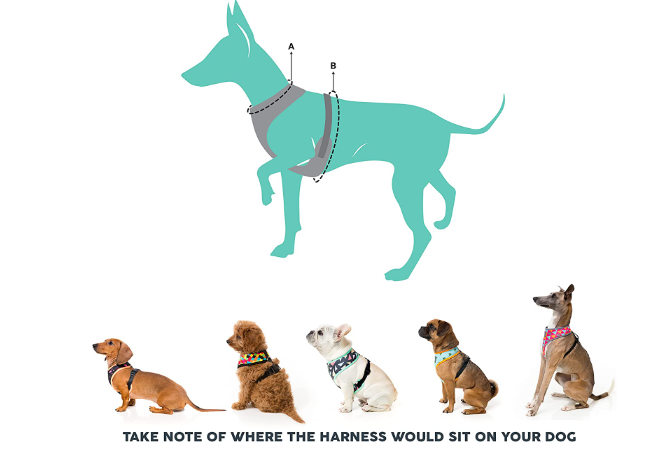
The harness should sit high on the dog’s chest, behind the front legs. It should not rest on the neck or restrict shoulder movement. Proper placement allows better control and comfort for your dog.
Can A Harness Cause Discomfort If Fitted Wrong?
Yes, an ill-fitting harness can cause chafing, sores, and restrict movement. It may also cause pressure on the neck or shoulders, leading to pain. Always check the fit regularly and adjust as needed.
How To Measure My Dog For A Harness?
Measure your dog’s chest girth at the widest part, usually behind the front legs. Also, measure the neck circumference where the collar normally sits. These measurements help you choose the correct harness size for a secure fit.
Conclusion
A harness should fit snugly but not too tight on your dog. It must allow easy movement without chafing the skin. Check straps often for a secure, comfortable fit. A well-fitted harness keeps your dog safe and happy. Remember to adjust it as your dog grows or changes weight.
Comfort and safety come first in choosing a harness. Take time to measure and try different styles. Your dog will thank you with every walk. Simple steps make a big difference in harness fit.

Emily Barker is the founder of ChillDogLife.com, a space dedicated to helping pup parents discover the best dog products, lifestyle tips, and cozy ideas for happier homes.
A lifelong dog lover, Emily combines her passion for pets with a knack for research to share trusted recommendations on everything from toys and furniture to health and everyday care.
Her goal is simple: to make life easier, stylish, and more joyful for dogs and the people who love them.




