Thinking about adopting a dog? You might be wondering, “How old do I need to be to adopt a dog?” Whether you’re a teen eager to bring home a furry friend or an adult ready to add a new member to your family, knowing the right age is important.
This isn’t just about rules—it’s about making sure you and your new dog are set up for success. You’ll discover what age works best for adopting a dog, why it matters, and how you can prepare yourself to give your new pet the best life possible.
Keep reading to find out everything you need to know before making this exciting decision.
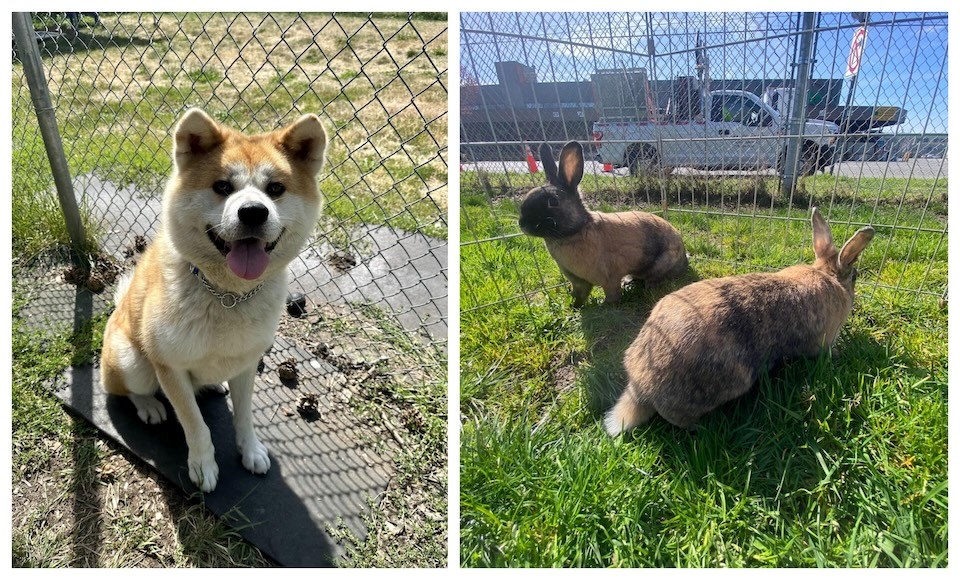
Credit: www.winnipeg.ca
Ideal Age For Adopting A Dog
Choosing the right age to adopt a dog affects your experience and the dog’s happiness. Each age group has unique needs and benefits. Knowing these can help you find a dog that fits your lifestyle and care ability.
Puppy Adoption Age
Puppies are usually ready to leave their mother at about 8 weeks old. At this age, they start learning social skills from their littermates. Puppies need a lot of attention, training, and patience. They can adapt well to new homes and environments. Early training helps build good behavior. Puppies require more time and effort but offer years of companionship.
Adult Dog Adoption Age
Adult dogs range from 1 to 7 years old. They often have some training and social skills already. Adult dogs need less supervision than puppies. They tend to have a calmer energy level. Choosing an adult dog can be good for busy people. Their personality is usually clear, making it easier to match with your lifestyle. Adult dogs can be loyal and loving pets.
Senior Dog Adoption Age
Senior dogs are typically 7 years or older. They may need special health care and gentle exercise. Senior dogs often have a calm and gentle nature. They can be a great choice for quiet homes. Adopting a senior dog gives them a loving final chapter. Their experience and calmness can bring peace to your home.

Credit: www.vancouverisawesome.com
Factors Influencing Adoption Age
Deciding the right age to adopt a dog depends on several important factors that affect both you and the pet. Understanding these influences helps ensure a smooth transition and a lasting bond. Let’s look at the key elements that shape this decision.
Lifestyle And Time Commitment
Your daily routine plays a big role in choosing the age of your new dog. Puppies need a lot of time for training, play, and socialization, which can be overwhelming if you have a busy schedule.
Older dogs usually require less intensive care and may fit better with a hectic lifestyle. Ask yourself: how much time can you realistically dedicate to walks, feeding, and companionship?
Experience With Dogs
If you’re new to dog ownership, adopting a very young puppy might be challenging. Puppies demand patience and knowledge to handle behaviors like chewing and house training.
Experienced dog owners often feel more comfortable adopting younger dogs or those with special needs. Reflect on your confidence level and past experiences—these affect how well you manage training and care.
Family And Household Considerations
The age of your dog can impact family dynamics, especially with children or elderly members at home. Puppies bring energy and unpredictability, which may not suit every household.
Older dogs tend to have calmer temperaments and established behaviors, making them easier to integrate. Consider the ages and personalities of your family members when choosing your dog’s age.
Benefits Of Adopting At Different Ages
Adopting a dog at any age brings unique benefits. Each life stage offers different joys and challenges. Understanding these can help find the best match for your home and lifestyle.
Advantages Of Puppies
Puppies bring boundless energy and curiosity. They adapt easily to new environments and people. Training a puppy shapes behavior from the start. Early socialization helps prevent future problems. Puppies often form strong bonds with their owners. Watching a puppy grow is a joyful experience. They require patience and time for care and guidance.
Perks Of Adult Dogs
Adult dogs have established personalities and habits. Their energy levels are more predictable than puppies. Many are already house-trained and know basic commands. This makes transition smoother and less work. Adult dogs often adjust quickly to new families. They still offer plenty of love and loyalty. Choosing an adult dog can suit busy lifestyles well.
Why Choose Senior Dogs
Senior dogs bring calm and gentle companionship. Their needs are often simpler and less demanding. Many senior dogs are already trained and well-mannered. They usually appreciate quiet, loving homes. Adopting a senior dog saves a life and offers gratitude. These dogs enjoy peaceful routines and steady affection. Choosing a senior dog can be deeply rewarding.
Challenges By Dog Age Group
Choosing the right age to adopt a dog means understanding the unique challenges each age group brings. Puppies, adults, and seniors all have different needs that affect your time, energy, and resources. Recognizing these challenges helps you prepare and ensures a smoother transition for both you and your new companion.
Puppy Training Demands
Puppies require constant attention and patience. You’ll spend hours teaching basic commands, house training, and socializing them with people and other animals. Expect accidents and some sleepless nights as you guide your puppy through this critical learning phase.
Are you ready to invest time every day in training and supervision? Puppies thrive on routine, so consistency is key. Missing training sessions can lead to confusion and behavior problems later on.
Behavioral Issues In Adults
Adult dogs may come with unknown histories, which sometimes result in behavioral challenges. Fear, anxiety, or aggression might appear, especially if the dog experienced trauma or neglect. You’ll need patience and possibly professional help to work through these issues.
On the upside, many adult dogs are already housetrained and calmer than puppies. But, can you commit to understanding their past and giving them a chance to trust you? This can be a rewarding journey if you’re prepared.
Health Concerns In Seniors
Senior dogs often face health problems like arthritis, dental issues, or vision loss. These conditions require regular vet visits and sometimes costly treatments. You’ll need to adjust your home environment to keep your senior comfortable and safe.
Are you willing to provide extra care and possibly medical support? Older dogs offer deep companionship but depend on you more than younger dogs. If you seek a laid-back friend and have the resources, seniors can be a perfect match.
Preparing For Your New Dog
Preparing for your new dog sets the stage for a happy life together. A well-prepared home makes your dog feel safe and loved. Careful planning helps avoid stress for both of you. Focus on creating a welcoming space and gathering the right supplies. Also, start thinking about basic training and social skills early.
Setting Up The Home
Create a quiet area just for your dog. Use a comfortable bed or crate in a low-traffic spot. Remove items that could be dangerous or easily chewed. Set up water and food bowls in a consistent place. Keep the home tidy to prevent accidents and stress. Make sure the area is easy to clean and safe.
Essential Supplies
- Food and water bowls
- Dog bed or crate
- Leash and collar with ID tag
- Chew toys and play toys
- Grooming tools like brushes and nail clippers
- Dog food suited to your dog’s age and size
Buying the right supplies helps your dog settle faster. Choose items that fit your dog’s breed and age. Prepare for grooming and feeding needs to keep your dog healthy.
Training And Socialization Tips
Start training as soon as your dog arrives. Use simple commands like “sit,” “stay,” and “come.” Be patient and consistent with your dog’s learning. Socialize your dog with people and other animals safely. Short, positive sessions work best. Reward good behavior with treats and praise. Early training builds trust and good habits for life.
Age And Adoption Policies
Age plays a key role in the dog adoption process. Policies vary depending on the place and type of organization. Understanding these rules helps find the right dog for your home.
Shelter Age Restrictions
Shelters often have minimum age limits for adopters. Most require adopters to be at least 18 years old. Some shelters ask for proof of age. This ensures adopters can care for the dog properly.
Some shelters may require adopters to be even older. This depends on the dog’s size, breed, or special needs. Puppies may have extra rules due to their care needs.
Rescue Organization Guidelines
Rescue groups set their own adoption policies. They focus on matching dogs with suitable homes. Age limits can vary widely by group.
Many rescues ask adopters about their experience with pets. They may require home visits or interviews. These steps make sure the dog’s age fits the adopter’s lifestyle.
Legal Considerations
Local laws can affect who can adopt a dog. Some cities have age limits for pet ownership. These laws protect both the dog and the adopter.
Legal rules also cover dog licensing and vaccination. Adopters must follow these laws after adoption. Knowing these rules helps avoid problems later.

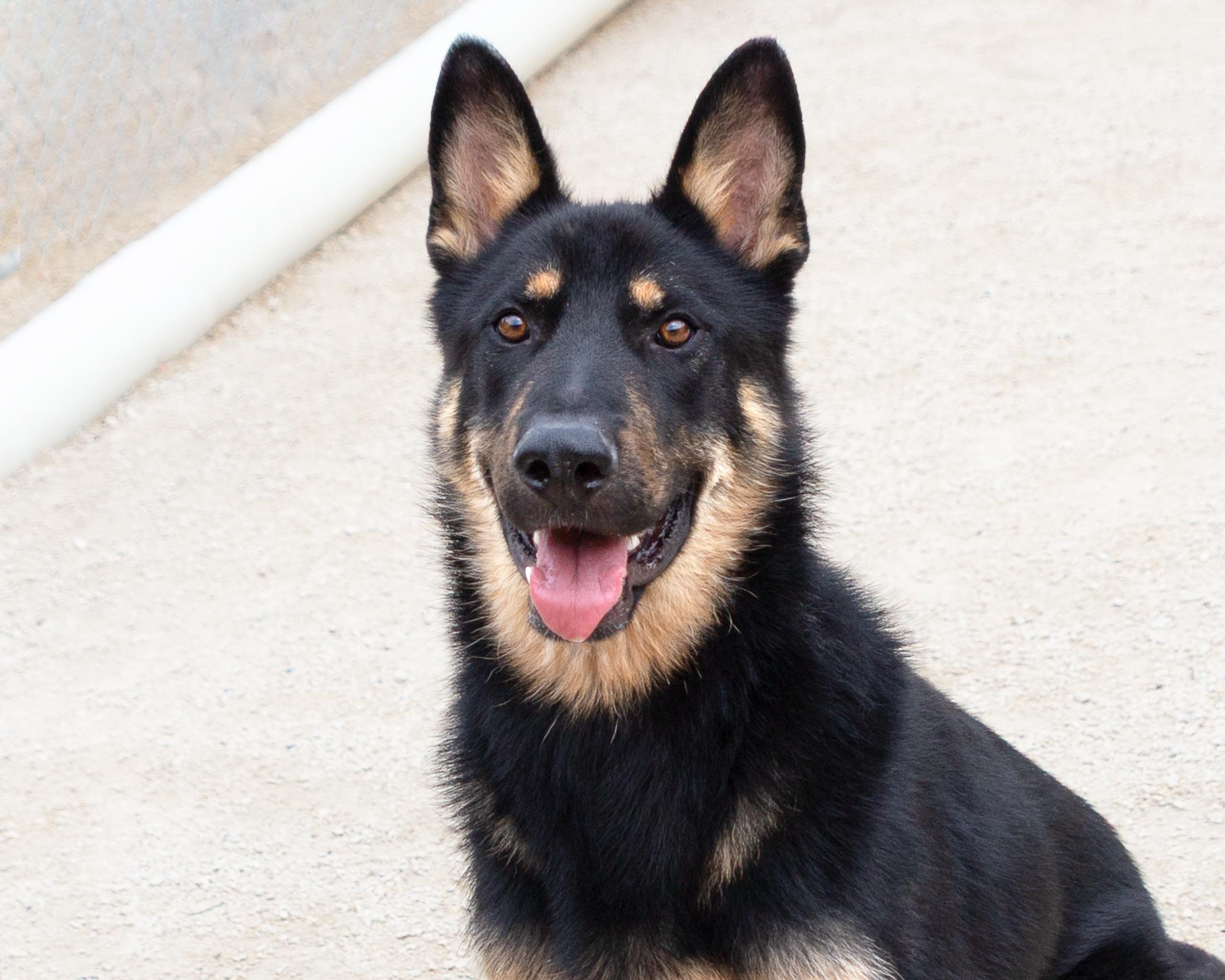
Credit: www.dogguides.com
Frequently Asked Questions
What Is The Minimum Age To Adopt A Dog?
The minimum age to adopt a dog varies by location. Generally, most shelters require adopters to be at least 18 years old. Some may require you to be 21 or older. It’s essential to check the specific requirements of the adoption center or shelter you are interested in.
Can Teenagers Adopt A Dog With Parental Consent?
Yes, teenagers can often adopt a dog with parental consent. Many shelters allow minors to adopt if a parent or guardian co-signs the adoption contract. This ensures that an adult is responsible for the dog’s care and well-being.
Do You Need To Be Financially Stable To Adopt A Dog?
Yes, being financially stable is crucial when adopting a dog. Dogs require regular veterinary care, food, grooming, and other necessities. Ensuring you have a steady income helps provide for these needs. It’s important to budget for unexpected expenses as well, such as emergency vet visits.
Are There Age Requirements For Adopting Specific Dog Breeds?
Yes, some shelters have age requirements for adopting specific breeds. This is often due to the breed’s size, temperament, or exercise needs. It’s important to inquire about any specific age or experience requirements when considering a particular breed for adoption.
Conclusion
Adopting a dog of any age brings joy and love. Puppies need more time and patience for training. Older dogs often come with calm and known habits. Think about your lifestyle and how much time you have. Choose a dog that fits your home and energy.
Every dog deserves a happy family and good care. Your new friend will give you loyalty and fun. Taking time to decide helps create a strong bond. Enjoy the journey of adopting your perfect dog.

Emily Barker is the founder of ChillDogLife.com, a space dedicated to helping pup parents discover the best dog products, lifestyle tips, and cozy ideas for happier homes.
A lifelong dog lover, Emily combines her passion for pets with a knack for research to share trusted recommendations on everything from toys and furniture to health and everyday care.
Her goal is simple: to make life easier, stylish, and more joyful for dogs and the people who love them.




