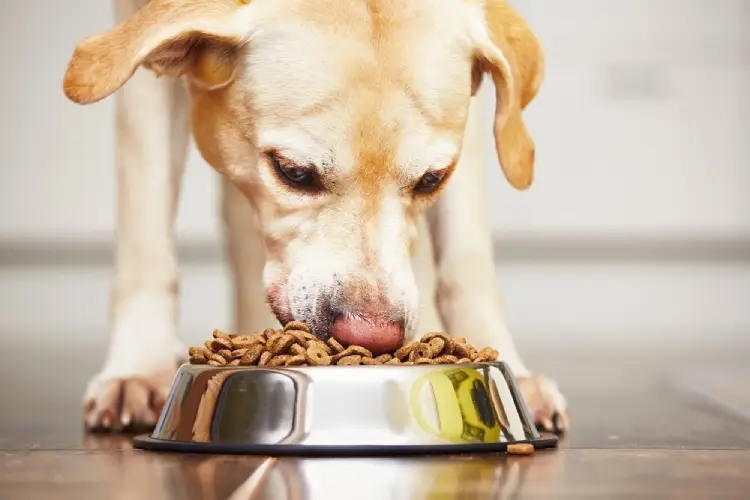
Are you wondering if you’re feeding your adult dog the right amount of food? Giving your furry friend too little can leave them hungry and low on energy, while too much can lead to weight gain and health problems.
Finding the perfect balance isn’t always easy, but it’s crucial for your dog’s happiness and well-being. You’ll discover simple, practical tips to help you figure out exactly how much food your adult dog needs every day. Keep reading to make sure your dog stays healthy, active, and full of life!
Factors Influencing Dog Food Intake
Knowing how much food an adult dog needs is important for their health. Different dogs eat different amounts based on many things.
Here are key factors that affect how much food your dog should eat every day.
Breed And Size
Dog breeds come in many sizes, from tiny to very large. A dog’s size affects how much food it needs.
Small breeds need less food than large breeds because they burn fewer calories. Large breeds need more food to keep their energy.
- Small breeds (under 20 pounds) eat less food
- Medium breeds (20 to 50 pounds) need a moderate amount
- Large breeds (over 50 pounds) require more food
Age And Activity Level
Older dogs often eat less than younger dogs. Puppies and young adults need more food for growth and energy.
Active dogs burn more calories and need more food. Dogs that rest a lot or have low activity eat less.
- Young dogs need more calories for growth
- Active dogs require extra food for energy
- Older or less active dogs eat smaller amounts
Health Conditions
Some health problems change how much a dog should eat. Dogs with certain illnesses may need special diets.
Weight issues, allergies, or digestive problems can affect food intake and nutrition needs.
- Overweight dogs may need less food to lose weight
- Underweight dogs need more calories to gain weight
- Dogs with allergies might need special food types
- Digestive problems can limit the amount or type of food
Credit: www.upgrademystatus.com
Daily Calorie Requirements
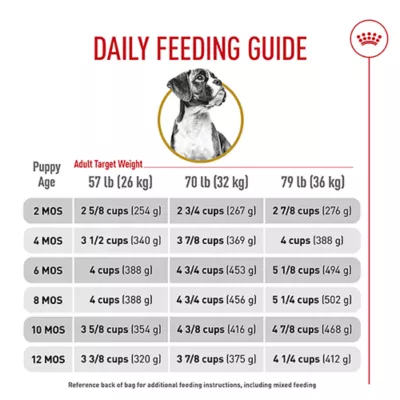
Adult dogs need a certain amount of calories each day to stay healthy. The right amount depends on their size, age, and activity level.
Feeding the right calories helps keep your dog at a healthy weight. It also supports their energy and overall well-being.
Calculating Calorie Needs
To find how many calories your dog needs, use their weight and activity level. This calculation helps you plan meals better.
- Find your dog’s weight in kilograms (kg).
- Use the formula: Resting Energy Requirement (RER) = 70 × (weight in kg)^0.75.
- Multiply RER by an activity factor:
- 1.2 for inactive dogs
- 1.4–1.6 for normal activity
- 1.8–2.0 for very active dogs
- The result is the daily calorie need.
Adjusting For Weight Goals
You may want your dog to lose, gain, or maintain weight. Adjust calories to fit these goals.
| Weight Goal | Calorie Adjustment | Example for 20 kg Dog |
| Maintain Weight | 100% of daily calories | About 900 calories |
| Lose Weight | Reduce by 20% | About 720 calories |
| Gain Weight | Increase by 20% | About 1080 calories |
Types Of Dog Food
Choosing the right food for your adult dog is important for their health. Different types of dog food offer various benefits and nutrients. Understanding these types helps you feed your dog the right amount.
Each type of dog food has its own features and feeding guidelines. Below, you will learn about dry kibble, wet food, and raw or homemade diets.
Dry Kibble
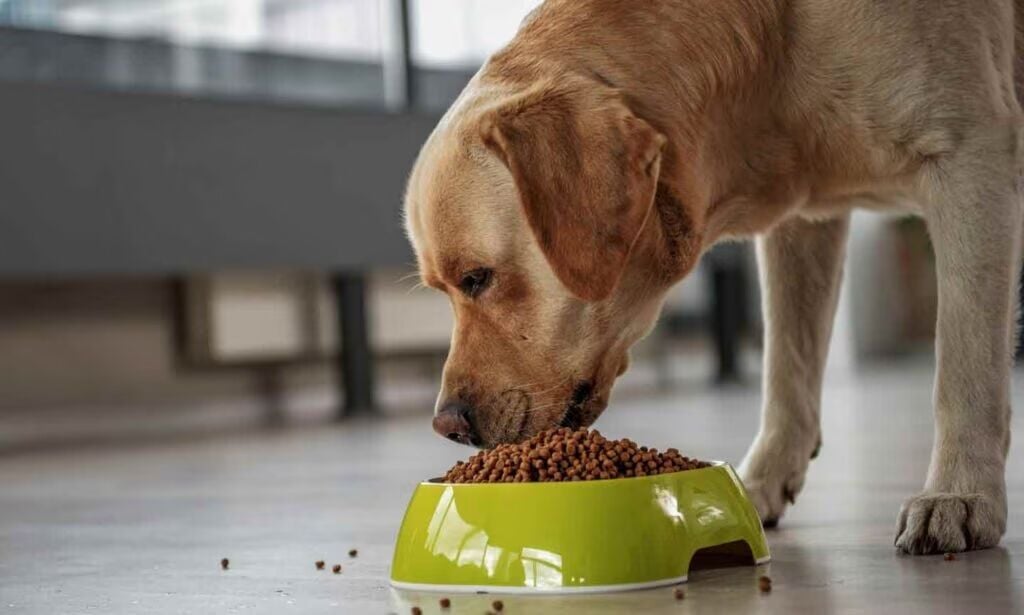
Dry kibble is the most common type of dog food. It is easy to store and usually less expensive. Kibble helps keep your dog’s teeth clean by reducing tartar buildup.
- Made from ground meat, grains, and vegetables
- Long shelf life when stored properly
- Available in many flavors and formulas
- Requires fresh water during feeding
Wet Food
Wet food contains more moisture than dry kibble. It is soft and easy to chew. This type of food can be more appealing to picky eaters or dogs with dental problems.
| Advantages | Disadvantages |
| Higher moisture content helps with hydration | More expensive than dry kibble |
| Often more palatable for dogs | Shorter shelf life after opening |
| Easier for older dogs to eat | Can cause dental plaque if fed alone |
Raw And Homemade Diets
Raw and homemade diets allow you to control ingredients. These diets often include raw meat, vegetables, and grains. Preparing food at home can meet your dog’s specific needs.
Points to consider:
- Requires careful planning to ensure balanced nutrition
- Risk of bacterial contamination if not handled properly
- Can be more time-consuming than commercial food
- Consult your vet before starting this diet
Credit: www.eacourier.com
Portion Guidelines By Weight
Feeding your dog the right amount of food is crucial. The amount depends on their size and energy needs.
Knowing the correct portion size helps maintain their weight and health.
Small Breeds
Small breeds have fast metabolisms. They need smaller, more frequent meals.
- 1 to 10 pounds: 1/4 to 3/4 cup per day
- 10 to 20 pounds: 3/4 to 1 cup per day
Medium Breeds
Medium breeds are active and need balanced portions. Portion size varies with age and activity level.
| Weight | Daily Portion |
| 20 to 30 pounds | 1 to 1 1/2 cups |
| 30 to 50 pounds | 1 1/2 to 2 cups |
Large Breeds
Large breeds require more food. Their portions should be split to prevent bloating.
Consider feeding them twice daily:
- 50 to 70 pounds: 2 to 2 1/2 cups
- 70 to 90 pounds: 2 1/2 to 3 cups
- 90+ pounds: 3 to 4 cups
Feeding Frequency And Schedule
Feeding your adult dog the right amount of food is important for their health. The feeding schedule helps keep their digestion steady and energy balanced.
Knowing when and how often to feed your dog makes it easier to control their weight and avoid overeating.
Meal Timing
Feed your dog at the same times each day. This helps their body get used to a routine. Dogs like regular meal times.
A good time to feed is in the morning and evening. Avoid feeding right before or after exercise to prevent stomach issues.
Number Of Meals Per Day
Most adult dogs do well with two meals a day. This keeps their energy steady and digestion smooth.
Small dogs or those with special needs might need three meals. Large dogs usually do best with two meals.
- Two meals daily is standard for adult dogs
- Split total daily food into equal parts
- Feed small dogs more often if needed
- Avoid free feeding to control portions
Credit: www.petmd.com
Signs Of Overfeeding And Underfeeding
Feeding your dog the right amount of food is important for their health. Too much or too little can cause problems. Let’s explore the signs of overfeeding and underfeeding.
Weight Gain And Obesity
Dogs that eat too much gain weight quickly. They may become obese, which can lead to health issues. Watch for signs like difficulty moving or breathing.
Obesity can shorten a dog’s life. It puts stress on their heart and joints. Keep an eye on your dog’s body shape and energy levels.
- Visible ribs mean your dog is underfed
- No waistline might suggest overfeeding
- Low energy can be a sign of both issues
Nutritional Deficiencies
If a dog does not eat enough, they might lack nutrients. This can make them weak or sick. Poor coat quality or skin issues might appear.
Deficiencies can affect growth and immune function. Make sure your dog’s diet is balanced and provides all necessary nutrients.
- Check for dull or brittle fur
- Watch for frequent illnesses
- Monitor for slow growth in young dogs
Tips For Monitoring And Adjusting Portions
Feeding your adult dog the right amount of food keeps them healthy. You can watch their body and habits to find the right portions.
Adjusting portions often means checking your dog’s weight and health regularly. Use simple methods to know if your dog needs more or less food.
Using Body Condition Scoring
Body Condition Scoring (BCS) helps you see if your dog is too thin, just right, or overweight. This method looks at your dog’s ribs, waist, and belly.
- Feel your dog’s ribs. You should feel them but not see them.
- Look at your dog from above. The waist should be visible behind the ribs.
- Check from the side. The belly should tuck up behind the ribs.
- Score from 1 (too thin) to 9 (too fat). Aim for 4 or 5 as ideal.
- Adjust food if score is too low or too high.
Regular Vet Checkups
Your vet can help you know the right food amount for your dog. Regular checkups show if your dog’s weight and health are good.
| Checkup Item | Why It Matters | How It Helps Portion Control |
| Weight Measurement | Track if your dog gains or loses weight | Change food amount if weight changes |
| Physical Exam | Detect health issues that affect appetite | Adjust diet for health needs |
| Body Condition Score | Assess fat and muscle balance | Guide portion size changes |
| Diet Review | Check current food quality and quantity | Recommend portion adjustments |
Frequently Asked Questions
How Much Food Does An Adult Dog Need Daily?
Adult dogs need about 2-3% of their body weight in food daily. This varies by breed, age, and activity level. Always adjust portions based on your dog’s specific needs and health.
What Factors Affect An Adult Dog’s Food Quantity?
Age, weight, breed, activity level, and health conditions influence food amounts. Active dogs require more calories, while older or less active dogs need less. Consult your vet for tailored advice.
How To Determine The Right Portion Size For Dogs?
Use your dog’s weight and calorie needs to measure food. Check pet food labels for feeding guidelines. Regularly monitor your dog’s weight and adjust portions accordingly.
Can Overfeeding Harm Adult Dogs?
Yes, overfeeding causes obesity, joint issues, and heart problems. It reduces lifespan and quality of life. Feed balanced meals and avoid excessive treats to keep your dog healthy.
Conclusion
Feeding an adult dog the right amount keeps them healthy and happy. Every dog’s needs differ by size, age, and activity. Watch your dog’s weight and adjust food as needed. Quality food and regular meals help maintain good health. Consult your vet for personalized feeding advice.
Remember, balanced feeding supports a long, active life. Simple steps make a big difference in your dog’s well-being. Keep your dog’s diet steady and your pet will thank you.

Emily Barker is the founder of ChillDogLife.com, a space dedicated to helping pup parents discover the best dog products, lifestyle tips, and cozy ideas for happier homes.
A lifelong dog lover, Emily combines her passion for pets with a knack for research to share trusted recommendations on everything from toys and furniture to health and everyday care.
Her goal is simple: to make life easier, stylish, and more joyful for dogs and the people who love them.




