
Are you wondering when your puppy should switch to adult dog food? Knowing the right time can make a big difference in your dog’s health and happiness.
Feeding your furry friend the wrong food at the wrong age might cause digestion issues or slow growth. You’ll discover exactly when dogs start eating adult food and how to make the transition smooth and safe. Keep reading to ensure your dog gets the best nutrition at every stage of life.
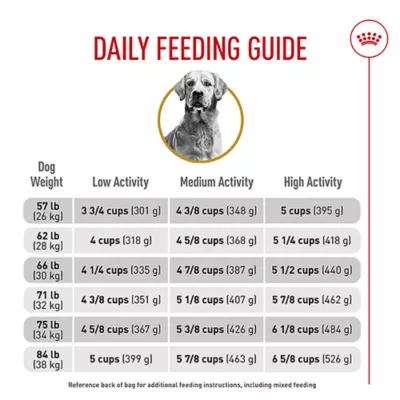
Credit: www.petsmart.com
When To Switch To Adult Food
Knowing when to switch your dog to adult food is important for their health. Puppies need special food for growth. Adult food has different nutrients for mature dogs.
Changing food too early or too late can cause problems. Watch your puppy closely to find the right time to switch.
Signs Your Puppy Is Ready
Your puppy shows signs when ready for adult food. They may grow slower or stop gaining weight fast. Their teeth also change from baby to adult teeth.
Look for these signs before switching:
- Puppy has lost baby teeth and has adult teeth
- Growth rate slows down noticeably
- Energy levels become steadier, not hyperactive
- Puppy finishes teething phase
Common Age Benchmarks
Most puppies switch to adult food between 9 and 12 months old. Some smaller breeds can switch earlier. Larger breeds may need more time.
- Small breeds: 9 to 12 months
- Medium breeds: 12 months
- Large breeds: 12 to 18 months
- Giant breeds: up to 24 months
Age is a good guide but watch your puppy’s growth and health too.
Breed Size And Timing
Breed size affects when to switch foods. Small dogs grow faster and mature sooner. Large dogs take longer to finish growing.
Switching too soon for large breeds can cause health issues. Large breeds need adult food with special nutrients for bones.
- Small breeds mature by 9-12 months
- Medium breeds mature around 12 months
- Large breeds mature between 12-18 months
- Giant breeds mature up to 24 months
Differences Between Puppy And Adult Food
Puppies and adult dogs need different types of food. Their bodies grow and change, so their nutrition must match.
Puppy food helps young dogs grow strong. Adult food keeps grown dogs healthy and active.
Nutritional Needs
Puppies need more protein and fat than adult dogs. These nutrients help build muscles and support brain growth.
Adult dogs need balanced nutrients to keep their weight and energy steady. They do not need as much protein or fat.
- Puppy food has higher protein levels
- More fat in puppy food for energy
- Adult food focuses on maintenance nutrients
Calorie Content
Puppies burn more calories because they grow fast. Their food has more calories to support this growth.
Adult dogs burn fewer calories daily. Their food has fewer calories to prevent weight gain.
- Higher calorie food for puppies
- Lower calorie food for adults
- Calorie needs drop after puppy stage
Ingredient Variations
Puppy food uses ingredients that support growth and strong bones. It often includes DHA for brain development.
Adult food uses ingredients to keep skin, coat, and joints healthy. It may have more fiber for digestion.
- Puppy food includes DHA and extra calcium
- Adult food has more fiber and joint support
- Both formulas use quality proteins
Transitioning Your Dog’s Diet
Changing your dog's food from puppy to adult requires care. A smooth change helps your dog stay healthy.
Watch your dog’s reactions to the new food to avoid problems. The process should be slow and steady.
Gradual Food Changes
Switch your dog’s food little by little over at least one week. This helps the stomach adjust to the new diet.
- Start by mixing 25% adult food with 75% puppy food.
- Increase adult food to 50% on day four.
- Move to 75% adult food by day six.
- Feed 100% adult food from day eight onward.
Avoiding Digestive Issues
Digestive problems can happen during diet changes. Watch for vomiting, diarrhea, or loss of appetite.
| Symptom | Action |
| Vomiting | Slow the transition and consult your vet |
| Diarrhea | Give bland food and monitor closely |
| Loss of Appetite | Try mixing in puppy food longer |
Monitoring Your Dog’s Response
Check your dog’s energy and stool quality daily. Healthy dogs are active and have firm stools.
- Steady weight
- Bright eyes and shiny coat
- Regular eating habits
- Normal bathroom routine
Special Considerations
Choosing the right time to switch your dog to adult food depends on several factors. Each dog is unique, so you must watch their growth and health closely. Understanding special considerations can help you make the best choice for your pet.
Some dogs need more attention when changing their diet. Breed size, health issues, and advice from your vet play important roles. Read on to learn about these key points.
Large Vs Small Breeds
Large and small dog breeds grow at different rates. This affects when they should start eating adult food. Small breeds grow faster and often switch earlier. Large breeds take longer to mature and need puppy food for a longer time.
| Breed Size | Switch to Adult Food | Reason |
|---|---|---|
| Small Breeds | 6-9 months | Faster growth and early maturity |
| Large Breeds | 12-24 months | Slow growth, need joint support |
Health Conditions
Some dogs have health issues that affect their diet needs. Conditions like allergies, digestive problems, or weight concerns require special food. Switching to adult food might need extra care or specific formulas.
- Dogs with allergies may need hypoallergenic adult food.
- Pets with sensitive stomachs benefit from gentle formulas.
- Overweight dogs need food with fewer calories.
- Dogs with joint problems require food with added supplements.
Veterinarian Recommendations
Your vet knows your dog’s health best. Always ask for their advice before changing food. They can suggest the right time and type of adult food based on your dog’s growth and health status.
Here are some questions to ask your vet:
- Is my dog ready to switch to adult food?
- What type of adult food suits my dog’s breed and health?
- Should I watch for any signs after changing food?
- How to transition smoothly to avoid stomach upset?
Signs Your Dog Needs A Diet Adjustment
Knowing when to change your dog’s food is important. Dogs start eating adult food at different ages, often around one year.
Watch for signs that your dog may need a new diet. These signs can help keep your dog healthy and happy.
Weight Changes
If your dog gains or loses weight quickly, their diet might need adjusting. Too much weight can cause health problems.
Check your dog’s body regularly. You should feel their ribs but not see them clearly.
- Sudden weight gain may mean too many calories
- Weight loss can show lack of nutrients
- Regular weighing helps track changes
Energy Levels
Low energy can mean your dog is not getting the right food. Active dogs need enough fuel to play and move.
If your dog seems tired or less playful, check their diet. Proper food keeps energy steady throughout the day.
- Less energy may point to poor nutrition
- High energy dogs need balanced meals
- Watch for changes in activity and mood
Coat And Skin Health
A dull coat or itchy skin shows your dog may need diet changes. Healthy skin and fur need good vitamins and fats.
Look for dry skin, redness, or hair loss. These signs can mean your dog’s food lacks important nutrients.
- Shiny coat means good nutrition
- Dry or flaky skin may need more fatty acids
- Hair loss can signal dietary problems

Credit: www.pethealthclub.com

Credit: jiminys.com
Frequently Asked Questions
When Should Puppies Switch To Adult Dog Food?
Puppies usually switch to adult dog food between 9 to 12 months. Large breeds may switch later, around 12-18 months. This timing supports healthy growth and development. Consult your vet to determine the best time based on your dog’s breed and size.
How To Know If My Dog Is Ready For Adult Food?
Signs include slowed growth, less frequent feeding, and adult teeth presence. Your vet can confirm readiness. Transition gradually over 7-10 days to avoid digestive issues. Monitoring your dog’s weight and energy helps ensure a smooth switch to adult food.
Can Switching To Adult Food Too Early Harm Dogs?
Yes, early switching can cause nutritional imbalances and growth problems. Puppies need puppy-specific nutrients for bone and muscle development. Always follow breed-specific guidelines and vet advice. Proper timing supports overall health and prevents deficiencies.
What Are The Differences Between Puppy And Adult Dog Food?
Puppy food has higher calories, protein, and nutrients for growth. Adult food supports maintenance with balanced nutrients and fewer calories. Ingredients vary to meet life stage needs. Feeding the right formula ensures optimal health and energy levels.
Conclusion
Dogs usually start eating adult food around one year old. This change helps support their growth and energy needs. Watch your dog’s size and breed for the best timing. Always switch food slowly to avoid stomach problems. Consult your vet if unsure about the right time.
Feeding adult food too early or late can cause issues. Remember, a healthy diet keeps your dog happy and strong. Pay attention to your dog’s signals and adjust as needed. Taking care of diet is part of loving your dog well.

Emily Barker is the founder of ChillDogLife.com, a space dedicated to helping pup parents discover the best dog products, lifestyle tips, and cozy ideas for happier homes.
A lifelong dog lover, Emily combines her passion for pets with a knack for research to share trusted recommendations on everything from toys and furniture to health and everyday care.
Her goal is simple: to make life easier, stylish, and more joyful for dogs and the people who love them.




