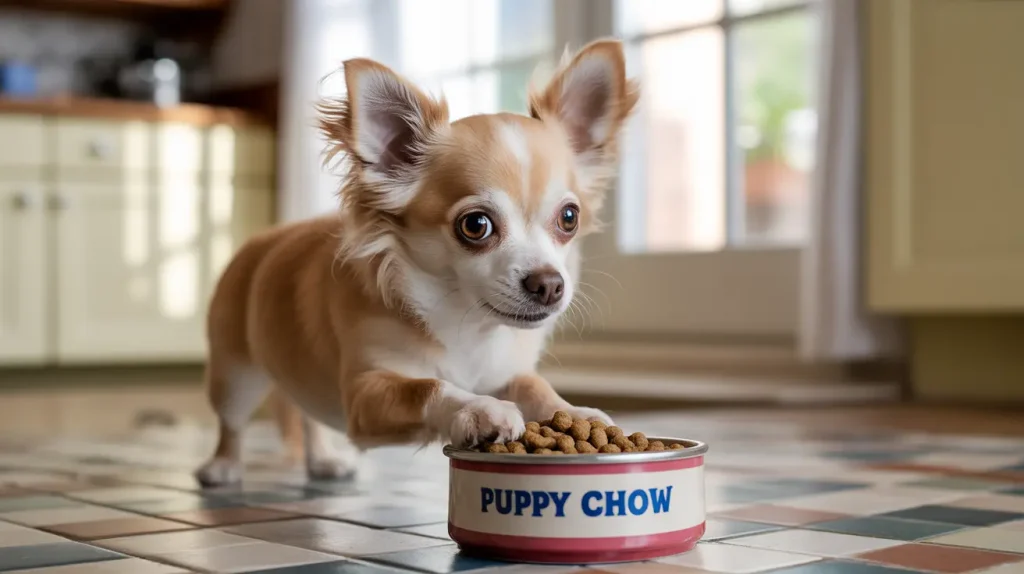
Have you ever wondered what happens if you feed your adult dog puppy food? It’s a question many dog owners ask, especially when they see those colorful bags labeled “puppy.” You might think it’s harmless or even beneficial, but the truth could surprise you.
What if feeding the wrong food affects your dog’s health, energy, or weight? Keep reading to discover the facts you need to know to keep your furry friend happy and healthy.
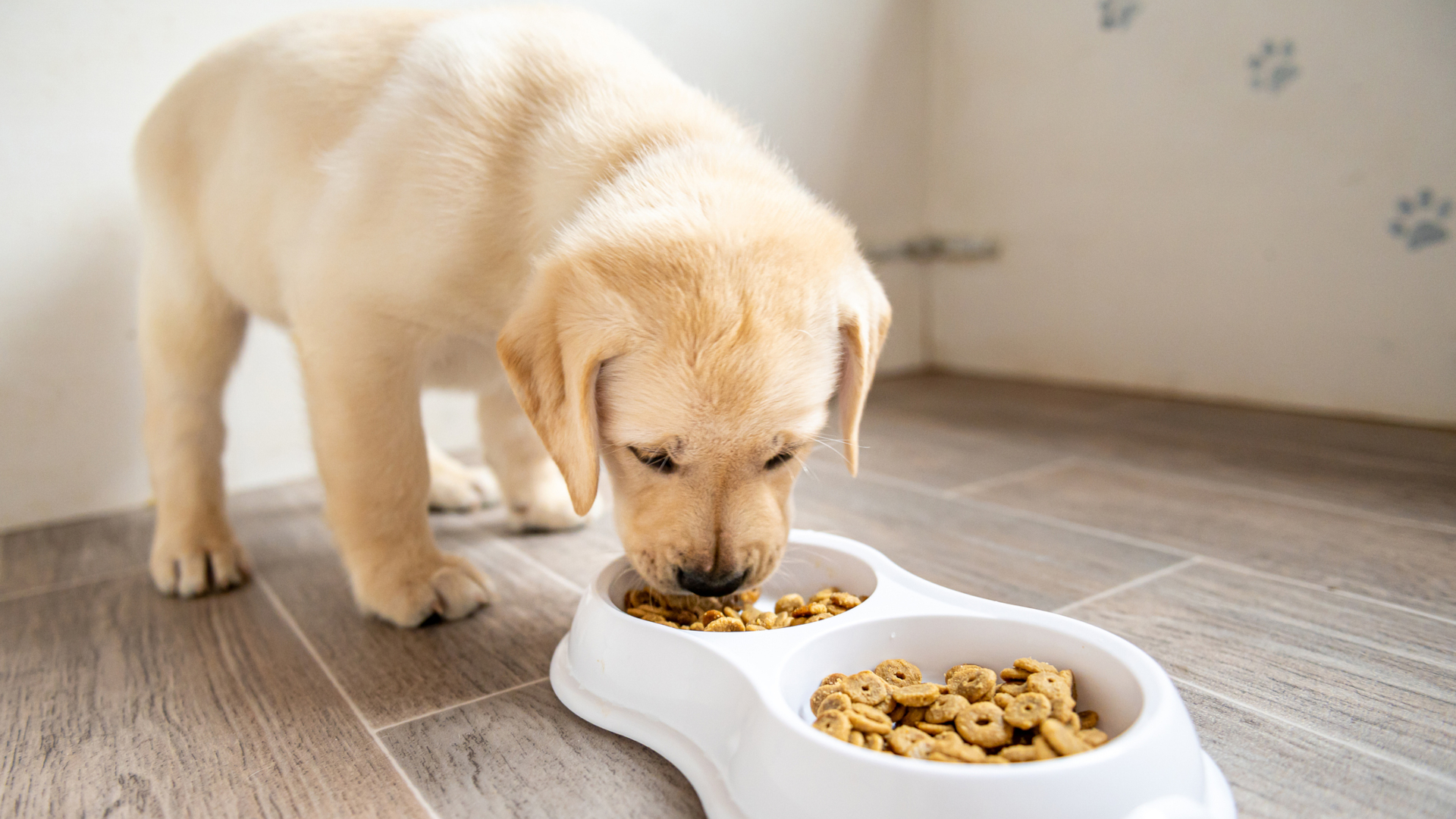
Credit: www.petsradar.com
Nutritional Differences
Feeding an adult dog puppy food can affect its nutrition. Puppy food has different nutrients than adult dog food.
Understanding these differences helps you know what changes to expect in your dog’s diet.
Calorie Content
Puppy food usually has more calories than adult dog food. Puppies need extra energy to grow strong.
Adult dogs may gain weight if they eat too many calories from puppy food.
- Puppy food: Higher calorie content for growth
- Adult dog food: Lower calorie content for maintenance
- Extra calories can lead to weight gain in adults
Protein Levels
Puppy food has more protein than adult dog food. Protein helps puppies build muscles and tissues.
Adult dogs need less protein because their growth is complete.
- Puppy food: High protein for muscle development
- Adult dog food: Moderate protein for maintenance
- Too much protein may strain adult dog kidneys
Fat Composition
Puppy food contains more fat than adult dog food. Fat gives puppies energy and supports brain growth.
Adult dogs need less fat to avoid weight gain and health issues.
- Puppy food: Higher fat for energy and development
- Adult dog food: Lower fat for weight control
- Extra fat can cause obesity in adult dogs
Short-term Effects On Adults
Feeding an adult dog puppy food can cause several short-term effects. Puppy food has more nutrients made for growing dogs.
These extra nutrients can change how an adult dog feels and digests food in the short term.
Energy Boost
Puppy food has more calories and protein. This can give adult dogs a quick energy boost.
The extra energy may make dogs more active or playful than usual. This effect usually lasts a short time.
Digestive Changes
Adult dogs may have digestive changes after eating puppy food. The richer food can cause soft stools or mild diarrhea.
Some dogs may take a few days to adjust to the higher fat and protein levels. Watch for any stomach upset.
Possible Overeating
Puppy food tastes good and is calorie-dense. Adult dogs might eat more than usual, leading to overeating.
Overeating can cause weight gain and may stress the digestive system in the short term.
Long-term Health Risks
Feeding an adult dog puppy food can cause health problems over time. Puppy food is designed for growing dogs and has more calories and nutrients.
Adult dogs have different needs. Giving them puppy food regularly can affect their body and health in many ways.
Weight Gain And Obesity
Puppy food has more calories and fat. Adult dogs eating it may gain weight fast. Extra weight can lead to obesity.
Obesity increases the risk of diabetes, heart disease, and shorter life spans. It also makes dogs less active and less happy.
- Higher calorie intake than needed
- Extra fat stored as body weight
- More strain on heart and organs
- Reduced energy and activity
Nutrient Imbalance
Puppy food has more protein and certain vitamins. Adult dogs do not need as much. Too many nutrients can cause problems.
Excess nutrients may harm organs like the kidneys. Lack of balance can lead to poor digestion and other health issues.
- Too much protein can stress kidneys
- Excess vitamins may cause toxicity
- Imbalance affects digestion and health
- May cause nutrient waste or deficiency
Joint And Bone Impact
Puppy food supports fast bone growth. Adult dogs eating it can get too much calcium and phosphorus. This harms their bones and joints.
Too many minerals can cause joint pain or stiffness. It may increase the chance of arthritis and other bone problems.
- Excess calcium affects bone strength
- Too much phosphorus harms joints
- May cause early arthritis
- Leads to discomfort and less movement
Credit: www.becopets.com
Behavioral Changes
Feeding an adult dog puppy food can cause changes in their behavior. This happens because puppy food is richer in calories and nutrients.
These changes are often seen in how active your dog is and what foods they prefer. Understanding these shifts helps you care better for your dog.
Increased Activity
Puppy food gives extra energy to adult dogs. This can make them more playful and active than usual.
- More running and jumping
- Increased excitement during playtime
- Longer attention span when training
- Higher restlessness when inactive
Food Preference Shifts
Adult dogs fed with puppy food may change what they like to eat. They might prefer the richer taste and texture of puppy food.
| Food Type | Adult Dog Preference |
| Regular Adult Dog Food | Less favored |
| Puppy Food | More appealing |
| Homemade Meals | Varies |
When Puppy Food Might Be Appropriate
Feeding an adult dog puppy food is not usually needed. Puppy food has more calories and nutrients to help young dogs grow. Adult dogs have different needs and may gain weight if they eat puppy food all the time.
Still, some adult dogs might benefit from puppy food. This is true when they need extra energy or nutrients to stay healthy. Let’s look at some examples.
Pregnant Or Lactating Dogs
Pregnant or lactating dogs need more calories and nutrients than usual. Puppy food provides extra protein, fat, and vitamins. This helps the mother support her puppies and keep her own health strong.
During pregnancy and nursing, an adult dog may eat puppy food to get enough energy. It can help with milk production and keep the mother’s weight steady.
Underweight Or Recovering Dogs
Some adult dogs lose weight due to illness or injury. They may need puppy food to gain weight and rebuild strength. Puppy food is rich in calories and nutrients that support fast recovery.
Veterinarians sometimes suggest puppy food for these dogs. It helps them get enough energy without eating a lot of food.
Credit: www.thinkjinx.com
Alternatives To Puppy Food For Adults
Feeding an adult dog puppy food is not ideal. Puppy food is designed for growth and development.
Adult dogs need different nutrients. Here are some alternatives to consider.
Adult Dog Formulas
Adult dog formulas are balanced for maintenance. They provide the right nutrients for adult dogs.
- Maintain healthy weight
- Support joint health
- Ensure proper digestion
Specialized Diets
Specialized diets can be useful for adult dogs with specific needs. They are formulated to address particular health issues.
| Diet Type | Purpose |
| Weight management | Help control weight |
| Hypoallergenic | Reduce allergies |
| Senior dog food | Support aging dogs |
Tips For Transitioning Dog Food
Switching your dog’s food can be tricky. Feeding adult dogs puppy food might cause health issues. Transition gradually to ensure their well-being.
Learn how to make the switch smoothly. Monitor your dog’s health throughout the process for the best results.
Gradual Switching
Gradually mix the new food with the old one. This helps your dog adjust better.
- Start with 25% new food and 75% old food.
- After a few days, switch to 50% new and 50% old.
- Increase to 75% new and 25% old after a week.
- Finally, feed 100% new food.
Monitoring Health
Keep an eye on your dog’s health during the transition. Observe any changes in behavior or digestion.
| Health Aspect | What to Watch For |
| Energy Levels | Fatigue or lethargy |
| Stool Quality | Diarrhea or constipation |
| Skin and Coat | Shininess or dullness |
Frequently Asked Questions
What Happens If An Adult Dog Eats Puppy Food?
Feeding an adult dog puppy food can cause weight gain and digestive upset. Puppy food is richer in calories and nutrients, designed for growing dogs. Occasional feeding is usually safe, but long-term use may lead to obesity and nutrient imbalances in adult dogs.
Can Adult Dogs Digest Puppy Food Properly?
Adult dogs can digest puppy food, but it may be too rich for them. Puppy food contains higher protein and fat levels. This excess can cause stomach upset, diarrhea, or constipation in adult dogs if fed regularly.
Is It Harmful To Feed Puppy Food To Adult Dogs?
Feeding puppy food occasionally to adult dogs is not harmful. However, consistently feeding it can lead to obesity and nutrient imbalances. Adult dogs need a balanced diet tailored to their energy needs, which differs from puppies.
How Long Can An Adult Dog Eat Puppy Food Safely?
Adult dogs should not eat puppy food for more than a few days. Extended feeding can cause weight gain and digestive issues. Transition to adult dog food to meet their nutritional requirements properly.
Conclusion
Feeding an adult dog puppy food occasionally is usually safe. Puppy food has more calories and nutrients for growth. Too much can cause weight gain or stomach upset. Adult dogs need balanced nutrition suited to their age. Choose food made for adult dogs to keep them healthy.
Watch your dog’s weight and energy levels closely. Consult a vet for the best diet advice. Proper feeding helps your dog live a happy life. Small changes matter in keeping pets strong and well.

Emily Barker is the founder of ChillDogLife.com, a space dedicated to helping pup parents discover the best dog products, lifestyle tips, and cozy ideas for happier homes.
A lifelong dog lover, Emily combines her passion for pets with a knack for research to share trusted recommendations on everything from toys and furniture to health and everyday care.
Her goal is simple: to make life easier, stylish, and more joyful for dogs and the people who love them.




