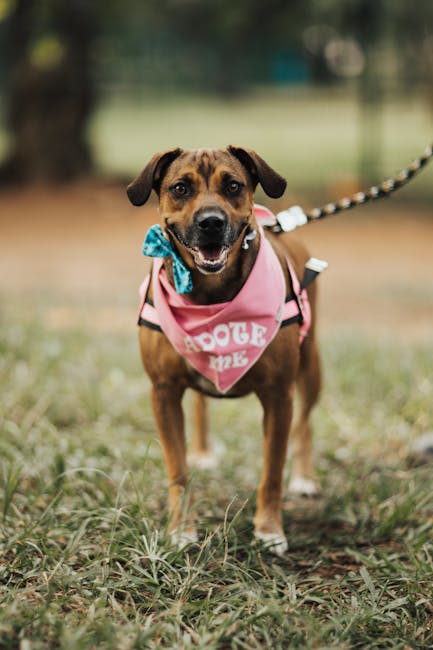
Are you thinking about bringing a shelter dog into your life? One of the first questions on your mind is probably: How much does it really cost to adopt a shelter dog?
Knowing the expenses upfront can help you prepare and avoid surprises. But it’s not just about the price tag—understanding what you’re investing in will make your decision easier and your new furry friend’s transition smoother. Keep reading to discover the true cost of adopting a shelter dog and why this investment is worth every penny.
Adoption Fees
Adoption fees are the upfront costs you pay to bring a shelter dog into your home. These fees help shelters cover the expenses related to caring for the animals. Understanding these fees helps prepare you for the financial side of adoption. Fees vary depending on many factors, such as the shelter and the dog’s needs.
Typical Fee Ranges
Adoption fees usually range between $50 and $350. Small local shelters often charge around $75 to $150. Larger rescue groups or specialty shelters may charge higher fees. Some places offer discounts during adoption events or for senior dogs. Fees depend on the dog’s age, breed, and health condition.
What Fees Cover
Adoption fees cover important veterinary care and shelter costs. Common services included are:
- Vaccinations to protect the dog’s health
- Spaying or neutering
- Microchipping for identification
- Basic medical exams and treatments
- Food and shelter while waiting for a home
Paying these fees supports the shelter’s mission and helps other animals too.
Fee Variations By Shelter Type
Animal shelters, rescue groups, and humane societies charge different fees. Public shelters often have lower fees to encourage adoptions. Rescue groups may charge more because they provide extra care. Some breed-specific rescues ask for higher fees due to special needs. Always check with the shelter to understand their specific fee structure.

Credit: www.latimes.com
Initial Medical Expenses
When you adopt a shelter dog, initial medical expenses are a crucial part of the process. These costs ensure your new furry friend starts off healthy and safe in their new home. Knowing what to expect helps you plan and avoid surprises after adoption.
Vaccinations And Health Checks
Vaccinations protect your dog from common diseases like rabies, distemper, and parvovirus. Shelters usually provide initial shots, but you might need boosters or additional vaccines depending on the dog’s age and history.
Health checks include a thorough physical exam and sometimes blood tests. These screenings identify any hidden issues early, saving you costly treatments later. Have you ever thought about how much peace of mind a clean bill of health brings?
Spaying And Neutering Costs
Spaying or neutering is often part of the adoption package, but fees vary by shelter. These procedures prevent unwanted litters and reduce certain health risks and behavior problems.
If your shelter doesn’t include this, expect to pay between $100 and $300 at a vet clinic. Planning for this expense upfront helps you budget wisely for your dog’s lifetime care.
Microchipping And Identification
Microchipping your dog is a one-time cost that significantly increases their chances of being returned if lost. Many shelters include this service, but if not, it typically costs around $25 to $50.
Along with a collar and ID tag, microchipping offers reliable identification. How confident are you that your dog could find their way back to you if they wandered off?
Supplies And Equipment
Adopting a shelter dog involves costs for supplies like food, bowls, and a bed. Basic equipment such as a leash and collar is also needed. These initial expenses are important to ensure your new pet feels comfortable and safe at home.
Adopting a shelter dog is a rewarding experience. But it’s important to prepare for the expenses involved. Supplies and equipment are essential for your new furry friend. These items ensure your dog feels comfortable and happy in its new home. Let’s break down the necessary costs.Essential Items To Buy
You’ll need a few basics right away. A sturdy leash and collar are vital. A dog bed provides a cozy resting spot. Don’t forget food and water bowls. Some dogs may need a crate or carrier for safety. These items help establish a routine for your pet.- Leash and collar: $15 – $40
- Dog bed: $20 – $50
- Food and water bowls: $10 – $30
- Crate or carrier: $30 – $100
Cost Of Food And Treats
Your dog needs nutritious meals. Quality food supports their health and energy. Prices vary based on brand and size. Treats are great for training and rewards. Choose healthy options to keep your dog fit.- Dog food (per month): $20 – $60
- Treats (per month): $10 – $25
Toys And Comfort Accessories
Toys keep your dog entertained and mentally stimulated. Chew toys are excellent for dental health. Comfort accessories like blankets or calming sprays can ease anxiety. Investing in toys and comforts enhances your dog’s life.- Toys: $10 – $30
- Blankets or comfort items: $10 – $25
Credit: www.fetchandreleash.ca
Training And Socialization
Training and socialization are key parts of adopting a shelter dog. They help your new pet adjust to home life. Good training builds trust and teaches basic commands. Socialization introduces your dog to people, pets, and different places. Both improve behavior and create a happy, balanced dog.
Professional Training Options
Professional trainers offer classes for dogs of all ages. Group classes cost between $30 and $80 per session. Private lessons usually range from $45 to $120 per hour. Trainers teach obedience, leash skills, and problem behaviors. Some shelters provide free or low-cost training after adoption. These services help start your dog's training on the right foot.
Diy Training Costs
Training at home saves money but needs time and patience. Basic supplies include:
- Clicker ($5-$15)
- Treats ($5-$20)
- Training books or apps ($0-$20)
Online videos and tutorials are often free. Consistent short sessions work best. DIY training builds a strong bond and fits your schedule.
Socialization Activities
Socialization is vital for a well-rounded dog. It involves:
- Meeting other dogs and people
- Visiting parks and pet-friendly places
- Exposure to sounds and sights
Many activities cost little to nothing. Puppy playgroups and dog parks are free or low-cost. Regular outings improve your dog’s confidence and calmness. Socialization helps avoid fear and aggression problems later.
Ongoing Care Expenses
Adopting a shelter dog is a wonderful decision, but it’s important to understand that your expenses won’t stop after the adoption fee. Ongoing care costs are a significant part of responsible pet ownership. These include regular health check-ups, insurance, grooming, and other maintenance needs that keep your furry friend happy and healthy.
Routine Veterinary Visits
Regular vet visits are crucial to monitor your dog’s health and catch any issues early. Annual check-ups, vaccinations, flea and tick prevention, and dental care add up over time.
For example, a simple vaccination visit might cost around $50 to $100, but unexpected health issues can be much more expensive. Have you budgeted for these visits to avoid surprises?
Pet Insurance Considerations
Pet insurance can help manage unexpected medical bills, but it’s another ongoing cost to think about. Monthly premiums vary widely based on your dog’s breed, age, and coverage level.
Think about whether you want basic accident coverage or a comprehensive plan that includes illnesses and preventive care. How much peace of mind is worth the monthly expense to you?
Grooming And Maintenance
Grooming needs depend on your dog’s breed and coat type. Some dogs require regular professional grooming, which can cost $30 to $90 per session.
Besides grooming, consider expenses for nail trimming, ear cleaning, and buying quality shampoos and brushes. What grooming routine will keep your dog comfortable without breaking your budget?

Credit: www.ottawahumane.ca
Hidden And Unexpected Costs
Adopting a shelter dog often feels rewarding and cost-effective. Yet, some expenses may surprise new pet owners. These hidden and unexpected costs can stretch your budget beyond the initial adoption fee. Awareness helps prepare for a smoother transition with your new companion.
Emergency Medical Expenses
Some shelter dogs come with health issues that need urgent care. Emergency vet visits can cost hundreds or even thousands of dollars. Unexpected illnesses or injuries require quick action and treatment. Setting aside an emergency fund for your dog is wise.
Behavioral Issues
Many shelter dogs face trauma or stress that affects behavior. Training classes or professional help may be necessary to manage these problems. Costs for behaviorists or trainers vary but often add up. Patience and investment improve your dog’s well-being and your relationship.
Travel And Boarding Fees
Traveling with a dog or arranging care during your absence can be costly. Boarding facilities charge daily fees that range widely. Hiring a pet sitter or using pet-friendly transport also adds expenses. Planning travel with your dog requires budgeting for these extra costs.
Saving Tips For Adopters
Adopting a shelter dog is a wonderful choice. Saving money during the process makes it even better. Simple strategies can lower the costs without sacrificing quality care. These tips help new pet owners start strong and keep expenses manageable. Smart planning ensures a happy home for your new furry friend.
Discounts And Assistance Programs
Many shelters offer discounts on adoption fees at certain times. Veterans, seniors, and students often qualify for special rates. Some organizations provide financial help for pet care essentials like vaccines and spaying. Asking shelter staff about available programs can reveal unexpected savings. These offers make adopting more affordable and accessible.
Buying Supplies Smartly
Start with the basics: food, collar, leash, and bed. Buying in bulk saves money on food and treats. Look for sales and use coupons at pet stores or online shops. Consider secondhand stores for gently used beds and toys. Avoid buying too many items at once; prioritize essentials first. This approach keeps initial costs low and spreads expenses over time.
Community Resources
Local animal groups and community centers often provide free or low-cost pet services. Vaccination clinics, training classes, and microchipping events happen regularly. Some neighborhoods have pet supply swaps or donation programs. Join online groups to connect with other pet owners and share resources. Tapping into community support helps reduce costs and builds a support network.
Frequently Asked Questions
How Much Does Shelter Dog Adoption Usually Cost?
Adoption fees typically range from $50 to $350. This fee covers vaccinations, spaying/neutering, and microchipping. Prices vary by location and shelter policies.
What Factors Influence Shelter Dog Adoption Fees?
Fees depend on the dog’s age, breed, and health. Additional services like training or medical care can increase costs. Some shelters offer discounts or promotions.
Are There Hidden Costs After Adopting A Shelter Dog?
Yes, expect expenses for food, grooming, and vet visits. Initial supplies like collars, beds, and toys also add to costs. Planning ahead helps manage these expenses.
Can I Adopt A Shelter Dog For Free?
Some shelters waive fees during special events or for senior dogs. Nonprofits sometimes offer free adoptions to encourage pet rescue. Check local shelter promotions regularly.
Conclusion
Adopting a shelter dog can be affordable and rewarding. Costs vary by shelter and dog size. Fees usually cover vaccines, spaying, and basic care. Remember to budget for food, toys, and vet visits. Choosing adoption saves lives and gives dogs a fresh start.
Your new friend will bring love and joy. Think beyond costs; think about the happiness ahead. Shelter dogs need a home, and you can help.

Emily Barker is the founder of ChillDogLife.com, a space dedicated to helping pup parents discover the best dog products, lifestyle tips, and cozy ideas for happier homes.
A lifelong dog lover, Emily combines her passion for pets with a knack for research to share trusted recommendations on everything from toys and furniture to health and everyday care.
Her goal is simple: to make life easier, stylish, and more joyful for dogs and the people who love them.




