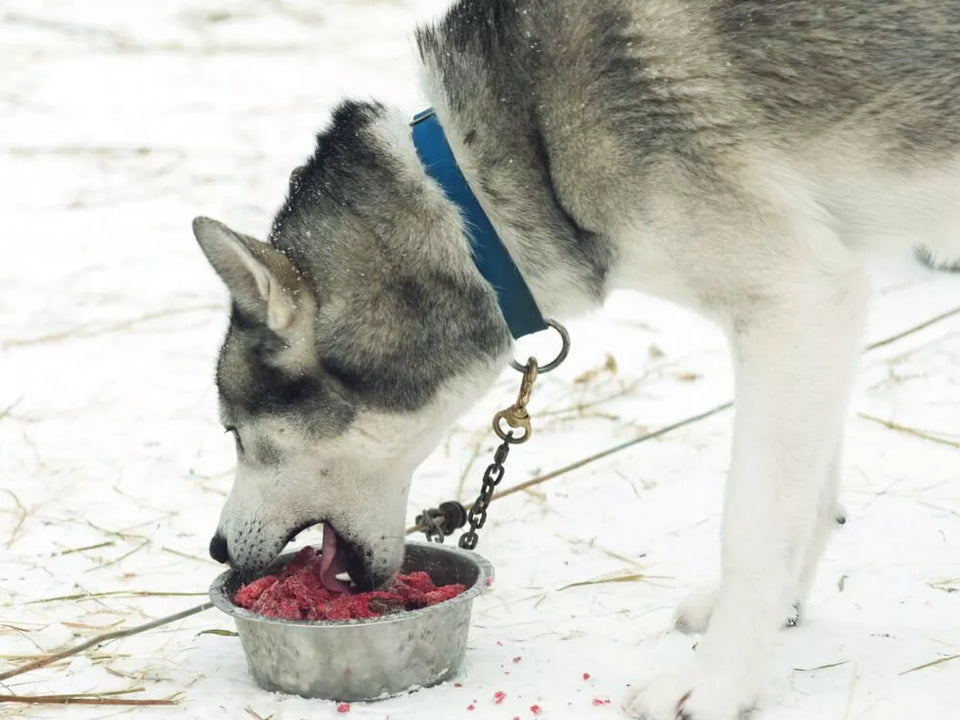
Are you wondering how much crude protein your dog really needs? Getting this right is key to keeping your furry friend healthy and full of energy.
Too little protein can leave your dog weak and tired, while too much might cause other problems. You’ll discover exactly how to find the perfect balance for your dog’s diet. Keep reading to learn what affects protein needs and how you can make sure your dog stays strong and happy every day.
Credit: pupford.com
Protein’s Role In Dog Health
Protein plays a vital role in your dog’s overall health. It supports growth, repairs tissues, and helps keep your pet active and energetic. Understanding how protein works can help you provide the right nutrition for your dog’s specific needs.
Why Protein Matters
Protein is made up of amino acids, which are the building blocks of life. Your dog’s body uses these amino acids to create muscles, enzymes, and hormones.
Without enough protein, your dog may experience slower healing and a weakened immune system. Have you noticed your dog’s coat looking dull or their activity dropping? These could be signs of protein deficiency.
Protein And Muscle Maintenance
Muscle health depends heavily on protein intake. Active dogs, especially working or sporting breeds, need more protein to maintain strong muscles.
Older dogs also benefit from higher protein to prevent muscle loss. Think about your dog’s lifestyle and age—are you adjusting their diet accordingly?
Impact On Energy Levels
Protein provides a steady source of energy for your dog throughout the day. It breaks down slowly, helping to keep energy levels balanced and preventing sudden drops.
If your dog seems tired or less playful, protein levels in their diet might be worth checking. Remember, energy isn’t just about carbs or fats—protein plays a key role too.
Daily Protein Needs By Life Stage
Understanding your dog’s daily protein needs is key to keeping them healthy at every stage of life. Protein supports growth, muscle maintenance, and overall energy. But how much protein your dog requires changes as they grow and age.
Puppies And Growing Dogs
Puppies need more protein than adult dogs because they are building muscles, organs, and bones rapidly. Their diet should contain about 22-32% crude protein on a dry matter basis to support this fast growth.
Think about your playful puppy bouncing around—protein fuels that energy and development. Feeding high-quality protein sources like chicken, fish, or eggs can make a noticeable difference in their health and activity levels.
Adult Dogs
Once your dog reaches adulthood, their protein needs stabilize. Most adult dogs do well on 18-25% crude protein, depending on their activity level and size.
If you have an active dog who loves long walks or agility training, they might benefit from protein at the higher end of this range. On the other hand, less active dogs need enough protein to maintain muscle without excess calories.
Senior Dogs
Older dogs often face muscle loss and slower metabolism, which affects their protein requirements. Contrary to some beliefs, many senior dogs need just as much or slightly more protein—around 20-30%—to keep muscles strong and support immune health.
Adjusting your senior dog’s diet with high-quality, easily digestible protein can help maintain their vitality. Have you noticed your older dog struggling with stiffness or weakness? Protein might be a simple way to support their comfort and strength.
Factors Affecting Protein Requirements
Protein is vital for a dog’s growth, repair, and energy. The amount of protein a dog needs changes based on several factors. Understanding these factors helps in providing the right diet for your pet’s health and happiness.
Breed And Size
Different breeds have different protein needs. Large breeds require more protein to support muscle and bone growth. Small breeds need protein for energy but in smaller amounts. Working breeds often need higher protein to sustain their activity. Tailoring protein intake by breed and size keeps dogs strong and healthy.
Activity Level
Active dogs burn more energy and need extra protein to repair muscles. Dogs that exercise daily or have jobs like herding require more protein. Sedentary dogs need less protein since they use less energy. Adjusting protein based on activity helps maintain ideal weight and muscle tone.
Health Conditions
Health issues impact protein requirements greatly. Dogs with kidney problems may need less protein to avoid strain. Puppies and pregnant dogs need more protein to support growth and development. Dogs recovering from illness or surgery also benefit from higher protein intake. Consult your vet for the best protein level if health concerns arise.

Credit: www.becopets.com
Types Of Protein Sources
Understanding the types of protein sources in your dog’s diet is key to ensuring they get the right nutrients for their health and energy. Protein quality varies widely depending on the source, affecting how well your dog’s body can use it. Let’s look at the main categories of protein sources and what they bring to your dog’s bowl.
Animal-based Proteins
Animal proteins come from meat, fish, eggs, and dairy. These sources offer a complete set of amino acids, which are essential for your dog’s muscle growth and repair.
Chicken, beef, and salmon are popular choices because they provide high-quality protein. Have you noticed how your dog seems more energetic after meals with these ingredients? That’s because animal proteins are highly digestible and packed with nutrients dogs need.
Plant-based Proteins
Plant proteins come from beans, lentils, peas, and grains. They usually lack one or more essential amino acids, so dogs may not absorb all the protein benefits if fed only plant-based sources.
However, plant proteins add fiber and other nutrients to your dog’s diet. If your dog has allergies or sensitivities, these can be a good option. Have you tried adding a small amount of lentils or peas to your dog’s food? It can improve digestion and provide variety.
Balanced Protein Blends
Many dog foods combine animal and plant proteins to create a balanced blend. This mix ensures dogs get all essential amino acids while also benefiting from fiber and other plant nutrients.
Look for formulas that list multiple protein sources to get a complete profile. Have you checked the ingredient list on your dog’s food lately? A balanced blend often supports overall health better than a single source.
Risks Of Too Much Or Too Little Protein
Protein is essential for your dog's health, but too much or too little can cause problems. Finding the right balance is key to keeping your pet energetic and strong. Ignoring protein needs might lead to health issues that could have been avoided.
Signs Of Protein Deficiency
Watch for dull coat and slow healing wounds. These can be early signs your dog isn’t getting enough protein. Muscle loss and weakness may also appear, affecting your dog’s ability to play and move.
Behavior changes like irritability or lack of energy can signal a shortage too. If your dog seems off, protein levels could be a hidden cause. Have you noticed your dog losing interest in walks or toys lately?
Consequences Of Excess Protein
Too much protein isn’t harmless either. It can strain your dog’s kidneys, especially in older dogs or those with pre-existing kidney issues. Excess protein may also lead to weight gain if it’s adding extra calories.
Digestive problems like diarrhea or upset stomach can occur from high protein intake. Your dog might seem uncomfortable or have irregular bowel movements. It’s important to think about quality, not just quantity, of protein.
Balancing Protein Intake
Consult your vet to determine the right amount of protein based on your dog’s age, size, and activity level. Puppies and active dogs usually need more protein than older or sedentary dogs. Adjusting protein gradually can help avoid digestive upset.
Choose high-quality protein sources like chicken, fish, or eggs over fillers. Mixing protein with vegetables and grains can improve digestion and overall health. How often do you review your dog’s diet to make sure it fits their current needs?
Credit: www.renspets.com
Reading Dog Food Labels
Reading dog food labels can feel like decoding a secret message. But understanding what’s inside your dog’s meal is essential to ensure they get the right amount of protein. Let’s break down how to read labels so you can make smarter choices for your furry friend.
Understanding Protein Content
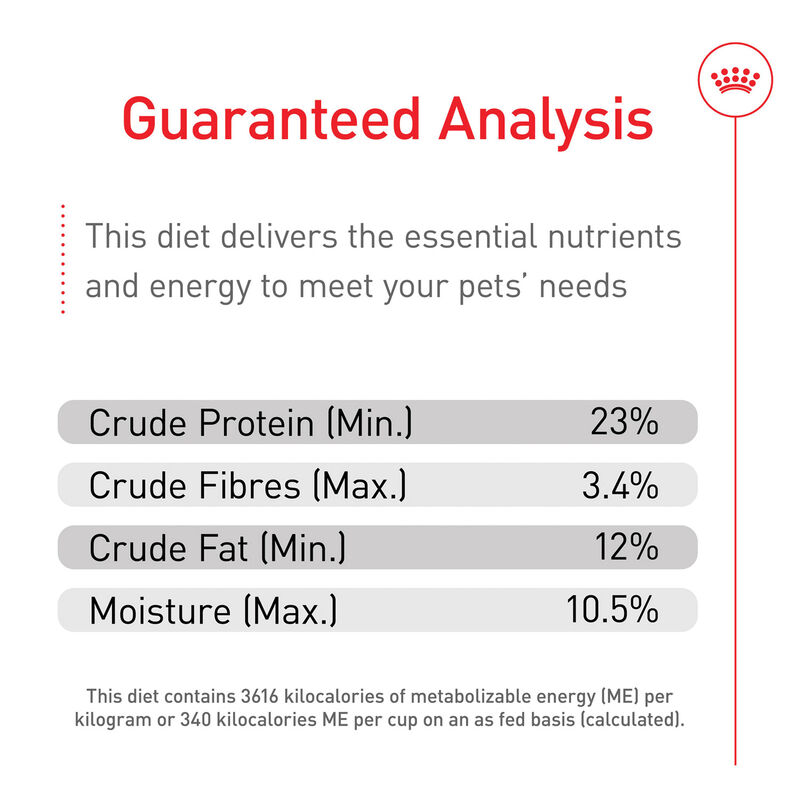
Look for the guaranteed analysis on the label. It shows the minimum percentage of crude protein in the food. This number tells you how much protein is in the diet, but it doesn’t reveal the quality or source of that protein.
Check if the protein percentage meets your dog’s needs. Puppies and active dogs often require higher protein, sometimes 22% or more. Older or less active dogs might do well with 18% to 20%. Does the label specify “crude protein”? That’s the key term you want to find.
Evaluating Ingredient Quality
Not all protein is created equal. Look for named animal proteins like “chicken,” “beef,” or “salmon” at the top of the ingredient list. These are usually better than vague terms like “meat meal” or “animal by-products.”
Ingredients are listed by weight, so higher up means more of that ingredient. If protein sources are buried deep in the list, the food might not provide enough high-quality protein. Think about your own meals—would you want mostly fillers?
Choosing The Right Formula
Consider your dog’s life stage and health when picking a formula. Puppy formulas typically have higher protein and fat for growth, while senior formulas focus on joint health and may have adjusted protein levels.
Some dogs have special needs like allergies or kidney issues. In those cases, protein type and amount must be tailored carefully. Don’t hesitate to ask your vet for recommendations based on the label details.
Are you curious how your dog’s current food stacks up? Grab the bag and start reading. It’s easier than you think to spot quality protein and make sure your dog gets just what they need.
Customizing Protein For Special Needs
Every dog has unique dietary needs, especially when it comes to protein. Customizing protein intake helps meet specific health challenges and lifestyle demands. Adjusting protein levels supports better health and energy in dogs with special conditions. Understanding these needs ensures your dog gets the right nutrition.
Allergies And Sensitivities
Some dogs react badly to common protein sources. These allergies cause itching, digestive issues, or ear infections. Switching to novel proteins like duck or venison can reduce reactions. Limited ingredient diets help pinpoint the exact cause. Protein quality matters more than quantity for sensitive dogs.
Weight Management
Protein plays a key role in weight control. Higher protein diets help dogs feel full longer. This reduces overeating and supports muscle maintenance during weight loss. Lower protein can cause muscle loss and slow metabolism. Balanced protein with controlled calories is ideal for managing weight.
Performance And Working Dogs
Active dogs need more protein to repair muscles and boost energy. Protein supports endurance, strength, and quick recovery. Working dogs often require 25% or more crude protein daily. Quality animal-based proteins provide essential amino acids. Proper protein helps these dogs perform at their best.
Tips For Transitioning Protein Levels
Changing your dog’s protein intake needs care and patience. Sudden shifts can upset their digestion or cause discomfort. Transitioning protein levels smoothly supports your dog’s health and comfort during diet changes.
Gradual Diet Changes
Switch protein amounts slowly over 7 to 10 days. Start by mixing a small portion of the new food with the old. Increase the new food gradually each day. This helps your dog’s stomach adjust without trouble. Sudden changes may cause vomiting or diarrhea.
Monitoring Health And Behavior
Watch your dog closely during the change. Look for signs like energy levels, appetite, and stool quality. Changes in mood or digestion can signal issues. Keep notes on these signs to track progress. Good health means your dog is adapting well.
When To Consult A Vet
Contact a vet if your dog shows persistent vomiting or diarrhea. Also seek help if your dog becomes very tired or stops eating. A vet can check for allergies or other health problems. Professional advice ensures your dog’s diet stays safe and balanced.
Frequently Asked Questions
How Much Crude Protein Does A Dog Need Daily?
Dogs generally require 18-25% crude protein daily. Puppies and active dogs need higher amounts for growth and energy. Protein supports muscle, skin, and coat health. Consult your vet for specific needs based on age, size, and activity level.
Why Is Crude Protein Important For Dogs?
Crude protein provides essential amino acids for muscle repair and immune function. It supports overall growth and energy. Without enough protein, dogs may face weakness or health issues. Quality protein ensures a balanced diet and promotes longevity.
Can Too Much Crude Protein Harm My Dog?
Excessive protein can strain kidneys, especially in older dogs. It may cause digestive upset or dehydration. Balanced protein intake is vital for health. Always follow recommended guidelines and consult a vet before changing your dog’s diet.
How Does A Dog’s Protein Need Change With Age?
Puppies need more protein for growth, about 22-32%. Adult dogs require 18-25% for maintenance. Senior dogs may need slightly less or special protein types. Age impacts metabolism and muscle mass, so adjust protein accordingly.
Conclusion
Understanding your dog’s protein needs is crucial. Protein supports their growth and health. The right amount varies by size, age, and activity. Consult your vet for personalized advice. Remember, balance is key. Too much or too little can cause issues.
Quality protein sources matter as well. Choose wisely for your furry friend. Monitor their health and adjust as needed. A well-fed dog is a happy dog. Keep their diet balanced and nutritious. Your efforts will ensure a long, healthy life.
Always prioritize their well-being through proper nutrition.

Emily Barker is the founder of ChillDogLife.com, a space dedicated to helping pup parents discover the best dog products, lifestyle tips, and cozy ideas for happier homes.
A lifelong dog lover, Emily combines her passion for pets with a knack for research to share trusted recommendations on everything from toys and furniture to health and everyday care.
Her goal is simple: to make life easier, stylish, and more joyful for dogs and the people who love them.




