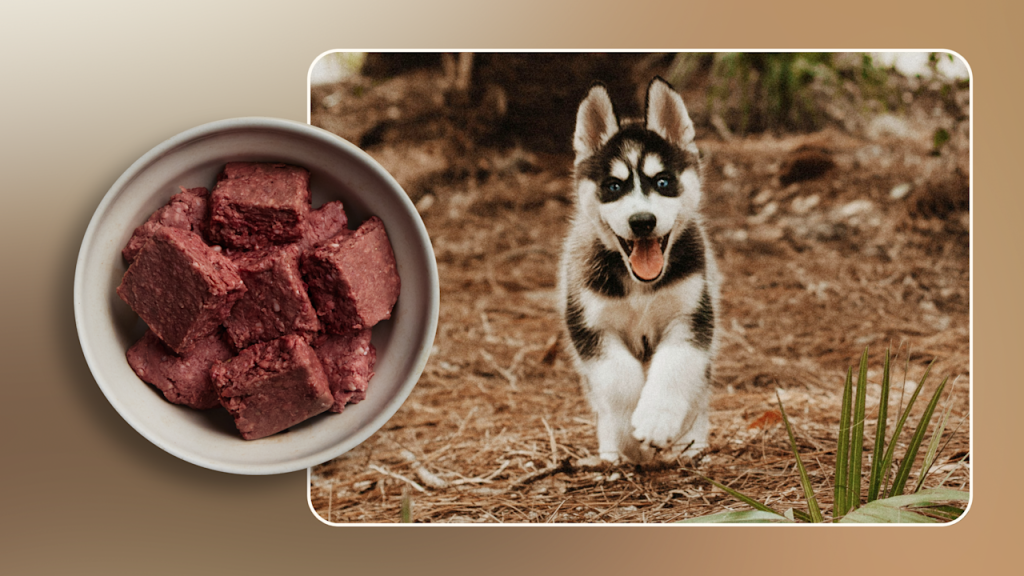
If you have a Husky, you know they are full of energy and spirit. But have you ever wondered what the best food for your Husky really is?
Feeding your dog the right way is not just about filling their bowl. It’s about giving them the fuel they need to stay healthy, happy, and strong. You’ll discover simple, practical tips on what to feed your Husky. You’ll learn how to choose the best ingredients and avoid common mistakes that could harm your furry friend.
Keep reading to make sure your Husky gets the nutrition they deserve.
Husky Dietary Needs
Understanding your husky’s dietary needs is key to keeping them healthy and energetic. Huskies are known for their high energy levels and endurance, which means their diet must support their active lifestyle. Feeding them right can prevent health issues and keep their coat shiny and muscles strong.
Essential Nutrients For Huskies
Your husky’s diet should include a balance of proteins, fats, and carbohydrates. Protein is crucial as it helps build and repair muscles. Look for foods with high-quality animal proteins like chicken, beef, or fish.
Healthy fats provide energy and keep their skin and coat healthy. Sources like fish oil and flaxseed are great options. Carbohydrates offer quick energy but should come from wholesome ingredients such as sweet potatoes or brown rice rather than fillers.
How Much To Feed Your Husky
Portion size depends on your husky’s age, weight, and activity level. Active huskies may need more calories, but overfeeding can cause weight gain. Monitor their weight weekly and adjust the food amount accordingly.
Splitting meals into two daily servings helps maintain energy levels throughout the day. Have you noticed your dog getting restless or sluggish? That might signal you need to change their food quantity or type.
Foods To Avoid For Huskies
Some common foods can harm your husky’s health. Avoid chocolate, grapes, onions, and anything with artificial sweeteners like xylitol. These can cause serious health problems or even be fatal.
Also, be cautious with bones and fatty scraps from the table. These might cause choking or digestive issues. Have you ever seen your dog eat something they shouldn’t? It’s a good reminder to keep harmful foods out of reach.
Protein Sources
Protein is essential for your Husky’s health and energy. It helps build strong muscles and supports an active lifestyle. Choosing the right protein sources can make a big difference in your dog’s vitality and coat quality.
Lean Meats
Lean meats like chicken, turkey, and lean beef are excellent protein sources for your Husky. They provide essential amino acids without extra fat, which helps maintain a healthy weight.
When I switched to lean meats for my Husky, I noticed he had more energy during walks and his coat looked shinier. Always cook the meat thoroughly and avoid seasoning to keep it safe.
Fish And Omega-3
Fish such as salmon and sardines offer high-quality protein and omega-3 fatty acids. These healthy fats support your Husky’s brain function and reduce inflammation.
Adding fish to your dog’s diet can improve skin health and reduce shedding. Just be sure to remove any bones and serve it cooked or canned without added salt.
Eggs And Dairy
Eggs are a powerhouse of protein and are easy to digest for most Huskies. You can boil or scramble eggs to add variety to their meals.
Dairy like plain yogurt or cottage cheese provides protein and beneficial probiotics. However, watch for lactose intolerance signs before offering dairy regularly.
Healthy Carbohydrates
Healthy carbohydrates play a vital role in your Husky’s diet. They provide essential energy and support digestion without causing spikes in blood sugar. Choosing the right types of carbs can keep your dog active and happy throughout the day.
Whole Grains
Whole grains like brown rice, oats, and quinoa are excellent sources of complex carbohydrates. They release energy slowly, helping your Husky maintain stamina during long walks or playtime. I once switched my dog’s meals from white rice to brown rice, and noticed more consistent energy levels throughout the day.
Make sure to cook grains thoroughly and serve them in moderation. Avoid grains with added salt or seasoning, as these can upset your dog’s stomach.
Vegetables
Vegetables such as sweet potatoes, carrots, and green beans are packed with fiber and nutrients. They aid digestion and keep your Husky’s coat shiny and healthy. Have you tried adding steamed carrots to your dog’s meal? Many Huskies enjoy the crunch and natural sweetness.
Raw or cooked, vegetables can be a low-calorie way to bulk up meals and support overall health. Just avoid onions and garlic, which are toxic to dogs.
Fruits
Fruits like blueberries, apples, and bananas offer vitamins and antioxidants beneficial for your Husky. They make tasty treats and can be a refreshing snack on warm days. I often slice apples for my dog, but always remove the seeds to keep him safe.
Remember to serve fruit in small amounts to prevent digestive upset. Too much sugar, even from natural sources, can cause problems.
Fats For Energy
Fats are a crucial part of a Husky’s diet. They provide essential energy to fuel their active lifestyle. Unlike other nutrients, fats offer more than double the calories per gram. This energy supports their endurance and helps keep their coat shiny and skin healthy. Choosing the right fats ensures your Husky stays strong and lively throughout the day.
Healthy Oils
Healthy oils are excellent sources of good fats for Huskies. These oils contain omega-3 and omega-6 fatty acids. These acids reduce inflammation and improve brain function. Common healthy oils include:
- Flaxseed oil
- Olive oil
- Canola oil
- Sunflower oil
Adding a small amount of these oils to your Husky’s meal can boost their energy. Always use oils in moderation to avoid weight gain.
Fatty Fish
Fatty fish is a natural source of high-quality fats. Fish like salmon, mackerel, and sardines are rich in omega-3 fatty acids. These fats help support a healthy heart and coat. Feeding your Husky cooked or canned fatty fish is safe and nutritious. Avoid giving raw fish to prevent parasites. Incorporate fatty fish into meals twice a week for best results.
Vitamins And Minerals
Vitamins and minerals play a key role in a husky’s diet. They support strong bones, healthy skin, and a good immune system. Balanced nutrients help your husky stay active and happy. These tiny elements work inside the body to keep everything running smoothly.
Choosing the right vitamins and minerals ensures your husky grows well and stays energetic. Natural sources or supplements can provide these nutrients. Understanding which vitamins and minerals are important helps you feed your husky better.
Calcium And Phosphorus
Calcium and phosphorus build strong bones and teeth in huskies. They work together to keep bones dense and healthy. A correct balance between these two minerals is important.
- Too much calcium can cause bone problems.
- Too little phosphorus may weaken bones.
- Growing huskies need more calcium and phosphorus.
- Adult huskies need steady amounts to maintain health.
Good sources include dairy products, fish, and meat. Commercial dog foods often contain the right balance. Always check labels to avoid excess or deficiency.
Vitamin E And Antioxidants
Vitamin E protects huskies from cell damage. It acts as an antioxidant, fighting harmful molecules called free radicals. This helps keep the skin and coat shiny and healthy.
- Antioxidants support the immune system.
- Vitamin E helps reduce inflammation.
- Sources include vegetable oils, nuts, and leafy greens.
- Supplements can help if food sources are low.
Giving your husky enough vitamin E supports longevity and vitality. Antioxidants also protect against some diseases. A diet rich in these nutrients boosts overall well-being.
Hydration Importance
Keeping your husky well-hydrated is crucial for their overall health and energy levels. Huskies are active dogs that can easily become dehydrated, especially during exercise or in warm weather. Paying attention to their hydration can prevent serious issues like kidney problems and heatstroke.
Water Needs
Your husky needs constant access to fresh, clean water. On average, they should drink about 1 ounce of water per pound of body weight daily, but this varies with activity and weather. If your dog has been running or playing outside, expect their water intake to increase significantly.
Watch how your husky drinks. Some dogs prefer multiple small sips throughout the day, while others gulp more at once. Make sure their water bowl is always filled and placed in a quiet, accessible spot.
Wet Vs Dry Food
Wet food contains a high moisture content, which can help with hydration. Feeding your husky wet food or mixing it with dry kibble adds extra fluids to their diet. However, wet food can spoil faster, so serving fresh portions is important.
Dry kibble is convenient but lacks moisture, so your dog will need to drink more water if it’s their main diet. If you rely on dry food, try adding water or broth to the kibble to encourage hydration. How do you balance convenience and hydration in your husky’s meals?
Feeding Schedule
Setting a consistent feeding schedule is key to keeping your Husky healthy and happy. Dogs thrive on routine, and Huskies are no exception. A well-planned feeding routine helps regulate digestion, energy levels, and behavior.
Puppy Feeding
Puppy Huskies need more frequent meals to support their rapid growth and high energy. Offer food 3 to 4 times a dayto keep their blood sugar stable and avoid overeating at once.
Start with small portions and increase gradually as your puppy grows. Pay attention to signs of hunger or fullness to adjust portions.
At this stage, you might notice your puppy’s appetite fluctuates. This is normal but keep the feeding times steady to build good habits.
Adult Husky Meals
Adult Huskies do well with 2 meals a day, typically spaced 8 to 12 hours apart. This schedule helps maintain energy and prevents bloating, which Huskies can be prone to.
Make sure the portions match your dog’s activity level and weight. An active Husky might need more calories, while a less active one requires less food.
Have you observed how your dog’s mood or energy shifts after meals? Consistent timing can help you spot any digestive issues early on.

Credit: greensafaris.com
Special Dietary Considerations
Feeding a husky requires special attention to their unique needs. These dogs have active lifestyles and sensitive systems. Their diet should support energy, health, and overall well-being. Some huskies have allergies or need weight control. Understanding these points helps keep your husky healthy and happy.
Allergies And Sensitivities
Huskies can develop food allergies or sensitivities. Common triggers include grains, chicken, and beef. Watch for symptoms like itching, redness, or digestive upset. Choose limited-ingredient diets or hypoallergenic foods. Rotate protein sources to avoid reactions. Consult a vet for testing and advice.
Weight Management
Huskies need balanced calories to stay fit. Overfeeding leads to obesity, which harms joints and health. Feed measured portions based on age, activity, and weight. Use high-quality foods with proper protein and fat levels. Avoid too many treats. Regular exercise also helps maintain ideal weight.
Homemade Vs Commercial Food
Choosing between homemade and commercial food for your husky is a common question. Each type offers unique benefits and challenges. Understanding these differences helps you make the best choice for your dog’s health and happiness.
Pros And Cons
- Homemade Food Pros:You control the ingredients. This ensures freshness and avoids fillers or additives. Tailor meals to your husky’s taste and needs. Suitable for dogs with allergies or sensitivities.
- Homemade Food Cons:Time-consuming to prepare. Risk of unbalanced nutrition without proper knowledge. Requires careful planning and vet guidance.
- Commercial Food Pros:Convenient and easy to store. Formulated to meet nutritional standards. Many options available for specific health issues.
- Commercial Food Cons:Some brands use fillers and artificial ingredients. Lower-quality products can harm your dog’s health. Not customizable to individual preferences.
Balanced Homemade Recipes
Creating balanced homemade meals needs protein, fats, carbs, vitamins, and minerals. Good protein sources include chicken, beef, fish, and eggs. Vegetables like carrots, peas, and spinach add fiber and nutrients.
Carbohydrates come from rice, potatoes, or oats. Add healthy fats with fish oil or olive oil. Calcium is vital; use crushed eggshells or supplements.
Consult a vet or pet nutritionist to create a safe, complete diet. Avoid harmful foods like onions, garlic, chocolate, and grapes. Proper recipes keep your husky strong and energetic.

Credit: huskygifts.com
Common Feeding Mistakes
Feeding your husky the right way can be tricky. Many owners make mistakes that affect their dog’s health and energy. Understanding common feeding errors helps you avoid problems and keep your husky happy and strong.
Overfeeding
It’s easy to think more food means a healthier husky, but overfeeding can cause serious issues. Huskies are active dogs but also have a slow metabolism. Too many calories lead to weight gain and joint problems.
Watch how much you feed and adjust portions based on your husky’s activity level. If your dog starts to look chubby or sluggish, cut back a bit. Are you measuring your husky’s food, or just guessing? Precise portions make a big difference.
Inadequate Nutrients
Not all dog food is created equal. Feeding your husky a diet lacking in essential nutrients can cause problems like dull coat, low energy, and digestive issues.
Your husky needs a balance of protein, fats, vitamins, and minerals. Avoid cheap foods with fillers like corn or wheat that don’t provide real nutrition. Check labels carefully and choose foods designed for active breeds.
Have you noticed your husky losing interest in meals or showing signs of allergies? It might be time to review their nutrient intake and switch to a better formula.

Credit: timberwolfpet.com
Frequently Asked Questions
What Is The Best Diet For A Husky Dog?
A balanced diet with high-quality proteins, fats, and carbohydrates suits Huskies. Include lean meats, vegetables, and grains. Avoid fillers and artificial additives for optimal health and energy.
How Much Food Should I Feed My Husky Daily?
Feed your Husky 2 to 3 cups of high-quality dog food daily. Adjust portions based on age, activity, and weight. Split meals into two servings for better digestion.
Can Huskies Eat Raw Food Diets Safely?
Yes, Huskies can eat raw diets if properly balanced. Raw diets include meat, bones, and organs. Consult a vet to ensure nutritional needs are met safely.
What Human Foods Are Safe For Huskies?
Safe human foods include carrots, apples, cooked chicken, and rice. Avoid chocolate, onions, grapes, and anything toxic to dogs. Always introduce new foods gradually.
Conclusion
Feeding a husky the right food keeps them happy and healthy. Choose balanced meals with good proteins and fats. Avoid harmful foods like chocolate or onions. Fresh water is always important. Watch your husky’s weight and energy levels. Regular vet check-ups help spot problems early.
A well-fed husky has a shiny coat and strong muscles. Feeding them with care builds a strong bond between you. Simple steps make a big difference in your dog’s life. Keep learning about their needs as they grow. Healthy food means a happy, active husky every day.

Emily Barker is the founder of ChillDogLife.com, a space dedicated to helping pup parents discover the best dog products, lifestyle tips, and cozy ideas for happier homes.
A lifelong dog lover, Emily combines her passion for pets with a knack for research to share trusted recommendations on everything from toys and furniture to health and everyday care.
Her goal is simple: to make life easier, stylish, and more joyful for dogs and the people who love them.




