Have you ever wondered how far your dog can travel in a single day? Whether you’re planning a long hike, a road trip, or just curious about your furry friend’s limits, knowing this can help keep your dog safe and happy.
The distance your dog can cover depends on many things like their breed, age, and fitness. Keep reading, and you’ll discover surprising facts about your dog’s endurance and how to make sure every adventure is a great one for both of you.
Credit: mylifemydog.com
Factors Affecting Dog Travel Distance
The distance a dog can travel in a day depends on many factors. Each dog’s ability to walk or run varies widely. Knowing these factors helps set realistic expectations for your dog’s endurance. It also keeps your dog safe and healthy during long walks or hikes.
Breed And Size
Different breeds have different energy levels and stamina. Large breeds like Huskies or Labradors usually travel longer distances. Small breeds may tire quickly and need frequent breaks. Some breeds have strong muscles and can run for hours. Others prefer short bursts of activity.
Age And Health
Puppies and older dogs often cannot travel far. Puppies are still growing and need rest. Older dogs might have joint pain or less energy. Health problems like arthritis or heart issues limit distance. Healthy adult dogs can usually handle longer walks.
Terrain And Weather
Rough or uneven terrain slows dogs down. Hills and rocky paths require more energy. Hot weather can cause overheating and quick fatigue. Cold weather might make muscles stiff. Always consider the environment before planning a trip.
Training And Conditioning
Well-trained dogs build endurance over time. Regular exercise increases their travel distance. Dogs new to long walks need gradual training. Conditioning helps prevent injuries and exhaustion. Consistent activity strengthens muscles and lungs.
Average Daily Travel Distances
Average daily travel distances vary widely among dogs. Breed size plays a major role in how far a dog can comfortably walk or run. Age, health, and energy levels also affect these distances. Understanding typical ranges helps owners plan safe and fun outings.
Small Breeds
Small dogs usually travel less distance each day. Their shorter legs and smaller bodies limit endurance. On average, small breeds walk between 1 to 3 miles per day. Some active small dogs may manage slightly more. Regular breaks help prevent fatigue and joint stress.
Medium Breeds
Medium-sized dogs can cover more ground than small breeds. They often walk or run 3 to 5 miles daily. These dogs have more stamina but still need rest. Different breeds have different energy levels, so adjust travel accordingly. Keep an eye on signs of tiredness.
Large Breeds
Large dogs have strong muscles and better endurance. Many large breeds can travel 5 to 10 miles in a day. Working and sporting breeds often handle these distances easily. Still, age and health may reduce travel capability. Always monitor your dog’s comfort and pace.
Extreme Distances Covered By Dogs
Dogs have amazed humans with their ability to cover vast distances. Some breeds travel hundreds of miles in a single day. These extreme journeys show the strength and endurance dogs possess. Their physical and mental stamina allows them to push beyond normal limits.
Sled Dogs And Endurance
Sled dogs are built for long-distance travel in tough conditions. They pull sleds across snow and ice, often in freezing temperatures. These dogs can run up to 100 miles per day during races. Their bodies are adapted for stamina, with strong muscles and efficient lungs.
Teams of sled dogs work together to maintain speed and energy. Their endurance depends on training, diet, and rest. Mushers carefully manage their teams to ensure success on long routes. Sled dogs have helped humans explore remote Arctic and Antarctic areas.
Working Dogs In The Wild
Working dogs in the wild cover great distances to complete tasks. Herding dogs guide livestock over miles of open land. Search and rescue dogs travel far to find lost people. Their keen senses and speed make them valuable in challenging environments.
These dogs often move through rough terrain and harsh weather. Their ability to travel long distances helps their handlers. Wild dogs and some hunting breeds also roam widely to track prey. Their stamina and agility are key to survival and success.

Credit: www.youtube.com
Signs Of Fatigue And When To Stop
Dogs love to explore and walk long distances. Yet, they have limits. Recognizing signs of fatigue helps keep dogs safe and healthy during walks or hikes. Knowing when to stop prevents injury and exhaustion. Pay close attention to your dog’s body and behavior. These clues tell you when rest is necessary.
Physical Symptoms
- Heavy panting or difficulty breathing
- Slowed pace or frequent stops
- Excessive drooling or dry mouth
- Weak or wobbly legs
- Visible limping or stiffness
- Excessive thirst or dehydration signs
- Cold or pale gums
Physical symptoms show your dog is working too hard. Immediate rest and water are crucial. Watch closely for these signs during any long walk.
Behavioral Changes
- Reluctance to continue walking
- Unusual quietness or lack of energy
- Increased irritability or snapping
- Loss of focus or distracted behavior
- Seeking shade or lying down often
- Refusal to eat or drink
Behavior changes signal discomfort or pain. Your dog may try to hide fatigue. Respect these signals and stop the activity. Rest and care help your dog recover faster.
Tips To Extend Your Dog’s Travel Range
Extending your dog’s travel range requires thoughtful care and planning. Dogs need more than just willpower to cover long distances. Their bodies depend on good nutrition, proper hydration, and pacing. These factors help keep energy levels high and prevent injuries. Simple habits can make every journey safer and more enjoyable for your dog.
Proper Nutrition And Hydration
Feed your dog a balanced diet rich in proteins and healthy fats. These nutrients provide lasting energy for long walks or hikes. Avoid heavy meals just before travel to prevent discomfort.
Keep fresh water available at all times. Dehydration reduces stamina quickly. Offer water in small amounts often to encourage drinking.
Regular Exercise
Build your dog’s endurance gradually with daily walks or playtime. Consistent exercise strengthens muscles and joints. It also improves lung capacity and overall fitness.
Introduce varied terrains during training. This helps your dog adapt to different surfaces and improves balance.
Pacing And Rest Breaks
Set a steady pace that suits your dog’s breed and age. Avoid rushing or pushing too hard. Watch for signs of tiredness or discomfort.
Schedule frequent rest breaks. Use these pauses to offer water, check paws, and let your dog relax. Rest prevents exhaustion and injuries.
Planning Long-distance Trips With Your Dog
Planning long-distance trips with your dog takes careful thought and preparation. Dogs have different stamina and needs than humans. Knowing how far your dog can travel daily helps create a safe and fun journey. Proper planning ensures your dog stays healthy and happy on the road. Understanding your dog’s limits prevents stress and injury. Every trip is unique, so tailor your plans to your dog’s breed, age, and health.
Route Selection
Choose routes with dog-friendly stops. Parks, rest areas, and pet-friendly hotels matter. Avoid busy highways and rough terrains that tire your dog quickly. Look for shaded paths in hot weather. Pick quiet trails for peaceful walks. Plan shorter travel segments to match your dog’s pace. Check for places to refill water and take breaks.
Safety Precautions
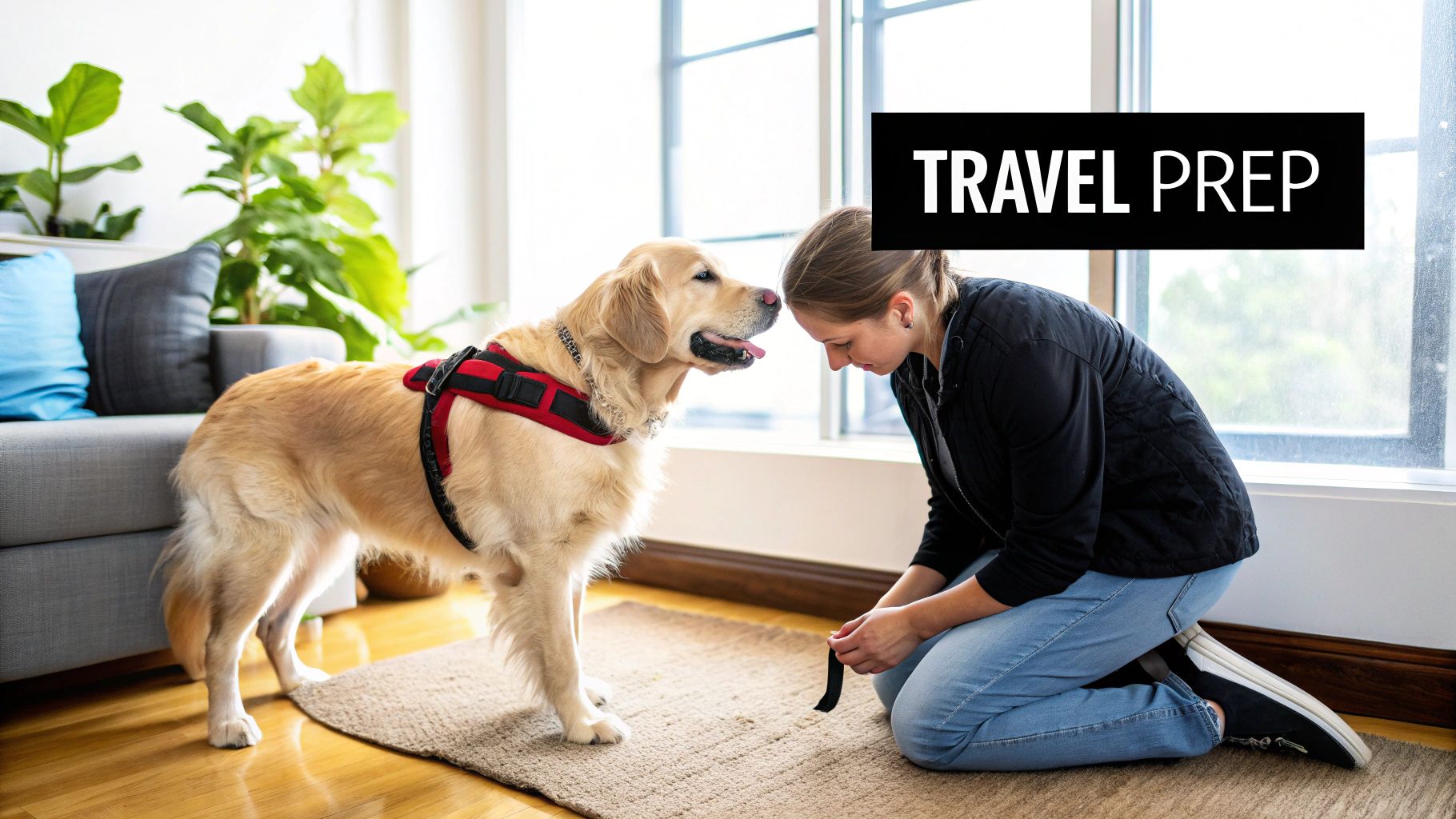
Keep your dog secure during travel. Use a harness or a crate in vehicles. Prevent overheating by stopping often for water and shade. Watch for signs of fatigue or discomfort. Carry a pet first-aid kit for emergencies. Avoid feeding your dog right before traveling to prevent sickness. Keep your dog’s ID tags and microchip information updated.
Essential Gear
- Leash and collar with ID tags
- Portable water bowl and fresh water
- Dog food and treats for energy
- Waste bags for cleaning up
- Comfortable bedding or blanket
- First-aid kit for pets
- Favorite toys for comfort
- Weather-appropriate clothing or protection

Credit: downnews.co.uk
Frequently Asked Questions
How Far Can Different Dog Breeds Travel?
Different dog breeds have varying stamina levels. While some breeds like Greyhounds can travel up to 35 miles a day, smaller breeds might cover 5-10 miles. Factors such as age, health, and training also affect the distance a dog can travel in a day.
How Does A Dog’s Age Affect Travel Distance?
A dog’s age significantly impacts its travel capabilities. Puppies and senior dogs might tire quickly, covering shorter distances. In contrast, young adult dogs, especially those in peak health, can travel further. Ensuring regular breaks and hydration is essential for all age groups during long travels.
Can A Dog’s Health Impact Its Travel Ability?
Yes, a dog’s health greatly influences its travel distance. Dogs in good health can travel longer distances comfortably. However, dogs with joint issues or other health problems might need frequent breaks. Regular veterinary check-ups are crucial to ensure your dog is fit for extended travel.
What Factors Influence A Dog’s Travel Distance?
Several factors determine how far a dog can travel. These include breed, age, health, and training. Environmental conditions like weather and terrain also play a role. Proper hydration and nutrition are essential to ensure a dog can travel safely and comfortably over long distances.
Conclusion
Dogs can travel many miles in a day, but it depends on several things. Age, breed, health, and weather all affect how far they go. Some dogs run or walk more than others. Always watch your dog’s energy and give water and rest breaks.
Walking together can be fun and healthy for both. Remember, safety and comfort matter most during any trip. Knowing your dog’s limits helps keep them happy and healthy. Every dog is different. Enjoy exploring with your furry friend at a pace that suits them best.

Emily Barker is the founder of ChillDogLife.com, a space dedicated to helping pup parents discover the best dog products, lifestyle tips, and cozy ideas for happier homes.
A lifelong dog lover, Emily combines her passion for pets with a knack for research to share trusted recommendations on everything from toys and furniture to health and everyday care.
Her goal is simple: to make life easier, stylish, and more joyful for dogs and the people who love them.




