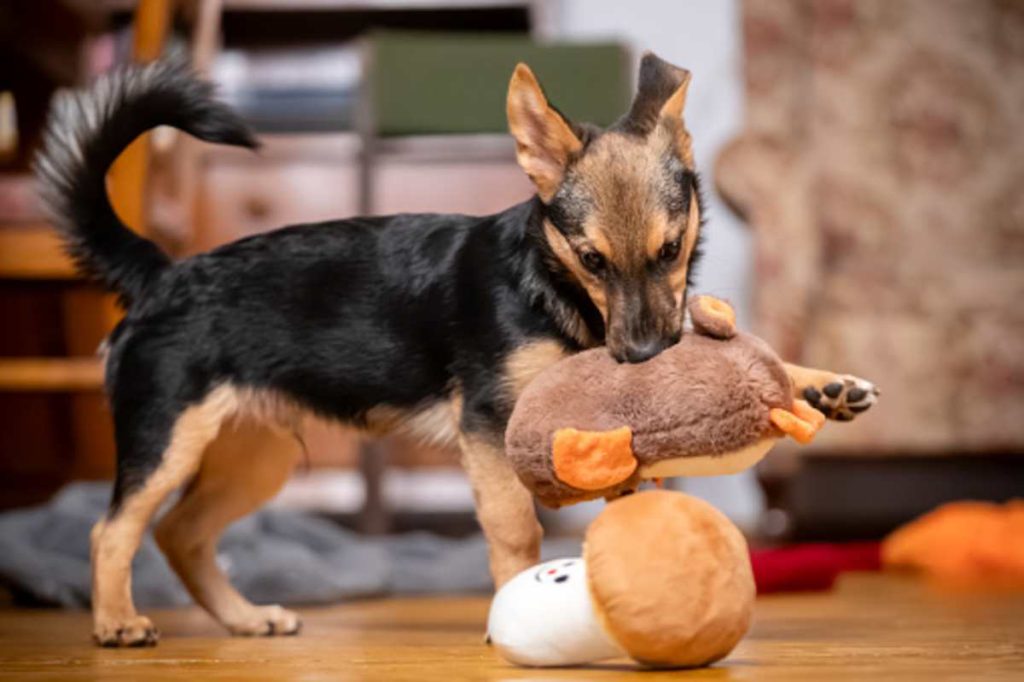
Have you ever wondered how many toys your dog really needs? It’s easy to get overwhelmed by all the options, but finding the right number can make a big difference in your dog’s happiness and behavior.
Too few toys might leave your furry friend bored, while too many can cause clutter and confusion. You’ll discover the perfect balance that keeps your dog engaged, healthy, and excited every day. Keep reading to learn how to choose the right amount of toys for your loyal companion!
Benefits Of Multiple Toys
Having multiple toys for a dog offers many benefits. Dogs enjoy variety, which keeps them interested and happy. Different toys serve different purposes and help meet your dog’s needs. A collection of toys can improve a dog’s quality of life in many ways.
Mental Stimulation
Multiple toys challenge a dog’s brain. Puzzle toys make dogs think and solve problems. New toys keep their minds active and prevent boredom. Mental stimulation reduces stress and anxiety in dogs. It also helps prevent destructive behaviors caused by boredom.
Physical Exercise
Different toys encourage different types of play. Balls and frisbees promote running and fetching. Tug toys help build strength and coordination. Variety in toys keeps exercise fun and exciting. Regular physical activity maintains a dog’s health and energy levels.
Behavioral Improvement
Having many toys can reduce bad habits like chewing furniture. Toys redirect a dog’s energy to positive activities. Dogs learn self-control when they focus on toys. Multiple toys reduce loneliness and separation anxiety. Good behavior improves with consistent play and engagement.

Credit: www.ellevetsciences.com
Ideal Number Of Toys
Choosing the right number of toys for a dog can improve their happiness and health. Toys keep dogs busy and help reduce boredom. Too many toys can overwhelm, while too few may not satisfy their play needs. Finding the ideal number depends on several factors specific to each dog.
Factors Influencing Quantity
Every dog has unique needs that affect how many toys they should have. Consider how often the dog plays and how easily they get bored. Some dogs like variety and need many toys. Others prefer a few favorites. Storage space at home also matters. Rotate toys to keep them fresh and interesting.
Age And Size Considerations
Puppies need more toys to chew and explore safely. Young dogs benefit from toys that challenge their growing skills. Older dogs may prefer soft or gentle toys. Large dogs need sturdy toys that can handle strong jaws. Small dogs do better with lightweight, smaller toys to avoid choking hazards.
Breed And Energy Levels
Active breeds often need more toys to burn energy and stay busy. Herding or working breeds require toys that challenge their intelligence and stamina. Calm breeds may be happy with fewer toys. Observe your dog’s activity level to decide how many toys suit their lifestyle.
Types Of Toys To Include
Choosing the right mix of toys for your dog can keep them happy, healthy, and mentally sharp. Different types of toys serve different purposes, so having a variety can meet your dog’s physical and emotional needs. Let’s look at some essential categories of toys you should consider adding to your dog’s collection.
Chew Toys
Chew toys help satisfy your dog’s natural urge to chew while promoting dental health. Durable rubber or nylon options are great for strong chewers, while softer toys suit puppies or smaller breeds. Have you noticed how some dogs prefer one texture over another? Offering a few types helps you find what your dog loves most.
Interactive Toys
Interactive toys challenge your dog’s brain and reduce boredom. Puzzle feeders or treat-dispensing balls keep them engaged and reward problem-solving skills. These toys can also slow down fast eaters and encourage independent play when you’re busy.
Comfort Toys
Comfort toys provide emotional support, especially for anxious dogs. Soft plush toys or blankets can become a source of security during stressful situations like thunderstorms or vet visits. Think about what helps your dog feel calm and safe—comfort toys can be a simple but powerful tool.
Fetch And Tug Toys
Fetch and tug toys encourage exercise and bonding between you and your dog. Balls, frisbees, and sturdy ropes are perfect for active play sessions. Do you know which games your dog enjoys most? Rotate these toys to keep playtime exciting and avoid burnout.

Credit: www.threads.com
Rotating Toys For Interest
Rotating toys is a smart strategy to keep your dog engaged and excited about playtime. Instead of overwhelming your pet with all toys at once, offering a few at a time and swapping them out regularly can make each toy feel new and special. This simple habit can transform your dog’s play routine and boost their mental stimulation.
Preventing Boredom
Dogs can quickly lose interest when they see the same toys every day. Rotating toys prevents boredom by introducing novelty without constantly buying new items.
For example, you might give your dog a squeaky ball and a chew toy for a few days, then switch to a puzzle toy and a rope toy. This variety keeps their mind active and their energy focused.
Have you noticed your dog ignoring toys after a short time? Try rotating their toys to see if their enthusiasm returns.
Maintaining Toy Freshness
Rotating toys also helps keep them in better condition. When toys are used in rotation, they get less wear and tear, lasting longer and staying safe for your dog.
Plus, some toys need drying or cleaning between uses to prevent bacteria build-up. By rotating, you allow time for proper hygiene, making playtime healthier.
Think about the last time you cleaned your dog’s toys—could a rotation schedule make this easier and more effective?
Signs Your Dog Needs More Or Fewer Toys
Knowing how many toys your dog needs is not simple. Watch their behavior closely. Signs can tell if they want more toys or fewer. These clues help keep your dog happy and healthy. Toys should match your dog’s energy and interest levels. Too many or too few can cause problems.
Destructive Behavior
Dogs may chew furniture or shoes when bored. This behavior shows they need more toys. Toys give a safe way to chew and play. Without enough toys, dogs find other things to destroy. Watch for torn items or scratched doors. These are clear signs your dog needs more toys.
Lack Of Interest
Your dog ignores toys or plays less than usual. This may mean there are too many toys. Too many toys can overwhelm or confuse dogs. It can make playtime less exciting. Try removing some toys to see if interest grows. Rotate toys to keep them fresh and fun.
Overstimulation
Too many toys can cause excitement or stress. Dogs may bark, jump, or act restless. Overstimulation happens when they cannot calm down. Limit the number of toys in one area. Create calm spaces without toys for rest. Balance play and rest to avoid stress.
Toy Safety Tips
Keeping your dog's toys safe is just as important as choosing the right number of toys. Unsafe toys can cause injuries or health issues, turning playtime into a stressful event. Let’s look at some key safety tips to keep your furry friend happy and healthy while having fun.
Choosing Non-toxic Materials
Make sure the toys you buy are made from non-toxic materials. Dogs love chewing, so harmful chemicals can easily enter their system if the toy is not safe. Look for labels that mention BPA-free, phthalate-free, or made from natural rubber.
Plastic toys might look fun but can contain dangerous substances. I once gave my dog a bright plastic ball, and he developed stomach upset because it had harmful dyes. Now, I always check materials carefully before buying.
Avoiding Choking Hazards
Small parts or toys that break easily can become choking hazards. Choose toys that are appropriate for your dog’s size and chewing strength. Avoid anything with detachable buttons, eyes, or strings that can be swallowed.
Consider puzzle toys that are solid and well-made. If your dog is an aggressive chewer, steer clear of soft toys that can tear apart quickly. Have you noticed your dog trying to swallow bits of a torn toy? That’s a red flag to replace it immediately.
Regular Inspection And Replacement
Toys wear down with use, so inspect them regularly for damage. Torn seams, cracks, or missing pieces mean it’s time to toss that toy. This helps prevent accidental swallowing of small parts or sharp edges.
Set a reminder to check your dog’s toys every few weeks. I keep a box for old toys and replace them before they become dangerous. Your dog’s safety depends on your vigilance more than anything else.
Budget-friendly Toy Options
Keeping your dog entertained doesn’t have to drain your wallet. There are plenty of budget-friendly toy options that can keep your furry friend happy and engaged without spending a fortune. You might be surprised at how creative you can get with simple materials or affordable finds.
Diy Toys
You can make fun and safe toys at home using items you already have. A sturdy sock filled with crinkly paper or a tennis ball with a few holes cut into it can become instant favorites for dogs who love to chew or fetch.
Try braiding strips of old t-shirts or fleece fabric to create a tug toy. These homemade toys give you control over the materials, ensuring they’re safe and durable for your pet.
Have you ever noticed how much dogs love empty water bottles? Just remove the cap and label, then put it inside a sock for a crunchy, noisy chew toy that costs almost nothing.
Affordable Store-bought Choices
Many stores offer dog toys that are both budget-friendly and durable. Look for simple rubber balls, rope toys, or squeaky plush toys priced under $10. These often provide enough variety to keep your dog interested without breaking your budget.
Check dollar stores or discount retailers for hidden gems like treat-dispensing balls or chew toys. Sometimes, you can find multi-packs that give you more value for less money.
Have you considered rotating a few inexpensive toys instead of buying many at once? This keeps your dog curious and reduces wear and tear on any single toy, stretching your budget even further.
Credit: www.pets4homes.co.uk
Frequently Asked Questions
How Many Toys Should My Dog Have?
Your dog should have a variety of toys. Aim for at least five to eight toys. This keeps them mentally stimulated and entertained. Rotate toys regularly to maintain their interest. Different toys cater to various play styles and needs. Adjust the number based on your dog’s preferences and energy levels.
Can Too Many Toys Overwhelm My Dog?
Yes, too many toys can overwhelm some dogs. It may cause anxiety or reduce interest. Offer a limited selection at a time. Rotate toys to keep them fresh and exciting. Monitor your dog’s behavior to ensure they’re happy and engaged.
Simplifying their options can improve their play experience.
What Types Of Toys Are Best For Dogs?
Dogs benefit from a mix of toys. Choose durable chew toys, interactive puzzle toys, and fetch toys. Tug toys are great for bonding and exercise. Plush toys can provide comfort. Consider your dog’s size, age, and play style. Always supervise playtime to ensure safety and enjoyment.
How Often Should I Rotate My Dog’s Toys?
Rotate your dog’s toys every week or two. This helps maintain their interest and prevents boredom. Introducing a “new” toy can re-engage your dog. Pay attention to which toys they favor. Regular rotation keeps playtime exciting and can improve your dog’s overall well-being and happiness.
Conclusion
Dogs enjoy having toys to play with every day. A few good toys keep them happy and healthy. Too many toys can confuse or overwhelm your dog. Choose toys that suit your dog’s size and play style. Rotate toys often to keep things fresh and fun.
Watch how your dog reacts to find favorites. Quality over quantity matters most for your dog’s joy. Remember, simple toys can bring the most fun. Give your dog toys that help them stay active and engaged. This balance makes playtime enjoyable for both you and your pet.

Emily Barker is the founder of ChillDogLife.com, a space dedicated to helping pup parents discover the best dog products, lifestyle tips, and cozy ideas for happier homes.
A lifelong dog lover, Emily combines her passion for pets with a knack for research to share trusted recommendations on everything from toys and furniture to health and everyday care.
Her goal is simple: to make life easier, stylish, and more joyful for dogs and the people who love them.




