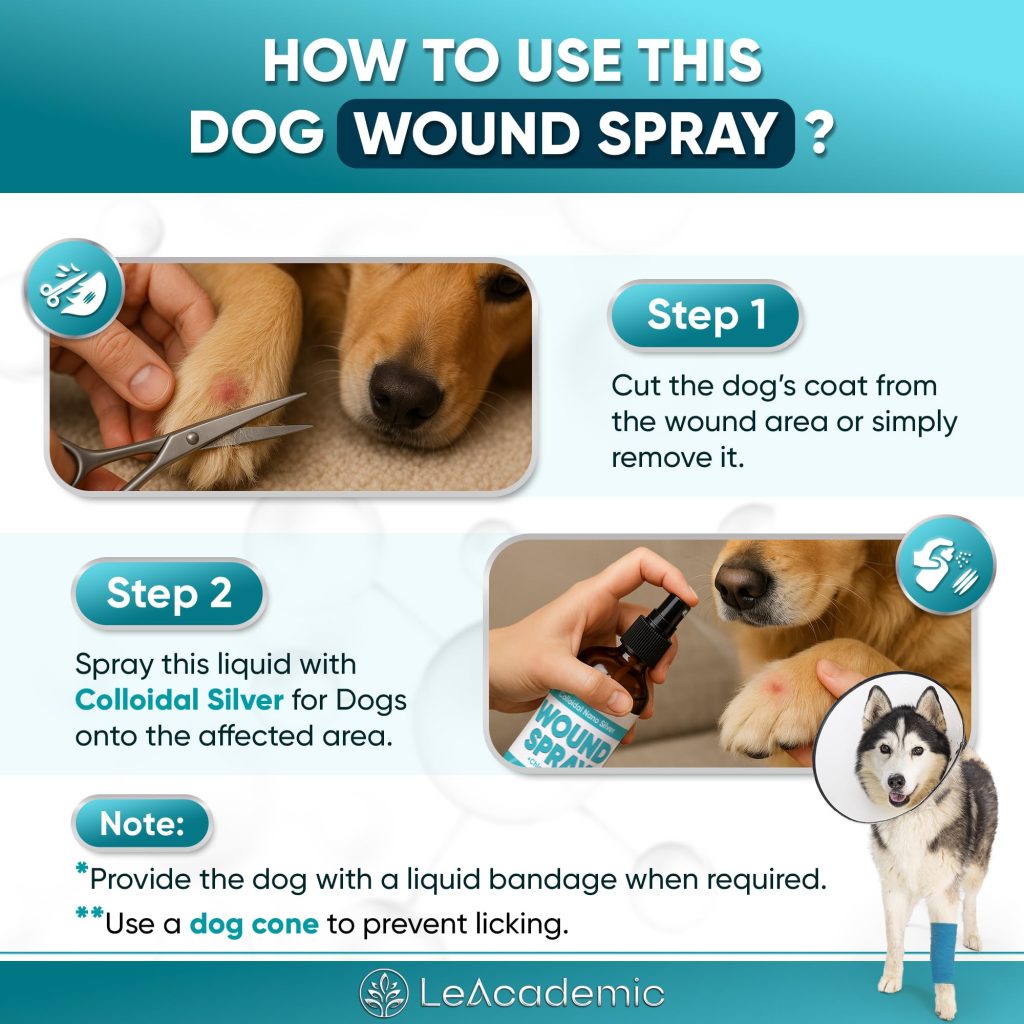
If your dog has a cut, you want to act fast and make sure it heals properly. Knowing how to care for a cut on your dog can save you stress and prevent infection.
You might feel unsure about what steps to take or when to see a vet. This guide will walk you through simple, clear actions you can do right away to help your furry friend feel better. Keep reading to learn how to protect your dog’s health and avoid common mistakes that could slow healing.
Your dog’s comfort and safety depend on what you do next.
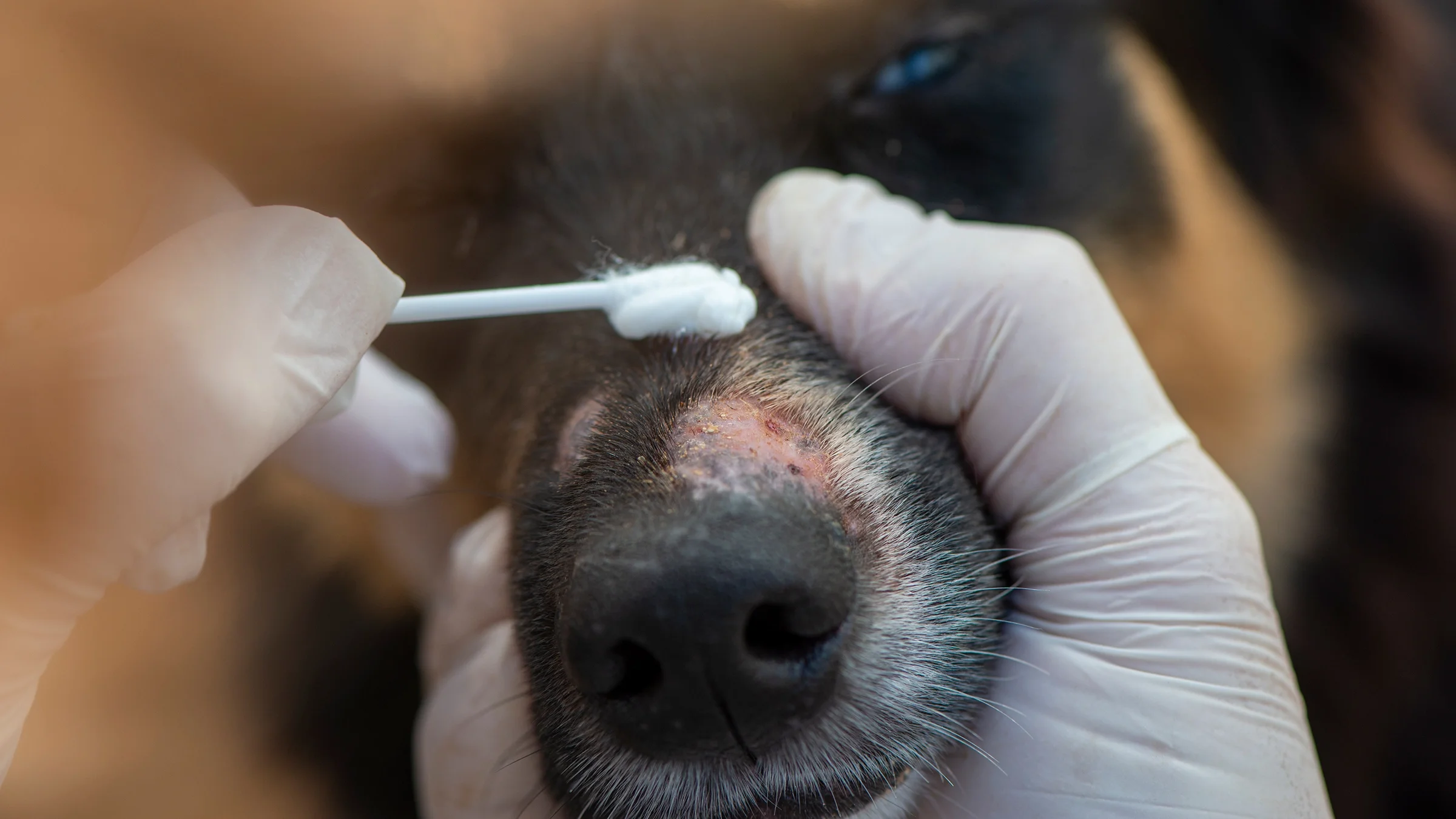
Credit: www.goodrx.com
Assessing The Injury
When your dog gets a cut, the first step is to assess the injury. This helps you decide the best care for your pet.
Look closely at the wound and the area around it. Knowing what to check makes it easier to handle the situation.
Checking The Severity
Check how deep and wide the cut is. A small scratch may only need cleaning. A deep or bleeding cut needs more care.
- Look for heavy bleeding that does not stop after applying pressure for 10 minutes.
- Check if the cut is very deep or if you can see muscles or bones.
- See if the dog is in pain when you touch the area.
- Watch if the dog cannot move the part of the body near the cut.
Identifying Signs Of Infection
Infections can make a cut worse and harm your dog. Watch for signs that the wound is infected.
| Sign | Description |
| Redness | The skin around the cut looks red and swollen. |
| Heat | The area feels warm or hot to touch. |
| Discharge | There is pus or a bad-smelling liquid coming from the cut. |
| Pain | The dog shows pain when you touch the cut or the dog licks it often. |
| Fever | Your dog feels hotter than usual and seems weak. |
Cleaning The Wound
Cleaning a cut on your dog helps stop infection and speeds healing. It is important to clean the wound gently and carefully.
Follow simple steps to keep your dog safe and comfortable during cleaning.
Gathering Necessary Supplies
Before cleaning the wound, collect all needed items. This helps you work quickly and avoid stress for your dog.
- Clean water or saline solution
- Sterile gauze pads or clean cloth
- Antiseptic solution safe for dogs
- Disposable gloves
- Towels to keep your dog steady
Flushing The Cut Safely
Flush the cut with clean water or saline to remove dirt. Use gentle pressure to avoid hurting your dog.
Hold the gauze or cloth nearby to catch any liquid and keep the area clean.
- Use a syringe or cup for steady flow
- Flush from the inside out to push dirt away
- Repeat until the wound looks clean
Avoiding Harmful Substances
Do not use alcohol, hydrogen peroxide, or human antiseptics. These can harm dog skin and delay healing.
Stick to products made for pets or ask your vet what is safe.
- Avoid harsh chemicals
- Do not use scented soaps or creams
- Use only vet-approved wound care items
Stopping The Bleeding
When a dog gets a cut, stopping the bleeding is the first step. Quick action helps prevent infection and more serious problems.
Knowing how to control bleeding safely can keep your dog calm and comfortable.
Applying Pressure
Use a clean cloth or gauze to press gently on the cut. This helps blood clot and stops the flow.
Keep steady pressure for several minutes without lifting the cloth to check. If blood soaks through, add more cloth but do not remove the original.
- Choose a clean, soft cloth or gauze
- Apply firm, even pressure directly on the cut
- Hold pressure for at least 5 minutes
- Add more cloth if needed, do not remove the first
- Keep your dog calm and still during this time
Using Bandages Effectively
Once bleeding slows or stops, wrap the cut with a bandage to protect it. Bandages keep dirt and germs away.
Wrap the bandage snugly but not too tight to avoid cutting off circulation. Check the paw or limb below for swelling or coldness.
- Use sterile gauze pads over the cut
- Wrap with a stretchy bandage or vet wrap
- Secure the bandage without tight knots
- Check the bandage often for tightness or slipping
- Change the bandage daily or if it gets wet or dirty
Protecting The Cut
Taking care of a cut on your dog is very important. Protecting the wound helps it heal faster and stops infection.
Use the right methods to keep the cut safe and clean. This will help your dog feel better soon.
Choosing The Right Dressing
Pick a dressing that fits the cut size and type. The dressing should protect the wound and keep dirt away.
- Use sterile gauze pads for small cuts.
- Choose non-stick dressings to avoid pain when changing.
- Make sure the dressing is breathable but keeps moisture out.
- Use vet-approved adhesive tape that won’t irritate the skin.
Keeping The Area Dry And Clean
Keep the cut dry and clean to stop germs from growing. Change the dressing often to avoid infection.
| Task | How Often | Why |
| Check the cut | Every 4-6 hours | Look for redness or swelling |
| Change the dressing | Once or twice daily | Keep wound dry and clean |
| Clean around cut | Daily | Remove dirt and prevent infection |
Preventing Licking And Scratching
Dogs often lick or scratch their cuts. This can slow healing or cause infection. It is important to stop this behavior.
Two common ways to prevent licking and scratching are using Elizabethan collars and distraction techniques. Both help protect your dog’s wound.
Using Elizabethan Collars
Elizabethan collars, also called “cones,” keep dogs from reaching wounds. They fit around the neck and block the dog’s mouth.
- Choose the right size collar to fit your dog comfortably.
- Check the collar often to make sure it is clean and not causing irritation.
- Do not remove the collar until the cut is fully healed.
- Watch your dog closely at first to help them get used to wearing it.
Distraction Techniques
Distraction helps keep your dog’s mind off the wound. It reduces the urge to lick or scratch.
| Distraction Method | How It Helps |
| Interactive Toys | Keep dog busy with play and chewing |
| Training Sessions | Focus dog’s attention on commands and rewards |
| Exercise | Burn energy to reduce restlessness |
| Calm Music | Soothes and reduces anxiety |
Monitoring Healing Progress
Caring for a cut on your dog requires attention to detail. Monitoring the healing process is crucial for ensuring a quick recovery.
Understanding the signs of normal healing and spotting complications early can help you take appropriate action.
Recognizing Normal Healing Signs
Normal healing involves several stages. Recognizing these signs can reassure you that the wound is healing properly.
- Scabbing: A dry crust forms to protect the wound.
- Reduced Swelling: The area around the cut should start to reduce in size.
- New Skin: The wound edges begin to close, and new skin appears.
Spotting Complications Early
Complications can occur if a cut is not healing as expected. Identifying these early can prevent further issues.
| Complication | Sign |
| Infection | Increased redness or pus |
| Delayed Healing | No improvement after a few days |
| Excessive Bleeding | Blood does not clot |
When To See A Vet
Knowing when to visit a vet is important for your dog’s health. Some cuts need immediate care from a professional.
Learn the signs that show when your dog’s cut needs a vet’s attention. Acting fast can prevent infections and other problems.
Emergency Situations
Take your dog to the vet right away if you notice any of these emergency signs:
- The cut is deep and bleeding heavily.
- You see bone, muscle, or tendons.
- The wound is caused by a bite or dirty object.
- Your dog is weak, faint, or not responding.
- The cut is near the eyes, mouth, or genitals.
- There is swelling, pus, or a bad smell from the wound.
- Your dog is in severe pain or keeps licking the cut.
Follow-up Care Recommendations
After the initial care, watch your dog closely for signs of healing or trouble. Follow these steps to help your dog recover well:
| Care Step | What to Do |
| Keep the wound clean | Gently wash with warm water daily |
| Change bandages | Replace dressings as your vet advises |
| Limit activity | Prevent running or jumping to avoid reopening |
| Watch for infection | Look for redness, swelling, or discharge |
| Follow vet instructions | Give all medicines and attend follow-up visits |

Credit: www.walmart.com

Credit: www.petsuitesofamerica.com
Frequently Asked Questions
How Do I Clean A Dog’s Cut Safely At Home?
Use warm water and mild soap to gently clean the cut. Avoid harsh chemicals. Pat dry with a clean cloth. This helps prevent infection and promotes healing.
When Should I See A Vet For My Dog’s Cut?
Visit a vet if the cut is deep, bleeding heavily, or shows signs of infection. Also seek help if your dog is in pain or the wound doesn’t heal.
Can I Use Human Antiseptics On My Dog’s Wound?
Some human antiseptics can harm dogs. Use pet-safe antiseptics recommended by your vet. Always check before applying anything to your dog’s cut.
How Can I Prevent Infection In My Dog’s Wound?
Keep the wound clean and dry. Change bandages daily and prevent your dog from licking the cut. Monitor for redness, swelling, or discharge.
Conclusion
Caring for your dog’s cut helps them heal faster. Keep the wound clean and dry each day. Watch for signs of infection like redness or swelling. Use vet-approved ointments and avoid harsh chemicals. Give your dog a calm space to rest and heal.
Regular checks can catch problems early. Quick care means your dog feels better soon. Always contact your vet if the cut worsens. Simple steps make a big difference in your pet’s health.

Emily Barker is the founder of ChillDogLife.com, a space dedicated to helping pup parents discover the best dog products, lifestyle tips, and cozy ideas for happier homes.
A lifelong dog lover, Emily combines her passion for pets with a knack for research to share trusted recommendations on everything from toys and furniture to health and everyday care.
Her goal is simple: to make life easier, stylish, and more joyful for dogs and the people who love them.




