
Is your dog turning your garden into a mess with endless digging? You’re not alone, and the good news is you can stop this behavior.
Understanding why your dog digs and how to redirect their energy will save your yard and keep your furry friend happy. Keep reading, and you’ll discover simple, effective steps to make your dog stop digging for good.

Credit: www.amazon.com
Reasons Dogs Dig
Understanding why your dog digs is the first step to stopping the behavior. Dogs don’t dig just to annoy you—they have real reasons rooted in their nature and environment. Knowing what drives your dog to dig helps you respond in ways that work, not just punish.
Instinctual Behavior
Digging is a natural instinct for many dogs. Wild ancestors dug to create safe, cool spots or to hide food. Even your pet might dig simply because it feels natural and satisfying to them.
Have you noticed your dog digging in the same spot repeatedly? This could be their way of connecting to their primal roots.
Boredom And Excess Energy
Your dog might dig because they’re bored or full of unused energy. Without enough play or exercise, digging becomes a way to entertain themselves. This behavior often spikes if your dog spends long periods alone.
Try asking yourself: Does your dog get enough physical and mental activity daily? Increasing walks or games might cut down on digging.
Seeking Comfort Or Shelter
Dogs sometimes dig to create a comfortable space to rest. Digging can cool down the ground in hot weather or provide a sheltered nook in colder times. Your dog is essentially trying to make their environment more pleasant.
Consider if weather or location influences your dog’s digging spots. Providing a shaded or cozy area might reduce this need.
Hunting Or Exploring
Digging can be a form of hunting or exploring for dogs. They might sense animals underground or simply want to investigate hidden scents. This behavior taps into their curiosity and natural hunting skills.
Do you catch your dog focused on a particular patch of ground? That spot might hold something interesting beneath the surface.
Anxiety Or Stress
Some dogs dig to relieve anxiety or stress. If your dog feels nervous, digging can serve as a calming outlet. Changes in environment or routine often trigger this behavior.
Think about recent changes in your dog’s life. Could they be reacting to stress? Addressing the root cause can help ease their digging urge.
Signs To Watch For
Noticing the signs your dog is digging too much can help you stop the behavior before it causes serious problems. Watching for clear clues lets you understand why your dog digs and how to redirect their energy. Pay attention to where and when your dog digs, along with any changes in their behavior that might explain the digging habit.
Frequent Digging Spots
Look closely at the areas your dog targets repeatedly. Is it a particular patch of your yard, near a tree, or by the fence? These spots often hold clues—maybe your dog is chasing scents, hiding treasures, or just seeking a cool place to lie down.
Have you noticed your dog digging near flower beds or garden patches? This often means they’re attracted to smells or trying to unearth something buried. Marking these spots can help you set boundaries or provide alternative digging zones.
Behavior Changes
Digging can sometimes signal changes in your dog’s mood or health. Is your dog restless, whining, or showing signs of anxiety? These behaviors often accompany digging and could mean your dog is stressed or bored.
Think about any recent changes in your dog’s routine or environment. Has a new pet arrived, or has your dog been left alone more often? These shifts can lead to digging as a coping mechanism.
Damage To Yard Or Garden
Check your yard for holes, uprooted plants, or damaged grass. This kind of destruction is a clear sign your dog’s digging is becoming a problem. You might even find mud tracked inside your house after a digging session.
Notice how the damage affects your outdoor space and if it’s getting worse. Is the digging ruining your favorite plants or creating hazards? Identifying the impact helps you decide how urgently you need to act.
Immediate Actions To Stop Digging
Stopping your dog from digging starts with quick and thoughtful action. Addressing the behavior immediately helps prevent it from becoming a habit. You want to catch your dog’s attention and guide them toward better activities right away.
Redirecting Attention
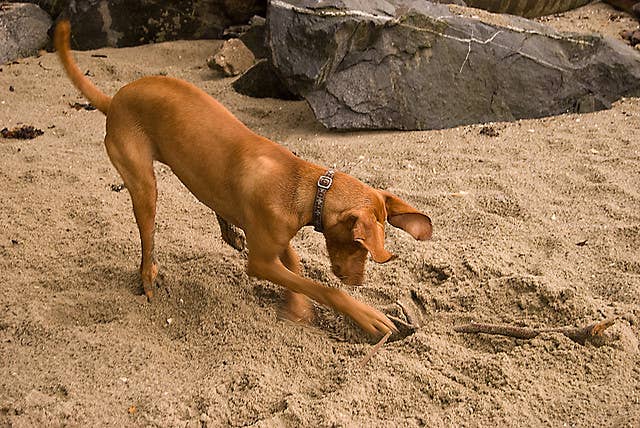
When you see your dog digging, gently interrupt and redirect their focus. Offer a toy or suggest a game like fetch to shift their energy. Dogs often dig out of boredom, so giving them a fun alternative keeps their mind busy and paws occupied.
Try creating a designated digging spot in your yard. Encouraging your dog to dig there can satisfy their natural urge in a controlled way. Have you tried offering a sandbox filled with toys or treats to make digging a positive experience?
Using Commands And Training
Teaching clear commands like “No” or “Leave it” empowers you to control digging behavior immediately. Consistency is key—use the same word every time your dog starts to dig. Reward your dog when they stop digging on command to reinforce good behavior.
Short, frequent training sessions work best. Practicing commands during calm moments helps your dog respond better when it counts. Have you noticed how some dogs respond faster to positive reinforcement than to punishment?
Applying Safe Deterrents
Safe deterrents can discourage digging without harming your dog. Placing natural repellents like citrus peels or vinegar-soaked cloths near digging spots can make those areas less appealing. These smells are unpleasant to dogs but harmless and easy to use.
You can also use physical barriers such as chicken wire or rocks under the soil to prevent digging in specific areas. This way, you protect your garden or yard while teaching your dog where digging is off-limits. What safe deterrents have you found effective in your yard?
Long-term Solutions
Stopping a dog from digging requires more than quick fixes. Long-term solutions help change your dog’s habits and keep your yard safe. These solutions focus on your dog's needs and behavior. They encourage good actions and reduce digging urges over time.
Increasing Exercise And Playtime
Dogs often dig because they have extra energy. Give your dog plenty of exercise to tire them out. Daily walks, runs, and play sessions help use up energy. Playing fetch or tug-of-war can keep your dog active. A tired dog is less likely to dig in the yard.
Creating A Designated Digging Area
Provide a special spot where your dog can dig freely. This gives your dog permission to dig without damaging your garden. Use a sandbox or a small patch of dirt. Bury toys or treats in this area to attract your dog. Praise your dog when they dig only in this space.
Improving Mental Stimulation
Boredom can lead to digging. Give your dog puzzles and interactive toys. These toys challenge your dog’s mind and keep them busy. Training sessions also stimulate your dog mentally. A busy mind means less digging and more focus on good behavior.
Addressing Anxiety And Stress
Digging can be a sign of anxiety or stress. Look for other signs like whining or pacing. Create a calm space with your dog’s favorite bed and toys. Use calming sprays or diffusers designed for dogs. Spend extra time comforting and bonding with your dog.
Yard Management Tips
Managing your yard effectively can stop your dog from digging and save your outdoor space from becoming a mess. The key is to make the yard less tempting and harder to dig in. Simple changes can make a big difference in your dog’s behavior and your garden’s health.
Removing Attractive Smells
Dogs often dig because they catch interesting scents in the soil. Removing these smells can reduce their urge to dig. Clean up any food scraps, fallen fruit, or animal droppings quickly to avoid attracting your dog.
You can also try sprinkling vinegar or citrus peels in areas your dog likes to dig. These smells are unpleasant to dogs and can discourage digging. Have you noticed your dog digging more after a neighbor’s cat visits? Managing those scents can help control the behavior.
Protecting Plants And Garden Beds
Plants and garden beds are common targets for digging dogs. Protect these areas by creating clear boundaries your dog understands. Use mulch or rocks around plants to make digging uncomfortable.
Raised garden beds are another great option. They make it physically harder for dogs to reach the soil and plants. You might also train your dog to stay away by using consistent commands and rewards around these protected zones.
Using Physical Barriers
Physical barriers are a straightforward way to stop digging. Fencing off problem areas with chicken wire or garden fencing keeps your dog out. Bury the fencing a few inches underground to prevent digging underneath.
Another option is to place large stones or pavers in favorite digging spots. This changes the texture and makes digging difficult. Have you tried combining barriers with training? This combo often works best to change your dog’s habits.

Credit: www.reddit.com
When To Seek Professional Help
Knowing when to seek professional help is crucial if your dog’s digging problem persists despite your best efforts. Sometimes, digging isn’t just a bad habit but a sign of deeper behavioral or health issues. Recognizing these signs early can save you time and stress.
Persistent Digging Despite Efforts
If you’ve tried different strategies like providing more exercise, toys, or designated digging spots but your dog keeps digging, it might be time to get expert advice. Stubborn digging can indicate that your dog’s needs aren’t fully met or that there’s an underlying cause you haven’t identified. Ask yourself: Have you noticed any changes in your dog’s environment or routine that could be affecting their behavior?
Possible Behavioral Issues
Excessive digging can sometimes stem from anxiety, boredom, or even compulsive disorders. Dogs left alone for long periods might dig out of stress, while others might dig to escape or hide things. Understanding the root cause is key, and this often requires a professional who can observe your dog’s behavior in detail.
Consulting Trainers Or Veterinarians
Professional trainers can teach you techniques tailored to your dog’s personality and digging triggers. If you suspect health issues like parasites or skin problems causing discomfort, a veterinarian’s evaluation is essential. Don’t hesitate to reach out—sometimes a fresh perspective can reveal solutions you hadn’t considered.
Credit: pethelpful.com
Frequently Asked Questions
Why Does My Dog Keep Digging In The Yard?
Dogs dig to relieve boredom, seek attention, or find comfort. It’s also a natural instinct for some breeds. Identifying the cause helps you address the behavior effectively and prevent further digging.
How Can I Stop My Dog From Digging Holes?
Provide plenty of exercise and mental stimulation. Create a designated digging area with toys and praise your dog for using it. Consistent training and supervision help discourage unwanted digging in other spots.
Are There Safe Deterrents To Prevent Digging?
Yes, natural deterrents like citrus peels, vinegar, or commercial sprays can discourage digging. Avoid harmful chemicals. Regularly rotate deterrents to maintain effectiveness and combine them with training for best results.
Does Crate Training Help Reduce Digging Behavior?
Crate training can reduce digging by limiting unsupervised outdoor access. It helps manage your dog’s environment and prevents digging when you can’t watch them. Use it alongside exercise and training for long-term success.
Conclusion
Stopping your dog from digging takes patience and understanding. Identify why they’re digging. Is it boredom? Anxiety? Or just instinct? Provide plenty of exercise to burn energy. Toys and puzzles help keep their mind busy. Create a designated digging spot if needed.
Use positive reinforcement when they dig in the right place. Consistency is key. Train regularly and reward good behavior. Avoid punishment; it can cause fear. Every dog is different, so tailor solutions to their needs. With time, your garden will stay neat, and your dog will be happy.

Emily Barker is the founder of ChillDogLife.com, a space dedicated to helping pup parents discover the best dog products, lifestyle tips, and cozy ideas for happier homes.
A lifelong dog lover, Emily combines her passion for pets with a knack for research to share trusted recommendations on everything from toys and furniture to health and everyday care.
Her goal is simple: to make life easier, stylish, and more joyful for dogs and the people who love them.




