
If you’re a pet parent, you want what’s best for your puppy’s health and happiness. Choosing the right chew toy can be tricky, especially with so many options out there.
You might be wondering, “Are antler dog chews safe for my puppy? ” It’s a common question because these chews look natural and long-lasting. But before you give one to your furry friend, it’s important to understand the benefits and risks.
Keep reading to discover everything you need to know to keep your puppy safe and satisfied.
Benefits Of Antler Chews
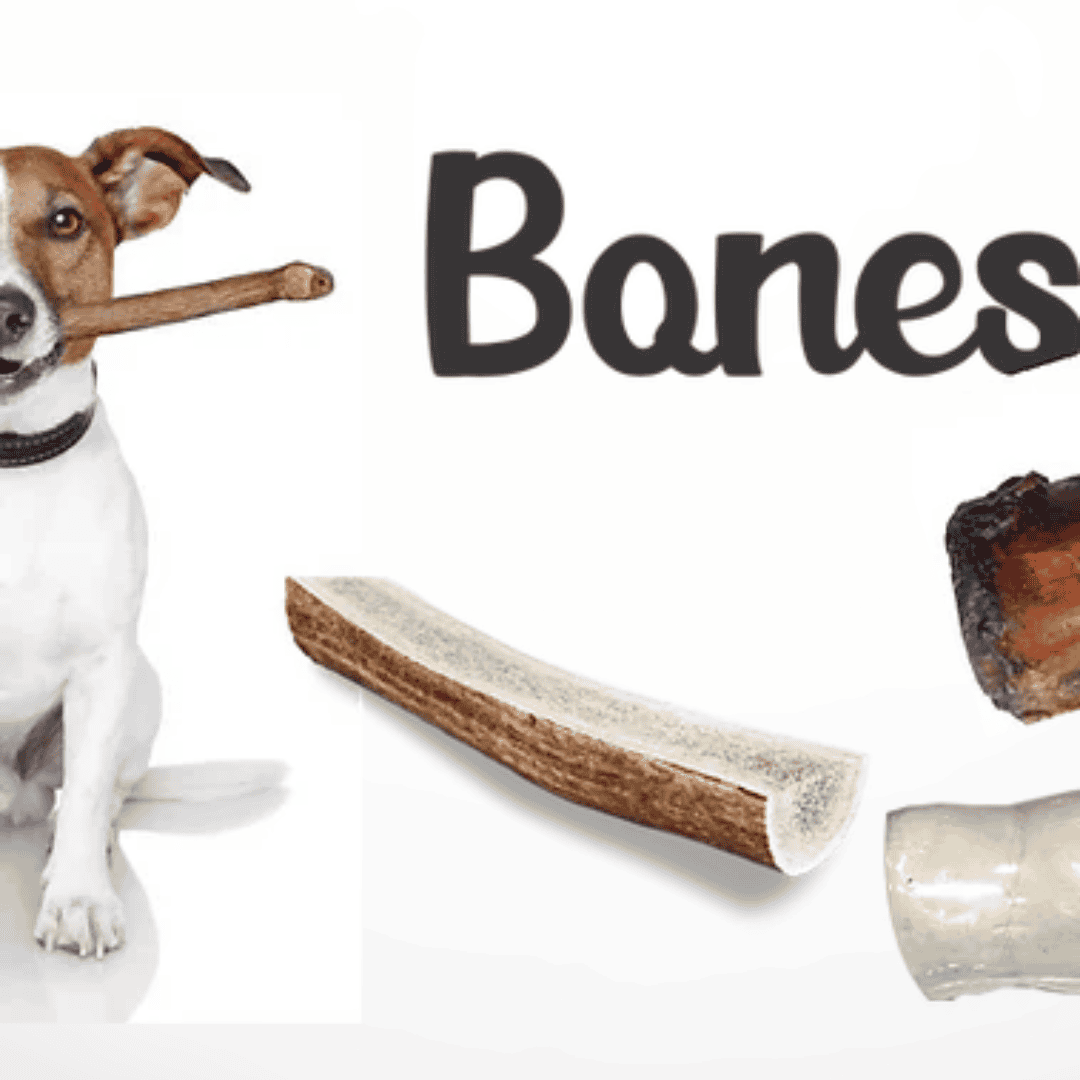
Antler chews offer many benefits for puppies. They serve as a safe and healthy option for chewing needs. These chews help puppies develop strong teeth and gums. They also keep puppies busy, reducing boredom and destructive behavior. Antler chews are a natural choice that supports overall health and well-being.
Natural Ingredients
Antler chews come from naturally shed deer or elk antlers. They contain no artificial colors or flavors. This makes them a pure, chemical-free option for puppies. Natural ingredients reduce the risk of allergic reactions. Puppies enjoy the natural scent and taste of antlers.
Long-lasting Durability
Antler chews are very hard and durable. They last much longer than rawhide or rubber toys. Puppies can chew for hours without destroying them. This durability makes antler chews a cost-effective choice. They also help puppies build strong jaw muscles.
Nutritional Value
Antlers contain important minerals like calcium and phosphorus. These minerals support healthy bones and teeth. Antler chews also have small amounts of zinc and magnesium. These nutrients aid in overall growth and development. Puppies get a healthy snack while chewing safely.

Credit: ridgerunnerantlerchews.com
Risks For Puppies
Puppies have delicate bodies and developing teeth. Antler dog chews can pose several risks for them. These risks vary from choking to digestive troubles. Understanding these dangers helps keep puppies safe while chewing.
Choking Hazards
Antlers can break into small, sharp pieces. Puppies may swallow these fragments accidentally. This can block their throat or cause choking. Always watch puppies closely during chew time. Remove chews if they start to splinter.
Dental Damage
Puppies’ teeth are softer than adult dogs’. Hard antlers can cause cracked or broken teeth. This leads to pain and costly vet visits. Softer toys are safer for puppy teeth. Avoid giving antlers to very young puppies.
Digestive Issues
Swallowed antler pieces can irritate the stomach or intestines. This may cause vomiting, diarrhea, or constipation. Large fragments can even cause blockages needing surgery. Monitor puppies after chewing antlers for any signs of discomfort.
Choosing The Right Antler
Choosing the right antler for your puppy is more than just picking a chew toy. It involves understanding the unique needs of your growing dog to ensure safety and enjoyment. The right choice can protect their developing teeth and provide hours of healthy chewing activity.
Size And Shape Considerations
Choosing an antler that fits your puppy’s size is crucial. Too large, and your pup might struggle to chew properly; too small, and it could pose a choking risk. Look for antlers with smooth edges and avoid those with sharp points that can hurt tender gums.
Think about your puppy’s chewing style. If your dog is a gentle chewer, a softer, smaller antler might be best. For more aggressive chewers, sturdier, larger antlers designed to withstand heavy gnawing can prevent quick wear and potential breakage.
Source And Quality
Not all antlers are created equal. High-quality antlers come from reputable sources and are free from chemicals, preservatives, or artificial dyes. You want to make sure the antler is naturally shed and thoroughly cleaned before use.
Consider where the antlers are sourced. Antlers from wild deer or elk tend to be safer than those from farmed animals due to fewer contaminants. Always check for certifications or reviews that confirm the product’s safety and quality.
Age-appropriate Options
Puppies have softer teeth and jaws that require gentler options. Younger dogs benefit from antlers that are less dense or even split antlers designed to be softer. These options reduce the risk of tooth fractures while still satisfying the urge to chew.
As your puppy grows, you can introduce firmer antlers gradually. Watch for signs of wear or discomfort. Adjust the chew size and hardness based on their development and chewing strength to keep them safe and happy.
Safe Chewing Practices
Safe chewing practices help protect puppies from harm and promote healthy habits. Puppies explore the world with their mouths, so providing safe chews is vital. Antler dog chews can be a good option if used correctly. Understanding how to supervise, limit chew time, and replace worn chews keeps puppies safe and happy.
Supervision Tips
Always watch your puppy while chewing antler treats. Puppies may bite off small pieces that can cause choking. Stay nearby to intervene if needed. Remove the chew if your puppy becomes aggressive or swallows big chunks. Supervision also helps detect early signs of wear or splintering.
Limiting Chew Time
Set short chewing sessions of 10 to 15 minutes. Long chewing can wear down teeth or cause jaw fatigue. Frequent breaks let your puppy rest and reduce risks. Rotate chews to keep interest and avoid overuse of one antler piece. Use a timer to keep track of chew time.
Replacing Worn Chews
Check antler chews regularly for cracks, splinters, or small pieces. Replace chews that show signs of damage to prevent injury. Worn chews can break easily and hurt your puppy’s mouth. Dispose of old chews properly to avoid accidental swallowing. Fresh chews offer better safety and enjoyment.
Alternatives To Antler Chews
If you’re worried about the safety of antler chews for your puppy, there are plenty of other options that keep your furry friend happy and healthy. Puppies have delicate teeth and gums, so choosing the right chew can make a big difference in their comfort and development. Let’s look at some alternatives that offer fun, durability, and safety all in one.
Rubber Chew Toys
Rubber chew toys are a fantastic choice for puppies. They’re soft enough to protect tender teeth but tough enough to withstand vigorous chewing. Many are designed to clean teeth and massage gums, which helps your puppy maintain good oral health.
Look for brands that use non-toxic, BPA-free rubber. Some toys even allow you to add treats inside, which keeps your puppy entertained for longer. Ever noticed how your puppy’s energy spikes when you introduce a new toy? Rubber chew toys can channel that energy positively.
Edible Chews
Edible chews offer the dual benefit of satisfying your puppy’s urge to chew and providing a tasty treat. Options like dental sticks, rawhide alternatives, and natural bully sticks are popular. However, it’s important to choose products specifically made for puppies to avoid choking hazards or digestive issues.
Always supervise your puppy during chew time to prevent swallowing large pieces. Have you ever seen your puppy get overly excited about a treat? Edible chews can turn chew time into a rewarding experience that strengthens your bond.
Frozen Treats
Frozen treats are a great way to soothe your puppy’s sore gums, especially during teething. You can freeze plain yogurt, mashed fruits, or specially made puppy-safe treats. These cold chews provide relief and keep your puppy busy.
Try stuffing a Kong toy with peanut butter and freezing it for a long-lasting, tasty challenge. How often do you think about the temperature of your puppy’s chew? Frozen treats combine comfort and fun in one chilly package.
Credit: themobilebarkery.com
When To Avoid Antler Chews
Antler dog chews can be a great treat for your puppy, but there are times when you should hold off on giving them. Knowing when to avoid antler chews helps protect your puppy’s health and happiness. Let’s look at key signs and situations where antlers might do more harm than good.
Signs Of Dental Problems
If your puppy shows signs of dental issues, such as swollen gums, bleeding, or difficulty chewing, antler chews are not a safe choice. These hard chews can worsen existing problems or cause fractures in fragile teeth. Watch for persistent drooling, bad breath, or pawing at the mouth—these could mean your puppy’s teeth need a vet check before you introduce anything tough to chew.
Behavioral Concerns
Some puppies become overly aggressive with chews, biting too hard or trying to swallow large chunks. If your puppy tends to guard toys or treats fiercely, antlers might increase this behavior and cause choking hazards. Also, if your puppy is overly anxious or destructive, a tough chew might not calm them down but escalate stress. Consider softer alternatives until your pup learns safe chewing habits.
Health Conditions
Certain health issues make antler chews risky. Puppies with digestive problems might struggle with antler fragments, leading to blockages or discomfort. If your puppy has food allergies or sensitivities, check the antler source carefully to avoid reactions. Also, puppies with weaker immune systems or recovering from illness should avoid hard chews that can introduce bacteria or cause injury.

Credit: www.aol.com
Frequently Asked Questions
Are Antler Chews Safe For Puppy Teeth?
Antler chews can be too hard for puppy teeth, causing potential damage. Puppies have softer teeth, making them prone to fractures. It’s advisable to choose softer chews for puppies. Always supervise your puppy with any chew toy to ensure safety.
Consult your vet for the best options.
Can Puppies Digest Antler Dog Chews?
Puppies may struggle to digest antler chews due to their hard texture. This can lead to digestive issues. It’s better to select chews that are easier to digest. Monitor your puppy for any signs of discomfort or digestive problems. Always consult your veterinarian for recommendations.
What Age Can Puppies Have Antler Chews?
Puppies should ideally be older than six months before trying antler chews. Younger puppies have developing teeth and jaws. Soft chews are more suitable for their growing teeth. Always prioritize your puppy’s dental health and consult a vet for age-appropriate chew toys.
Why Are Antler Chews Popular For Dogs?
Antler chews are popular due to their durability and natural origin. They provide long-lasting entertainment for dogs. Antlers are a natural source of minerals like calcium and phosphorus. However, always consider the dog’s age and chewing habits before offering antlers.
Conclusion
Antler dog chews can be safe for puppies if used carefully. Always choose the right size to avoid choking risks. Watch your puppy while chewing to catch any problems early. These chews last long and help keep teeth clean. Still, not all puppies like or handle antlers well.
Talk to your vet before trying new chews. Proper supervision and care keep your puppy happy and safe. Antler chews might be a good option, but safety comes first.

Emily Barker is the founder of ChillDogLife.com, a space dedicated to helping pup parents discover the best dog products, lifestyle tips, and cozy ideas for happier homes.
A lifelong dog lover, Emily combines her passion for pets with a knack for research to share trusted recommendations on everything from toys and furniture to health and everyday care.
Her goal is simple: to make life easier, stylish, and more joyful for dogs and the people who love them.




