Is your yard starting to look like a mini excavation site thanks to your dog’s digging? You’re not alone.
Many dog owners struggle with this frustrating habit that can damage your lawn and leave you feeling helpless. But what if you could stop the digging without scolding your furry friend or giving up your beautiful yard? You’ll discover simple and effective ways to keep your dog from turning your yard into a digging zone.
Keep reading, and you’ll learn how to protect your outdoor space while keeping your dog happy and healthy.

Credit: www.amazon.ca
Reasons Dogs Dig
Understanding why your dog digs is the first step to stopping this behavior. Dogs don’t dig just to annoy you or ruin your garden—they have real reasons behind their actions. Recognizing these reasons helps you address the root cause effectively.
Instinctual Behavior
Digging is a natural behavior inherited from dogs’ wild ancestors. They dig to create a cool, safe spot to rest or to hide food for later. Even if your dog doesn’t need to survive outdoors, these instincts remain strong.
Have you noticed your dog scratching the ground before lying down? This is a clear sign of instinctual digging. Instead of punishing this behavior, try giving your dog a designated digging area.
Boredom And Energy Release
Your dog might dig simply because they’re bored or have too much energy. Dogs left alone for hours often find ways to entertain themselves, and digging is an easy outlet. This behavior can quickly become destructive if not managed.
Think about your dog’s daily routine. Are they getting enough playtime and mental stimulation? Adding more walks, games, or training sessions can reduce the urge to dig out of boredom.
Seeking Comfort Or Escape
Dogs sometimes dig to find comfort or a way out of the yard. Hot weather might make your dog dig to reach cooler soil. Alternatively, a dog feeling anxious or confined might dig near fences to escape.
Ask yourself if your dog has a quiet, shaded place to relax. Also, check your yard’s boundaries—are they secure enough to prevent escape attempts? Addressing these needs can stop comfort or escape digging.
Hunting Instincts
Digging can also be driven by your dog’s natural hunting instincts. Some dogs dig to catch burrowing animals like moles or squirrels. This behavior is especially common in breeds bred for hunting or retrieving.
Observe if your dog focuses on specific spots when digging. If so, consider removing or deterring wildlife from your yard. Providing toys that mimic hunting, like puzzle feeders, can satisfy this instinct in a controlled way.
Assessing Your Yard
Before you can stop your dog from digging up the yard, you need to understand the layout and specific challenges your outdoor space presents. Assessing your yard helps you spot where digging happens most, what might be attracting your dog, and any risks involved. This gives you a clear picture to tackle the problem effectively.
Identifying Problem Areas
Look closely at your yard to find where your dog digs the most. Is it near fences, flower beds, or open grassy patches? Mark these spots to focus your efforts.
Notice if digging happens after certain times of day or during specific weather. This can reveal if your dog digs out of boredom, to escape, or to cool off.
Soil And Plant Considerations
Check the soil type in your yard. Sandy or loose soil is easier to dig and might encourage your dog to dig more. Clay or rocky soil can be less inviting.
Also, look at your plants. Some dogs dig near certain plants either because they like the scent or want to reach roots. Avoid toxic plants that could harm your pet if disturbed.
Safety Hazards For Dogs
Identify any sharp objects, holes, or chemicals in your yard that could hurt your dog during digging sessions. Old tools, broken glass, or pesticides need immediate removal.
Are there underground sprinkler systems or electrical wires? Your dog might dig into these, causing injury or damage. Protecting these areas keeps your dog safe and prevents costly repairs.
Training Techniques
Training your dog to stop digging in the yard takes focus and the right approach. It’s about teaching your dog what’s expected and offering better choices. Using effective training techniques helps you build a positive connection while addressing the digging habit head-on.
Positive Reinforcement
Reward your dog when they choose not to dig or when they dig in an approved area. Use treats, praise, or playtime immediately after the good behavior. This helps your dog link stopping digging with something enjoyable.
Instead of punishing your dog, focus on encouraging what you want to see. Have you noticed how your dog responds better to rewards than scolding? This approach creates a happier learning environment and makes training easier.
Redirecting Digging Behavior
Give your dog a designated digging spot filled with soft soil or sand. When you catch them digging elsewhere, gently guide them to this special area. Allow your dog to dig freely there, making it an acceptable outlet for their natural instincts.
Try adding toys or treats buried in the digging zone to make it more exciting. Redirecting their energy prevents frustration and helps protect your yard without stopping digging completely. What digging-friendly alternatives can you create in your yard?
Consistency And Patience
Stick to the rules every day. If your dog digs in the yard, calmly redirect them each time without giving in. Consistency teaches your dog what behaviors are allowed and which are not.
Remember, change takes time. Your dog won’t stop digging overnight, but steady training will pay off. Have you noticed small improvements when you stay patient and consistent during training?
Physical Barriers
Physical barriers can be a straightforward and effective way to stop your dog from digging in the yard. These barriers create clear boundaries that your dog can see and feel, which helps discourage digging behavior. Let’s look at some practical options you can try in your own yard.
Fencing Options
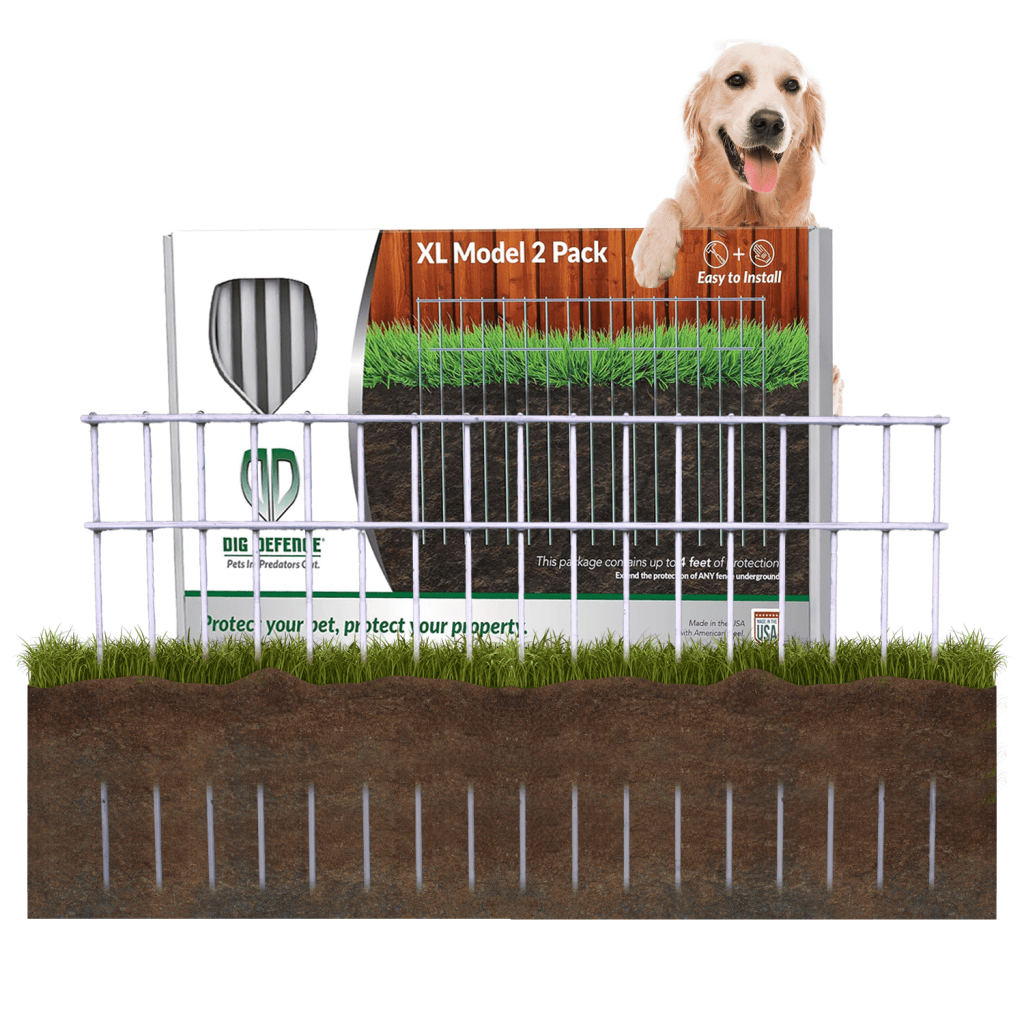
Installing fences designed to prevent digging can save you a lot of frustration. You might consider burying chicken wire or hardware cloth a few inches underground along the fence line. This stops dogs from digging right at the base, where they often try to escape or create holes.
Another option is adding a vertical barrier, like a tall wooden or metal fence, which can deter digging by limiting access to tempting areas. Have you noticed your dog focuses on a particular spot? Placing fencing specifically around that area can be a targeted solution.
Protective Covers For Plants
If your dog targets flower beds or garden plants, protective covers can be a lifesaver. Using wire mesh or garden fencing around plants keeps curious paws out without harming your greenery. You can also use plastic or metal plant cages to shield individual plants.
Consider placing decorative stones or bricks around plant bases to make digging uncomfortable for your dog. What if you could protect your plants and still keep your yard looking beautiful? These covers do just that.
Using Gravel Or Mulch
Replacing loose soil with gravel or mulch can discourage digging since it’s less inviting underfoot. Coarse gravel or larger wood chips create a rough texture that dogs usually avoid. You might want to try placing these materials in problem areas to test your dog’s reaction.
Keep in mind, not all mulch types are safe for dogs. Avoid cocoa mulch, which can be toxic, and opt for pet-safe options like cedar or pine bark. Have you thought about how changing the ground surface might alter your dog's behavior?
Environmental Enrichment
Environmental enrichment plays a crucial role in stopping your dog from digging up your yard. Dogs often dig because they are bored, stressed, or looking for stimulation. By enriching their environment, you can redirect their energy and curiosity into more positive activities that satisfy their natural instincts without damaging your lawn.
Providing Digging Zones
Set up a specific area in your yard where your dog is allowed to dig freely. Use loose soil or sand and bury toys or treats to encourage your dog to dig in that spot.
This gives your dog a clear and acceptable outlet for digging. Have you noticed how your dog’s digging intensifies when they don’t have a place to channel that behavior? Giving them a designated zone helps prevent random digging elsewhere.
Toys And Interactive Games
Keep your dog’s mind busy with a variety of toys and interactive games. Puzzle feeders, chew toys, and treat-dispensing balls can keep your dog entertained for extended periods.
Interactive games that challenge your dog’s problem-solving skills reduce boredom, which is often the root of digging behavior. Think about the last time you felt restless—didn’t a fun activity lift your mood? Your dog feels the same way.
Regular Exercise
Make sure your dog gets plenty of physical activity every day. Long walks, playtime in the park, or running sessions can burn off excess energy that might otherwise turn into digging.
Exercise not only tires your dog but also improves their mood and focus. Could your dog be digging simply because they have too much pent-up energy? Regular exercise is a simple fix that can make a big difference.

Credit: www.amazon.ca
Natural Deterrents
Natural deterrents offer a safe way to stop your dog from digging in the yard. They work by making the digging spot less attractive without causing harm. These options use smells, tastes, and plants that dogs dislike. Natural deterrents protect your garden and keep your dog happy and healthy.
Scent Repellents
Dogs have a strong sense of smell. Scent repellents use odors dogs find unpleasant. Common scents include citrus peels, vinegar, and coffee grounds. Sprinkle these around areas where your dog digs. The smell creates a barrier that discourages digging.
Essential oils like lavender or eucalyptus can also help. Dilute the oils with water and spray the area. Avoid strong oils that may harm pets. Refresh scents often to keep them effective.
Taste Deterrents
Taste deterrents make the soil or plants taste bad to dogs. Bitter sprays or homemade mixtures using bitter apple spray are common choices. Apply these to spots where your dog tries to dig. Dogs quickly learn to avoid these areas because of the unpleasant taste.
These sprays are safe and won’t harm your dog. Reapply after rain or watering to maintain effectiveness. Taste deterrents work well combined with scent repellents.
Plants That Discourage Digging
Certain plants naturally stop dogs from digging. They have strong smells or textures dogs dislike. Examples include rosemary, lavender, and thorny bushes. Plant these around your garden or digging spots.
These plants add beauty to your yard while protecting it. They create a natural barrier that dogs avoid. Choose hardy plants that grow well in your climate for best results.
Professional Help
Sometimes, stopping your dog from digging in the yard requires more than simple home remedies. Professional help can provide targeted solutions tailored to your dog’s specific behavior and needs. Whether it’s through expert training, medical advice, or landscape adjustments, professionals can guide you toward a lasting fix.
Consulting Trainers
Professional dog trainers understand the root causes of digging, such as boredom, excess energy, or instinctive behaviors. They can create a customized training plan that includes alternative activities and commands to redirect your dog’s energy.
Trainers also teach you how to reinforce positive behavior consistently. Have you noticed if your dog digs more when you’re not around? Trainers can help you manage this by recommending strategies that keep your dog mentally and physically stimulated.
Veterinary Advice For Anxiety
Digging can sometimes be a sign of anxiety or stress in dogs. A vet can rule out medical reasons and suggest treatment options like calming supplements or behavioral therapy. Addressing anxiety might be the key to stopping digging altogether.
Discuss your dog’s overall health and daily routine with your vet. Small changes, such as adjusted exercise or diet, could reduce anxiety-driven digging. Have you considered if your dog’s digging spikes during thunderstorms or when left alone?
Landscaping Services
Professional landscapers can design your yard to deter digging naturally. They might recommend plants or ground covers that dogs dislike or install barriers that are both effective and visually pleasing.
Landscaping experts can also help create designated digging areas for your dog, giving them a safe spot to satisfy their digging urge without damaging your lawn. How would a specific digging zone change your dog’s behavior?

Credit: tethertug.com
Frequently Asked Questions
Why Do Dogs Dig In The Yard?
Dogs dig for various reasons, including boredom, hunting, or seeking comfort. They might be trying to escape or cool down. Understanding the root cause can help in addressing the behavior effectively and finding a solution.
How Can I Stop My Dog From Digging?
Provide physical and mental stimulation to reduce digging. Engage your dog with toys, training, and regular walks. Creating a designated digging area can also help redirect their behavior positively.
What Are The Best Deterrents For Dog Digging?
Use natural deterrents like citrus peels or commercial sprays. Placing chicken wire or rocks in dug-up areas can discourage digging. Consistent training and supervision are key to changing this behavior.
Can Training Help Stop Dog Digging?
Yes, training can significantly reduce digging behavior. Teaching commands like “leave it” can redirect their focus. Positive reinforcement for good behavior encourages them to stop digging.
Conclusion
Stopping your dog from digging takes patience and clear actions. Give your dog enough exercise and playtime to reduce boredom. Create a special digging spot to let your dog dig safely. Use gentle training to teach where digging is okay.
Watch your dog closely and redirect digging to the right place. Consistency matters most to change your dog’s habits. A happy dog and a neat yard can both be possible. Keep trying, and your yard will stay beautiful and clean.

Emily Barker is the founder of ChillDogLife.com, a space dedicated to helping pup parents discover the best dog products, lifestyle tips, and cozy ideas for happier homes.
A lifelong dog lover, Emily combines her passion for pets with a knack for research to share trusted recommendations on everything from toys and furniture to health and everyday care.
Her goal is simple: to make life easier, stylish, and more joyful for dogs and the people who love them.




