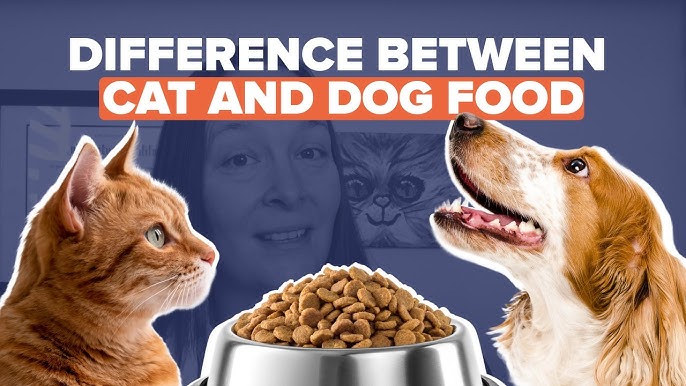
Have you ever found a stray cat wandering nearby and wondered if you could feed it with what you have at home? Maybe you only have dog food on hand and want to help, but you’re not sure if it’s safe.
You care about that little cat’s well-being and want to do the right thing. Before you offer that bowl of dog food, it’s important to know how it might affect the cat’s health. Keep reading to discover what you need to know about feeding stray cats and why choosing the right food matters more than you might think.
Nutritional Differences
Understanding the nutritional differences between dog food and cat food is crucial before deciding to feed a stray cat dog food. Cats and dogs have distinct dietary needs that affect their health and well-being. Feeding a stray cat dog food might seem convenient, but it can lead to nutritional imbalances that harm the cat over time.
Cats Vs Dogs Dietary Needs
Cats are obligate carnivores, which means they must eat meat to survive. Their bodies rely on specific nutrients found only in animal tissues. Dogs, on the other hand, are omnivores. They can digest and get nutrients from a variety of sources, including plants.
This difference means cats need higher amounts of protein and certain amino acids. Dogs require a more balanced mix of protein, carbohydrates, and fats. So, feeding a cat dog food often leaves out vital components cats need daily.
Key Nutrients Missing In Dog Food
Dog food usually lacks some essential nutrients that cats cannot live without. Taurine is one major example. It’s an amino acid critical for heart health and vision in cats but is present in much lower amounts in dog food.
Another missing nutrient is arachidonic acid, a fatty acid cats cannot produce themselves. Vitamins like vitamin A and niacin are also different. Cats need pre-formed vitamin A found in animal tissue, while dogs can convert beta-carotene from plants into vitamin A.
Have you ever noticed how a stray cat’s coat looks dull when fed dog food regularly? This often happens because of nutrient deficiencies. If you care about the stray cat’s health, providing food designed for cats is the better choice.

Credit: www.goodrx.com
Risks Of Feeding Dog Food To Cats
Feeding dog food to a stray cat can cause health problems. Dog food lacks essential nutrients cats need. Long-term feeding may lead to malnutrition and illness.
Feeding stray cats is a kind gesture that many animal lovers practice. However, offering dog food to these felines may not be the best choice. Cats and dogs have distinct dietary needs, and giving a cat dog food could potentially lead to health issues.Potential Health Issues
Cats require more protein than dogs, along with essential nutrients like taurine, arachidonic acid, and vitamin A. Dog food often lacks these critical components. Without them, cats can suffer from malnutrition, which can weaken their immune systems and lead to serious health concerns. Imagine giving a stray cat dog food, thinking it’s a suitable meal. You might unknowingly deprive it of the nutrients it desperately needs. This could result in conditions like heart disease or vision problems due to taurine deficiency.Long-term Effects On Stray Cats
Over time, consistently feeding a cat dog food can have dire consequences. The lack of proper nutrition can stunt growth in young cats and cause weight loss in adults. It might even shorten their lifespan due to chronic health issues. Consider the story of a neighbor who regularly fed a stray cat dog food. Initially, the cat seemed fine, but over months, it became lethargic and thin. This example highlights the importance of providing the right nutrition to our feline friends. Have you ever wondered what the long-term impact of your actions could be? Ensuring stray cats receive the correct diet can make a world of difference in their well-being. For those looking to help, consider investing in affordable cat food or reaching out to local shelters for guidance on feeding stray cats. It’s a small step that can lead to a healthier, happier life for these animals.When Dog Food Might Be Okay
Wondering if feeding dog food to a stray cat is ever okay? While cats and dogs have different dietary needs, there are moments when dog food can serve as a temporary solution. Understanding when and how to use it safely can make a difference for a hungry stray.
Short-term Emergency Feeding
If you find a stray cat that looks weak or hungry and you have nothing else on hand, offering dog food briefly can help. It’s better than leaving the cat to starve, especially if it’s a cold or rainy day. However, dog food shouldn’t become a regular meal because cats require nutrients like taurine that dog food often lacks.
Think about it as a quick energy boost until you can provide proper cat food or take the cat to a shelter. You might want to give small amounts to avoid upsetting the cat’s stomach. Have you ever noticed how a stray cat reacts to different foods? Sometimes even a little kindness with what you have can build trust.
Choosing Safer Dog Food Options
Not all dog foods are equal when it comes to feeding cats. If you must use dog food, pick options that are simpler and less processed. Wet dog food can be easier for cats to eat and digest compared to dry kibble, which might be harder on their teeth and stomach.
Avoid dog foods with garlic, onions, or artificial additives—these ingredients can be harmful to cats. Look for dog foods with meat as the first ingredient and fewer fillers like corn or soy. This careful choice reduces the risk of nutritional gaps and digestive issues.
- Check the ingredient list carefully before offering dog food to a cat.
- Choose grain-free or limited ingredient formulas when possible.
- Offer small portions and observe how the cat reacts.
Have you considered how the cat’s health might change with different foods? Sometimes, a little observation can guide you toward better choices while you find proper cat food.
Credit: www.petmd.com
Better Alternatives For Stray Cats
Feeding a stray cat dog food might seem like a quick fix, but it’s not the best choice for their health. Cats need specific nutrients that dog food doesn’t provide. Offering better alternatives ensures the stray cat stays healthy and happy while you care for them.
Cat-specific Foods
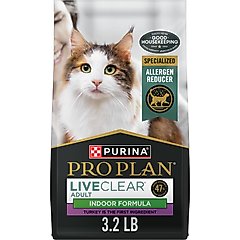
Cat food is specially made to meet the unique dietary needs of cats. It contains the right balance of protein, fat, and essential nutrients like taurine, which is crucial for a cat’s heart and vision. If you want to help a stray cat, choosing cat-specific dry or wet food is a smart move.
Look for brands that list real meat as the first ingredient. Avoid foods with too many fillers like corn or soy. Even if you only have a small amount to offer, it’s better than dog food because it supports the cat’s overall health.
Homemade Feeding Solutions
Sometimes, you might not have access to commercial cat food. In those cases, simple homemade meals can work temporarily. Cooked chicken, turkey, or fish without seasoning can provide the protein strays need.
Remember to avoid onions, garlic, and bones, as they can be toxic or dangerous. Adding a small amount of canned pumpkin or plain cooked rice can help with digestion. You might wonder, how long can homemade meals replace store-bought food? They’re okay short-term, but try to get proper cat food as soon as possible.
Caring For Stray Cats Safely
Caring for stray cats requires caution and kindness. Stray cats face many risks outside. They need safe food, clean water, and shelter. Providing these helps protect their health. It also builds trust between you and the cat. Safety for both you and the cat is important.
Feeding Tips
Dog food is not ideal for cats. Cats need specific nutrients only found in cat food. Feeding dog food occasionally may not harm, but it should not be the main diet.
- Offer wet or dry cat food if possible.
- Provide fresh water at all times.
- Avoid feeding harmful human foods like onions or chocolate.
- Feed in a quiet, safe spot away from busy areas.
Use shallow dishes to make eating easier. Clean dishes daily to avoid germs. Feeding small amounts often helps the cat adjust.
Health And Shelter Considerations
Stray cats may carry diseases or parasites. Use gloves when handling cats to stay safe. Watch for signs of illness like coughing or wounds.
- Contact a local animal shelter for advice or help.
- Provide shelter from cold and rain, like a box with blankets.
- Keep the shelter area clean and dry.
- Do not trap or force the cat; earn trust slowly.
Vaccination and neutering reduce stray cat problems. Many shelters offer low-cost services. Help stray cats live safer, healthier lives.

Credit: www.reddit.com
Frequently Asked Questions
Can I Give Dog Food To A Stray Cat?
Dog food lacks essential nutrients cats need. Feeding dog food occasionally is okay but not ideal for stray cats’ health long-term.
Is Dog Food Harmful To Stray Cats?
Dog food is not toxic but misses vital nutrients like taurine. Regular feeding can cause malnutrition in stray cats.
What Should I Feed A Stray Cat Instead?
Feed stray cats with high-quality cat food or wet cat food. These provide necessary proteins and nutrients for their health.
Can Dog Food Replace Cat Food Temporarily?
Dog food can temporarily replace cat food in emergencies. However, it lacks key nutrients cats require regularly for good health.
Conclusion
Feeding a stray cat dog food is not the best choice. Cats need special nutrients that dog food lacks. Giving them dog food sometimes might be okay, but not for long. Stray cats stay healthier with proper cat food or natural options.
Always try to provide clean water and safe food. Caring for strays helps them live better lives. Small actions can make a big difference for these animals. Think about their needs before feeding. Stray cats deserve kindness and the right nutrition.

Emily Barker is the founder of ChillDogLife.com, a space dedicated to helping pup parents discover the best dog products, lifestyle tips, and cozy ideas for happier homes.
A lifelong dog lover, Emily combines her passion for pets with a knack for research to share trusted recommendations on everything from toys and furniture to health and everyday care.
Her goal is simple: to make life easier, stylish, and more joyful for dogs and the people who love them.




