
Are you wondering if the probiotics you give your cat can also help your dog? It’s a common question for pet owners who want the best for their furry friends.
You might think, “If it’s good for one pet, why not the other? ” But when it comes to probiotics, there’s more to consider than just convenience. Your dog’s health and safety depend on the right choice. Keep reading to discover what you need to know before sharing cat probiotics with your dog—and how to make the best decision for both of your pets.
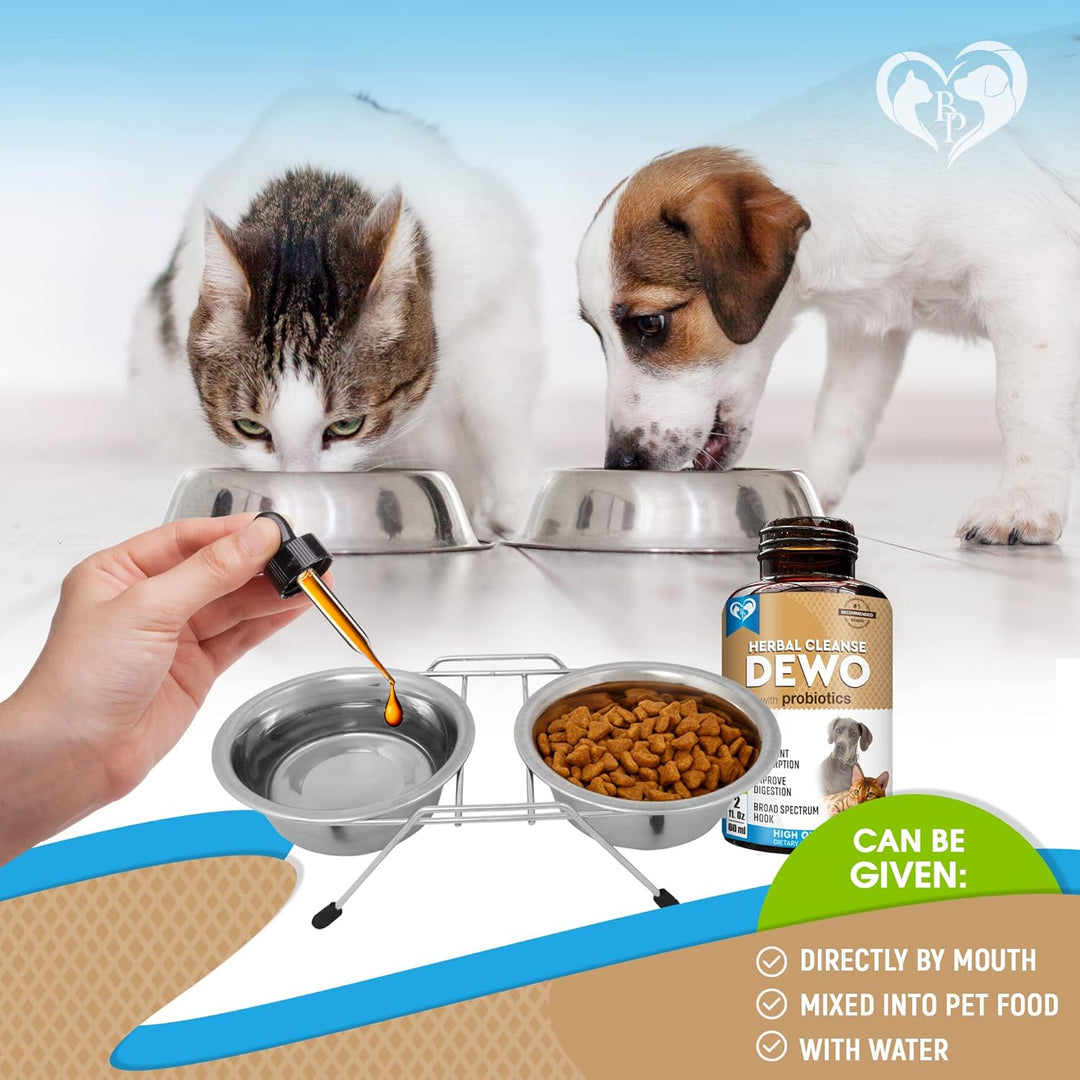
Credit: belovedpets.com
Differences Between Cat And Dog Probiotics
Understanding the differences between cat and dog probiotics is essential before giving your dog a supplement meant for cats. Although they might seem similar, the gut bacteria and nutritional needs of cats and dogs vary significantly. Ignoring these differences can affect your pet’s digestive health and overall well-being.
Unique Gut Flora In Cats And Dogs
Cats and dogs have distinct gut flora that reflect their natural diets. Cats are obligate carnivores, meaning their digestive systems are optimized for meat-based diets and specific bacteria that aid in protein breakdown. Dogs, on the other hand, are more omnivorous and have a more diverse gut microbiome to process a wider range of foods.
Giving your dog probiotics designed for cats might introduce strains of bacteria that are less effective or unnecessary for dogs. Have you noticed changes in your dog’s digestion after switching supplements? That could be a sign their gut flora isn’t responding well.
Formulation Variances In Probiotics
Probiotic formulations for cats often contain different bacterial strains and concentrations compared to those for dogs. Cat probiotics usually focus on species like Lactobacillus acidophilusand Bifidobacterium bifidum, tailored for feline digestion. Dog probiotics might include additional strains such as Enterococcus faeciumthat better support canine gut health.
Plus, the dosage size and delivery method can vary. Cats typically require smaller doses, so giving your dog a cat probiotic may mean they get too little or an imbalanced mix. This could limit the effectiveness or even upset your dog’s stomach.
Common Ingredients And Their Effects
Both cat and dog probiotics may contain prebiotics, enzymes, and vitamins, but the proportions differ. Ingredients like inulin or fructooligosaccharides support beneficial bacteria growth, but dogs might need higher amounts due to their larger size and different digestive processes. Some additives that are safe for cats can cause mild reactions in dogs.
- Prebiotics:Support bacterial growth; dosages vary between species.
- Enzymes:Help break down food; formulations differ based on digestive needs.
- Vitamins and minerals:Added for overall health; balance matters for safety.
Before offering your dog a cat probiotic, consider these differences carefully. What benefits are you hoping to see, and could your dog’s unique gut flora require a tailored approach?
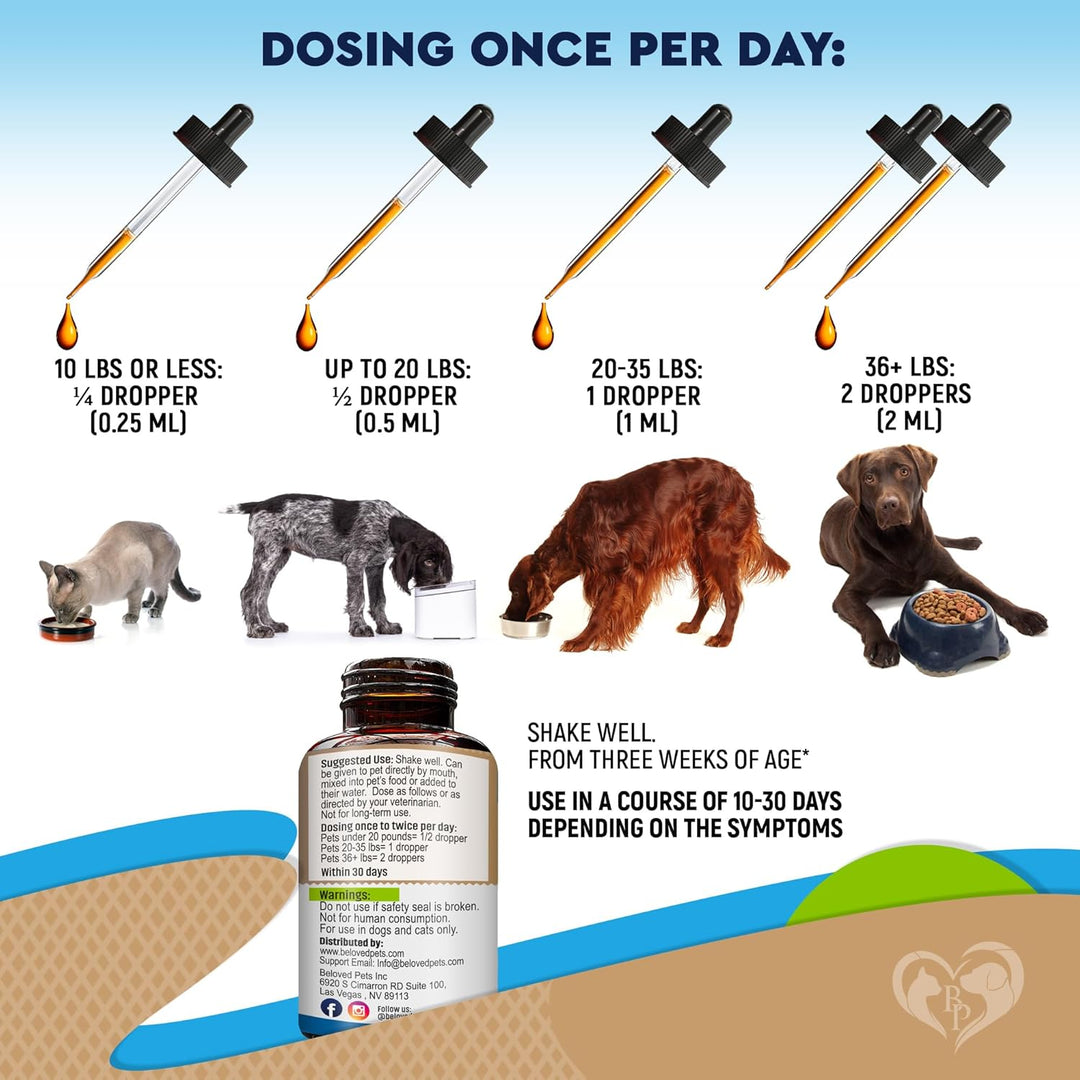
Credit: belovedpets.com
Safety Of Giving Cat Probiotics To Dogs
Considering the safety of giving cat probiotics to your dog is crucial before you decide to share supplements across species. While probiotics are generally beneficial for gut health, differences in formulation and bacterial strains can affect how safe and effective they are for dogs. Understanding these nuances helps you protect your pet from unintended health issues.
Potential Risks And Side Effects
Cat probiotics might contain bacterial strains that are tailored specifically to feline digestive systems. This means some ingredients could be too strong or ineffective for dogs, potentially causing upset stomach, diarrhea, or allergic reactions.
Another risk is the difference in dosage. Cat probiotics are often concentrated for smaller animals, so giving them to a dog without adjusting the amount could lead to an overdose of certain bacteria. This imbalance might disrupt your dog’s natural gut flora instead of supporting it.
Instances When It Might Be Safe
If the probiotic contains general strains like Lactobacillusor Bifidobacterium, which are common and beneficial across many species, it might be safer to share between cats and dogs. However, this depends heavily on your dog’s size, health condition, and the specific product’s ingredients.
Occasionally, pet owners find success giving cat probiotics to dogs in emergency situations when dog-specific options aren’t immediately available. Still, this should be a short-term solution rather than a regular practice.
Veterinary Recommendations
Always talk to your vet before giving your dog any cat probiotic. A professional can help identify if the strains and dosage are appropriate for your dog’s needs.
Your vet may suggest dog-specific probiotics that match your pet’s health profile better. They can also monitor your dog for any side effects and adjust treatment as needed.
Would you risk your dog’s health by guessing which probiotic to use, or would you rather get expert advice to ensure safety and effectiveness?
Benefits Of Probiotics For Dogs
Probiotics offer many benefits for dogs, supporting their overall health. These good bacteria help balance the digestive system and improve nutrient absorption. Probiotics can boost a dog’s immune system and help manage specific health problems. Understanding these benefits helps pet owners make informed decisions about their dog’s diet and supplements.
Improving Digestive Health
Probiotics help maintain a healthy balance of gut bacteria in dogs. They reduce diarrhea and constipation by improving digestion. These supplements aid in breaking down food more efficiently. Probiotics also help soothe an upset stomach and reduce gas. Healthy digestion supports better nutrient absorption and energy levels.
Boosting Immune Function
Probiotics strengthen a dog’s immune system by supporting gut health. A strong gut barrier helps block harmful bacteria and viruses. These good bacteria stimulate the production of immune cells. Dogs with balanced gut flora tend to fight infections better. Probiotics promote overall wellness and reduce the risk of illness.
Managing Specific Health Conditions
Probiotics can assist in managing certain health issues in dogs. They help with allergies by reducing inflammation in the gut. Dogs with sensitive stomachs may find relief from probiotic use. Probiotics support recovery after antibiotic treatments by restoring good bacteria. Some probiotics may improve symptoms of chronic conditions like IBS.
Choosing The Right Probiotic For Your Dog
Choosing the right probiotic for your dog is crucial for their digestive health and overall well-being. Not all probiotics are created equal, and what works for cats might not suit dogs. Understanding the specific needs of your dog will help you pick a product that truly supports their gut health.
Key Ingredients To Look For
Look for probiotics containing strains like Lactobacillus acidophilus, Bifidobacterium animalis, and Enterococcus faecium. These are proven to benefit dogs by balancing their gut flora and enhancing digestion.
Avoid products with unnecessary fillers or artificial additives. Also, check if the probiotic includes prebiotics such as inulin or fructooligosaccharides, which feed the good bacteria.
Dosage And Administration Tips
Always follow the dosage instructions on the label or consult your vet for personalized advice. Probiotics often come in powders, capsules, or chews, so choose a form your dog will accept easily.
You can mix powders into your dog’s food or offer chews as treats. Consistency is key; give the probiotic daily to maintain its benefits.
Signs Of Effectiveness
Watch for improvements in your dog’s stool quality and frequency. Reduced gas, less bloating, and better appetite are positive signs.
If your dog had digestive issues like diarrhea or constipation, notice if these problems lessen. Remember, it may take a few weeks to see clear results, so patience is important.
Alternatives To Cat Probiotics For Dogs
Giving cat probiotics to dogs is not always safe or effective. Dogs and cats have different digestive systems. Their probiotic needs vary. Finding the right alternatives helps support your dog’s gut health. Several options work well and are designed just for dogs. Natural sources also provide beneficial bacteria without risks.
Knowing when to ask a veterinarian ensures your dog gets the best care. This section explores safe and effective alternatives to cat probiotics for your dog’s health.
Dog-specific Probiotic Products
Many probiotic products are made specifically for dogs. These contain strains suited to canine digestion. They come in chewables, powders, and capsules. Ingredients focus on safety and effectiveness for dogs. Choosing dog-specific probiotics reduces the chance of side effects. They also support your dog’s immune and digestive systems well.
Natural Sources Of Probiotics
Natural foods can provide probiotics safely. Yogurt with live cultures is one option. Plain kefir is another source rich in good bacteria. Fermented vegetables like sauerkraut offer probiotics too. Always introduce new foods slowly to watch for reactions. Natural sources can boost gut health without supplements.
When To Consult A Veterinarian
Speak to a vet before starting any probiotic. Your dog’s age, health, and diet affect probiotic needs. A vet can recommend the right product and dose. They can also identify if probiotics are necessary. Avoid giving any product without professional advice. Proper guidance keeps your dog safe and healthy.
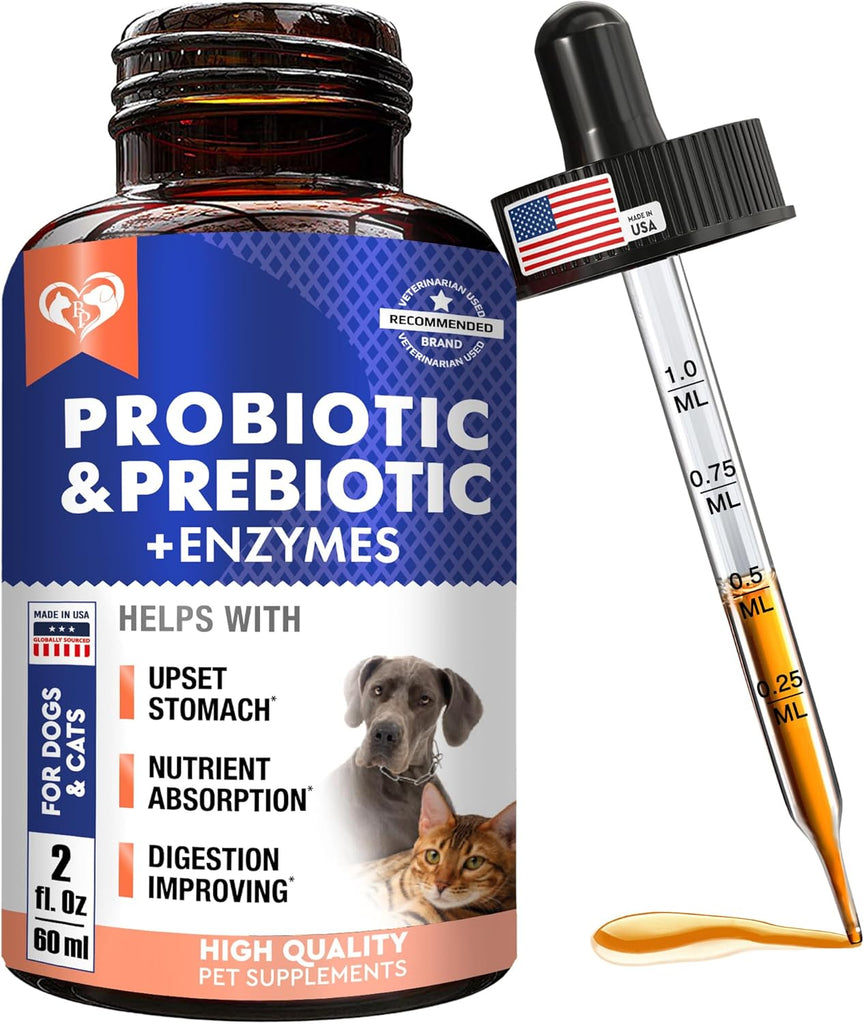
Credit: belovedpets.com
Frequently Asked Questions
Can Dogs Take Cat Probiotics Safely?
Dogs can take cat probiotics, but it’s best to consult a vet first. While both pets benefit from probiotics, formulations differ. A veterinarian can ensure the chosen probiotic is safe and effective for your dog’s specific needs. Always prioritize your pet’s health by seeking professional advice.
Are Cat And Dog Probiotics The Same?
Cat and dog probiotics are not the same. They are formulated differently to cater to each species’ unique gut flora. While they contain similar beneficial bacteria, the concentrations and strains may vary. Always choose probiotics designed specifically for your pet’s species for optimal health benefits.
What Are The Benefits Of Probiotics For Dogs?
Probiotics help improve dogs’ digestion and boost their immune system. They can reduce gastrointestinal issues like diarrhea and constipation. Additionally, probiotics can enhance nutrient absorption and overall gut health. Regular use may also help reduce stress-related digestive problems in dogs, ensuring a healthier and happier pet.
How To Choose The Right Probiotic For My Dog?
Choose probiotics specifically formulated for dogs to ensure safety and efficacy. Look for products with high-quality, well-researched strains. Consult your veterinarian for recommendations tailored to your dog’s health needs. Consider factors like your dog’s age, size, and any existing health conditions when selecting a probiotic.
Conclusion
Giving cat probiotics to dogs is not always safe. Dogs and cats have different needs. Some cat probiotics may upset your dog’s stomach. Always ask your vet before trying new supplements. They can suggest the best probiotic for your dog.
Good probiotics help your dog’s digestion and health. Choose products made for dogs to avoid problems. Keep your pet happy and healthy with proper care. Your dog deserves the right probiotics for their body. Trust expert advice to keep your dog feeling good.

Emily Barker is the founder of ChillDogLife.com, a space dedicated to helping pup parents discover the best dog products, lifestyle tips, and cozy ideas for happier homes.
A lifelong dog lover, Emily combines her passion for pets with a knack for research to share trusted recommendations on everything from toys and furniture to health and everyday care.
Her goal is simple: to make life easier, stylish, and more joyful for dogs and the people who love them.




