Is your dog coughing more than usual or sounding hoarse? Kennel cough can be tough on your furry friend and worrying for you.
You want to help your dog feel better quickly and comfortably. But what exactly can you do at home to ease their symptoms and support their recovery? You’ll discover simple, effective ways to help your dog cope with kennel cough.
Keep reading to learn how to bring relief to your pet and get them back to their happy, playful self.
Credit: www.amazon.com
Symptoms To Watch
Recognizing the symptoms of kennel cough early can make a big difference in how quickly your dog recovers. Keeping a close eye on changes in behavior and physical signs helps you act before the condition worsens. Knowing what to watch for ensures you don’t miss subtle clues that your dog needs help.
Common Signs Of Kennel Cough
- Persistent Cough:A dry, hacking cough that sounds like your dog is trying to clear their throat.
- Runny Nose:Clear or slightly thick discharge from the nose, sometimes with sneezing.
- Watery Eyes:Mild eye discharge that can make your dog look a bit tired or uncomfortable.
- Lethargy:Your dog may seem less energetic or reluctant to play.
- Loss of Appetite:A noticeable decrease in eating or drinking habits.
One time, my dog’s cough was so subtle that I almost missed it. But paying attention to the sound and frequency helped me catch kennel cough early and get veterinary advice right away.
When To See The Vet
Some symptoms mean your dog needs professional care immediately. If the cough lasts more than two weeks, becomes harsher, or your dog starts breathing rapidly, it’s time to call your vet.
Watch for signs like fever, nasal discharge turning green or yellow, or if your dog is refusing water. These can signal a secondary infection or complications that require treatment.
Have you noticed any unusual behavior that worries you? Trust your instincts and don’t hesitate to reach out to your vet for guidance. Early intervention can prevent kennel cough from becoming serious.

Credit: www.amazon.com
Home Care Strategies
When your dog has kennel cough, home care is crucial. Simple strategies can provide comfort and aid recovery. Here, we explore effective home care methods to help your furry friend feel better.
Creating A Comfortable Environment
A peaceful space helps your dog rest and heal. Reduce noise and limit playtime to prevent strain. Soft bedding supports their comfort. Ensure their sleeping area is cozy and warm. Avoid drafts and cold spots. Keeping their environment calm promotes quicker recovery.
Hydration And Nutrition Tips
Hydration is vital for a coughing dog. Always provide fresh water. Encourage them to drink often. Broths can be appetizing and hydrating. Nutrient-rich foods support their immune system. Soft foods are easier on their throat. Offer small meals throughout the day. This helps maintain energy and healing.
Using Humidifiers And Steam Therapy
Humidifiers add moisture to the air, easing breathing. Place one in your dog’s resting area. Steam therapy can also help. Bring your dog into the bathroom during a warm shower. The steam will soothe their airways. Both methods can reduce coughing and discomfort.
Medications And Treatments
Medications and treatments play a key role in helping your dog recover from kennel cough. The right care can ease symptoms and speed up healing. Some options are easy to find at home, while others need a vet’s prescription. Choosing the best treatment depends on your dog’s health and the severity of the cough.
Over-the-counter Remedies
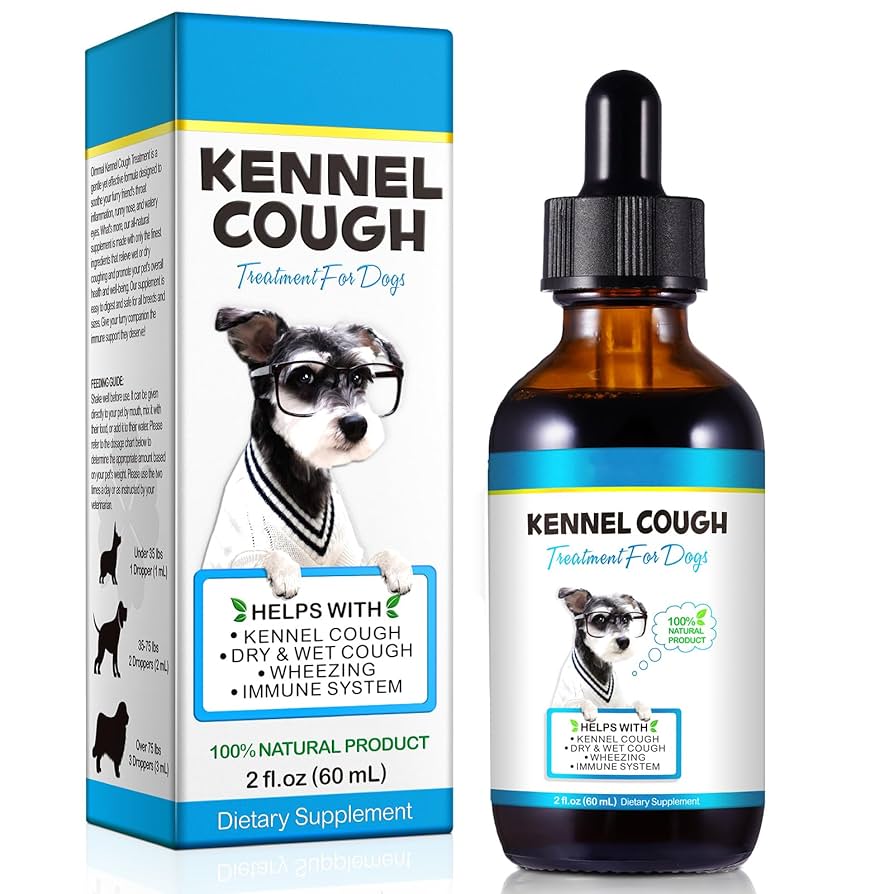
Over-the-counter remedies can help soothe your dog’s throat and reduce coughing. Cough suppressants and throat soothers are common choices. These products calm irritation and make your dog more comfortable. Always follow package instructions and avoid giving human medicines without vet advice.
Prescription Options
Prescription treatments may be necessary for serious cases. Your vet can prescribe antibiotics if a bacterial infection is present. Sometimes, cough suppressants or anti-inflammatory drugs help reduce symptoms. Follow the vet’s directions closely for dosage and duration. Never stop medication early, even if symptoms improve.
Natural Supplements
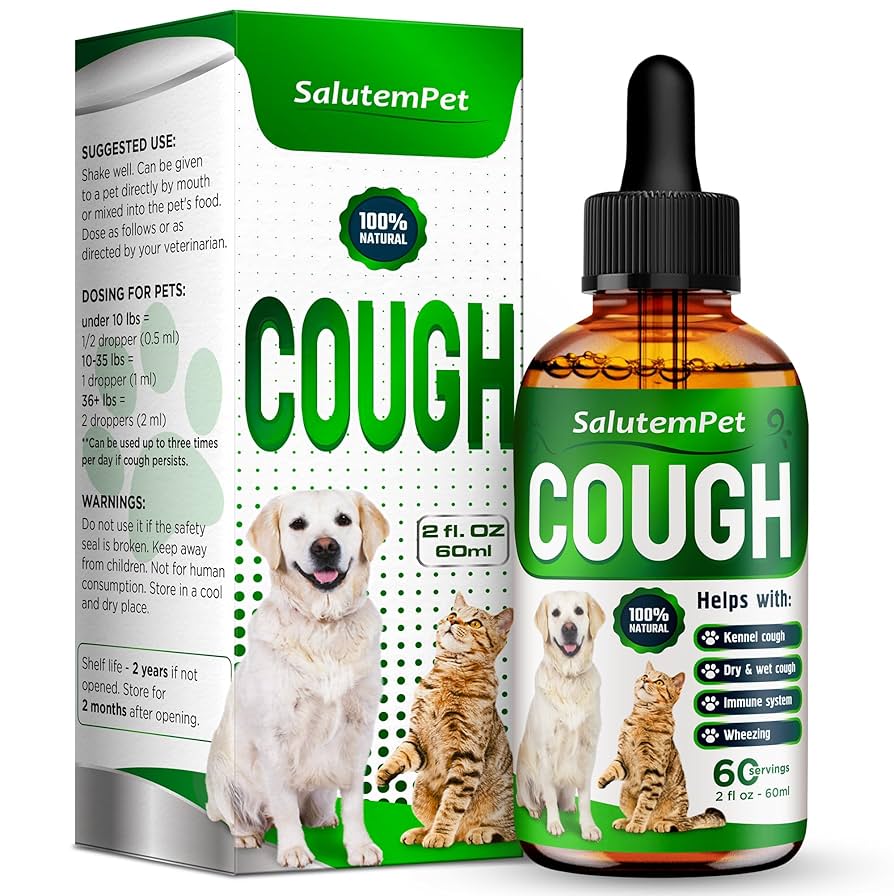
Natural supplements support your dog’s immune system and lung health. Products with honey, slippery elm, or marshmallow root may ease throat irritation. Omega-3 fatty acids and vitamins can boost overall wellness. Discuss supplements with your vet before use to ensure safety and proper dosing.

Credit: www.amazon.com
Preventing Kennel Cough
Preventing kennel cough is the best way to keep your dog healthy and avoid the stress of dealing with this contagious respiratory illness. Taking proactive steps can reduce your dog’s risk and help you feel confident about their safety. Let’s look at practical actions you can take to stop kennel cough before it starts.
Vaccination Importance
Vaccines are a powerful tool in protecting your dog from kennel cough. They don’t guarantee complete immunity, but they significantly lower the chances of severe symptoms. Ask your vet about the Bordetella vaccine—it targets the main bacteria causing kennel cough.
Some dogs need booster shots more often, especially if they spend time in places like dog parks or boarding kennels. I once skipped a booster for my dog, and he caught kennel cough during a weekend stay. That experience showed me how vital keeping vaccinations up to date really is.
Avoiding Exposure Risks
Keeping your dog away from crowded places with many dogs can reduce exposure to kennel cough germs. Avoid doggy daycare or grooming salons during outbreaks or if you notice coughing dogs around. Even a quick sniff from an infected dog can spread the illness.
Consider scheduling walks during quieter times and choose less busy routes. You might wonder if limiting social time affects your dog’s happiness, but balancing socialization with health safety is key. Your dog will appreciate fewer vet visits and faster recoveries.
Proper Hygiene Practices
Good hygiene helps stop kennel cough germs from spreading. Clean your dog’s bedding, toys, and water bowls regularly with pet-safe disinfectants. After visiting public areas, wipe your dog’s paws and face to remove any germs they might have picked up.
Also, wash your hands before and after handling your dog, especially if they’re around other dogs. These small habits create a safer environment for your dog and reduce the chance of infection. Have you ever thought about how often these simple steps could protect your furry friend?
When To Seek Emergency Care
Knowing when to seek emergency care for your dog with kennel cough is crucial. While many cases are mild and improve with rest and home care, some symptoms require immediate veterinary attention. Understanding these signs can help you act quickly and protect your dog’s health.
Severe Symptoms To Monitor
Watch closely if your dog starts having difficulty breathing or if the cough becomes constant and harsh. Excessive coughing that leads to vomiting or choking spells is a red flag. Also, if your dog shows signs of lethargy, high fever, or refuses to eat and drink, these symptoms demand urgent care.
I once noticed my dog struggling to breathe after days of coughing. I took her to the vet immediately, and early intervention prevented serious complications. Could waiting a bit longer have made things worse? Absolutely.
Complications To Avoid
Kennel cough can sometimes lead to pneumonia or other lung infections if untreated. These complications can make your dog very sick and require intensive treatment. Avoiding delays in care can stop the infection from spreading and worsening.
- Keep an eye out for persistent high fever
- Note any bluish gums or tongue, which indicate low oxygen
- Be alert if your dog becomes extremely weak or collapses
Promptly seeking emergency care when these complications arise can save your dog’s life. Don’t hesitate to call your vet if you’re unsure—your quick action can make all the difference.
Frequently Asked Questions
What Are Common Symptoms Of Kennel Cough In Dogs?
Kennel cough symptoms include a dry, hacking cough, sneezing, and mild fever. Dogs may also have nasal discharge and lethargy. Early detection helps prevent worsening and spread to other pets.
How Can I Relieve My Dog’s Kennel Cough At Home?
Provide rest, fresh water, and a humid environment. Use a cough suppressant only if recommended by your vet. Avoid exposing your dog to smoke or strong odors that worsen coughing.
When Should I Take My Dog To The Vet For Kennel Cough?
Visit the vet if coughing lasts more than two weeks or worsens. Also seek help if your dog has difficulty breathing, high fever, or is very weak.
Can Kennel Cough Be Prevented In Dogs?
Yes, vaccinating your dog and avoiding contact with infected animals helps prevent kennel cough. Maintain good hygiene and avoid crowded places during outbreaks.
Conclusion
Helping your dog with kennel cough takes care and patience. Keep your pet warm and comfortable. Offer plenty of fresh water and rest. Watch for any changes in symptoms. Visit the vet if coughing gets worse. Avoid crowded places to stop spreading germs.
Clean your dog’s bedding often. With gentle care, your dog will heal soon. Small steps make a big difference in recovery. Stay calm and supportive throughout the process. Your dog needs your love and attention now.

Emily Barker is the founder of ChillDogLife.com, a space dedicated to helping pup parents discover the best dog products, lifestyle tips, and cozy ideas for happier homes.
A lifelong dog lover, Emily combines her passion for pets with a knack for research to share trusted recommendations on everything from toys and furniture to health and everyday care.
Her goal is simple: to make life easier, stylish, and more joyful for dogs and the people who love them.




