
Is your dog coughing more than usual? You might be wondering, “How can I tell if my dog has kennel cough?” This common illness can be tricky to spot at first, but knowing the signs early can make all the difference for your furry friend’s health.
You’ll learn exactly what to watch for and what steps to take if your dog shows symptoms. Keep reading—your dog’s comfort and recovery could depend on it.

Credit: bestforpet.co.nz
Symptoms Of Kennel Cough
Recognizing kennel cough in your dog is crucial. This infection affects a dog’s respiratory system. It’s important to identify the symptoms early. Let’s explore the common signs of kennel cough.
Persistent Dry Cough
A dry, hacking cough is the primary symptom. It often sounds like a honking noise. Dogs may cough more at night or after exercise. If your dog has a persistent cough, observe it closely.
Sneezing And Nasal Discharge
Frequent sneezing is another sign. Dogs might also have a runny nose. The nasal discharge can be clear or cloudy. Keep an eye on any changes in your dog’s nasal health.
Lethargy And Reduced Appetite
Your dog might seem more tired than usual. It may also show less interest in food. These changes can indicate kennel cough. Monitor your dog’s energy levels and eating habits closely.
Gagging And Difficulty Breathing
Dogs with kennel cough may gag or retch. This often happens after coughing fits. Some dogs might also have trouble breathing. If your dog struggles to breathe, seek veterinary care.
Common Causes
Kennel cough spreads easily among dogs. Understanding the common causes helps protect your pet. This illness often appears in places where dogs gather. Your dog’s health and environment affect the risk too.
Exposure To Infected Dogs
Kennel cough spreads through direct contact with sick dogs. Coughing, sneezing, or nose discharge from one dog can infect others. Even brief encounters with infected dogs can spread the disease. Dogs that share toys, water bowls, or bedding face higher risks.
Crowded Environments
Places with many dogs increase the chance of kennel cough. Dog parks, grooming salons, and boarding facilities are common spots. Close quarters make it easy for germs to move from dog to dog. Ventilation and cleanliness in these places affect infection rates.
Weakened Immune System
Dogs with weak immune systems get sick more easily. Puppies, older dogs, and those with illnesses are vulnerable. Stress and poor nutrition can lower immunity. A weak immune system struggles to fight kennel cough bacteria and viruses.
Diagnosing Kennel Cough
Diagnosing kennel cough requires careful observation and professional evaluation. The symptoms can resemble other illnesses, so accurate diagnosis is crucial. A vet uses different tools and tests to confirm the condition. Early diagnosis helps start treatment quickly and prevents spreading.
Veterinary Examination
The vet begins with a physical checkup. They listen to the dog’s breathing and cough. The vet checks the throat, nose, and eyes for signs of infection. They may ask about the dog’s recent activities and exposure to other dogs. This helps the vet understand the risk of kennel cough.
Laboratory Tests
Lab tests can confirm kennel cough. A throat or nasal swab collects samples for analysis. These samples detect bacteria or viruses causing the cough. Blood tests may check the dog’s immune response. X-rays might be used to see lung health and rule out pneumonia.
Differentiating From Other Illnesses
Kennel cough symptoms can mimic other diseases. Conditions like canine flu or allergies also cause coughing. The vet compares symptoms and test results carefully. This avoids wrong treatment. Accurate diagnosis ensures the dog gets the right care fast.
Treatment Options
Treatment for kennel cough focuses on easing symptoms and preventing spread. Most dogs recover with simple care at home. Some cases need medication to fight infection or reduce coughing. Watch your dog closely and provide a calm, clean environment.
Home Care Tips
- Keep your dog indoors in a quiet space.
- Avoid exposure to smoke, dust, or strong smells.
- Provide fresh water to keep your dog hydrated.
- Use a humidifier or sit with your dog in a steamy bathroom.
- Limit exercise to reduce coughing and fatigue.
- Clean bedding and toys to prevent reinfection.
Medications And Antibiotics
Some dogs need medicines to recover faster. Antibiotics help if a bacterial infection is present. Your vet may prescribe cough suppressants to ease discomfort. Never give human medicine without vet approval. Follow dosage instructions carefully to avoid side effects.
When To Seek Emergency Care
- Persistent cough lasting more than three weeks.
- Difficulty breathing or rapid breathing.
- Blue or pale gums indicating low oxygen.
- High fever or lethargy.
- Refusal to eat or drink.
- Severe coughing fits causing vomiting or choking.
Contact your vet immediately if these signs appear. Prompt care can save your dog’s life.
Preventing Kennel Cough
Preventing kennel cough is essential to keep your dog healthy and happy. This contagious respiratory infection spreads quickly in places where dogs gather. Taking proactive steps can protect your furry friend and give you peace of mind.
Vaccination Importance
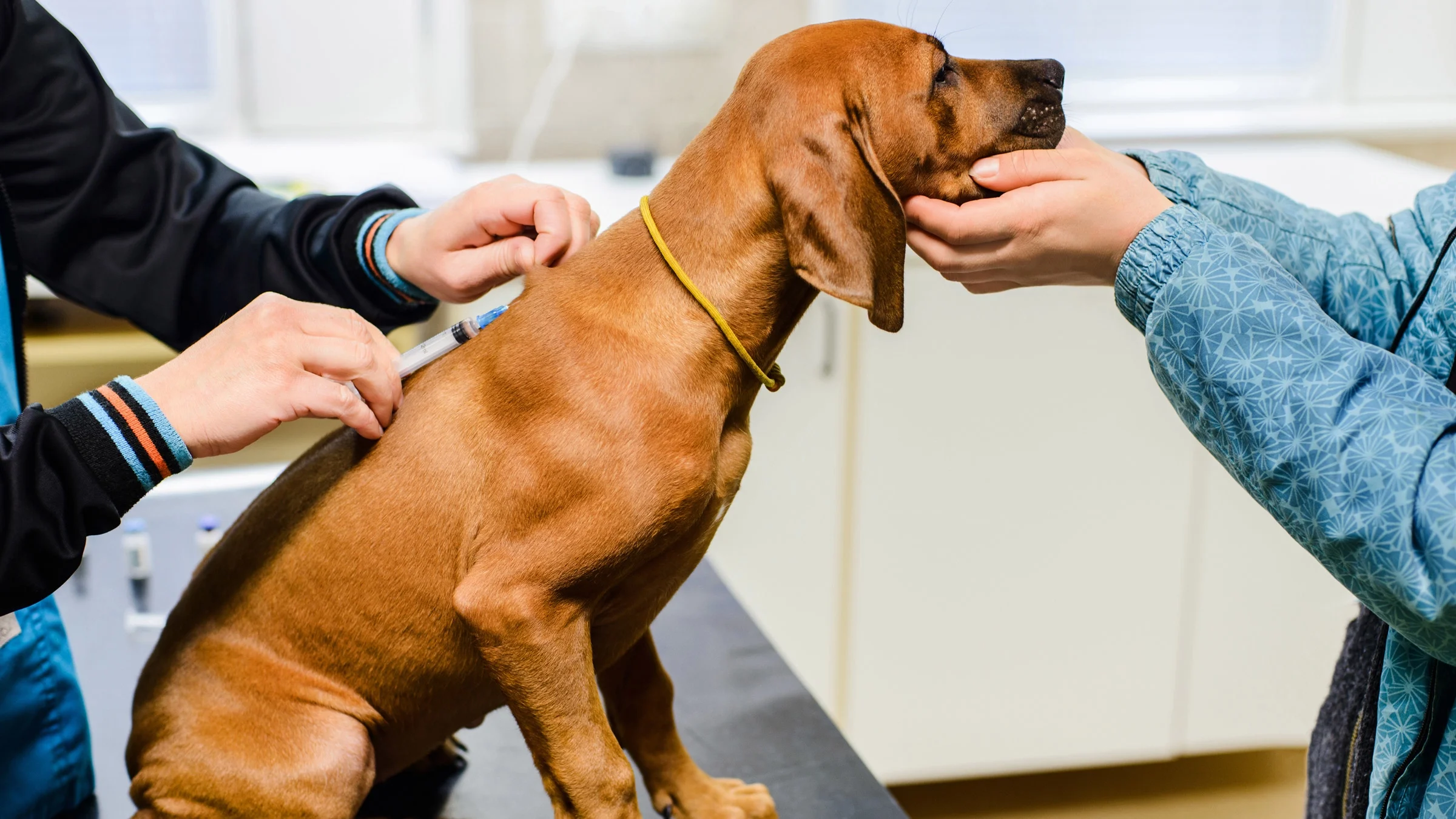
Vaccination is your dog’s first line of defense against kennel cough. Vaccines help reduce the severity of the illness and lower the chance your dog will catch it. Ask your vet about the best vaccination schedule for your dog’s lifestyle.
Remember, even vaccinated dogs can get mild symptoms, but vaccines significantly cut down on serious complications. Have you checked your dog’s vaccination status recently?
Hygiene And Cleanliness
Good hygiene practices reduce the spread of germs causing kennel cough. Clean your dog’s bedding, bowls, and toys regularly with pet-safe disinfectants. Wiping down your dog’s coat after walks can also remove potential viruses from their fur.
Keep your dog’s environment tidy and avoid sharing items with other dogs. Simple daily cleaning habits can make a big difference in preventing infections.
Avoiding High-risk Areas
Places like dog parks, boarding kennels, and grooming salons can be hotspots for kennel cough. Limit your dog’s exposure to these areas, especially during outbreaks or if your dog hasn’t been vaccinated recently.
Instead, choose quiet walking spots where fewer dogs gather. Have you noticed how your dog reacts after visiting busy places? Watching for early signs can help you avoid a bigger problem.
Credit: www.goodrx.com
Caring For A Dog With Kennel Cough
Caring for a dog with kennel cough requires attention and patience. This contagious respiratory infection can make your dog uncomfortable and restless. Your care can help speed up recovery and prevent spreading the illness to other pets.
Rest And Isolation
Rest is crucial for your dog’s healing. Limit their physical activity and avoid walks in crowded places. Creating a quiet, comfortable space where your dog can relax helps reduce stress and supports recovery.
Isolation is important to stop kennel cough from spreading. Keep your dog away from other dogs for at least two weeks after symptoms start. Have you thought about how your other pets might be affected if you don’t isolate your sick dog?
Hydration And Nutrition
Keeping your dog hydrated helps thin mucus and soothes their throat. Offer fresh water often, and consider adding low-sodium broth to encourage drinking. If your dog resists water, ice cubes or wet food can be a good alternative.
Good nutrition supports the immune system. Feed your dog easily digestible meals, and avoid sudden changes in diet. You might notice your dog eating less; offering smaller, more frequent meals can help maintain their strength.
Monitoring Recovery Progress
Track your dog’s symptoms daily. Note any changes in coughing, energy levels, or appetite. If symptoms worsen or last more than three weeks, consult your veterinarian immediately.
Have you tried keeping a recovery journal? It can help you spot patterns or triggers that affect your dog’s health. Regular check-ins with your vet ensure your dog is on the right path to recovery.
Credit: zigly.com
Frequently Asked Questions
What Are The Common Symptoms Of Kennel Cough In Dogs?
Kennel cough symptoms include a persistent dry cough, gagging, sneezing, and nasal discharge. Dogs may also show mild fever and lethargy. These signs usually appear within a week after exposure to infected dogs.
How Can I Differentiate Kennel Cough From Other Dog Illnesses?
Kennel cough typically causes a honking cough without severe illness. Other diseases may cause wheezing, high fever, or loss of appetite. A vet’s diagnosis is crucial for accurate identification and treatment.
Is Kennel Cough Contagious To Other Dogs?
Yes, kennel cough spreads easily through airborne droplets and direct contact. Infected dogs can transmit the infection for up to two weeks. Avoid close contact with healthy dogs during this period.
When Should I Take My Dog To The Vet For Kennel Cough?
If your dog has a persistent cough lasting more than a week or shows difficulty breathing, visit the vet immediately. Early treatment prevents complications and speeds recovery.
Conclusion
Recognizing kennel cough early helps your dog get better fast. Watch for coughing, sneezing, or a runny nose. Keep your dog away from other pets if sick. Visit a vet to confirm and get treatment. Rest and care help your dog heal quickly.
Knowing the signs protects your furry friend’s health. Stay alert and act quickly to keep them happy.

Emily Barker is the founder of ChillDogLife.com, a space dedicated to helping pup parents discover the best dog products, lifestyle tips, and cozy ideas for happier homes.
A lifelong dog lover, Emily combines her passion for pets with a knack for research to share trusted recommendations on everything from toys and furniture to health and everyday care.
Her goal is simple: to make life easier, stylish, and more joyful for dogs and the people who love them.




