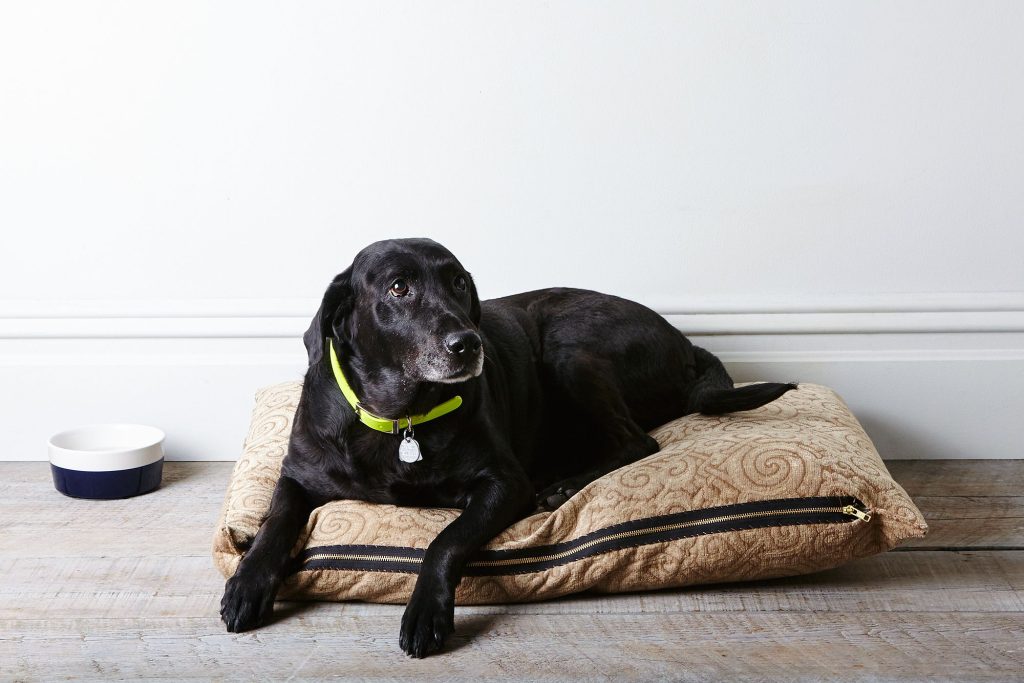
Looking to give your furry friend a cozy spot to relax? Making a dog bed yourself is easier than you think, and it’s a great way to show your pet some extra love.
You can create a comfy, personalized space that fits your dog’s style and needs perfectly. Keep reading, and you’ll discover simple steps and tips that make the process fun and rewarding. Your dog deserves a bed just as special as they are—let’s get started!

Credit: www.loandbeholdstitchery.com
Choosing The Right Materials
Choosing the right materials is key to making a comfortable dog bed. The bed needs to be soft, durable, and easy to clean. The materials must suit your dog’s size, sleeping style, and any allergies. Good choices help keep your dog cozy and happy.
Selecting Fabric Types
Pick fabrics that feel soft and last long. Cotton and fleece work well for comfort. Denim and canvas are tough and resist wear. Waterproof fabrics protect from accidents. Breathable materials stop overheating. Avoid itchy or rough fabrics that can irritate skin.
Picking Suitable Filling
Choose filling that supports your dog’s weight. Memory foam molds to the body and eases pressure points. Polyester fiberfill is light, fluffy, and affordable. Old pillows or cushions can be reused. Avoid fillings that clump or lose shape quickly. The filling should be washable or easy to replace.
Tools And Supplies Needed
- Scissors for cutting fabric and filling
- Measuring tape to get the right size
- Needle and thread or sewing machine
- Pins to hold fabric pieces together
- Fabric marker or chalk for marking cuts
- Zipper or Velcro for removable covers
Measuring Your Dog
Measure your dog’s length from nose to tail and width across the shoulders. Add extra space for comfort. Accurate measurements help create a cozy, well-fitting bed.
Creating a comfy dog bed starts with getting the measurements right. Your dog deserves a bed that fits them perfectly, just like how you love your cozy spot on the couch. Before you dive into crafting the perfect bed, spend a little time observing and measuring your furry friend. This will ensure that the bed you make is not only functional but also a favorite resting place for your dog.Finding The Perfect Size
Start by measuring your dog’s length from nose to the base of the tail. This gives you a good baseline for the bed’s length. Next, measure from the top of your dog’s head to the floor while they are standing. This helps determine the height of the bed, especially if you plan to add bolsters or edges. Don’t forget to add a few extra inches to each measurement. This ensures your dog has enough space to stretch and move comfortably. If your dog is still growing, consider adding a little more room to accommodate their future size.Accounting For Your Dog’s Sleeping Style
Observe how your dog likes to sleep. Do they curl up in a ball or stretch out like a starfish? This can significantly influence the shape and size of the bed. For dogs that curl up, a round or square bed might be ideal. Make sure there’s enough padding and support on the sides. If your dog prefers sprawling out, a rectangular bed with plenty of room is a better choice. You might want to consider additional support at the ends for their head and legs. Think about your dog’s habits. Do they like to burrow under blankets or pillows? If so, consider adding a removable cover or a soft, cozy top layer to the bed. Remember, the goal is to create a space where your dog feels secure and comfortable. After all, wouldn’t you want the same for your own sleeping arrangements?Simple Bed Designs
Creating a cozy spot for your dog doesn’t need to be complicated or expensive. Simple bed designs can provide comfort and style with minimal effort. These easy-to-make beds let you customize size, fabric, and support to fit your dog’s unique needs.
No-sew Cushion Bed
If you don’t have sewing skills, a no-sew cushion bed is a perfect choice. Grab a thick cushion or foam piece and cover it with a durable fabric like canvas or denim. Use fabric glue or safety pins to secure the edges instead of stitching.
This design is quick to make and easy to wash. You can even swap out covers to match your home decor or the seasons. Have you considered how much your dog’s bed can reflect their personality with just a fabric choice?
Basic Sewn Pillow Bed
A basic sewn pillow bed requires just a few stitches but offers a neat, polished look. Choose a soft, washable fabric and cut two identical pieces to the desired bed size. Sew around the edges, leaving a small gap to stuff with pillow filling or foam, then close the gap.
This bed is soft and lightweight, making it easy to move around. Plus, it’s a good starter project if you want to learn simple sewing skills. How might making this bed yourself change your connection with your dog?
Bolster Bed For Extra Support
If your dog loves resting their head on something, a bolster bed adds extra support and comfort. Create a rectangular base cushion and sew cylindrical cushions for the sides. Attach the bolsters securely to the base so your dog can lean or curl up against them.
This design is especially helpful for older dogs or those with joint issues. Using memory foam or orthopedic padding can enhance the bed’s benefits. What small comfort could make a big difference in your dog’s daily rest?

Credit: food52.com
Step-by-step Assembly
Making a dog bed involves a few simple steps. Each part of the assembly shapes a cozy space for your pet. Follow these steps carefully to ensure comfort and durability. Use soft, washable fabric for easy cleaning. Choose stuffing that holds shape well and feels soft to your dog.
Cutting The Fabric
Start by measuring your dog’s size. Add extra inches for seams and comfort. Use scissors or a rotary cutter to cut two identical fabric pieces. Square or round shapes work well. Mark where the edges will be sewn to keep pieces aligned. Keep fabric edges neat to avoid fraying.
Stuffing The Bed
Turn one fabric piece inside out. Fill it with soft stuffing like polyester fiberfill or old pillows. Spread stuffing evenly to avoid lumps. Add more stuffing for extra comfort or less for a flatter bed. Check the bed’s thickness to match your dog’s preference.
Closing And Finishing Touches
Place the second fabric piece on top, right sides together. Sew around the edges, leaving a small gap to turn the bed right side out. Turn the bed carefully through the gap. Stitch the gap closed with a hidden seam. Add a washable cover or non-slip bottom if desired.
Adding Personal Touches
Adding personal touches makes your dog bed special and unique. It shows care and attention to your pet’s comfort. Personalizing the bed can also match your home’s style. Small details create a cozy and inviting spot for your dog.
Customizing Colors And Patterns
Choose colors that fit your home decor or your dog’s personality. Bright colors can add fun and cheerfulness. Soft tones create a calm and peaceful feel. Patterns like stripes, paw prints, or bones make the bed playful. Use fabric paint or sew on patches to add designs. This way, the bed stands out and looks inviting.
Adding Removable Covers
Removable covers make cleaning easy and quick. Use zippers or buttons to attach the cover. Choose fabrics that feel soft and are easy to wash. Covers can be changed to match seasons or moods. This feature keeps the bed fresh and hygienic for your dog.
Including Washable Features
Washable features keep the bed clean and healthy. Use materials that hold up well after washing. Consider waterproof liners to protect the stuffing. Make sure all parts dry quickly to avoid odors. Washable beds last longer and keep your dog comfortable.
Credit: www.ozito.co.nz
Maintenance Tips
Keeping your dog bed in good shape helps your pet stay comfortable. Regular care extends the life of the bed. It also keeps the sleeping area clean and fresh. Follow these simple tips to maintain your dog bed easily.
Cleaning Your Dog Bed
Remove loose hair and dirt often. Use a vacuum or brush to clean the surface. Wash the cover regularly, following the care label instructions. Choose gentle, pet-safe detergents to avoid skin irritation. Air dry the cover completely before putting it back. Spot clean stains quickly with mild soap and water. This keeps the bed smelling fresh and inviting.
Repairing Wear And Tear
Check the bed for holes or loose seams. Small tears can be sewn up with a needle and thread. Use strong stitches to prevent further damage. Replace stuffing if it becomes flat or lumpy. Keep the bed in a dry place to avoid mold. Fixing problems early saves money and effort later.
Frequently Asked Questions
How Do I Choose Materials For A Diy Dog Bed?
Select soft, durable fabrics like fleece or cotton. Use cushioning materials such as foam or old pillows. Ensure materials are washable and pet-safe for easy cleaning and comfort.
What Size Dog Bed Should I Make?
Measure your dog’s length and width while lying down. Add a few inches for extra comfort. The bed should be spacious enough for your dog to stretch and turn easily.
How Can I Make A Washable Dog Bed?
Use removable, machine-washable covers with zippers. Choose fabrics that withstand frequent washing. Keep the inner cushion separate to maintain freshness and hygiene.
What Are Budget-friendly Dog Bed Materials?
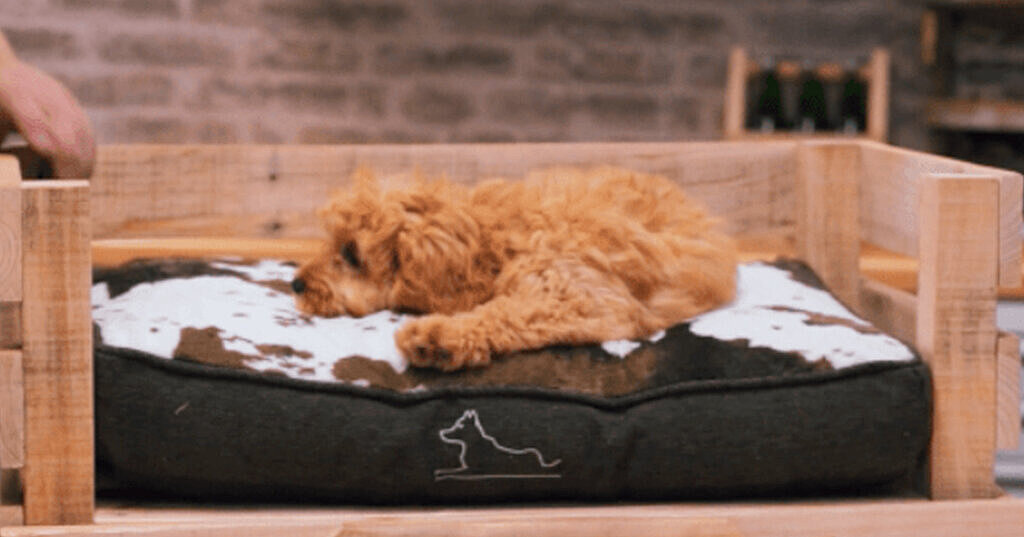
Repurpose old blankets, towels, or pillows. Use inexpensive foam or stuffing from craft stores. Upcycle sturdy boxes or crates for the bed frame to save costs.
Conclusion
Making a dog bed at home is simple and fun. You only need a few materials and some patience. Your dog will love having a cozy spot to rest. Personalizing the bed shows your care and love for your pet.
Plus, it saves money compared to store-bought beds. Try different fabrics and sizes to find what suits your dog best. Enjoy the process and watch your furry friend relax happily. A homemade dog bed makes both you and your pet happy.

Emily Barker is the founder of ChillDogLife.com, a space dedicated to helping pup parents discover the best dog products, lifestyle tips, and cozy ideas for happier homes.
A lifelong dog lover, Emily combines her passion for pets with a knack for research to share trusted recommendations on everything from toys and furniture to health and everyday care.
Her goal is simple: to make life easier, stylish, and more joyful for dogs and the people who love them.




