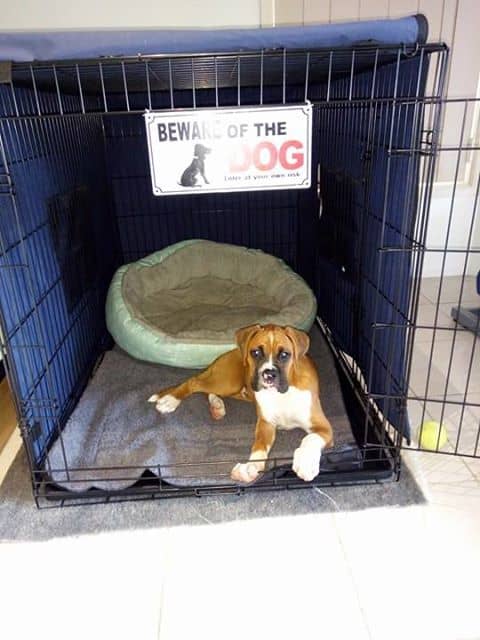
Choosing the right kennel size for your dog is more important than you might think. If the kennel is too small, your dog won’t be comfortable.
If it’s too big, it might not feel safe or cozy. You want a space where your furry friend can relax, feel secure, and have enough room to move around. But how do you know what size is best? Keep reading, because getting this right can make a huge difference in your dog’s happiness and your peace of mind.
Let’s find the perfect fit for your loyal companion.
Choosing The Right Kennel Size
Choosing the right kennel size for your dog is important for their comfort and safety. A kennel that is too small can cause stress. One that is too large may not feel like a cozy space for your dog. It is important to find a size that fits your dog well.
Measuring Your Dog
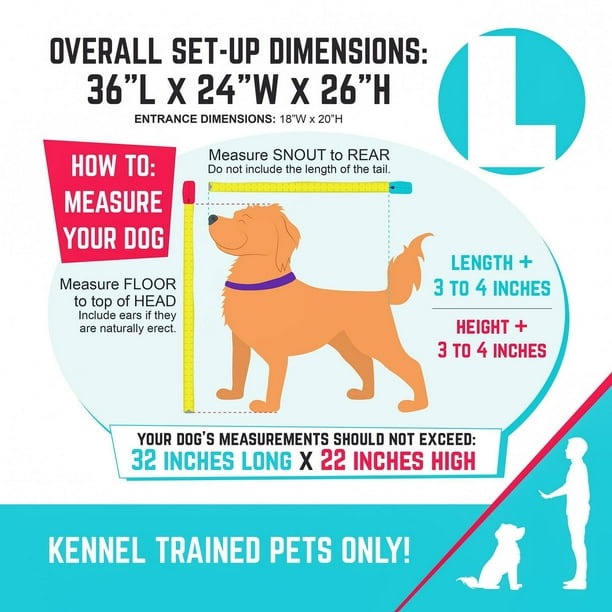
Start by measuring your dog’s height and length. Measure from the top of the head to the floor for height. Then measure from the tip of the nose to the base of the tail for length. These numbers help pick a kennel that fits your dog comfortably.
Considering Breed And Weight
Breed affects kennel size needs. Large breeds like Labradors or German Shepherds need bigger kennels. Small breeds like Chihuahuas need smaller ones. Weight also matters. Heavier dogs need sturdier and larger kennels to support them well.
Room For Movement
Your dog should move inside the kennel easily. They must be able to stand up, turn around, and lie down. Add a few extra inches to your dog’s measurements for space. This helps your dog feel relaxed and safe inside the kennel.
Credit: www.walmart.ca
Kennel Types And Their Sizes
Choosing the right kennel size for your dog involves more than just considering the dimensions. Different kennel types offer varying levels of comfort, portability, and durability. Understanding the specific features and sizes of each type can help you make an informed decision that suits both you and your dog’s needs.
Soft-sided Kennels
Soft-sided kennels are lightweight and portable, making them ideal for travel. They typically come in sizes ranging from small to large, accommodating dogs up to 70 pounds. However, these kennels may not be the best fit for a destructive dog or one that likes to chew.
Imagine you’re on a road trip and need a quick setup for your dog—soft-sided kennels can easily be folded and carried. Always check the weight limits and dimensions before purchasing to ensure it suits your dog’s size and temperament.
Wire Kennels
Wire kennels are sturdy and offer great ventilation, making them perfect for home use. They are available in a variety of sizes, from extra-small for puppies to extra-large for giant breeds. These kennels usually have dividers, allowing you to adjust the space as your puppy grows.
Wire kennels can be a great training tool, helping your dog feel secure while also being able to see its surroundings. Have you ever thought about how much your dog values the ability to observe its environment? Wire kennels are perfect for that.
Plastic Kennels
Plastic kennels are often used for air travel and provide a cozy, enclosed space for your dog. They come in sizes suitable for small breeds to large dogs, often with a maximum weight of about 90 pounds. These kennels usually have a handle on top for easy transportation.
If your dog gets anxious in open spaces, a plastic kennel might be the ideal choice as it offers a more den-like experience. Do you need a kennel for both home and travel? A plastic kennel could serve dual purposes effectively.
Kennel Size Recommendations By Dog Size
Choosing the right kennel size for your dog is essential for their comfort and safety. A kennel that’s too small can make your dog feel cramped, while one that’s too large may not provide the cozy security they need. Understanding the ideal kennel size based on your dog’s breed and size helps create a space where they feel relaxed and secure.
Small Breeds
Small breeds like Chihuahuas, Pomeranians, and Yorkshire Terriers need kennels that offer enough room to lie down and turn around easily.
- Recommended dimensions: 18 to 24 inches in length
- Height should allow your dog to stand comfortably without hitting their head
- Look for lightweight kennels for easy transport and cleaning
Think about your small dog’s favorite resting position. Does your current kennel allow them to stretch out or curl up comfortably?
Medium Breeds
Dogs like Beagles, Cocker Spaniels, and Bulldogs usually need kennels sized between 30 and 36 inches.
- Ensure the kennel height supports your dog standing without crouching
- Include soft bedding to enhance comfort inside the kennel
- Consider a kennel with good ventilation, as medium breeds can overheat easily
Try measuring your dog from nose to tail and add a few inches to help you pick the right size. Does your dog have enough space to turn around without bumping into the sides?
Large Breeds
Large breeds such as Labradors, German Shepherds, and Golden Retrievers generally require kennels that are 42 to 48 inches long.
- Height should accommodate your dog standing tall with ears upright
- Durability matters—choose sturdy materials that can withstand strong dogs
- Adding a divider panel can be helpful if your dog is still growing
Have you noticed if your large dog tries to avoid entering their kennel? The size or comfort might be the issue.
Extra Large Breeds
Extra large breeds like Great Danes, Saint Bernards, and Mastiffs need kennels that measure 54 inches or more in length.
- Ensure the kennel is tall enough for your dog to stand without crouching
- Extra padding is a must to protect their joints during rest
- Consider the kennel’s location to allow easy access and prevent your dog from feeling trapped
Have you checked if the kennel door is wide enough? An extra large dog can get stressed if squeezing through a narrow opening is necessary.
Factors Affecting Kennel Size Choice
Choosing the right kennel size for your dog isn’t just about picking the biggest or smallest option on the shelf. Several key factors influence what size will work best for your furry friend. Understanding these can save you time, money, and ensure your dog’s comfort and safety.
Dog’s Age And Growth
Puppies grow fast, and their kennel needs will change quickly. Buying a kennel that fits your puppy now but won’t be too small in a few months is smart. You might want to consider an adjustable or larger kennel to accommodate growth.
If you have an adult dog, measure their length from nose to tail and height from paw to shoulder. Your dog should be able to stand, turn around, and lie down comfortably inside the kennel without feeling cramped.
Purpose Of Kennel Use
How you plan to use the kennel makes a big difference. Is it mainly for training, sleeping, or temporary confinement? A kennel for training might be smaller to discourage excessive movement, while one for sleep should provide enough room for relaxation.
Think about the time your dog will spend inside the kennel. Longer periods require more space and comfort features like bedding. This helps prevent stress and restlessness.
Travel Vs. Home Use
Travel kennels need to be sturdy and compact enough to fit in cars or airplanes. They often have stricter size limits depending on the mode of transport. You may have to choose a kennel that balances your dog’s comfort with portability.
For home use, you can prioritize size and comfort more freely. Larger kennels offer better ventilation and space for toys or water bowls. Ask yourself: Is your kennel going to be a cozy den or a travel crate?
Measuring Tips For Accurate Kennel Fit
Choosing the right kennel size starts with accurate measurements. This ensures your dog feels comfortable and safe inside. Measuring your dog correctly helps avoid buying a kennel that is too small or too large. Use a soft tape measure for best results. Measure your dog while standing, not sitting or lying down. Take notes of each measurement for easy reference.
Length And Height Measurement
Measure your dog from the tip of the nose to the base of the tail. This gives the length needed inside the kennel. For height, measure from the floor to the top of the head or ears, whichever is higher. Add a few inches to both length and height for comfort. This space lets your dog stand, turn, and lie down easily.
Width Considerations
Width is often overlooked but important. Measure your dog’s widest part, usually the shoulders or hips. Add extra space on both sides for movement. A kennel that is too narrow can cause discomfort and restrict movement. Ensure the width allows your dog to lie down and stretch out fully.
Allowing Extra Space
Dogs need room to move and feel relaxed. Add at least 2 to 4 inches to all measurements. Extra space prevents your dog from feeling cramped. It also helps with air circulation inside the kennel. Avoid choosing a kennel that is too big, as it can feel insecure for some dogs. Balance size with your dog’s comfort and safety.

Credit: www.reddit.com
Common Kennel Size Mistakes
Picking the right kennel size for your dog is more than just a numbers game. Many pet owners slip up by choosing sizes that don’t truly fit their dog's needs. These common mistakes can affect your dog’s comfort, behavior, and even safety.
Choosing Too Small
A kennel that’s too small can make your dog feel trapped and anxious. Dogs need enough space to stand, turn around, and lie down comfortably. If your dog can barely move inside the kennel, it may cause stress and even physical issues like joint pain.
Think about your dog’s size when standing and stretching, not just lying down. What would it feel like to be stuck in a cramped space for hours? That’s exactly what your dog experiences if the kennel is too tiny.
Oversizing Issues
While it might seem better to go bigger, an oversized kennel isn’t always ideal. A kennel that’s too large can make your dog feel insecure because it loses the cozy, den-like feeling dogs crave. This may lead to your dog using one corner as a bathroom and another as a resting spot, making training harder.
Balancing size is key. Is the kennel big enough to be comfortable but not so big that it confuses your dog’s sense of space? This middle ground helps keep your dog calm and well-trained.
Ignoring Dog’s Comfort
Comfort isn’t just about size—it’s about the overall environment inside the kennel. Consider the flooring, ventilation, and temperature. A kennel that’s the right size but has a hard, cold floor or poor airflow can still make your dog uncomfortable.
Have you noticed your dog avoiding their kennel? It might be more than just size—it could be discomfort. Adding soft bedding and ensuring the kennel is placed in a cozy spot can make a big difference.
Adjusting Kennel Size Over Time
Adjusting your dog’s kennel size is key as your pet grows and changes. A kennel too small can feel cramped and uncomfortable. Too large may make it hard for your dog to feel cozy and secure. Regularly checking and updating the kennel size helps your dog stay happy and relaxed.
Puppy To Adult Transition
Puppies grow fast. Their kennel should fit their current size but allow some room to move. As they grow, increase the kennel size gradually. An adult dog needs enough space to stand, turn, and lie down comfortably. Changing the kennel during growth stages prevents discomfort.
Changes In Dog’s Health
Health issues can affect your dog’s mobility or comfort needs. Older dogs may require a larger or softer kennel to ease joint pain. Dogs recovering from surgery might need extra space for bandages or to stretch. Adjust the kennel size based on your dog’s health and comfort.
Seasonal Adjustments
Seasons affect your dog’s comfort in their kennel. In hot weather, a larger kennel helps air flow and keeps your dog cool. In cold months, a smaller, cozier kennel retains warmth better. Consider adding soft bedding or cooling mats depending on the season. Changing kennel setup helps your dog stay comfortable year-round.
Accessories And Comfort In Kennels
Choosing the right accessories improves your dog’s kennel experience. Comfort and entertainment keep your dog calm and happy inside the space. Small details make a big difference in how your pet feels. Focus on bedding, ventilation, and toys to create a cozy area.
Bedding Options
Soft bedding cushions your dog during rest. Look for materials that are easy to clean and durable. Foam pads, fleece blankets, or orthopedic beds provide good support. Change bedding regularly to keep the kennel fresh and inviting.
Ventilation And Lighting
Good airflow prevents heat buildup and keeps the air fresh. Choose kennels with mesh sides or vents for proper ventilation. Natural light helps your dog feel less confined and more relaxed. Avoid direct sunlight that can cause overheating.
Toys And Treats
Toys reduce boredom and offer mental stimulation. Chew toys, puzzle feeders, and stuffed animals work well. Treats can reward calm behavior and create positive associations. Rotate toys often to maintain your dog’s interest inside the kennel.

Credit: carlsonpetproducts.com
Frequently Asked Questions
What Is The Ideal Kennel Size For A Medium Dog?
A medium dog needs a kennel that allows standing, turning, and lying down comfortably. Typically, 36 to 42 inches in length works well.
How To Measure My Dog For The Right Kennel Size?
Measure your dog’s length from nose to tail and height from floor to ears. Add 6 to 12 inches to these measurements for kennel size.
Can A Kennel Be Too Big For My Dog?
Yes, a kennel too large can cause discomfort and anxiety. It’s best to choose a size that fits snugly but allows movement.
Should I Consider My Dog’s Weight When Choosing A Kennel?
Weight helps estimate kennel size but length and height are more important. Always prioritize space for your dog’s comfort over weight alone.
Conclusion
Choosing the right kennel size keeps your dog safe and happy. It gives enough space to move, rest, and play comfortably. A kennel too small feels cramped; too big may feel insecure. Measure your dog’s length and height before buying.
Consider their growth if they are puppies. This simple step helps avoid stress for both you and your pet. A good kennel supports healthy habits and peaceful moments. Your dog deserves a cozy, fitting space to feel at home.

Emily Barker is the founder of ChillDogLife.com, a space dedicated to helping pup parents discover the best dog products, lifestyle tips, and cozy ideas for happier homes.
A lifelong dog lover, Emily combines her passion for pets with a knack for research to share trusted recommendations on everything from toys and furniture to health and everyday care.
Her goal is simple: to make life easier, stylish, and more joyful for dogs and the people who love them.




