Choosing the right kennel size for your 50 lb dog is more important than you might think. If the kennel is too small, your dog won’t have enough space to move comfortably.
If it’s too big, your dog may feel insecure or have trouble settling in. You want a kennel that feels just right—safe, cozy, and roomy enough for your furry friend to stretch and relax. You’ll discover exactly what size kennel works best for a 50 lb dog and how to pick one that keeps your pet happy and comfortable every time.
Keep reading to find the perfect fit for your loyal companion!
Credit: www.walmart.com
Choosing Kennel Size
Choosing the right kennel size for a 50 lb dog ensures comfort and safety. A kennel that fits well helps your dog feel secure. It also makes travel and home use easier. Understanding the correct size helps you avoid common mistakes. This section explains key points to consider when selecting a kennel.
Why Size Matters
A kennel too small feels cramped and stressful. Dogs need space to stand, turn, and lie down. A kennel too large may not offer the feeling of security dogs want. The right size keeps your dog calm and happy. Proper sizing also prevents injury during movement inside the kennel.
Measuring Your Dog
Measure your dog from nose to tail and floor to head. Add a few inches to these measurements. This allows extra space for comfort and movement. Use a soft tape measure for accuracy. Record the length and height to compare with kennel dimensions.
Room For Movement
Your dog needs enough space to move freely inside the kennel. It should allow turning around without hitting the walls. Include space for a comfortable bed or mat. Proper room lets your dog rest and relax easily. Avoid kennels that restrict natural movements or cause discomfort.
Credit: www.walmart.com
Kennel Dimensions For 50 Lb Dogs
Choosing the right kennel size for a 50 lb dog ensures comfort and safety. The kennel should be spacious enough for your dog to stand, turn, and lie down with ease. Proper dimensions help reduce anxiety and make the kennel a welcoming space. This section covers standard kennel sizes and custom fit options for dogs around 50 pounds.
Standard Sizes
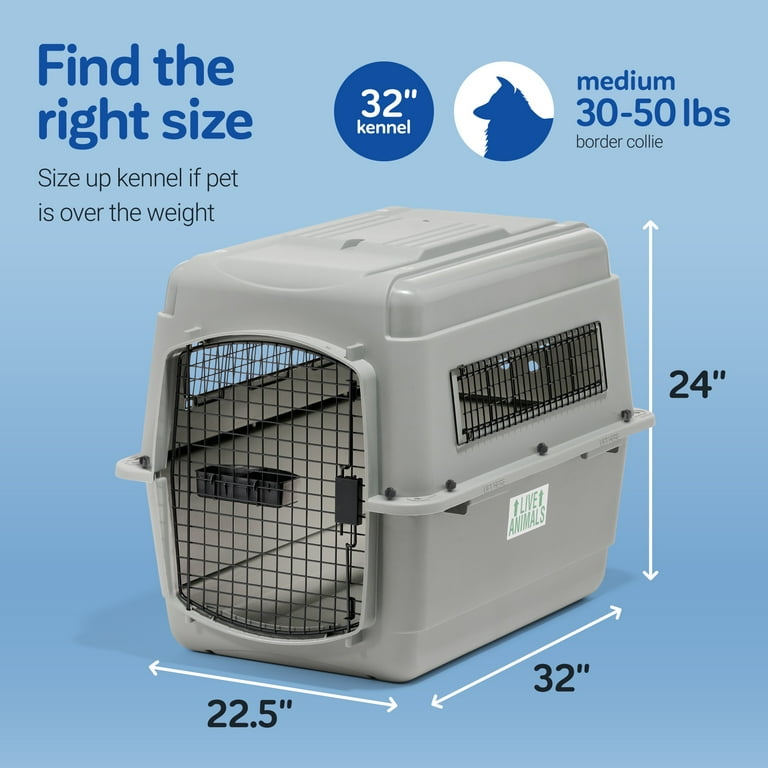
Standard kennels for 50 lb dogs usually measure around 30 to 36 inches in length. The width is commonly 21 to 24 inches, and the height ranges from 24 to 27 inches. These dimensions allow enough room for movement and rest.
- Length: 30-36 inches
- Width: 21-24 inches
- Height: 24-27 inches
Check the kennel’s interior space, not just the outer measurements. Most pet stores offer these standard sizes as they fit a variety of medium-sized dogs.
Custom Fit Options
Custom kennels provide a perfect fit for your dog’s unique size and shape. You can adjust dimensions based on your pet’s length and height. This option works well for dogs with special needs or unusual body shapes.
- Measure your dog from nose to tail
- Measure your dog’s height when standing
- Add a few inches for comfort
Custom kennels can be made from various materials and styles. They offer extra comfort and can suit your home’s space perfectly.
Materials And Design
Choosing the right materials and design for a kennel that fits your 50 lb dog is crucial for ensuring safety, comfort, and ease of use. The structure should be strong enough to handle your dog’s activity level while providing a cozy space. Let’s break down what to look for in the materials and design to make the best choice.
Durability Factors
Your dog’s kennel needs to withstand wear and tear over time. Metal kennels, especially those made of steel or aluminum, offer excellent strength and resist chewing. Plastic kennels provide a solid enclosure but may crack if your dog is very active or aggressive.
Think about your dog’s behavior. If your dog tends to scratch or chew, metal with a powder-coated finish can protect against rust and damage. Also, check for secure locks and hinges that won’t easily break or open.
Ventilation And Comfort
Proper airflow is vital for your dog’s health. Kennels with ample ventilation slots or mesh sides keep the air fresh and reduce overheating. Avoid kennels with solid walls unless they have built-in vents.
Consider adding soft bedding or cushions to improve comfort inside the kennel. Does your dog like to stretch out? Make sure the kennel’s interior height and length accommodate this comfortably. Comfort isn’t just about softness—it’s about space and airflow working together.
Portability Features
If you travel or move your dog often, portability should influence your choice. Lightweight materials like plastic and aluminum make carrying easier. Look for kennels with handles or wheels for convenience.
Collapsible or foldable designs save space when not in use. Have you ever struggled with a heavy kennel during a trip? Choosing a design that folds flat can make your life much easier.
Types Of Kennels
Choosing the right type of kennel for your 50 lb dog can make a big difference in comfort and safety. Different kennels offer various features that suit your dog’s personality and your lifestyle. Understanding these options helps you pick one that fits both your space and your dog’s needs.
Wire Kennels
Wire kennels provide excellent ventilation and visibility, which many dogs appreciate. They are sturdy and easy to clean, making them a popular choice for active dogs. If your dog likes to see what’s happening around them, a wire kennel can prevent feelings of isolation.
They often come with a removable plastic tray at the bottom for easy cleanup. Wire kennels are also foldable, which makes storage and transport simpler. Have you noticed how your dog reacts to open spaces? Wire kennels might encourage a more relaxed vibe for dogs that prefer open environments.
Plastic Crates
Plastic crates offer a more enclosed space that can feel like a cozy den for your dog. This type of kennel is great if your dog prefers a quiet, secure area to rest. The solid walls provide protection from drafts and create a darker environment, which can help anxious dogs feel safe.
These crates are lightweight and often airline-approved, making them ideal for travel. They can be easier to move around your home or car. If your dog tends to be nervous in busy places, a plastic crate might give them the calm they need.
Soft-sided Carriers
Soft-sided carriers are perfect for short trips and dogs who enjoy a snug, cushioned space. They are lightweight and easy to carry, which can make vet visits or travel less stressful for both you and your dog. However, they may not be the best option for dogs that chew or are very strong.
Many soft-sided carriers have mesh panels for ventilation and visibility. This helps your dog stay calm by seeing their surroundings while still feeling secure. If portability is your priority, have you considered how much space you need for your dog to lie down comfortably?
Safety Considerations
Choosing the right kennel size for your 50 lb dog isn’t just about comfort—it’s about safety. A kennel that’s too small or poorly designed can cause stress, injury, or escape attempts. Paying close attention to safety features helps keep your dog secure and happy inside their space.
Secure Locking Mechanisms
Locks on kennels should be sturdy and reliable to prevent accidental openings. Look for designs that your dog can’t easily manipulate, such as spring-loaded latches or double-lock systems.
Have you ever seen a dog figure out how to open a latch? It happens more often than you think. Ensuring the lock is foolproof protects your dog from escaping and potentially getting hurt or lost.
Avoiding Hazards
Inspect the kennel for sharp edges, loose wires, or gaps that could trap paws or cause cuts. Even small openings can become dangerous if your dog tries to squeeze through or chew on parts.
Remember, dogs explore with their mouths and paws, so every part of the kennel should be smooth and secure. Avoid kennels with peeling paint or splinters that can harm your dog.
Proper Ventilation
Good airflow is crucial to prevent overheating and maintain fresh air inside the kennel. Make sure the kennel has enough openings but still protects your dog from drafts and harsh weather.
Think about where you’ll place the kennel. A spot with steady airflow but not direct wind keeps your dog comfortable and safe. How often do you check your dog’s kennel for signs of poor ventilation?
Training With The Kennel
Training your 50 lb dog to feel at ease in their kennel is a key step in making the kennel a safe and inviting space. It’s not just about confinement; it’s about creating a positive environment that encourages your dog to relax and enjoy their personal area. How you introduce and use the kennel can shape your dog’s behavior and comfort level significantly.
Making It Comfortable
Start by adding soft bedding that fits the kennel size perfectly. Avoid overcrowding the space with too many toys; just a couple of favorites will do. A cozy blanket or a familiar piece of your clothing can help your dog feel secure by carrying your scent.
Ensure good ventilation and keep the kennel in a quiet area, away from direct sunlight or drafts. This helps maintain a comfortable temperature and a peaceful atmosphere. Think about your own comfort zone—would you want to rest in a noisy, hot, or cold spot?
Positive Reinforcement
Reward your dog every time they enter or stay calmly in the kennel. Use treats, praise, or gentle petting to create a link between the kennel and something enjoyable. This encourages your dog to see the kennel as a happy place, not a punishment.
Be consistent with your rewards but avoid forcing your dog inside. Let them explore at their own pace. Have you noticed how dogs respond better when they’re guided with kindness rather than pressure?
Gradual Introduction
Introduce the kennel slowly by leaving the door open at first and allowing your dog to explore it freely. Start with short periods inside, gradually increasing the time as your dog feels more comfortable. This prevents anxiety and builds trust.
Use feeding times inside the kennel to create positive associations. Watching your dog eat happily in their kennel can signal to them that it’s a safe and pleasant place. How might you adjust your approach if your dog seems hesitant or stressed?
Maintenance Tips
Keeping a kennel clean and well-maintained is key for your 50 lb dog’s health and comfort. Regular care prevents odors and damage. It also extends the kennel’s life. Simple steps help maintain a safe and pleasant space for your pet.
Cleaning Frequency
Clean the kennel at least once a week. Remove waste and old bedding daily. More frequent cleaning may be needed if your dog sheds a lot or has accidents. Regular cleaning reduces germs and keeps the area fresh.
Material Care
Check the kennel’s material to choose the right cleaning method. For metal kennels, use mild soap and water to avoid rust. Plastic kennels clean easily with disinfectant wipes. Wood needs gentle cleaning and sealing to prevent damage. Dry the kennel completely after washing to stop mold.
Odor Control
Use baking soda or pet-safe deodorizers inside the kennel. Place absorbent mats or pads to catch moisture and smells. Keep the kennel in a well-ventilated area to help fresh air circulate. Regular cleaning and good airflow reduce strong odors effectively.

Credit: www.amazon.ca
Traveling With A Kennel
Traveling with a kennel makes journeys safer and more comfortable for your 50 lb dog. Choosing the right kennel size and type helps avoid stress for both you and your pet. Proper preparation ensures smooth trips by air or car.
Air Travel Requirements
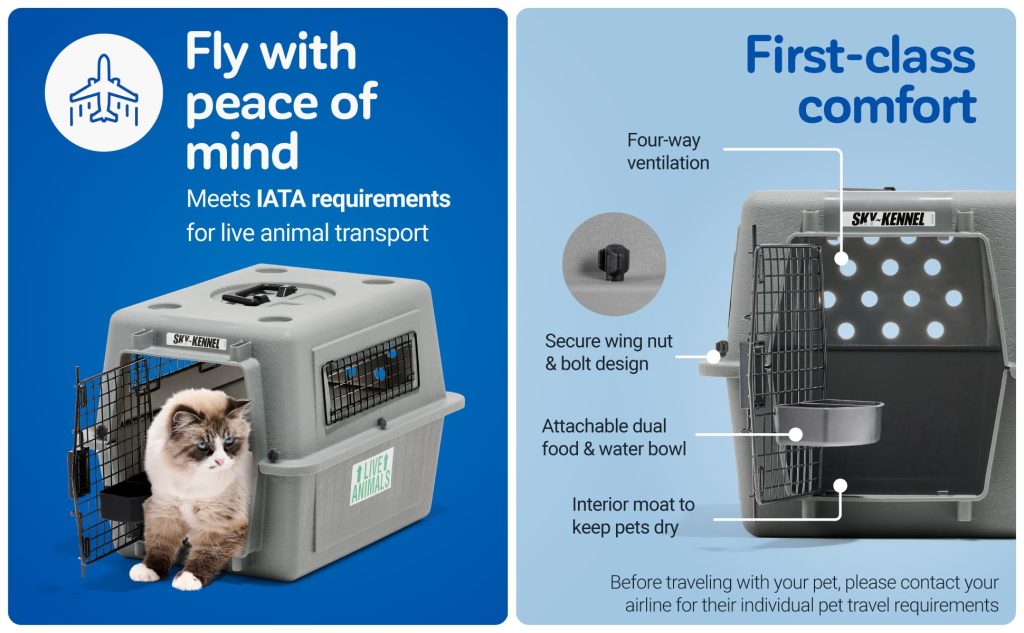
Airlines have strict rules for dog kennels. The kennel must be large enough for your dog to stand, turn, and lie down. For a 50 lb dog, the kennel should allow extra space around the dog’s body. Most airlines require kennels made of hard plastic with secure locks. Ventilation on at least three sides is necessary for airflow. Label the kennel with your dog’s name, your contact info, and “Live Animal.” Check the airline’s specific size limits before booking.
Car Safety
In cars, kennels keep your dog safe during sudden stops. Use a kennel that fits your dog comfortably but is not too large to slide around. Secure the kennel with seat belts or anchors to prevent movement. Place the kennel on a flat surface, such as the back seat or cargo area. Avoid placing the kennel in the front seat for safety reasons. Make sure your dog has enough room to sit and lie down inside the kennel.
Portable Kennel Choices
Portable kennels offer flexibility and ease for travel. Soft-sided kennels are lightweight and easy to carry but less protective. Hard-sided kennels provide more security and meet most airline rules. Folding kennels are good for short trips and car rides. Choose a kennel with a waterproof bottom for outdoor stops. Add a soft mat inside for comfort. Pick a kennel size that fits your dog’s length and height with some extra room.
Frequently Asked Questions
What Size Kennel Is Best For A 50 Lb Dog?
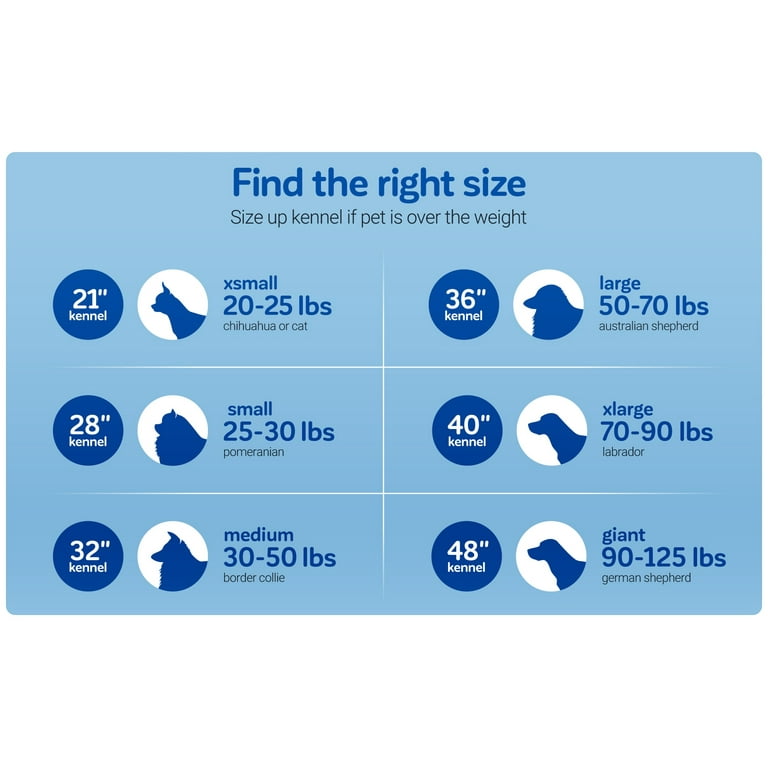
For a 50 lb dog, a kennel measuring 36 inches is ideal. This size provides enough space for comfort and movement. Ensure the kennel has adequate ventilation and is made of sturdy materials. Always consider your dog’s length and height for the best fit.
How Do I Measure My Dog For A Kennel?
Measure your dog’s length from nose to tail and height from floor to head. Add 4 inches to these measurements for comfort. This ensures your dog can turn around and lie down easily. Proper measurements help in selecting the right kennel size.
Why Is Kennel Size Important For Dogs?
The right kennel size ensures your dog’s comfort and safety. A too-small kennel restricts movement, causing discomfort. An overly large kennel might not provide the needed security. Proper sizing helps in reducing anxiety and promoting relaxation. Always prioritize your dog’s well-being with the correct size.
Can A 50 Lb Dog Fit In A 30-inch Kennel?
A 30-inch kennel is too small for a 50 lb dog. It restricts movement and comfort. For optimal comfort, a 36-inch kennel is recommended. Always ensure your dog can stand, turn, and lie down comfortably. Proper sizing is crucial for your dog’s comfort and safety.
Conclusion
Choosing the right kennel size keeps your 50 lb dog safe and happy. A kennel that fits well lets your dog move freely and rest comfortably. Too small feels cramped; too large may feel empty and unsafe. Measure your dog’s length and height before buying.
Remember, a good kennel supports training and travel. Your dog deserves comfort wherever it stays. Simple steps lead to a better kennel choice. Make sure your dog enjoys its space every day.

Emily Barker is the founder of ChillDogLife.com, a space dedicated to helping pup parents discover the best dog products, lifestyle tips, and cozy ideas for happier homes.
A lifelong dog lover, Emily combines her passion for pets with a knack for research to share trusted recommendations on everything from toys and furniture to health and everyday care.
Her goal is simple: to make life easier, stylish, and more joyful for dogs and the people who love them.




