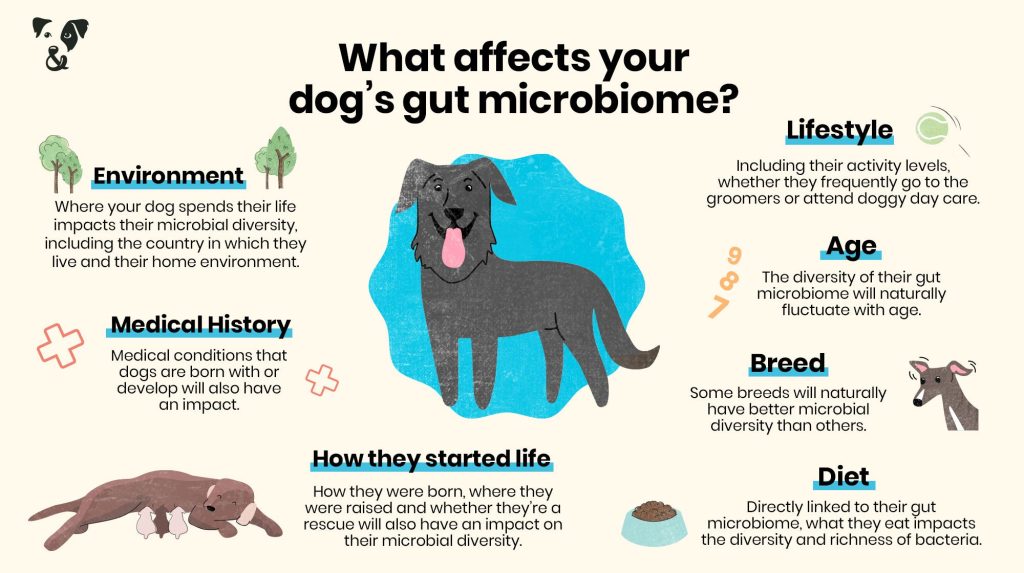
Your dog’s gut health is more important than you might think. It affects their energy, mood, and even how well their body fights off sickness.
If you want your furry friend to feel their best every day, understanding how to support their digestive system is key. You’ll discover simple, effective ways to improve your dog’s gut health. Keep reading to learn how small changes can make a big difference in your dog’s happiness and well-being.
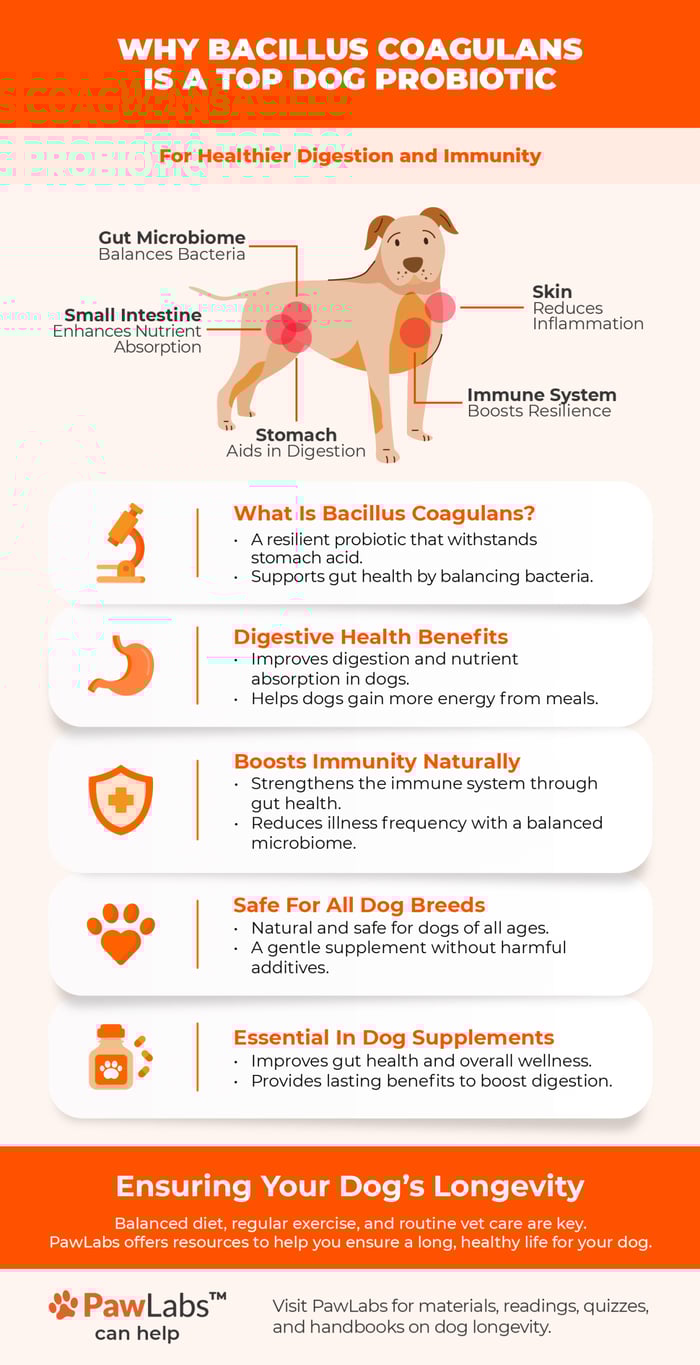
Credit: pawlabs.co
Signs Of Poor Gut Health In Dogs
Your dog’s gut health is key to their overall wellbeing.
Watch for signs that show their digestive system may be off balance.
Digestive Issues To Watch For
Digestive problems often signal poor gut health in dogs.
- Frequent diarrhea or loose stools
- Constipation lasting more than a day
- Excessive gas or bloating
- Vomiting without obvious cause
- Changes in appetite or weight loss
- Visible discomfort after eating
Behavioral Changes Linked To Gut Health
Gut health can affect your dog’s mood and behavior.
| Behavioral Change | Possible Gut Health Cause |
| Irritability or restlessness | Gut discomfort or pain |
| Increased licking or chewing | Oral discomfort from acid reflux |
| Fatigue or low energy | Poor nutrient absorption |
| Excessive scratching | Food sensitivities or allergies |
| Withdrawal or hiding | Overall feeling unwell |

Credit: www.poochandmutt.co.uk
Importance Of Gut Health For Dogs
A dog’s gut health affects more than digestion. It plays a key role in overall wellness.
Good gut health helps dogs absorb nutrients and stay strong. It also supports their immune system.
Role Of Gut In Immunity
The gut contains many bacteria that help fight harmful germs. This balance keeps a dog healthy and safe from illness.
- Gut bacteria produce substances that kill bad microbes
- They help develop immune cells in the gut lining
- A strong gut barrier stops harmful agents from entering the body
- Healthy gut flora reduces inflammation and allergies
Impact On Mood And Energy
The gut and brain communicate through nerves and chemicals. This link can affect a dog’s mood and energy levels.
| Gut Health Effect | Impact on Dog |
| Good gut bacteria | Boosts energy and alertness |
| Imbalance in gut | Can cause anxiety or tiredness |
| Healthy digestion | Improves nutrient use and stamina |
| Inflammation | May lead to irritability and low mood |
Best Diets For A Healthy Gut
Keeping your dog’s gut healthy supports overall wellness. The right foods can help balance good bacteria and digestion.
Choosing the best diet involves proteins, fibers, and avoiding harmful ingredients. Probiotics and prebiotics are also key.
High-quality Proteins And Fibers
Protein helps build strong muscles and supports gut lining health. Fiber helps food move smoothly through the digestive system.
- Lean meats like chicken and turkey
- Fish rich in omega-3 fatty acids
- Vegetables such as pumpkin and sweet potato
- Whole grains like brown rice and oats
Probiotic And Prebiotic Foods
Probiotics add good bacteria to the gut. Prebiotics feed these bacteria to keep them strong and active.
| Food Type | Examples | Benefit |
|---|---|---|
| Probiotics | Yogurt, kefir, fermented vegetables | Restore gut bacteria balance |
| Prebiotics | Chicory root, bananas, garlic | Feed good bacteria for growth |
Avoiding Harmful Ingredients
Certain ingredients can harm your dog’s gut. Avoid these to protect digestion and overall health.
- Artificial preservatives and colors
- Excessive salt and sugar
- Fillers like corn, wheat, and soy
- Fatty and fried foods
Supplements That Support Digestion
Good gut health is important for dogs to stay happy and active. Supplements can help improve digestion and keep their gut balanced.
Adding the right supplements to your dog’s diet can ease digestion problems and support nutrient absorption.
Probiotics For Dogs
Probiotics are good bacteria that help keep your dog’s gut healthy. They balance the natural bacteria in the digestive system.
Probiotics can reduce diarrhea and improve stool quality. They also support the immune system and help with allergies.
- Contain live beneficial bacteria
- Help restore gut flora after antibiotics
- Support digestion and nutrient absorption
- Reduce digestive upset and gas
Digestive Enzymes
Digestive enzymes help break down food into smaller parts. This makes it easier for your dog to absorb nutrients.
Dogs with enzyme deficiencies may have trouble digesting fats, proteins, or carbohydrates. Enzyme supplements improve digestion.
- Support breakdown of proteins, fats, and carbs
- Help dogs with pancreatic insufficiency
- Reduce bloating and gas
- Improve nutrient absorption
Omega-3 Fatty Acids
Omega-3 fatty acids help reduce inflammation in the gut. They support the lining of the digestive tract to keep it healthy.
These fats also support skin, coat, and joint health. They come from fish oil or flaxseed oil supplements.
- Reduce gut inflammation
- Support healthy digestion
- Improve skin and coat condition
- Help with joint comfort
Lifestyle Tips For Gut Health
Maintaining your dog’s gut health is important for their overall well-being. A healthy gut helps with digestion and boosts the immune system. Simple lifestyle changes can greatly improve your dog’s gut health.
Here are some tips to help keep your dog’s gut in top shape through regular exercise, stress reduction, and proper hydration.
Regular Exercise Benefits
Exercise is vital for your dog’s digestive health. It helps move food through the system and reduces bloating. Regular activity keeps your dog fit and supports a healthy gut.
Daily walks or playtime can make a big difference. Aim for at least 30 minutes of activity each day.
- Promotes regular bowel movements
- Reduces stress and anxiety
- Supports overall physical health
Stress Reduction Techniques
Stress can harm your dog’s gut health. Reducing stress helps improve digestion and gut function. Keep your dog’s environment calm and stable.
Try techniques like gentle petting, soothing music, or quiet time. These can help your dog relax and ease stress.
- Calm environments support gut health
- Routine and predictability reduce anxiety
- Interactive toys can distract from stress
Hydration And Its Role
Water is crucial for digestion and gut health. Ensure your dog always has access to fresh water. Proper hydration helps move food through the digestive tract.
Offer clean water in a bowl that is easy for your dog to reach. Check and refill it regularly to keep your dog hydrated.
- Prevents constipation
- Supports nutrient absorption
- Helps maintain energy levels

Credit: www.poochandmutt.co.uk
When To See A Vet
Gut health is very important for your dog’s overall well-being. Sometimes, dogs may show signs that their gut is not healthy.
Knowing when to visit a vet can help prevent serious problems. It is best to act quickly if you notice any unusual signs.
Persistent Symptoms
If your dog shows ongoing gut problems, see a vet. Symptoms that last more than a few days are a concern.
Common persistent symptoms include vomiting, diarrhea, and loss of appetite. These can mean your dog needs medical help.
- Frequent vomiting or dry heaving
- Continuous diarrhea or soft stools
- Refusing food for more than 24 hours
- Weight loss without a clear reason
- Signs of pain or discomfort in the belly
Professional Gut Health Tests
Vets can run tests to find the root cause of gut problems. These tests give clear information about your dog’s health.
Some tests include stool analysis and blood work. These help identify infections, parasites, or food allergies.
- Fecal exams to check for parasites
- Blood tests to check organ function
- Allergy tests to find food sensitivities
- Imaging tests like X-rays or ultrasounds
Frequently Asked Questions
What Are The Best Foods For Dog Gut Health?
Feeding dogs high-fiber foods like pumpkin and sweet potatoes supports gut health. Probiotics and prebiotics also promote beneficial gut bacteria. Avoid processed and sugary foods to maintain a balanced digestive system.
How Do Probiotics Improve My Dog’s Digestion?
Probiotics introduce good bacteria that balance your dog’s gut flora. This helps reduce digestive issues like diarrhea and bloating. They enhance nutrient absorption and boost immune function for overall gut health.
Can I Use Supplements To Support My Dog’s Gut Health?
Yes, supplements like probiotics, digestive enzymes, and omega-3 fatty acids aid gut function. Always consult your vet before starting supplements to ensure safety and proper dosage.
How Often Should I Monitor My Dog’s Gut Health?
Regularly observe your dog’s stool consistency and eating habits. Schedule vet check-ups every 6 to 12 months to catch gut issues early. Prompt attention prevents serious digestive problems.
Conclusion
Healthy gut means a happy dog. Feed good food and add probiotics. Keep your dog active and stress-free. Regular vet visits catch problems early. Clean water and hygiene help a lot. Watch your dog’s stool and behavior. Small changes bring big gut health benefits.
Care daily for lasting wellness. Your dog will thank you with energy and joy. Gut health is key to a long, happy life.

Emily Barker is the founder of ChillDogLife.com, a space dedicated to helping pup parents discover the best dog products, lifestyle tips, and cozy ideas for happier homes.
A lifelong dog lover, Emily combines her passion for pets with a knack for research to share trusted recommendations on everything from toys and furniture to health and everyday care.
Her goal is simple: to make life easier, stylish, and more joyful for dogs and the people who love them.




