Are you struggling to figure out if your dog’s itching, sneezing, or skin problems are caused by allergies? Knowing exactly what triggers your dog’s discomfort can make a huge difference in their health and happiness.
But before you jump in, one big question probably weighs on your mind: How much does a dog allergy test cost? Understanding the price can help you plan better and avoid surprises. Keep reading, and you’ll discover everything you need to know about dog allergy test costs, so you can make the best decision for your furry friend without stress.

Credit: www.dogster.com
Factors Affecting Test Cost
Several factors influence the cost of a dog allergy test. Understanding these elements helps pet owners prepare financially. Costs vary widely depending on the type of test, how it is done, and where it takes place.
Types Of Allergy Tests
Different allergy tests serve different purposes. Some tests check for common allergens, while others provide detailed results. The main types include:
- Blood tests – detect antibodies to allergens in the blood.
- Skin tests – involve exposing the dog’s skin to allergens.
- Elimination diets – identify food allergies by removing certain foods.
Blood tests usually cost more than elimination diets. Skin tests may require special equipment and trained staff.
Testing Methods
Testing methods impact the price. Blood tests need lab analysis, which adds to the cost. Skin tests require multiple visits and careful monitoring. Elimination diets take time but have fewer upfront costs.
Some methods need follow-up visits or additional tests. This can increase the total expense. Simpler tests often cost less but may offer less detailed results.
Location And Clinic Fees
Costs vary by location and clinic. Urban clinics often charge more than rural ones. Specialty veterinary centers usually have higher fees due to advanced testing options. Some clinics include consultation fees, while others charge separately.
Local demand and competition also affect prices. Pet owners should check multiple clinics to find the best value. Some offer package deals that reduce overall costs.

Credit: www.dogster.com
Typical Price Ranges
Understanding the cost of dog allergy tests helps pet owners plan better. Prices can vary based on the testing method chosen. Let’s explore typical price ranges for different testing options.
In-clinic Testing Costs
In-clinic allergy tests are performed by veterinarians. These tests usually range from $200 to $300. They involve blood tests or intradermal skin tests. The cost includes professional expertise and accurate results.
At-home Test Kits
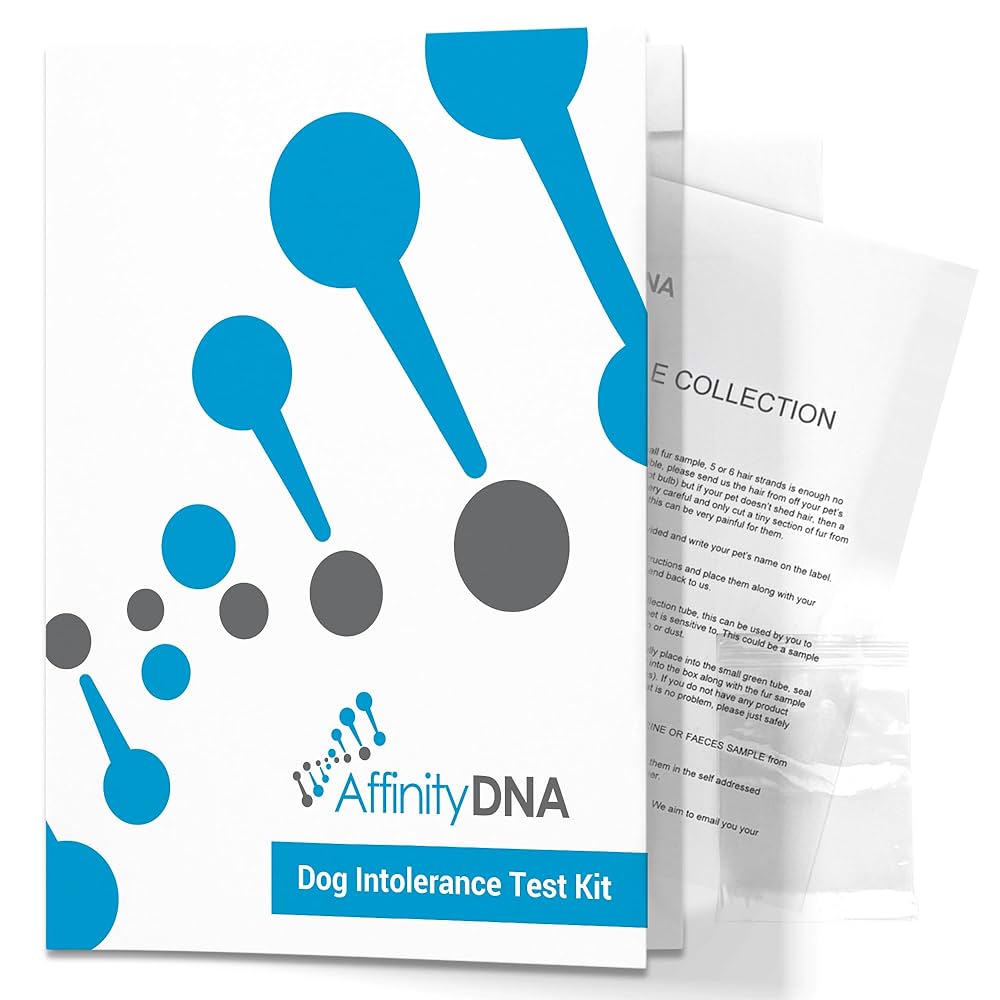
At-home test kits offer a budget-friendly option. These kits generally cost between $70 and $150. They provide convenience and ease of use. Pet owners can collect samples at home and mail them for analysis.
Insurance Coverage Impact
Insurance can affect the total cost of dog allergy tests. Some pet insurance plans cover allergy testing. Coverage varies, so check with your provider. Reduced out-of-pocket expenses might be available if covered.
Choosing The Right Test
Choosing the right dog allergy test is crucial for accurate diagnosis and effective treatment. Different tests offer varying levels of detail, cost, and comfort. Understanding these differences helps you make a decision that fits your needs and budget.
Skin Prick Tests
Skin prick tests involve placing small amounts of allergens on your skin, usually on the forearm or back. A tiny needle pricks the skin through the allergen, and if you react with redness or swelling, it indicates an allergy.
This test is quick, often completed within 20 minutes, and relatively affordable. However, it requires you to avoid antihistamines before the test, which might be inconvenient.
Have you ever wondered if a quick test like this can catch subtle allergies? It often can, especially when your symptoms are clear and recent.
Blood Tests
Blood tests measure the immune system’s response to specific allergens by checking for antibodies. They don’t require stopping medications, making them more convenient for many people.
These tests can detect multiple allergens at once, which is helpful if you’re unsure about what triggers your symptoms. The process is simple: a blood sample is drawn and sent to a lab for analysis.
While blood tests can cost more than skin prick tests, they offer the benefit of less discomfort and more flexibility in timing.
Comparing Accuracy And Price
| Test Type | Average Cost | Accuracy | Convenience |
|---|---|---|---|
| Skin Prick Test | $60 – $300 | High for immediate allergies | Quick but requires medication pause |
| Blood Test | $100 – $400 | Good for multiple allergens, less affected by medications | More convenient, no medication restrictions |
Accuracy depends on your specific situation and symptoms. Sometimes combining both tests gives the clearest picture. Are you ready to invest in the test that fits your lifestyle and gives you peace of mind?
Ways To Save On Testing
Testing for dog allergies can feel like an unexpected expense, but there are practical ways to ease the cost burden. By tapping into available resources and making informed choices, you can save money without sacrificing the quality of care. Let’s look at some effective strategies to keep your wallet happy during the testing process.
Using Insurance Benefits
Check if your pet insurance covers allergy testing. Many plans include diagnostic tests as part of their coverage, which can significantly reduce out-of-pocket costs.
Contact your insurance provider directly to understand the details. Some policies require pre-authorization or specific lab partnerships, so knowing this upfront can save you from surprises.
Have you reviewed your pet insurance policy lately? Sometimes, updating your plan or switching providers could offer better coverage for allergy-related expenses.
Discount Programs And Coupons
Look for discount programs offered by veterinary clinics or pet supply stores. These promotions can sometimes include allergy testing or related treatments.
Coupons are often available online or through pet-focused newsletters. Signing up for mailing lists from reputable veterinary services might land you valuable savings.
Consider group discounts if you belong to local pet clubs or associations. Pooling resources with fellow pet owners can lead to reduced rates on tests and services.
Selecting Affordable Clinics
Prices vary significantly between clinics, so shop around before booking your test. Smaller or independent veterinary practices may offer lower rates than large hospitals.
Ask about package deals that combine consultation and testing at a reduced price. Some clinics provide special pricing if multiple tests are done at once.
Don’t hesitate to ask your vet for recommendations on affordable testing options. They often know which labs or clinics offer the best value without compromising accuracy.
Next Steps After Testing
After your dog allergy test results come back, you might feel a mix of relief and confusion. Understanding what those results mean and deciding what to do next can shape how effectively you manage your symptoms. Let’s break down the essential next steps to help you take control of your allergies.
Interpreting Results
Your test results will show which dog allergens trigger your immune system. These are often listed with numbers indicating sensitivity levels. A higher number means a stronger allergic reaction.
Don’t hesitate to ask your doctor for a clear explanation. Sometimes, test results can show minor sensitivities that don’t cause noticeable symptoms. Knowing this can save you from unnecessary stress and treatments.
Treatment Options
Once you know your specific allergies, treatment becomes more targeted. Options include:
- Medications:Antihistamines, nasal sprays, or eye drops help reduce symptoms quickly.
- Immunotherapy:Allergy shots or tablets may decrease your sensitivity over time.
- Avoidance strategies:Limiting exposure to dogs or specific breeds if you are highly sensitive.
Consider your lifestyle and preferences when choosing treatment. For example, if you love dogs but suffer severe reactions, immunotherapy might be worth exploring.
Managing Dog Allergies
Living with dog allergies doesn’t mean giving up on pets or comfort. You can take steps to minimize symptoms daily:
- Keep dogs out of your bedroom to reduce allergen buildup where you sleep.
- Use HEPA air filters to clean the air in your home.
- Wash your hands and clothes after petting dogs to remove allergens.
- Regularly bathe and groom your dog to lower allergen levels.
Have you tried any of these strategies before? Sometimes small changes make a big difference. What could you adjust in your home to feel better?

Credit: www.amazon.com
Frequently Asked Questions
How Much Does A Dog Allergy Test Typically Cost?
A dog allergy test usually costs between $100 and $300. Prices vary based on the test type and location. Some vet clinics may charge extra for consultation or follow-up visits. Check with your vet for exact pricing and available test options.
What Factors Influence The Price Of Dog Allergy Tests?
Test type, clinic location, and veterinarian expertise affect the cost. Blood tests often cost more than skin tests. Additional fees may apply for sample collection or analysis. Insurance coverage can also impact your out-of-pocket expenses.
Are Dog Allergy Tests Covered By Pet Insurance?
Coverage depends on your pet insurance plan and policy details. Some plans cover allergy testing if it’s medically necessary. Always verify with your insurance provider before scheduling the test. This helps avoid unexpected costs or denied claims.
How Long Does A Dog Allergy Test Take To Get Results?
Results typically take 1 to 2 weeks after sample submission. Some clinics offer faster turnaround for an additional fee. Your vet will discuss results and treatment options once testing is complete. Timing varies depending on the test type used.
Conclusion
Dog allergy tests vary in price depending on the type and location. Some tests cost less, while others may be pricier. Knowing the cost helps you prepare and avoid surprises. Talk to your doctor or vet for accurate pricing. Early testing can improve your dog’s health and comfort.
Understanding costs lets you make better choices for your pet. Don’t wait if you suspect allergies. Take action and keep your dog happy.

Emily Barker is the founder of ChillDogLife.com, a space dedicated to helping pup parents discover the best dog products, lifestyle tips, and cozy ideas for happier homes.
A lifelong dog lover, Emily combines her passion for pets with a knack for research to share trusted recommendations on everything from toys and furniture to health and everyday care.
Her goal is simple: to make life easier, stylish, and more joyful for dogs and the people who love them.




