
If your dog is struggling with a bladder infection, you want to help them feel better as quickly as possible. But what can you safely give your dog to ease their discomfort and fight the infection?
You might be wondering which treatments work best, what medicines are safe, and how to spot the signs that your dog needs help. You’ll discover clear, practical answers to these questions, so you can take the right steps to support your furry friend’s health.
Keep reading to learn how to care for your dog’s bladder infection effectively and with confidence.

Credit: www.amazon.com
Symptoms Of Bladder Infection
Bladder infections in dogs can be uncomfortable and even painful for your furry friend. Recognizing the symptoms early on helps you provide timely care and relief. Paying close attention to changes in your dog’s bathroom habits and behavior can make all the difference.
Signs To Watch For
Is your dog suddenly urinating more often or struggling to go? These are common signs of a bladder infection. You might also notice blood in the urine or a strong, unusual odor.
- Frequent urination or accidents inside the house
- Straining or crying out while urinating
- Cloudy or bloody urine
- Excessive licking of the genital area
- Fever or lethargy
Sometimes, your dog may act restless or uncomfortable, pacing around as if they need to go but can’t fully relieve themselves. These signs indicate your dog needs attention quickly.
When To See A Vet
If you spot any of these symptoms, don’t wait to get professional help. A vet can confirm the diagnosis with urine tests and prescribe the right medication to clear the infection.
Ignoring a bladder infection can lead to serious complications, including kidney infections. If your dog shows signs like vomiting, loss of appetite, or worsening pain, seek veterinary care immediately.
Have you noticed your dog showing any unusual bathroom habits lately? Catching these symptoms early could save your pet a lot of discomfort.
Causes Of Bladder Infection
Bladder infections in dogs happen when harmful bacteria enter the urinary tract. These infections cause pain and discomfort. Understanding the causes helps in prevention and treatment. Several factors can lead to bladder infections in dogs. Some are common triggers while others increase the risk.
Common Triggers
- Bacteria from the skin or environment enter the urethra.
- Incomplete emptying of the bladder allows bacteria to grow.
- Poor hygiene in the genital area promotes infection.
- Trauma or irritation to the urinary tract can cause infection.
- Foreign objects like stones or crystals may block urine flow.
Risk Factors
- Older dogs have weaker immune systems.
- Female dogs are more prone due to shorter urethras.
- Dogs with diabetes or other health issues face higher risks.
- Dogs that do not drink enough water are at risk.
- Stress and poor diet can weaken a dog’s defenses.
Veterinary Treatments
Veterinary treatments play a vital role in addressing bladder infections in dogs. If your furry friend is showing signs of discomfort or frequent urination, getting professional care is essential. The right treatment can quickly relieve symptoms and prevent complications.
Antibiotics Options
Antibiotics are the primary treatment for bacterial bladder infections in dogs. Your vet will likely perform a urine test to identify the exact bacteria causing the infection. This ensures the chosen antibiotic targets the infection effectively.
Common antibiotics prescribed include:
- Amoxicillin
- Cephalexin
- Trimethoprim-sulfonamide
- Enrofloxacin
The duration of antibiotic treatment typically lasts from 7 to 14 days but can vary depending on the infection’s severity. It’s crucial to complete the full course, even if your dog appears better, to avoid recurring infections.
Have you ever stopped your pet’s medicine early because they seemed fine? It’s tempting but can cause antibiotic resistance, making future infections harder to treat.
Pain Relief Measures
Bladder infections often cause discomfort and pain during urination. Your vet may recommend pain relief medications to ease your dog’s suffering. These medications help your dog feel more comfortable while the antibiotics work on clearing the infection.
Common pain relief options include:
- Nonsteroidal anti-inflammatory drugs (NSAIDs)
- Phenazopyridine (a urinary analgesic)
- Opioids in severe cases
Keep in mind that human painkillers can be toxic to dogs, so never give your pet medication without veterinary guidance. Have you noticed your dog avoiding the bathroom or crying when urinating? This might be a sign they need pain relief as part of their treatment.
Credit: www.amazon.com
Home Remedies
Dealing with a dog's bladder infection at home can be challenging. While professional veterinary care is essential, some home remedies may offer support. These remedies can help soothe symptoms and promote healing.
Hydration And Diet
Ensure your dog drinks plenty of water. Proper hydration helps flush out bacteria from the bladder. Fresh, clean water should always be accessible. You can also offer ice cubes to encourage water intake.
Consider adding moisture-rich foods to your dog’s diet. Canned food or homemade broths can boost water consumption. Avoid salty or heavily processed foods. They can worsen bladder issues.
Natural Supplements
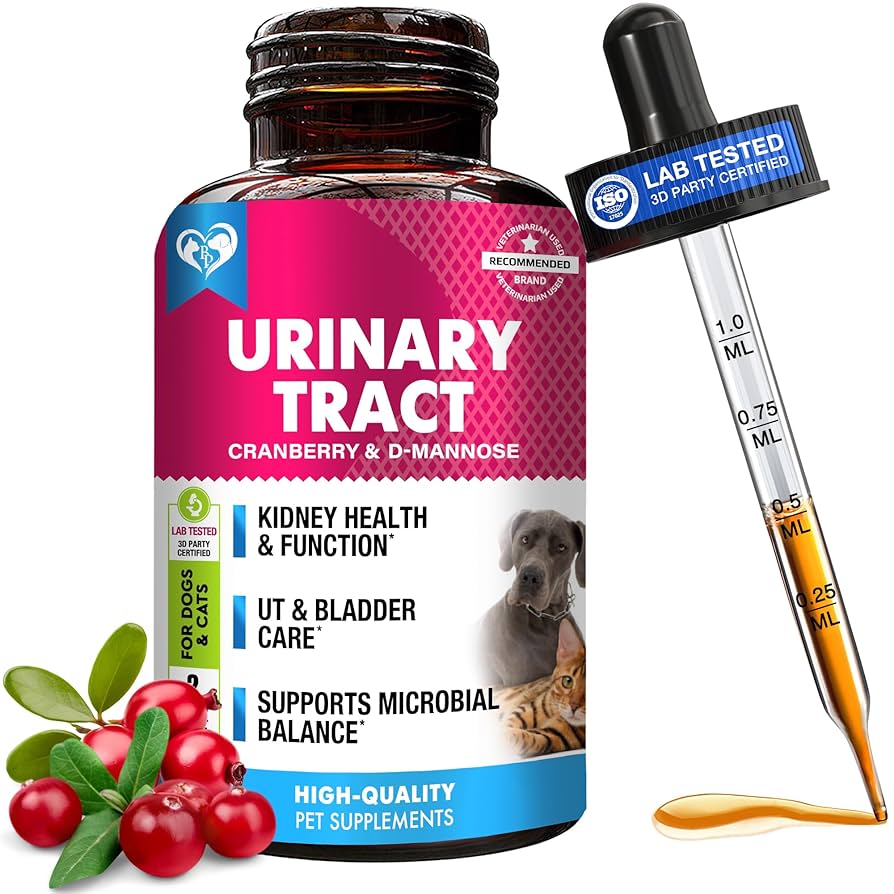
Cranberry supplements may support urinary tract health. They can prevent bacteria from sticking to the bladder walls. Always choose supplements specifically made for dogs.
Probiotics can also help. They support healthy bacteria balance in the gut. A strong immune system can better fight infections.
Vitamin C is another option. It may acidify the urine, making it less friendly to bacteria. Consult your vet before adding supplements to your dog’s routine.
Preventive Tips
Preventing bladder infections in dogs saves them from pain and discomfort. Simple daily habits reduce the risk effectively. Focus on cleanliness and health monitoring for your dog.
Hygiene Practices
Keep your dog’s living area clean and dry. Wash bedding regularly to remove bacteria. Wipe your dog’s genital area after walks or bathroom breaks. Use gentle, pet-safe wipes to prevent irritation. Encourage frequent bathroom breaks to avoid urine buildup.
Regular Vet Checkups
Schedule routine visits to catch infections early. Vets can detect signs before symptoms worsen. Blood tests and urine analysis help monitor your dog’s health. Follow vet advice on diet and supplements. Early detection means faster treatment and less pain.
When To Seek Emergency Care
Knowing when to seek emergency care for your dog’s bladder infection can save their life. Some signs might seem minor but actually indicate serious complications. Trust your instincts—if your dog’s condition suddenly worsens, immediate action is crucial.
Recognizing Severe Symptoms
Watch for intense signs like persistent vomiting, blood in the urine, or extreme lethargy. If your dog struggles to urinate or shows signs of pain when trying, these are red flags. Ignoring these symptoms can lead to kidney damage or urinary blockage.
Sudden Changes In Behavior
Has your usually active dog become unusually quiet or withdrawn? Rapid changes in appetite or sudden weakness can mean the infection is spreading. These behaviors often indicate your dog needs urgent medical attention.
Difficulty Urinating Or Inability To Urinate
One of the most alarming signs is when your dog cannot urinate at all. This can cause dangerous pressure buildup and requires immediate veterinary care. Don’t wait—this situation is an emergency that can escalate quickly.
High Fever And Severe Pain
A high fever combined with signs of severe abdominal pain means the infection might be systemic. Your dog might whine, pace, or show signs of distress. These symptoms demand prompt emergency treatment to prevent further complications.
When To Call Your Vet Immediately
- Bloody or foul-smelling urine
- Repeated attempts to urinate with little or no output
- Sudden collapse or difficulty standing
- Excessive drooling or panting
- Rapid breathing or heart rate
If you notice any of these, don’t hesitate to contact your vet. Acting fast can make all the difference in your dog’s recovery.

Credit: www.amazon.com
Frequently Asked Questions
What Medications Help Dogs With Bladder Infections?
Antibiotics prescribed by a vet effectively treat bladder infections in dogs. Never give human medications without vet approval.
Can Natural Remedies Cure A Dog’s Bladder Infection?
Some natural remedies like cranberry extract may support urinary health but cannot replace vet-prescribed antibiotics for infections.
How Can Diet Affect A Dog’s Bladder Infection?
A diet rich in water and low in irritants helps flush the bladder and supports recovery during infection treatment.
When Should I See A Vet For My Dog’s Bladder Infection?
If symptoms like frequent urination, blood in urine, or discomfort persist over 24 hours, consult your vet immediately.
Conclusion
Treating a dog’s bladder infection needs care and attention. Giving the right medicine helps your dog feel better fast. Clean water and good food support healing. Watch your dog for any signs of pain or discomfort. Visit the vet to get the best advice and treatment.
Early care stops the infection from getting worse. Keeping your dog healthy means more happy days together. Simple steps can make a big difference in recovery. Trust your vet and follow their instructions closely. Your dog deserves the best care and love.

Emily Barker is the founder of ChillDogLife.com, a space dedicated to helping pup parents discover the best dog products, lifestyle tips, and cozy ideas for happier homes.
A lifelong dog lover, Emily combines her passion for pets with a knack for research to share trusted recommendations on everything from toys and furniture to health and everyday care.
Her goal is simple: to make life easier, stylish, and more joyful for dogs and the people who love them.




