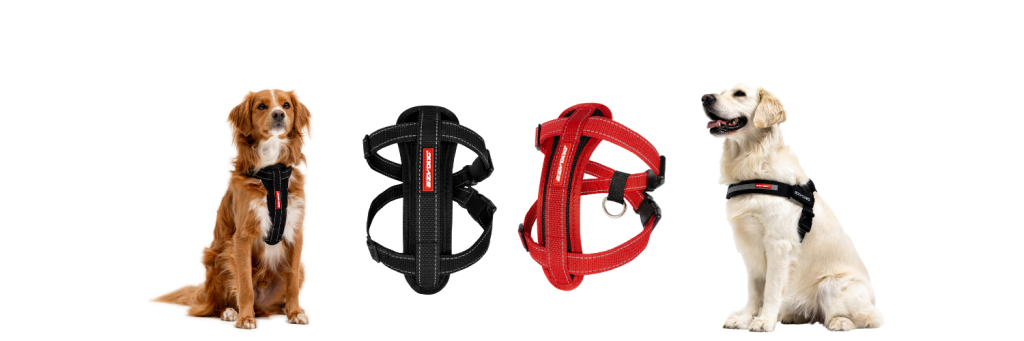
Putting a dog harness on your furry friend might seem tricky at first, but it doesn’t have to be. If you’ve ever struggled with getting your dog to wear a harness comfortably, you’re not alone.
The right technique can make all the difference—not just for your dog’s safety, but for your peace of mind during walks. You’ll discover simple, step-by-step tips to put a harness on your dog easily and confidently. Keep reading, and you’ll soon turn this task into a smooth, stress-free routine both you and your dog will enjoy.
Choosing The Right Harness
Choosing the right harness is crucial for your dog’s safety and comfort during walks. A well-fitted harness can prevent injuries and make walks more enjoyable for both of you. But how do you find the perfect one among so many options?
Types Of Dog Harnesses
There are several types of dog harnesses designed for different needs. Back-clip harnesseshave the leash attachment on the back, ideal for calm dogs who don’t pull much. Front-clip harnessesattach the leash on the chest, giving you better control over dogs that tend to pull.
Specialty harnesses include no-pull harnesses, which gently discourage pulling by redirecting your dog’s movement, and step-in harnessesthat are easy to put on, especially for wiggly dogs. Think about your dog’s behavior and what you want to achieve when choosing a type.
Measuring Your Dog
Accurate measurements are key to a proper fit. Use a soft tape measure to check your dog’s chest girth—the widest part of the ribcage, just behind the front legs. Also, measure the neck circumference, but avoid measuring too tightly.
Don’t guess sizes based on breed alone. Dogs come in all shapes, even within the same breed. A harness that’s too tight can choke or irritate, while one that’s too loose can let your dog slip out.
Material And Comfort
The material of the harness affects your dog’s comfort and durability. Look for breathable fabrics like mesh or padded nylon to avoid chafing, especially if your dog has sensitive skin. Lightweight materials keep your dog cool during active walks.
Check the buckles and straps for sturdiness but also for ease of adjustment. A harness that’s hard to adjust or has rough edges can frustrate you and hurt your dog. Would you want to wear something uncomfortable for a long walk?

Credit: www.youtube.com
Preparing Your Dog
Getting your dog comfortable with a harness takes patience and calm. Gently introduce the harness, letting your dog sniff and explore it before putting it on. Praise and treat your dog to create a positive experience during the process.
Preparing your dog for a harness is an important step. It helps ensure a smooth and stress-free experience. Dogs can be wary of new things. So, taking time to prepare them is crucial. Proper preparation can make the harnessing process easier for both you and your pet.Getting Your Dog Comfortable
Start by creating a positive environment. Speak to your dog in a calm voice. Dogs respond well to soothing tones. Make sure they are relaxed before introducing the harness. You can do this by engaging in a favorite activity. Play fetch or give them a gentle pet. This establishes a sense of safety and comfort.Introducing The Harness Slowly
Place the harness where your dog can see it. Let them sniff and inspect it. Familiar scents help reduce anxiety. Use treats to encourage curiosity. Reward them when they approach or touch the harness. This builds positive associations. Gradually, move the harness closer to their body. Allow them to get used to its presence. Take your time. Rushing can cause stress or resistance.Step-by-step Harness Fitting
Fitting a dog harness correctly ensures safety and comfort during walks. Follow clear steps for a good fit. The process is simple and quick with practice. A well-fitted harness prevents pulling and skin irritation.
Positioning The Harness
Place the harness on a flat surface first. Let your dog step into the harness calmly. The main loop should sit around the chest, not the neck. Ensure the D-ring for the leash is on the back. Check that straps do not twist or fold.
Securing The Straps
Buckle the clips firmly but gently. Fasten the chest strap so it lies flat. Make sure all buckles click into place. Avoid tightening too much to keep it safe. Use the adjustment sliders to hold the straps steady.
Adjusting For Comfort
Check the fit by sliding two fingers under the straps. The harness should be snug but not tight. Adjust straps evenly on both sides for balance. Watch your dog walk to spot any discomfort. Reposition and tighten as needed for ease of movement.

Credit: ezydog.co.nz
Checking The Fit
Checking the fit of a dog harness is key to your pet’s comfort and safety. A harness that fits well keeps your dog secure without causing pain or irritation. It helps prevent chafing and allows your dog to move naturally. Always take the time to adjust and check the harness before every walk.
Ensuring Proper Tightness
The harness should be snug but not tight. You must fit two fingers between the harness and your dog’s body. Too tight can hurt or restrict breathing. Too loose may let your dog slip out. Check straps and buckles to avoid pressure points or pinching.
Allowing Room For Movement
Your dog needs freedom to walk, run, and play. The harness should not limit leg or shoulder movement. Observe your dog walking after fitting the harness. Watch for signs of discomfort or awkward steps. Adjust straps to give enough space for natural motion.
Common Mistakes To Avoid
Putting a dog harness on might seem straightforward, but many dog owners make avoidable mistakes that can cause discomfort or even injury to their pets. Knowing what to watch out for can save you and your dog a lot of frustration. Let’s look at some common errors and how to avoid them for a safe, comfortable fit.
Too Tight Or Too Loose
One of the biggest mistakes is adjusting the harness either too tight or too loose. A harness that’s too tight can pinch your dog’s skin, restrict movement, or cause chafing. On the other hand, a harness that’s too loose may allow your dog to slip out, which can be dangerous during walks.
Try the two-finger test: you should be able to slide two fingers comfortably between the harness and your dog’s body. If you can’t, loosen it; if you can fit more than two fingers, tighten it up. Have you ever noticed your dog trying to escape their harness? It’s often because it doesn’t fit right.
Incorrect Strap Placement
Straps placed in the wrong spots can cause discomfort or restrict your dog’s natural movements. For example, if the chest strap sits too high on the neck, it may press on the windpipe or throat. Straps that cross over joints can limit flexibility and irritate your dog during activity.
Make sure the harness fits snugly around the chest and behind the front legs without pressing on sensitive areas. Adjust the straps so they sit flat and do not twist or bunch up. Have you checked your dog’s harness while they are moving? Sometimes problems only show when your dog is walking or running.
Tips For A Smooth Experience
Putting a dog harness on can be tricky at first. The goal is to make the experience easy and stress-free for your dog. Simple tips can help your dog accept the harness quickly. These tips also keep your dog safe and comfortable.
Positive Reinforcement
Use treats to reward your dog during the harness process. Praise your dog with a calm voice. Let your dog sniff and explore the harness before putting it on. Start slowly and give your dog time to adjust. This builds trust and makes your dog feel safe.
Regular Harness Checks
Check the harness fit often to avoid discomfort. Make sure it is snug but not too tight. Watch for signs of chafing or skin irritation. Adjust the straps as your dog grows or gains weight. A well-fitted harness keeps your dog happy and secure.

Credit: www.amazon.ca
Frequently Asked Questions
How Do I Measure My Dog For A Harness?
Measure your dog’s chest girth at the widest point. Also, measure the neck circumference. Use these sizes to choose a properly fitting harness.
What Is The Correct Way To Put On A Dog Harness?
Place the harness over your dog’s head. Secure the straps around the chest and adjust for a snug fit. Ensure it’s not too tight or loose.
Can I Put A Harness On A Puppy?
Yes, use a lightweight, adjustable harness for puppies. Introduce it gradually to ensure comfort and avoid stress during walks.
How Tight Should A Dog Harness Be?
The harness should be snug but allow two fingers to fit between the harness and your dog’s body. This prevents chafing and slipping.
Conclusion
Putting a dog harness on is simple with practice and patience. Choose the right size for your dog’s comfort. Adjust the straps so the harness fits snugly but not tight. Let your dog get used to the harness before walks.
Stay calm and use treats to make it a positive experience. A well-fitted harness keeps your dog safe and secure. Enjoy walking your dog with confidence and ease. Small steps lead to happy walks together.

Emily Barker is the founder of ChillDogLife.com, a space dedicated to helping pup parents discover the best dog products, lifestyle tips, and cozy ideas for happier homes.
A lifelong dog lover, Emily combines her passion for pets with a knack for research to share trusted recommendations on everything from toys and furniture to health and everyday care.
Her goal is simple: to make life easier, stylish, and more joyful for dogs and the people who love them.




