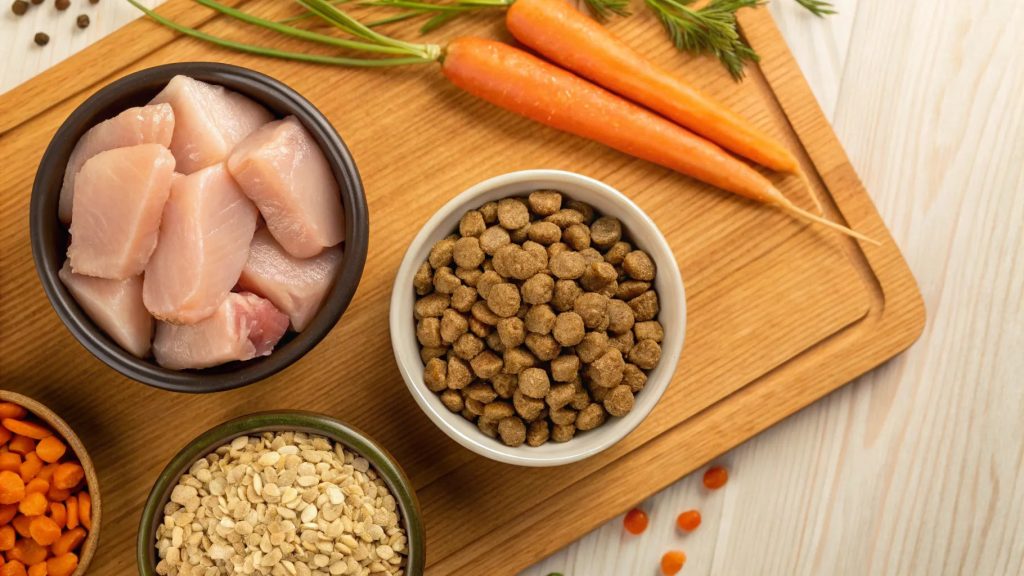
Are you tired of guessing what goes into your dog’s bowl? Making your own nutritional dog food might seem tricky, but it’s easier than you think—and your furry friend will thank you for it.
When you take control of your dog’s meals, you know exactly what they’re eating. This means better health, more energy, and a happier pet. Keep reading, and you’ll discover simple steps to create balanced, tasty meals your dog will love.
Ready to give your dog the best nutrition possible? Let’s get started!

Credit: www.amazon.com
Benefits Of Homemade Dog Food
Making dog food at home lets you control what your dog eats. You can choose fresh, healthy ingredients for your pet.
Homemade dog food can improve your dog’s health and suit their specific needs better than store-bought food.
Improved Health And Digestion
Homemade food often uses fresher ingredients, which can help your dog digest food better. It may reduce stomach problems and allergies.
When dogs eat natural ingredients, they get more nutrients. This can lead to a shinier coat and more energy.
Control Over Ingredients
You decide what goes into your dog’s meals. This helps avoid harmful additives, fillers, or allergens found in some commercial foods.
Control lets you tailor food to your dog’s tastes and health needs, like adding more protein or avoiding certain grains.
Cost-effectiveness
Making food at home can cost less than buying premium dog food. You can buy ingredients in bulk and use leftovers wisely.
Homemade meals reduce the need for extra supplements. This can save money on vet visits and special diets.
Essential Nutrients For Dogs
Dogs need a balanced diet to stay healthy. Essential nutrients help their bodies work well. Each nutrient plays a special role in their health and energy.
Knowing which nutrients to include in homemade dog food is important. This guide covers the main nutrients dogs need every day.
Proteins And Amino Acids
Proteins build strong muscles and repair body tissues. Dogs need amino acids, the building blocks of protein. Some amino acids are essential and must come from food.
- Chicken, beef, and fish are good protein sources.
- Eggs provide essential amino acids.
- Plant proteins like lentils can also help.
Healthy Fats
Healthy fats give dogs energy and keep their skin and coat shiny. They also support brain function and absorb vitamins. Fatty acids like omega-3 and omega-6 are very important.
| Fat Type | Benefits | Sources |
| Omega-3 | Reduces inflammation, supports brain | Fish oil, flaxseed |
| Omega-6 | Improves skin health, energy | Chicken fat, sunflower oil |
Vitamins And Minerals
Vitamins and minerals keep the immune system strong and help bones grow. Dogs need vitamins A, D, E, and minerals like calcium and phosphorus. These nutrients support many body functions.
Without enough vitamins and minerals, dogs may get weak or sick.
Carbohydrates And Fiber
Carbohydrates provide energy for daily activities. Fiber helps digestion and keeps the gut healthy. Good sources include rice, sweet potatoes, and oats.
- Rice is easy to digest and gives energy.
- Sweet potatoes have fiber and vitamins.
- Oats help with digestion and provide slow energy.
Safe Ingredients To Use
Making dog food at home means choosing safe and healthy ingredients. Dogs need a balanced mix of proteins, vegetables, grains, and supplements. Each group offers important nutrients for their health.
It is important to pick ingredients that are safe and easy to digest. Avoid anything toxic to dogs. Let’s look at the best options in each category.
Meats And Proteins
Proteins build muscles and provide energy for dogs. Use fresh and lean meats. Cook meats well to avoid bacteria. Avoid processed or seasoned meats that may harm your dog.
- Chicken (skinless and boneless)
- Turkey (ground or breast)
- Beef (lean cuts)
- Lamb (lean pieces)
- Fish like salmon or sardines (cooked and boneless)
- Eggs (cooked)
Vegetables And Fruits
Vegetables and fruits add fiber, vitamins, and antioxidants. Always wash them well. Some vegetables need cooking to be safe. Avoid toxic items like onions, grapes, and raisins.
| Safe Vegetables | Safe Fruits |
| Carrots | Blueberries |
| Green beans | Apples (no seeds) |
| Sweet potatoes | Bananas |
| Peas | Watermelon (no seeds) |
| Spinach (small amounts) | Pumpkin |
Grains And Legumes
Grains and legumes provide energy and fiber. Cook grains fully before feeding. Some dogs may have allergies, so watch for reactions. Choose whole grains when possible.
- Brown rice
- Oatmeal
- Quinoa
- Barley
- Lentils
- Chickpeas
Supplements And Additives
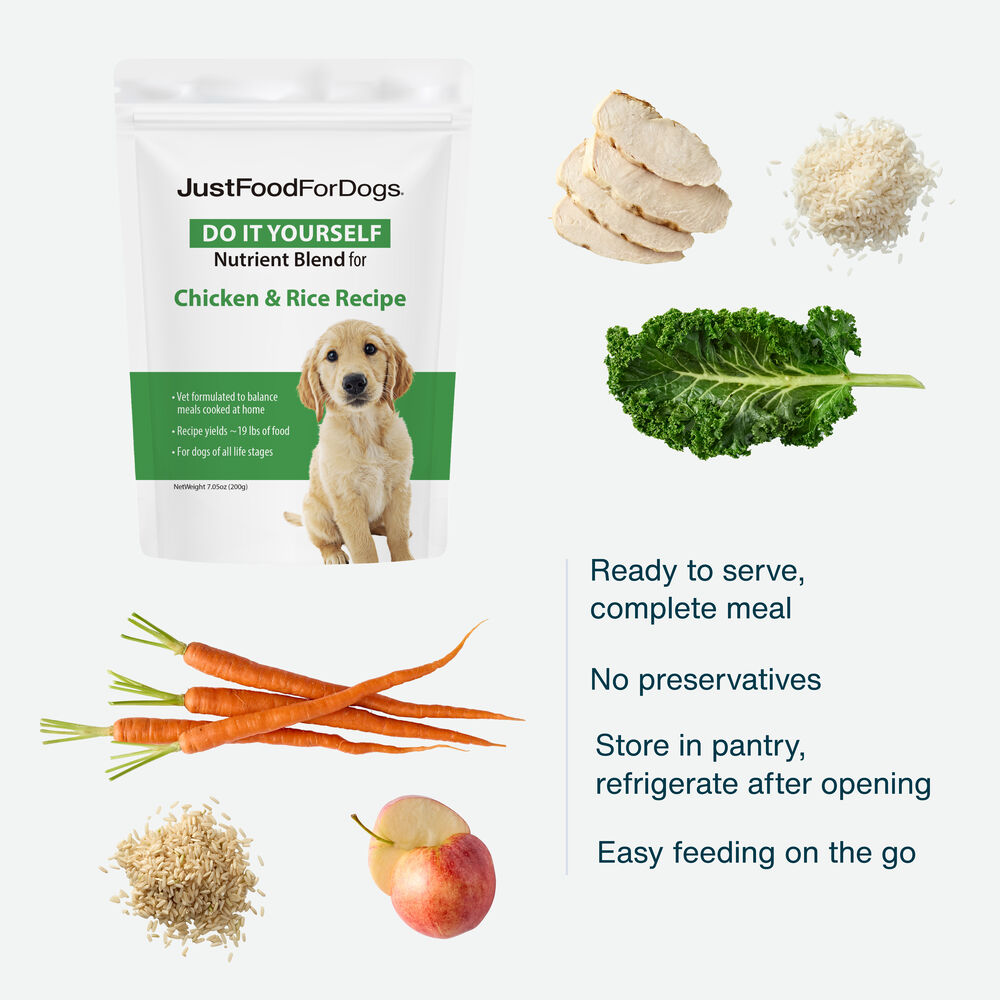
Supplements help fill nutrition gaps. Add healthy oils for skin and coat health. Consult a vet before using vitamins or minerals. Avoid artificial sweeteners or salt.
| Supplement | Benefit |
|---|---|
| Fish oil | Omega-3 fatty acids for skin and coat |
| Calcium powder | Bone health |
| Probiotics | Digestive support |
| Flaxseed oil | Anti-inflammatory properties |
| Vitamin E | Antioxidant support |
Credit: www.justfoodfordogs.com
Ingredients To Avoid
Making your own dog food is a great way to keep your pet healthy. But some ingredients can be harmful. Knowing what to avoid helps you make safe meals.
This guide lists ingredients that can hurt dogs. Avoiding these keeps your dog safe and happy.
Toxic Foods For Dogs
Some common foods are toxic to dogs. Even small amounts can cause serious problems. Always keep these out of your dog’s meals.
- Chocolate
- Grapes and raisins
- Onions and garlic
- Alcohol
- Caffeine
- Avocado
- Macadamia nuts
- Xylitol (a sweetener found in gum and candy)
Harmful Additives And Preservatives
Many store-bought dog foods have additives. Some preservatives can harm your dog’s health over time. Avoid foods with these ingredients.
- Artificial colors and dyes
- Artificial flavors
- BHA and BHT (chemical preservatives)
- Ethoxyquin (a pesticide and preservative)
- Sodium nitrate and nitrite
Common Allergens
Dogs can be allergic to some foods. Allergies cause itching, stomach upset, and other problems. Avoid these common allergens if your dog shows signs of allergy.
- Wheat and gluten
- Soy
- Dairy products
- Eggs
- Beef
- Chicken
Basic Preparation Tips
Making nutritious dog food at home is simple with the right steps. You need to understand how much to feed and how often.
Also, cooking and storing food properly keeps it safe and tasty for your dog.
Portion Sizes And Serving Frequency
Feed your dog the correct portion based on its weight and activity. Small dogs need less food than large dogs.
- Divide daily food into two or three meals
- Adjust portions for puppies or senior dogs
- Watch your dog’s weight and change servings as needed
- Consult a vet for special diet needs
Cooking Methods
Cook dog food gently to keep nutrients. Avoid adding salt, sugar, or spices.
| Method | Benefits | Notes |
|---|---|---|
| Boiling | Keeps food soft and easy to digest | Use low heat and do not overcook |
| Steaming | Preserves most vitamins and minerals | Good for vegetables and meats |
| Baking | Enhances flavor without added fats | Use moderate temperature |
| Raw | Maintains natural enzymes | Consult vet before feeding raw food |
Storage And Shelf Life
Store dog food properly to keep it fresh and safe. Use airtight containers and refrigerate or freeze.
- Refrigerate cooked food for up to 3 days
- Freeze portions for up to 2 weeks
- Label containers with date made
- Thaw frozen food in fridge before serving
Easy Homemade Dog Food Recipes
Making homemade dog food is simple and rewarding. You control the ingredients, ensuring a balanced diet for your pet.
These recipes are easy to prepare and full of nutrients your dog will love. Let’s dive into some delicious meals.
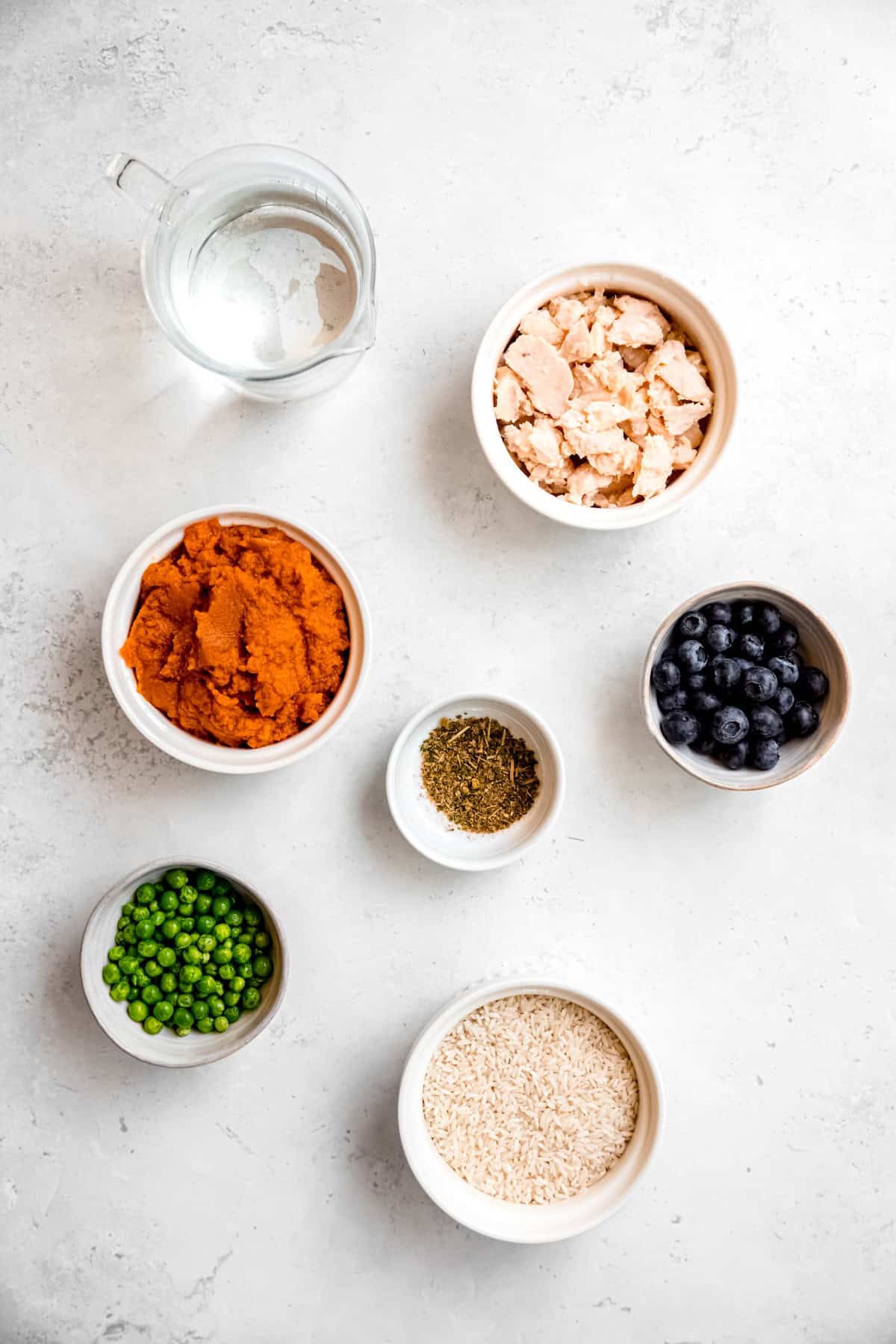
Chicken And Rice Bowl
Chicken and rice is a classic dog food recipe. It’s gentle on the stomach and packed with protein.
- Boil chicken breasts until fully cooked.
- Cook rice separately until soft.
- Mix chicken and rice in a bowl and let it cool.
Beef And Vegetable Stew
This stew offers a hearty meal with beef and vegetables. It provides vitamins and minerals for your dog’s health.
| Ingredient | Preparation |
| Beef chunks | Brown in a pan |
| Carrots | Chop and boil |
| Peas | Add to stew |
Turkey And Sweet Potato Mix
Turkey and sweet potatoes create a tasty and nutritious dish. It’s perfect for dogs with sensitive stomachs.
Vegetarian Dog Food Options
For those seeking vegetarian options, this meal is full of protein and fiber. It’s a great alternative to meat-based diets.
- Cook lentils until soft.
- Chop spinach and add to lentils.
- Include quinoa for added protein.
Adjusting Recipes For Special Needs
Making homemade dog food requires changes to fit your dog’s unique needs. Different life stages and health issues need special attention. Adjusting recipes helps keep your dog healthy and happy.
Below are tips for tailoring dog food recipes for puppies, senior dogs, dogs with allergies, and weight management.
Puppies And Growing Dogs
Puppies need food rich in protein and fat to support growth. Include ingredients with essential vitamins and minerals. Avoid too much calcium as it can harm bone development.
- Use lean meats like chicken or turkey for protein
- Add cooked eggs for extra nutrients
- Include healthy fats like fish oil or flaxseed oil
- Mix in vegetables like carrots and peas for vitamins
- Feed smaller, frequent meals throughout the day
Senior Dogs
Older dogs need lower calories but higher fiber to keep digestion smooth. Protein should be moderate to protect muscles. Adding supplements like glucosamine helps joint health.
| Nutrient | Purpose |
| Moderate Protein | Maintain muscle mass |
| Higher Fiber | Improve digestion |
| Glucosamine | Support joints |
| Omega-3 Fatty Acids | Reduce inflammation |
| Low Fat | Control weight |
Dogs With Allergies
Allergic dogs need simple recipes with limited ingredients. Avoid common allergens like beef, dairy, and wheat. Use novel protein sources and single grains to reduce reactions.
- Try duck, rabbit, or venison as protein
- Use rice or sweet potatoes as carbohydrate
- Exclude dairy and soy products
- Introduce new foods slowly to spot allergies
- Consult your vet for allergy testing
Weight Management
For overweight dogs, lower calorie and fat content is key. Focus on high protein and fiber to keep your dog full. Avoid treats and table scraps that add empty calories.
| Ingredient | Reason |
|---|---|
| Lean chicken breast | High protein, low fat |
| Green beans | Low calorie, high fiber |
| Brown rice | Good energy source |
| Carrots | Low calorie, vitamins |
| Fish oil | Healthy fat for coat |
Monitoring Your Dog’s Health
Making nutritional dog food is important for your pet’s health. It’s crucial to monitor how your dog reacts to the food you provide. This helps ensure they get all the nutrients they need.
Regular checks can prevent health issues. Observing your dog closely helps in identifying any changes that might signal problems.
Signs Of Nutritional Deficiencies
Look for changes in your dog’s coat or skin. Dull fur or flaky skin can mean a lack of nutrients. Pay attention to their energy levels too.
Other signs include poor appetite and digestive issues. If your dog is eating less or having stomach problems, it might be a deficiency.
- Loss of fur
- Itchy skin
- Weight loss
- Frequent diarrhea
Tracking Weight And Energy Levels
Keep an eye on your dog’s weight. Sudden weight changes could be a sign of health issues. Regularly weigh your dog and note any changes.
Energy levels are also important. A dog that seems tired might not be getting enough nutrients. Active dogs need more energy, so adjust their diet as needed.
| Weight Check | Energy Level |
| Weekly | Observe daily |
| Record changes | Note any fatigue |
When To Consult A Veterinarian
If you see signs of nutritional issues, talk to your vet. They can run tests and give advice. It’s best to catch problems early.
Consult your vet if your dog is not improving with diet changes. Persistent symptoms might need professional help.
- Continuous weight loss
- Severe fatigue
- Chronic digestive problems
- Skin infections
Credit: confessionsofagroceryaddict.com
Frequently Asked Questions
What Ingredients Are Essential For Homemade Dog Food?
Essential ingredients include lean proteins, vegetables, grains, and healthy fats. Proteins provide muscle support, veggies add vitamins, grains offer energy, and fats promote coat health. Balance these components to meet your dog’s nutritional needs effectively.
How Do I Ensure Balanced Nutrition In Dog Food?
Use a mix of proteins, carbohydrates, fats, vitamins, and minerals. Consult a vet or canine nutritionist for precise ratios. Proper balance supports overall health, energy, and immune function in dogs.
Can I Use Human Food To Make Dog Meals?
Yes, many human foods like chicken, carrots, and rice are safe. Avoid toxic items like onions, garlic, chocolate, and grapes. Always prepare food without seasoning or harmful additives.
How Often Should I Feed My Dog Homemade Food?
Feed homemade meals twice daily for adult dogs, adjusting portions by size and activity. Puppies may need three to four small meals daily. Consistency helps maintain digestion and energy levels.
Conclusion
Making nutritional dog food at home ensures your pet stays healthy. You control the ingredients and avoid harmful additives. Fresh, balanced meals support your dog’s energy and growth. Remember to include proteins, vegetables, and grains in right amounts. Always check with a vet to meet your dog’s needs.
Homemade food can be simple and cost-effective too. Your dog will enjoy tasty, wholesome meals every day. Give your furry friend the nutrition they deserve. Healthy eating starts with you.

Emily Barker is the founder of ChillDogLife.com, a space dedicated to helping pup parents discover the best dog products, lifestyle tips, and cozy ideas for happier homes.
A lifelong dog lover, Emily combines her passion for pets with a knack for research to share trusted recommendations on everything from toys and furniture to health and everyday care.
Her goal is simple: to make life easier, stylish, and more joyful for dogs and the people who love them.




