Are you unsure if your dog is getting the right nutrition? Knowing how to calculate the best nutrition for your dog can make a huge difference in their health and happiness.
The right balance of proteins, fats, and vitamins keeps your furry friend full of energy and strong. But with so many food options and advice out there, it’s easy to feel overwhelmed. This guide will break down everything you need to know in simple steps.
By the end, you’ll feel confident in choosing the perfect diet tailored just for your dog’s needs. Keep reading to unlock the secrets to a healthier, happier pup!

Credit: www.omnicalculator.com
Essential Nutrients For Dogs
Dogs need a balanced diet to stay healthy and active. Essential nutrients help their bodies grow, repair, and function well. Knowing these nutrients helps you feed your dog the right food.
Each nutrient plays a special role. Some provide energy, while others support the immune system or build strong muscles. Let’s explore the main nutrients dogs need.
Proteins And Amino Acids
Proteins are vital for building muscles and repairing tissues. Dogs require amino acids, the building blocks of protein, to stay healthy. Some amino acids must come from the diet because dogs cannot make them.
- Supports muscle growth and repair
- Provides essential amino acids like lysine and methionine
- Helps produce enzymes and hormones
Fats And Fatty Acids
Fats give dogs energy and help absorb vitamins. They also keep the skin and coat healthy. Essential fatty acids like omega-3 and omega-6 must come from food.
| Fat Type | Function | Sources |
| Omega-3 | Reduces inflammation, supports brain health | Fish oil, flaxseed |
| Omega-6 | Supports skin and coat | Chicken fat, vegetable oils |
| Saturated Fat | Energy source | Animal fats |
Carbohydrates And Fiber
Carbohydrates provide energy and support digestion. Fiber helps keep the digestive system working well. Both are important but should be balanced in the diet.
- Carbohydrates supply quick energy
- Fiber aids in healthy bowel movements
- Whole grains and vegetables are good sources
Vitamins And Minerals
Vitamins and minerals help many body functions. They support the immune system, bone strength, and blood health. Dogs need a variety of these nutrients every day.
| Vitamin/Mineral | Role | Food Sources |
|---|---|---|
| Calcium | Builds strong bones and teeth | Dairy, bones, fish |
| Vitamin A | Supports vision and skin health | Carrots, liver |
| Iron | Helps carry oxygen in the blood | Meat, liver |
| Vitamin D | Helps absorb calcium | Sunlight, fish oil |
Factors Affecting Dog Nutrition
Choosing the best nutrition for your dog depends on many factors. Each dog has unique needs that affect its diet.
Understanding these factors helps you feed your dog properly for better health and happiness.
Age And Life Stage
Dogs need different nutrients at each life stage. Puppies, adults, and seniors have different requirements.
Puppies need more calories and protein to grow. Adult dogs need balanced nutrition to maintain weight. Older dogs may need fewer calories and more fiber.
- Puppies: High protein and fat for growth
- Adults: Balanced nutrients for maintenance
- Seniors: Lower calories, more fiber
Breed And Size
Size and breed affect how much and what type of food your dog needs. Large breeds grow slower and need special nutrients.
Small breeds have faster metabolisms and need more calories per pound. Some breeds have unique needs due to their health risks.
- Small breeds: Higher calorie needs per pound
- Large breeds: Support joint health and slow growth
- Breed-specific diets may help prevent diseases
Activity Level
Active dogs burn more calories and need more energy in their diet. Less active dogs need fewer calories to avoid weight gain.
Working dogs, athletes, or very playful pets require food with more protein and fat for energy and muscle repair.
- High activity: More calories, protein, and fat
- Low activity: Fewer calories to prevent obesity
- Moderate activity: Balanced diet to maintain energy
Health Conditions
Some dogs have health problems that change their nutritional needs. Conditions like allergies, kidney disease, or obesity require special diets.
Veterinarians can recommend foods or supplements that help manage these health issues and improve quality of life.
- Allergies: Hypoallergenic or limited ingredient diets
- Kidney disease: Lower protein and phosphorus
- Obesity: Reduced calories and fat
Calculating Caloric Needs
Knowing how many calories your dog needs helps keep them healthy. Dogs need the right amount of energy daily.
Caloric needs depend on your dog’s size, age, and activity level. Calculating this helps you feed them properly.
Resting Energy Requirement
The Resting Energy Requirement (RER) is the energy your dog needs at rest. It covers basic body functions like breathing and heartbeat.
You can find RER with this formula: 70 × (body weight in kg)0.75. This gives calories per day.
- Example: A 10 kg dog’s RER = 70 × 100.75≈ 394 calories/day
- Use this as a base for daily calorie needs
Maintenance Energy Requirement
Maintenance Energy Requirement (MER) is the calories your dog needs daily for normal activity. It is higher than RER.
MER is calculated by multiplying RER by a factor based on your dog’s life stage and condition.
| Dog Condition | MER Factor |
|---|---|
| Neutered adult | 1.6 |
| Intact adult | 1.8 |
| Inactive or obese-prone | 1.4 |
| Weight loss | 1.0 |
| Growth (puppy) | 2.0 to 3.0 |
Multiply your dog’s RER by the factor to get daily calories needed for maintenance.
Adjusting For Activity And Health
Dogs with higher activity or special health needs need more or fewer calories. Adjust MER accordingly.
- Active dogs need 2 to 5 times their RER calories
- Sick or older dogs may need fewer calories
- Pregnant or nursing dogs need extra energy
- Consult your vet to fine-tune calorie needs
Tracking your dog’s weight and condition helps adjust their food amounts well over time.

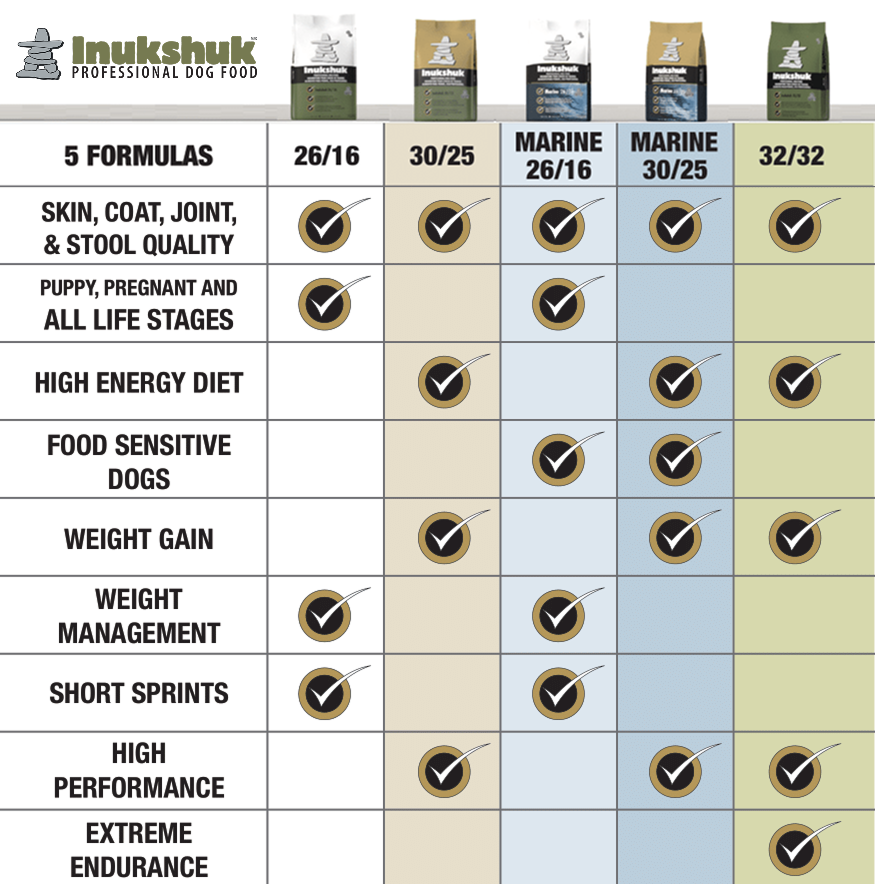
Credit: truthaboutpetfood.com
Choosing The Right Food
Choosing the right food is key to your dog’s health. Good nutrition helps your dog stay active and happy.
Dogs have different needs based on age, size, and health. Picking the right food supports their well-being.
Commercial Vs Homemade Diets
Commercial dog food is made in factories and follows strict nutrition rules. It is easy to buy and store.
Homemade diets let you control ingredients. You can customize food to your dog’s needs but must balance nutrients carefully.
- Commercial food is convenient and tested for safety
- Homemade food needs careful planning to avoid nutrient gaps
- Consult a vet before switching to homemade diets
Reading Pet Food Labels
Pet food labels show important information. They tell you what ingredients and nutrients are in the food.
Look for guaranteed analysis and ingredient lists. These help you compare products and choose the best for your dog.
- Check protein, fat, fiber, and moisture levels
- Look for named meat sources like chicken or beef
- Avoid foods with too many fillers or artificial additives
Balancing Macronutrients
Macronutrients are protein, fat, and carbohydrates. Dogs need the right balance for energy and health.
Protein builds muscles, fat provides energy, and carbs supply fiber. Too much or too little can cause problems.
| Macronutrient | Role | Good Sources |
|---|---|---|
| Protein | Builds and repairs tissues | Meat, fish, eggs |
| Fat | Energy and healthy skin | Animal fats, fish oil |
| Carbohydrates | Fiber and energy | Rice, sweet potatoes, vegetables |
Portion Control And Feeding Schedule
Feeding your dog the right amount is crucial for their health. A balanced diet helps maintain their weight and energy levels.
Understanding how much and when to feed your dog can improve their well-being. Portion control and a good feeding schedule are key.
Determining Meal Sizes
Meal sizes depend on your dog’s age, size, and activity level. Puppies need more food per pound than adult dogs.
Use a feeding chart or talk to your vet. This helps you find the right portion size for your dog.
- Small dogs may need 1/2 to 1 cup of food daily
- Medium dogs might require 2 cups daily
- Large dogs often need 3 cups or more daily
Frequency Of Feeding
The number of meals depends on your dog’s age. Puppies need to eat more often than adult dogs.
Adult dogs usually do well with two meals a day. Puppies may need three or more meals daily.
- Puppies: 3-4 meals per day
- Adults: 2 meals per day
- Seniors: 1-2 meals per day
Monitoring Weight And Adjustments
Check your dog’s weight regularly. This helps you know if you need to change their diet.
If your dog gains or loses weight, adjust their meal sizes. Always consult with your vet for guidance.
- Weigh your dog monthly
- Adjust portions if weight changes
- Consult your vet for diet advice
Credit: pupford.com
Supplements And Additives
Supplements and additives can help fill nutrition gaps in your dog’s diet. They provide extra vitamins, minerals, and nutrients that food alone may not supply.
Using the right supplements supports your dog’s health, but giving too much can cause problems. Learn when and how to use them safely.
When To Use Supplements
Supplements are useful if your dog has a health issue or special needs. Some common reasons include poor appetite, illness, or aging. They can also help if your dog has a limited diet.
- If your dog is pregnant or nursing
- When your dog has joint problems
- If your dog shows signs of vitamin deficiency
- During recovery from surgery or illness
- For older dogs with weaker immune systems
Common Supplements For Dogs
Many supplements support dog health. Some add nutrients, while others help with specific conditions. Always ask a vet before starting any new supplement.
| Supplement | Benefit |
| Fish Oil | Supports skin and coat health |
| Glucosamine | Helps joint function and mobility |
| Probiotics | Improves digestion and gut health |
| Multivitamins | Fills general nutrient gaps |
| Calcium | Strengthens bones and teeth |
Risks Of Over-supplementing
Too many supplements can harm your dog. Over-supplementing may cause digestion issues, toxicity, or interfere with other medicines.
- Upset stomach and diarrhea
- Kidney or liver damage
- Vitamin toxicity, such as vitamin A or D
- Allergic reactions
- Interactions with prescription drugs
Signs Of Nutritional Deficiency
Ensuring your dog gets the right nutrition is crucial for their health. Sometimes, dogs may not get all the nutrients they need. This can lead to nutritional deficiencies.
Recognizing the signs early can help you take action to improve your dog’s diet. Here are some symptoms to watch for.
Physical Symptoms
Nutritional deficiencies can show up as changes in your dog’s body. These physical symptoms are often the first signs.
- Dull or brittle coat
- Weight loss or gain
- Skin irritations or infections
- Weakness or lethargy
- Frequent diarrhea or vomiting
Behavioral Changes
Deficiencies might also affect how your dog behaves. Look for changes in their usual habits or mood.
- Increased aggression or anxiety
- Loss of interest in play
- Excessive barking or whining
- Restlessness or difficulty sleeping
- Increased thirst or hunger
When To Consult A Vet
If you notice these signs, it’s important to consult a vet. They can help determine the cause and suggest a proper diet plan.
Early intervention can prevent more serious health issues. A vet can guide you in choosing the best nutrition for your dog.
Tracking And Adjusting Nutrition Over Time
Feeding your dog the right nutrition is a process that changes over time. Tracking their health helps you see what works best.
Adjusting the diet as your dog grows or changes keeps them healthy and happy for years.
Regular Health Assessments
Check your dog’s weight, coat, and energy often. These signs show if the diet meets their needs.
- Weigh your dog monthly to spot changes
- Look for a shiny, soft coat as a health sign
- Watch your dog’s activity level and mood
- Note any digestive issues like vomiting or diarrhea
- Schedule regular vet visits for professional advice
Adapting Diet To Life Changes
Life changes affect your dog’s nutrition needs. Adjust feeding as they grow or their health shifts.
| Life Stage | Nutrition Change Needed |
| Puppy | More calories and protein for growth |
| Adult | Balanced diet for maintenance |
| Senior | Lower calories, added joint support |
| Pregnant or Nursing | Higher energy and nutrients |
| Weight Loss | Reduced calories, more fiber |
Using Technology For Monitoring
Use apps and devices to track your dog’s diet and health easily. Technology helps spot problems early.
Popular tools include:
- Pet health apps to log meals and weight
- Smart collars to monitor activity and sleep
- Online calculators for daily calorie needs
Frequently Asked Questions
How Do I Calculate My Dog’s Daily Calorie Needs?
Calculate your dog’s daily calories by considering weight, age, activity, and metabolism. Use a formula or online calculator for accuracy. Adjust portions based on weight changes or health conditions to maintain optimal energy levels and weight.
What Nutrients Are Essential In A Dog’s Diet?
Dogs need protein, fats, carbohydrates, vitamins, and minerals. Protein supports muscles, fats provide energy, and carbs offer fiber. Balanced nutrients ensure overall health, growth, and immune support for your dog.
How To Adjust Nutrition For A Dog’s Age And Size?
Puppies need more protein and calories for growth. Adult dogs require maintenance nutrition, while seniors benefit from lower calories and joint support. Small breeds have higher metabolisms, needing nutrient-dense food compared to larger breeds.
Can Homemade Dog Food Meet Nutritional Needs?
Homemade dog food can be nutritious if balanced with proteins, carbs, fats, and supplements. Consult a vet or pet nutritionist to ensure it meets all dietary requirements and avoid deficiencies or excesses.
Conclusion
Feeding your dog the right nutrition keeps them healthy and happy. Use simple steps to find the best food amount and type. Watch your dog’s weight, age, and activity level closely. Adjust meals as your dog grows or changes habits.
Always choose quality ingredients that support their needs. Regular vet visits help ensure your dog stays fit. Good nutrition means a longer, better life for your pet. Keep learning and caring to give your dog the best.

Emily Barker is the founder of ChillDogLife.com, a space dedicated to helping pup parents discover the best dog products, lifestyle tips, and cozy ideas for happier homes.
A lifelong dog lover, Emily combines her passion for pets with a knack for research to share trusted recommendations on everything from toys and furniture to health and everyday care.
Her goal is simple: to make life easier, stylish, and more joyful for dogs and the people who love them.




