
Choosing the right food for your dog can feel overwhelming. You stand in the pet store aisle, staring at countless bags and cans, all claiming to be the best.
But how do you really know what’s inside? Reading a dog food nutrition label is the key to making smart choices for your furry friend’s health. You’ll learn exactly how to decode those labels, so you can pick the food that gives your dog the energy, nutrition, and happiness they deserve.
Keep reading to become a confident, informed pet owner who knows exactly what’s going into your dog’s bowl.
Key Label Sections
Reading a dog food label helps you choose the right food for your pet. Labels show important details about the food’s contents and nutrition.
Understanding each section can guide you to better feeding decisions for your dog’s health and well-being.
Ingredients List
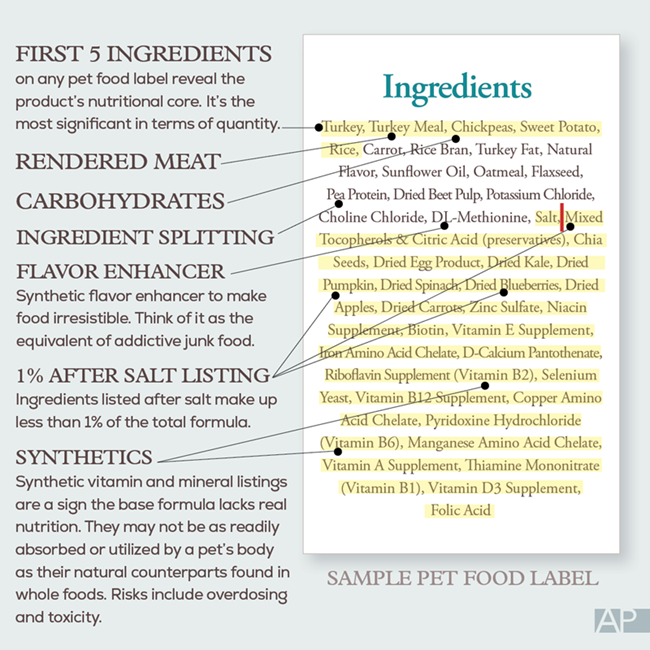
The ingredients list shows all the components in the dog food. They are listed from the most to the least by weight.
- Look for whole foods like meat, vegetables, and grains.
- Avoid foods with too many fillers like corn or by-products.
- Check for any ingredients your dog may be allergic to.
Guaranteed Analysis
This section lists the minimum and maximum nutrient levels in the food. These include protein, fat, fiber, and moisture.
| Nutrient | Minimum % | Maximum % |
| Crude Protein | 18% | – |
| Crude Fat | 8% | – |
| Crude Fiber | – | 5% |
| Moisture | – | 10% |
Nutritional Adequacy Statement
This statement tells if the food meets the dog’s life stage needs. It is approved by a pet food authority or tested by feeding trials.
Feeding Guidelines
The feeding guidelines give recommended food amounts based on your dog’s weight. Use these as a starting point and adjust as needed.
- Check your dog’s weight and activity level.
- Feed the suggested daily amount in one or more meals.
- Watch your dog’s weight and health for adjustments.

Credit: animeal.in
Interpreting Ingredients
Reading dog food labels helps you understand what your pet eats. Ingredients show what makes up the food.
Knowing how to interpret these ingredients helps you pick the best food for your dog’s health.
Order Of Ingredients
Ingredients list shows items from the largest to the smallest amount by weight. The first ingredient is the main part of the food.
Look for quality proteins like chicken or beef at the top. Avoid foods with too many fillers like corn or wheat listed first.
Common Additives
Additives keep the food fresh and tasty. Some help with nutrition or preserve the food longer.
| Additive | Purpose | Example |
|---|---|---|
| Preservatives | Prevent spoilage | Mixed tocopherols (Vitamin E) |
| Vitamins | Support health | Vitamin A, Vitamin D |
| Minerals | Balance diet | Calcium, Zinc |
| Flavor enhancers | Improve taste | Natural flavors |
Identifying Allergens
Some dogs have allergies to certain foods. Common allergens appear in ingredient lists.
- Beef
- Dairy
- Wheat
- Chicken
- Soy
- Eggs
If your dog shows signs of allergy, check if these ingredients are in the food. Choose products without those allergens.
Understanding Nutrient Values
Reading a dog food label helps you know what your pet eats. Nutrient values tell you if the food is healthy.
Each nutrient plays a key role in your dog’s health. Learn what protein, fat, fiber, moisture, vitamins, and minerals mean.
Protein And Fat Content
Protein builds muscles and keeps your dog strong. Fat gives energy and helps absorb vitamins. Check the percentages on the label.
- Look for protein sources like chicken, beef, or fish.
- Fat content should be balanced, not too high or low.
- Higher protein suits active dogs or puppies.
- Fat helps keep skin and coat healthy.
Fiber And Moisture Levels
Fiber aids digestion and keeps your dog’s tummy happy. Moisture shows how much water is in the food. Dry food has low moisture; wet food has more.
| Nutrient | Typical Range | Importance |
| Fiber | 2% – 5% | Supports digestion |
| Moisture | 10% – 12% (dry food) 70% – 85% (wet food) | Keeps food fresh and hydrated |
Vitamins And Minerals
Vitamins and minerals keep your dog’s body working well. They help the immune system, bones, and energy levels. These are often listed in small amounts.
- Vitamin A helps eyesight and skin.
- Calcium and phosphorus build strong bones.
- Vitamin E works as an antioxidant.
- Zinc supports healthy skin and coat.
Assessing Quality Indicators
Reading a dog food label helps you find healthy options. Look for signs that show the food’s quality. These signs tell you about the ingredients and safety standards.
Focus on three main areas: natural vs. artificial ingredients, organic and non-GMO claims, and AAFCO compliance. Each area gives clues about the food’s value for your dog.
Natural Vs. Artificial Ingredients
Natural ingredients come from plants or animals and have little to no processing. Artificial ingredients are made in labs and may include colors, flavors, or preservatives.
- Natural ingredients are easier for dogs to digest.
- Artificial colors and flavors can cause allergies or upset stomachs.
- Look for terms like “natural chicken” or “real beef” on the label.
- Avoid foods with long lists of chemical names.
Organic And Non-gmo Claims
Organic dog food uses ingredients grown without pesticides or synthetic fertilizers. Non-GMO means the food does not have genetically modified organisms.
| Claim | What It Means | Why It Matters |
| Organic | Grown without chemicals | Lower risk of toxins |
| Non-GMO | No genetic changes | Natural nutrient profile |
| Neither claim | May contain GMOs or chemicals | Possible health risks |
Aafco Compliance
AAFCO sets rules for pet food nutrition. A label with AAFCO compliance means the food meets basic nutrient standards. Look for a statement like “meets AAFCO nutrient profiles.”
- Check if the food is “complete and balanced.”
- Look for life stage suitability, such as puppy, adult, or senior.
- Make sure the label names AAFCO as the standard source.
- AAFCO compliance helps ensure your dog gets needed nutrients.
Tailoring Choices To Your Dog
Reading a dog food label helps you pick the best food for your dog. Each dog has unique needs. Knowing these needs makes feeding easier and healthier.
Look closely at the nutrition label to match the food with your dog’s specific requirements. This guide covers key points to consider.
Age And Life Stage Needs
Puppies, adults, and senior dogs have different nutrition needs. The label shows if the food fits your dog’s life stage.
- Puppies need more protein and calories for growth.
- Adult dogs need balanced nutrition to maintain health.
- Senior dogs may need fewer calories but more joint support.
Breed-specific Considerations
Different breeds have unique size and energy needs. Small breeds may need more calorie-dense food. Large breeds often need food that supports bone health.
| Breed Size | Common Needs |
| Small Breeds | More calories per pound, small kibble |
| Medium Breeds | Balanced energy and nutrients |
| Large Breeds | Joint support, lower calorie density |
Health Conditions And Sensitivities
Dogs with allergies or health issues need special diets. The label lists ingredients and nutrients to watch for.
Check these points on the label for sensitive dogs:
- Look for limited ingredient formulas if allergies occur.
- Avoid foods with common allergens like corn or soy.
- Choose diets with added vitamins or supplements for health issues.
- Consult your vet before changing food for medical reasons.
Credit: cavalierhealth.org
Common Label Misconceptions
Reading a dog food nutrition label can be confusing. Labels often have terms that sound healthy but may not be.
Understanding these terms is key to making the best choice for your pet. Let’s explore these misconceptions.
Marketing Terms Explained
Dog food labels use terms to attract buyers. These often seem meaningful but can be misleading.
- “Natural” does not mean organic or healthy.
- “Premium” has no legal definition.
- “Holistic” is just a marketing term.
Misleading Claims To Watch
Some claims on dog food labels can mislead. It is important to know which ones to watch out for.
| Claim | What to Check |
| Grain-Free | Check for alternative fillers |
| All-Natural | Look for artificial additives |
| Vet Recommended | Verify with your own vet |
How To Verify Label Accuracy
It’s crucial to verify the accuracy of a dog food label. This ensures your pet gets the nutrition it needs.
- Read the ingredient list carefully.
- Look for AAFCO nutritional adequacy statement.
- Research unfamiliar ingredients online.

Credit: www.thehungrypaws.com
Frequently Asked Questions
What Key Nutrients Should I Look For On Dog Food Labels?
Look for protein, fat, fiber, and moisture content on the label. These nutrients indicate the food’s quality and balance. Protein supports muscle health, fat provides energy, and fiber aids digestion. Always check for essential vitamins and minerals to ensure complete nutrition.
How Do I Understand Ingredient Lists On Dog Food Labels?
Ingredients are listed by weight, from highest to lowest. The first few ingredients are the most important. Look for named meat sources like “chicken” or “beef. ” Avoid vague terms like “meat meal” or “by-products. ” Quality ingredients mean better nutrition for your dog.
What Does “guaranteed Analysis” Mean On Dog Food Packaging?
Guaranteed Analysis shows minimum or maximum nutrient levels in the food. It lists protein, fat, fiber, and moisture percentages. This helps you compare different dog foods. It ensures the product meets nutritional standards set for your pet’s health.
How Can I Tell If Dog Food Suits My Pet’s Age?
Labels often specify if food is for puppies, adults, or seniors. These formulas have nutrient levels tailored to each life stage. Feeding age-appropriate food supports growth, energy, and longevity. Always choose food matching your dog’s current life stage.
Conclusion
Reading a dog food label helps you choose the best for your pet. Check ingredients and nutrients carefully. Focus on protein, fat, fiber, and calories. Remember, quality matters more than fancy words. Understanding labels keeps your dog healthy and happy.
Take your time to read each part. Small steps make a big difference in pet care. Your dog deserves good nutrition every day. Keep learning and improving your choices. Feeding right shows how much you care. Simple, clear labels guide you well.

Emily Barker is the founder of ChillDogLife.com, a space dedicated to helping pup parents discover the best dog products, lifestyle tips, and cozy ideas for happier homes.
A lifelong dog lover, Emily combines her passion for pets with a knack for research to share trusted recommendations on everything from toys and furniture to health and everyday care.
Her goal is simple: to make life easier, stylish, and more joyful for dogs and the people who love them.




