Have you ever wondered if your dog’s water bowl could be a hidden source of tapeworms? If you’re worried about your furry friend’s health, this question matters more than you might think.
Tapeworms are common parasites that can affect dogs, and understanding how they spread is key to keeping your pet safe. You’ll discover whether your dog’s water bowl plays a role in spreading tapeworms—and what simple steps you can take to protect your dog and your home.
Keep reading to learn the facts that every dog owner needs to know.

Credit: dragonflyproducts.co.uk
Tapeworm Basics
Understanding tapeworms is key to protecting your dog and your home. These parasites can seem mysterious, but knowing the basics helps you spot the signs early and take action. Let’s break down what tapeworms are and how they affect your furry friend.
Types Affecting Dogs
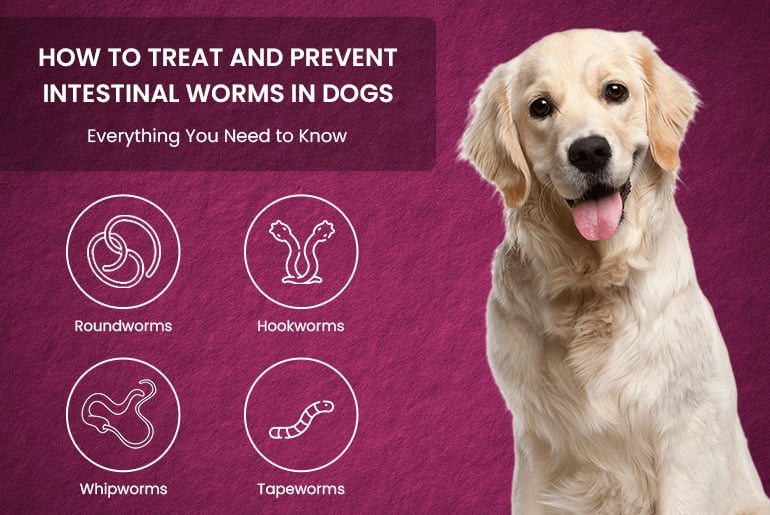
Several tapeworm species can infect dogs, but the most common ones include:
- Dipylidium caninum:This is the most frequent tapeworm found in dogs, often spread by fleas.
- Taenia species:These tapeworms usually come from eating rodents or raw meat.
- Echinococcus species:Less common but more dangerous, these can cause serious health issues in dogs and humans.
Knowing which type affects your dog helps in choosing the right treatment and prevention method.
Life Cycle Overview
Tapeworms have a unique life cycle involving intermediate hosts. For example, fleas or small animals carry tapeworm larvae, which your dog can ingest while grooming or hunting.
Once inside your dog’s intestines, the larvae develop into adult tapeworms. These adults attach themselves to the intestinal wall and release segments full of eggs, which exit the dog’s body through feces.
Here’s a simple look at the cycle:
| Stage | Description |
|---|---|
| Eggs | Passed in dog’s feces, contaminate environment |
| Larvae | Ingested by fleas or small animals, develop inside them |
| Infection | Dog swallows infected flea or animal, larvae mature into adults |
| Adult Tapeworms | Attach to dog’s intestines, produce eggs to restart cycle |
Have you ever noticed small, rice-like segments near your dog’s rear? Those could be tapeworm segments, signaling an infection. Recognizing this early can save your dog discomfort and prevent spreading.
How Dogs Contract Tapeworms
Dogs usually get tapeworms by swallowing fleas carrying tapeworm eggs. Sharing a water bowl rarely spreads tapeworms unless contaminated with flea dirt. Clean water bowls regularly to keep dogs safe from infections.
Understanding how dogs contract tapeworms is essential for any pet owner. Tapeworm infections can be quite unsettling, but knowing the pathways of transmission can help you keep your furry friend safe. Let’s dive into the common ways dogs can pick up these unwelcome parasites.Role Of Fleas
Fleas play a pivotal role in the transmission of tapeworms. When a dog ingests a flea infected with tapeworm larvae, the cycle begins. Fleas often hitch a ride on your dog during walks or playtime, making it crucial to maintain a regular flea prevention routine. Have you ever noticed your dog scratching more than usual? This could be a sign of fleas, and ignoring it can lead to tapeworms. Regularly checking and grooming your dog can help prevent flea infestations, thereby reducing the risk of tapeworm transmission.Ingestion Of Contaminated Items
Dogs are naturally curious and tend to explore the world through their mouths. This behavior sometimes leads them to ingest contaminated items, such as raw meat or animal feces, which can harbor tapeworm eggs. Keep an eye on what your dog is munching on during walks or at the park. You might be surprised to learn that scavenging behavior can put your dog at risk. Simple actions like keeping your trash secure and supervising your dog's outdoor activities can greatly reduce the chances of them ingesting something contaminated. Have you ever wondered why your dog is so interested in the trash can or the neighbor’s yard? This curiosity, while natural, can lead to unintentional ingestion of tapeworm eggs. By being vigilant and proactive, you can keep your dog safe from these pesky parasites.Water Bowl As A Transmission Source
Your dog’s water bowl might seem like a simple, harmless spot for hydration. But it can also act as a hidden gateway for parasites like tapeworms. Understanding how this happens helps you keep your furry friend safe and healthy.
Possibility Of Contamination
Tapeworm eggs or segments can end up in your dog’s water bowl if your pet licks or drools after grooming or scratching areas where tapeworms are present.
Contaminated saliva or tiny fecal particles may transfer these eggs into the water. This means the water bowl is not just a source of water, but potentially a source of infection.
Have you ever noticed your dog shaking their head or scratching near their rear before drinking? This habit could increase contamination risk.
Conditions For Spread
For the tapeworm to spread via the water bowl, eggs must survive long enough in the water to be ingested again. Moist and cool conditions can help eggs remain viable.
Dirty water bowls that are not cleaned regularly provide an ideal environment for eggs to thrive. Warm, stagnant water increases the risk further.
To reduce chances of transmission, clean and refill your dog’s water bowl daily. Using fresh water limits parasite survival and protects your pet’s health.
Symptoms Of Tapeworm Infection
Tapeworm infection in dogs can be tricky to spot at first. The symptoms may be mild or easily confused with other issues. Recognizing signs early helps protect your dog’s health and prevents spreading the parasite to others.
Common Signs In Dogs
- Small white segments around the anus or in stool
- Frequent licking or biting of the rear area
- Weight loss despite normal eating habits
- Increased appetite with no weight gain
- Visible worms in vomit or feces
- Occasional scooting or rubbing on the ground
- Dry coat or mild digestive upset
When To See A Vet
Visit a vet if you notice any signs of tapeworm infection. Early treatment stops the parasite from growing and spreading. Your vet can confirm the infection with tests and prescribe safe medication.
Prompt care prevents serious health problems. It also helps keep your home and other pets safe.
Preventing Tapeworm Spread Via Water Bowls
Preventing the spread of tapeworms through your dog’s water bowl is important for your pet’s health. Tapeworms can pass through fleas, and contaminated water bowls can become a source of infection. Keeping the water bowl clean and controlling fleas helps stop tapeworm transmission.
Cleaning Practices
Wash your dog’s water bowl daily using hot water and soap. Rinse it well to remove any soap residue. Use a brush to scrub hard-to-reach spots. Avoid sharing water bowls between pets to reduce the risk. Replace old or cracked bowls where bacteria and parasites can hide.
Flea Control Measures
Fleas carry tapeworm eggs and spread infection to dogs. Use flea prevention products recommended by your vet. Regularly check your dog for fleas, especially around the neck and tail. Keep your home clean by vacuuming floors and furniture. Wash pet bedding often in hot water to kill fleas and eggs.
:strip_icc()/spruce-pets-are-worms-in-dogs-contagious-b42a3e8c09154f7d9ca879a07ce24ae0.png)
Credit: www.thesprucepets.com
Treatment Options For Tapeworms
Dealing with tapeworms in your dog can feel overwhelming, but effective treatment options are available that clear the infection quickly. Understanding these options helps you act confidently and protect your pet’s health. Let’s look at how medications and home care work together to get your dog back to feeling great.
Medications Available
Several medications can eliminate tapeworms from your dog’s system. Commonly prescribed drugs include praziquantel and epsiprantel, which target the tapeworms directly and cause them to dissolve or pass out of the body.
These medications often come as tablets or injections and usually work after just one dose. Your vet will decide the best treatment based on your dog’s size, age, and overall health.
Have you noticed small rice-like segments around your dog’s tail or in their stool? This is a clear sign your vet should examine promptly to prescribe the right medication.
Home Care Tips
Treatment doesn’t end with medication. Keeping your dog’s environment clean is crucial to stop tapeworms from coming back. Wash your dog’s bedding, toys, and food bowls regularly with hot water and pet-safe cleaners.
Flea control is also a key part of home care since fleas often spread tapeworms. Use vet-recommended flea prevention products consistently to protect your dog.
- Clean water bowls daily to avoid contamination.
- Vacuum your home frequently to remove flea eggs and larvae.
- Dispose of your dog’s feces promptly to prevent reinfection.
Are you maintaining a clean space for your dog that reduces parasite risks? Small changes in daily habits can make a big difference in preventing tapeworms.
Risks To Humans And Other Pets
Tapeworms can pose risks beyond just your dog. They may affect other pets and even humans. Understanding these risks helps keep everyone safe. Water bowls shared by pets might carry tapeworm eggs. This can spread infection silently.
Zoonotic Potential
Tapeworms have the ability to infect humans. Children and people with weak immune systems face higher risk. Infection happens through accidental swallowing of eggs. Contaminated water bowls or surfaces can harbor these eggs. Pets can pass the eggs in their feces, contaminating the environment. Humans rarely get tapeworms directly from dogs but contact with contaminated items increases risk.
Precautionary Steps
- Clean water bowls daily with hot water and soap.
- Provide separate water bowls for each pet.
- Dispose of pet feces promptly and hygienically.
- Regularly deworm pets as advised by a vet.
- Wash hands thoroughly after handling pets or cleaning bowls.
- Keep pets away from wild animals or rodents that carry tapeworms.

Credit: tamedogtraining.com
Frequently Asked Questions
Can Dogs Spread Tapeworms Through Water Bowls?
Yes, dogs can spread tapeworms through contaminated water bowls. Tapeworm segments or eggs may be present in saliva or feces. Sharing water bowls increases the risk of infection between pets. Regular cleaning of water bowls reduces this risk significantly.
How Do Dogs Get Tapeworms From Water Bowls?
Dogs can ingest tapeworm eggs or larvae from contaminated water bowls. These eggs often come from flea feces or infected feces in the bowl. Drinking from an unclean bowl exposes dogs to tapeworm infection. Proper hygiene is essential to prevent this.
Can Humans Get Tapeworms From Dog Water Bowls?
Humans rarely get tapeworms directly from dog water bowls. However, poor hygiene around contaminated bowls may increase risk slightly. Tapeworm transmission mainly occurs through fleas or ingestion of infected meat. Washing hands after pet contact is advised.
How Often Should I Clean My Dog’s Water Bowl?
Clean your dog’s water bowl daily to prevent tapeworm spread. Use hot water and soap to remove eggs and larvae. Regular cleaning reduces infection risks and keeps your dog healthy. Avoid sharing bowls between pets when possible.
Conclusion
Dogs can spread tapeworms through water bowls, but the risk is low. Tapeworm eggs need fleas or other hosts to develop. Clean water bowls often to keep your dog safe. Watch your dog for signs of tapeworm infection. Regular flea control helps stop tapeworm spread.
Keeping your dog healthy means a happy pet and home. Simple steps protect your dog from parasites every day. Stay aware and act quickly if you notice any symptoms. Prevention is easier than treatment. Keep water bowls clean and dry.

Emily Barker is the founder of ChillDogLife.com, a space dedicated to helping pup parents discover the best dog products, lifestyle tips, and cozy ideas for happier homes.
A lifelong dog lover, Emily combines her passion for pets with a knack for research to share trusted recommendations on everything from toys and furniture to health and everyday care.
Her goal is simple: to make life easier, stylish, and more joyful for dogs and the people who love them.




