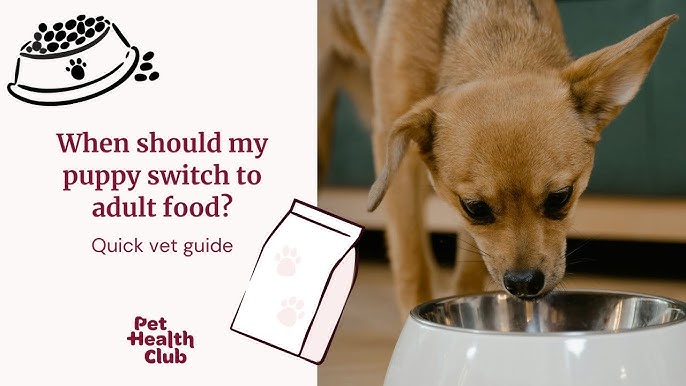
Are you wondering when the right time is to switch your furry friend to adult dog food? It’s a common question that many dog owners face.
Making this change at the perfect moment can impact your dog’s health, energy, and happiness. If you switch too early or too late, it might affect their growth or digestion. Keep reading to discover the simple signs and expert tips that will help you make the best choice for your dog’s diet.
Your pet deserves the best, and knowing when to switch is the first step.

Credit: petheavenblogs.com
When To Switch To Adult Food
Switching your dog to adult food at the right time helps keep them healthy. The timing depends on your dog’s breed size and growth rate.
Knowing the right age and signs your dog is ready makes the transition smoother. This guide explains when to switch to adult dog food.
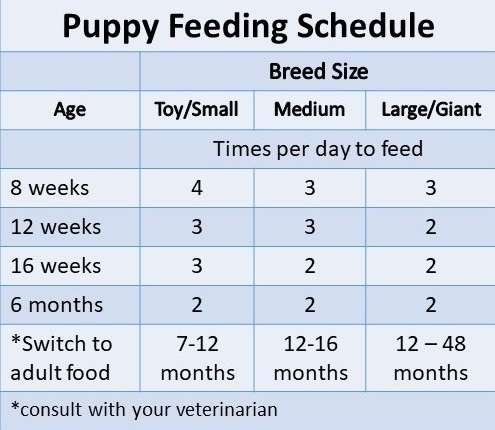
Age Guidelines By Breed Size
| Breed Size | Recommended Age to Switch |
| Small Breeds (under 20 lbs) | 9 to 12 months |
| Medium Breeds (20 to 50 lbs) | 12 months |
| Large Breeds (50 to 100 lbs) | 12 to 18 months |
| Giant Breeds (over 100 lbs) | 18 to 24 months |
Smaller dogs mature faster and need adult food earlier. Larger dogs take longer to grow and need puppy food for a longer time.
Signs Your Dog Is Ready
- Your dog’s growth rate slows down or stops.
- Your dog reaches their adult weight or size.
- The puppy teeth are replaced by adult teeth.
- Your dog’s energy levels become more stable.
- Your vet confirms your dog is fully grown.
Watch your dog closely for these signs before changing their diet. A smooth switch helps avoid stomach upset.
Nutritional Differences
Choosing the right food for your dog is important as they grow. Puppy and adult dog foods have different nutrients. These differences support their unique needs at each stage.
Knowing when to switch can help keep your dog healthy and strong. The change usually happens when your dog reaches adulthood.
Puppy Vs Adult Food Ingredients
Puppy food contains extra protein and fat. These help puppies grow fast and build muscles. It also has more calories to support their energy needs.
Adult dog food has fewer calories and fat. It focuses on maintaining weight and health. The ingredients support a mature dog’s slower metabolism.
- Puppy food has more protein and fat
- Contains DHA for brain and eye growth
- Higher calories for active puppies
- Adult food has balanced protein for maintenance
- Less fat to prevent weight gain
- Includes nutrients for joint health
Benefits Of Adult Dog Food
Adult dog food helps keep your pet fit and healthy. It matches their energy needs and supports organ health. This food also helps control weight and avoid obesity.
It provides the right vitamins and minerals for adult dogs. This helps maintain strong bones and a healthy immune system.
- Supports healthy weight and metabolism
- Promotes strong bones and joints
- Helps maintain a shiny coat
- Contains antioxidants for immune health
- Prevents excess calorie intake
Transitioning Tips
Switching your dog to adult food needs care and patience. A smooth change helps your dog adjust well.
Watch your dog closely during this time to catch any problems early. This helps keep your dog healthy.
Gradual Food Mixing
Mix the new adult food with your dog’s current food slowly. This eases the switch and avoids stomach upset.
- Start with 25% adult food and 75% puppy food for three days.
- Change to 50% adult food and 50% puppy food for the next three days.
- Use 75% adult food and 25% puppy food for three more days.
- Feed 100% adult food after this period if your dog is doing well.
Monitoring Digestive Health
Keep an eye on your dog’s digestion during the food change. Look for signs like loose stools or vomiting.
| Sign | What to Do |
| Loose stool | Slow down the transition and give more time |
| Vomiting | Stop the new food and consult a vet |
| Normal stool | Continue with the planned transition |

Credit: www.youtube.com
Special Considerations
Knowing the right time to switch your dog to adult food is important. Age is not the only factor to think about.
Some dogs need special diets based on their breed size and health. These details help you choose the best food for them.
Small Vs Large Breed Needs
Small and large breed dogs grow at different rates. This affects when they should move to adult dog food.
Small dogs often switch to adult food earlier than large dogs. Large breeds need food that supports slow, steady growth.
- Small breeds usually switch around 9 to 12 months old.
- Large breeds may switch at 12 to 18 months old.
- Large breed food has nutrients for bone and joint health.
- Small breed food is often more calorie dense for their energy needs.
Health Conditions Impacting Diet
Some dogs have health issues that change their diet needs. Talk to a vet if your dog has special health concerns.
Health problems like allergies, kidney issues, or weight problems need special food. Switching to adult food may need extra care.
- Allergies might require limited ingredient diets.
- Kidney disease needs low protein, special formulas.
- Overweight dogs need low calorie adult food.
- Digestive problems may need sensitive stomach diets.
Consulting Your Vet
Switching your dog to adult food is an important step. Your veterinarian can guide you to make the best choice. They understand your dog’s needs and health status.
Getting advice from a vet helps avoid problems. It ensures your dog gets proper nutrition at the right time.
Personalized Feeding Advice
Your vet can give feeding advice based on your dog’s age, breed, and health. They may suggest a special diet for certain conditions. This advice helps keep your dog healthy and active.
- Discuss your dog’s weight and activity level
- Ask about the best type of adult food
- Check how to transition foods slowly
- Learn the right portion sizes for your dog
- Inquire about signs of food allergies or sensitivities
When To Seek Professional Help
Some dogs may need extra care during the food switch. Your vet can spot problems early. They help you manage any health issues that come up.
| Sign | When to Contact Vet |
| Loss of appetite | After 2 days of refusing food |
| Vomiting or diarrhea | Lasts more than 24 hours |
| Weight loss | Noticeable in 1 week |
| Skin irritation or itching | After food change |
| Behavior changes | Unusual tiredness or restlessness |
Credit: www.vetsupply.com.au
Frequently Asked Questions
When Should I Switch My Puppy To Adult Dog Food?
Switch to adult dog food when your puppy reaches about 80% of their expected adult size. This usually happens between 9 to 12 months for most breeds. Large breeds may need to wait up to 18 months. Consult your vet for breed-specific guidance.
How Does Adult Dog Food Differ From Puppy Food?
Adult dog food has fewer calories and less fat than puppy food. It supports maintenance rather than growth. The nutrient balance shifts to prevent obesity and promote long-term health. Puppy food is richer to fuel rapid growth and development.
Can Switching Too Early Harm My Dog?
Switching too early can cause nutritional deficiencies and digestive upset. Puppies need higher protein and fat levels for growth. Premature change may stunt development or lead to health problems. Always follow vet advice on the correct timing to switch food.
What Signs Show My Dog Is Ready For Adult Food?
Your dog may be ready for adult food when growth slows down and they reach adult size. Reduced energy needs and stable weight also indicate readiness. Watch for changes in appetite and activity. Consult your vet to confirm the ideal transition time.
Conclusion
Switching to adult dog food at the right age helps your dog stay healthy. Most dogs change diets around one year old. Smaller breeds may switch sooner, larger breeds a bit later. Watch your dog’s growth and energy levels closely.
Choose food that matches their size and activity. Keep their meals balanced and nutritious. Talk to your vet for advice if unsure. A smooth change avoids stomach problems and keeps tails wagging. Healthy food, happy dog. Simple as that.

Emily Barker is the founder of ChillDogLife.com, a space dedicated to helping pup parents discover the best dog products, lifestyle tips, and cozy ideas for happier homes.
A lifelong dog lover, Emily combines her passion for pets with a knack for research to share trusted recommendations on everything from toys and furniture to health and everyday care.
Her goal is simple: to make life easier, stylish, and more joyful for dogs and the people who love them.




