
Have you ever wondered just how many dog breeds there are in the world? Whether you’re a dog lover, thinking about getting a new furry friend, or simply curious, knowing the variety of dog breeds can surprise and excite you.
From tiny pups to giant companions, each breed has its own unique traits and charm. Keep reading, and you’ll discover fascinating facts that might even help you find your perfect match. Ready to explore the incredible world of dogs? Let’s dive in!
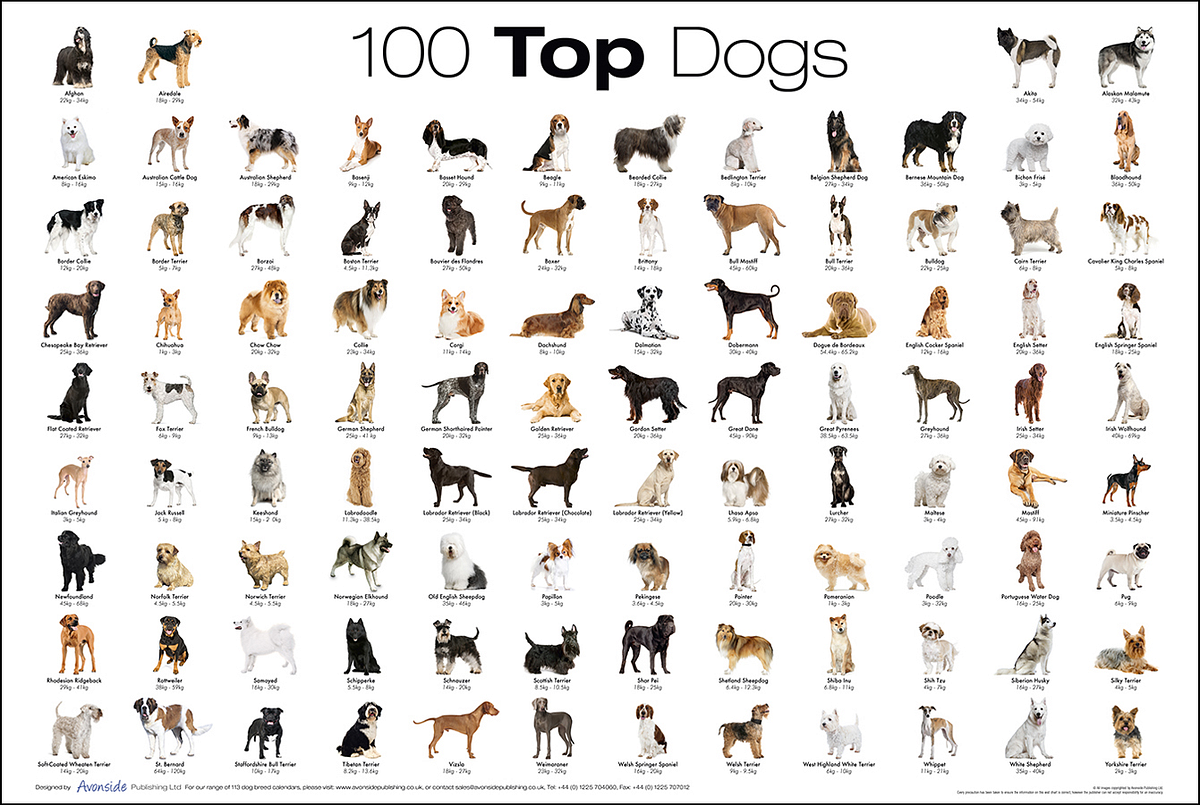
Credit: vm2018chc2.medium.com
Global Dog Breed Count
Dogs are one of the most popular pets worldwide. Many different dog breeds exist today.
Counting all dog breeds can be tricky. Different groups recognize different numbers.
Official Breed Counts By Major Organizations
Several organizations list official dog breeds. They each have their own criteria.
- The American Kennel Club (AKC) recognizes about 200 breeds.
- The Fédération Cynologique Internationale (FCI) accepts around 360 breeds.
- The United Kennel Club (UKC) lists over 300 breeds.
The number varies because some groups include rare or new breeds. Others are stricter.
Factors Affecting The Total Number Of Dog Breeds
New dog breeds are created by breeding. Some are still developing or not widely known.
Some breeds are regional and not officially recognized worldwide. This changes the count.
- Breeding programs create new breeds over time.
- Some breeds merge or split into different types.
- Recognition by official groups can take years.
Estimated Total Number Of Dog Breeds Worldwide
Experts estimate between 340 and 400 dog breeds exist worldwide. This includes all types.
This number changes as new breeds develop and others become rare or extinct.
| Source | Breed Count |
|---|---|
| American Kennel Club (AKC) | ~200 breeds |
| Fédération Cynologique Internationale (FCI) | ~360 breeds |
| United Kennel Club (UKC) | ~300 breeds |
| Estimated Global Total | 340 – 400 breeds |
Major Dog Breed Groups
There are hundreds of dog breeds worldwide. These breeds fall into groups based on their skills and traits.
Each group includes dogs that share similar jobs or appearances. Understanding groups helps to learn about dogs.
Working Dogs
Working dogs are strong and smart. They help people with tasks like pulling sleds and guarding homes.
These dogs need lots of exercise and training. They are loyal and protective of their families.
- Siberian Husky
- Boxer
- Rottweiler
- Saint Bernard
Herding Dogs
Herding dogs control and move animals like sheep or cattle. They are very alert and fast learners.
These dogs need mental challenges and work. They enjoy having a job to do every day.
- Border Collie
- Australian Shepherd
- German Shepherd
- Belgian Malinois
Toy Breeds
Toy breeds are small dogs made mainly for companionship. They are perfect for small homes or apartments.
These dogs need gentle care and love. They are playful and often very friendly with people.
- Chihuahua
- Pomeranian
- Yorkshire Terrier
- Shih Tzu
Sporting Dogs
Sporting dogs are active and love water or field work. They help hunters find and retrieve game.
They need regular exercise and enjoy games like fetch. These dogs are friendly and easy to train.
- Labrador Retriever
- Golden Retriever
- Spaniels
- Pointers
Breed Recognition Authorities
Different organizations recognize dog breeds worldwide. Each has its own list and rules. These groups help keep dog breed standards clear and consistent.
We will look at three main authorities. They are important in defining how many dog breeds exist globally.
American Kennel Club
The American Kennel Club (AKC) is one of the most known in the United States. It officially recognizes over 190 dog breeds. The AKC groups these breeds into categories like sporting, working, and toy dogs.
- Sporting Group
- Hound Group
- Working Group
- Terrier Group
- Toy Group
- Non-Sporting Group
- Herding Group
Fédération Cynologique Internationale
The Fédération Cynologique Internationale (FCI) is the largest international dog breed authority. It recognizes about 360 breeds worldwide. The FCI divides breeds into 10 groups based on traits and use.
| Group | Description |
| 1 | Sheepdogs and Cattle Dogs |
| 2 | Pinscher and Schnauzer – Molossoid Breeds |
| 3 | Terriers |
| 4 | Dachshunds |
| 5 | Spitz and Primitive Types |
| 6 | Pointing Dogs |
| 7 | Retrievers – Flushing Dogs – Water Dogs |
| 8 | Companion and Toy Dogs |
| 9 | Sighthounds |
| 10 | Sighthounds and Related Breeds |
The Kennel Club Uk
The Kennel Club in the UK is one of the oldest dog breed authorities. It recognizes about 220 breeds. The club organizes dogs into groups similar to the AKC but with some unique classes.
The main groups include:
- Gundog Group
- Hound Group
- Pastoral Group
- Terrier Group
- Toy Group
- Utility Group
- Working Group
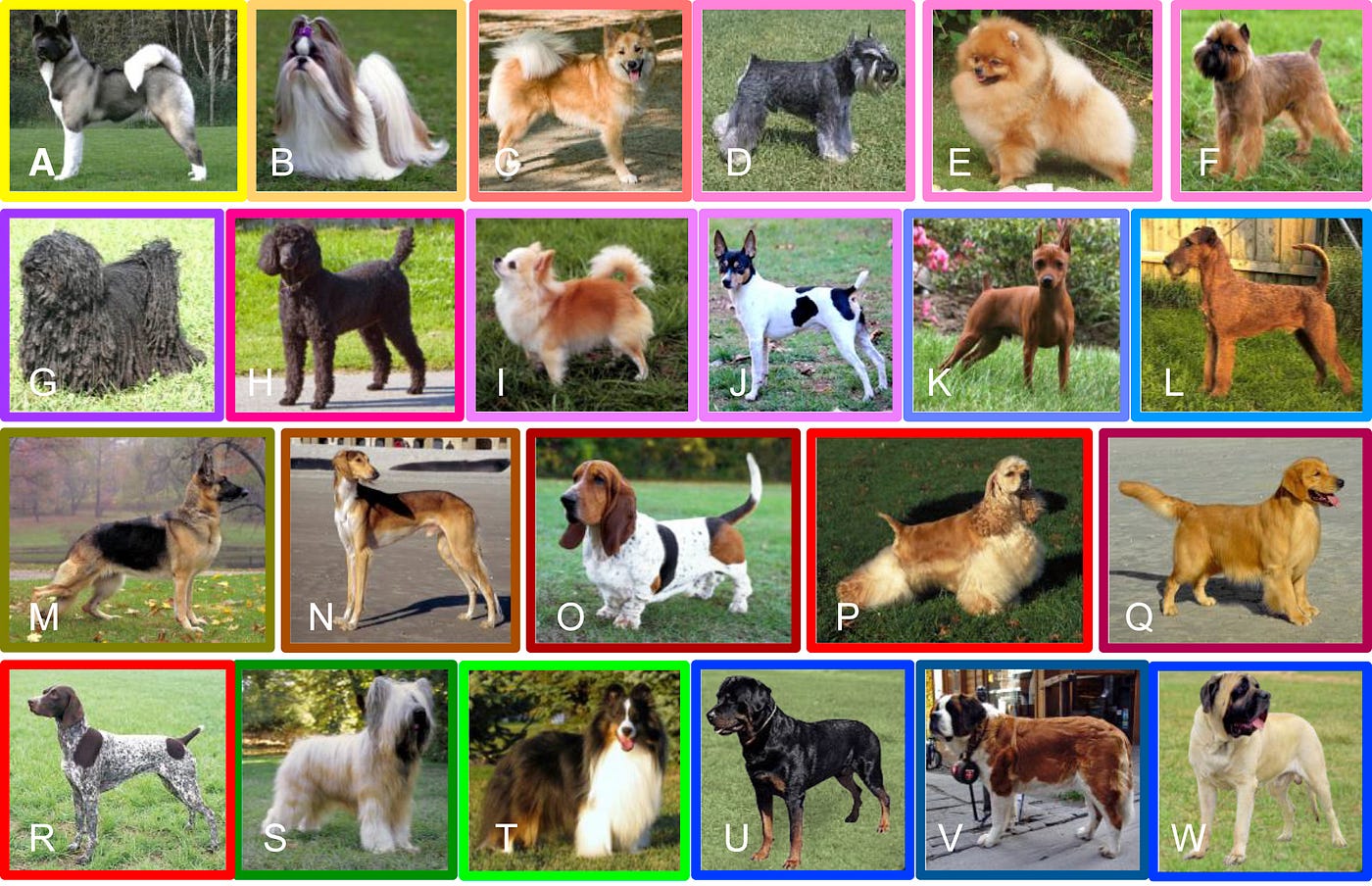
Credit: namnguyenwrite.medium.com
Factors Influencing Breed Numbers
Dog breeds are diverse and numerous. Several factors influence the number of breeds we have today. These include crossbreeding, the development of new breeds, and the presence of rare or extinct breeds.
Understanding these factors helps us appreciate the variety and history of dogs worldwide.
Crossbreeding And Hybrids
Crossbreeding combines traits from different breeds to create new hybrids. These hybrids often gain popularity due to their unique features.
Some hybrids become recognized as official breeds over time. This process increases the overall number of dog breeds.
- Labradoodle: A mix of Labrador and Poodle
- Puggle: A blend of Pug and Beagle
- Goldendoodle: A combination of Golden Retriever and Poodle
Newly Developed Breeds
New breeds are developed to meet specific needs or preferences. Breeders aim for traits like size, temperament, or appearance.
As breeding techniques improve, more new breeds are added to the list. This expansion reflects changing human lifestyles and demands.
Extinct And Rare Breeds
Some breeds have become extinct due to changes in environment or demand. Rare breeds are those with few individuals remaining.
Efforts are underway to preserve these rare breeds. Their unique traits offer valuable genetic diversity.
- St. John’s Water Dog: An extinct breed from Newfoundland
- Norwegian Lundehund: A rare breed with unique physical traits
- Otterhound: A rare breed with a declining population
Popular Dog Breeds Worldwide
Dogs are one of the most loved pets in the world. There are many dog breeds, each with unique traits.
People choose dogs based on size, personality, and how easy they are to train. Here are some popular breeds.
Labrador Retriever
The Labrador Retriever is friendly and smart. This breed is great with families and easy to train.
Labradors love to play and need daily exercise. They have a short, water-resistant coat.
German Shepherd
German Shepherds are strong and loyal. They work well as police or guard dogs.
This breed is very intelligent and learns commands quickly. They need lots of physical activity.
Golden Retriever
Golden Retrievers are gentle and friendly. They make great pets for children.
They have a thick, golden coat that needs regular grooming. They enjoy outdoor activities.
French Bulldog
French Bulldogs are small and muscular. They have a calm, playful nature.
This breed is good for apartment living. They do not need much exercise but love attention.
Beagle
Beagles are curious and friendly dogs. They have a strong sense of smell and love to explore.
This breed is medium-sized and has short fur. Beagles need regular walks and playtime.
How Breed Counts Vary By Region
Dog breed numbers differ across regions worldwide. Various factors affect these counts, including culture and environment.
Understanding these differences helps us learn how people value and care for dogs in different places.
Europe
Europe has many recognized dog breeds. The continent’s long history of dog breeding adds to this variety.
- Many breeds come from European countries like Germany, France, and the UK.
- European kennel clubs maintain strict breed standards.
- Popular breeds include the German Shepherd, French Bulldog, and Labrador Retriever.
Asia
Asia shows wide breed diversity but fewer officially recognized breeds. Many dogs serve working roles.
Local breeds often adapt to specific climates and needs, such as hunting or guarding.
North America
North America has a mix of native and imported dog breeds. The American Kennel Club lists many popular breeds.
| Region | Approximate Number of Recognized Breeds |
| Europe | 150+ |
| Asia | 80+ |
| North America | 120+ |
| South America | 50+ |
| Africa | 30+ |
South America
South America has fewer recognized breeds but many unique native dogs. These dogs often live in rural areas.
Breeds like the Peruvian Hairless Dog are famous examples from this region.
Africa
Africa has fewer formal dog breeds. Most dogs are local or village dogs with mixed traits.
Some breeds, like the Basenji, are well known for their unique features and history.

Credit: www.amazon.com
Frequently Asked Questions
How Many Dog Breeds Exist Worldwide?
There are approximately 340 recognized dog breeds worldwide. This number varies slightly depending on the kennel club or organization. Each breed has unique traits, origins, and purposes, reflecting diverse canine genetics and history.
Which Organization Classifies Most Dog Breeds?
The Fédération Cynologique Internationale (FCI) is the largest global dog breed classification organization. It recognizes around 340 breeds. Other key organizations include the American Kennel Club (AKC) and The Kennel Club (UK), each with their own breed lists.
Why Do Dog Breed Numbers Vary Between Organizations?
Different kennel clubs use unique criteria to recognize breeds. Some include new or rare breeds, while others do not. This leads to variations in the total number of recognized dog breeds worldwide.
What Factors Influence The Classification Of Dog Breeds?
Breed classification depends on genetics, physical traits, and historical lineage. Kennel clubs also consider breed standards and breeding history. These factors help maintain breed purity and distinct characteristics.
Conclusion
Dogs come in many shapes and sizes worldwide. Over 340 breeds exist, each with unique traits. Some breeds are well-known, while others are rare. This variety shows how diverse and special dogs really are. Whether big or small, dogs bring joy to many homes.
Exploring dog breeds helps us appreciate their differences. Every dog breed has its own story and charm. Understanding these breeds can guide you in choosing a perfect pet. The world of dogs is vast and exciting to learn about.

Emily Barker is the founder of ChillDogLife.com, a space dedicated to helping pup parents discover the best dog products, lifestyle tips, and cozy ideas for happier homes.
A lifelong dog lover, Emily combines her passion for pets with a knack for research to share trusted recommendations on everything from toys and furniture to health and everyday care.
Her goal is simple: to make life easier, stylish, and more joyful for dogs and the people who love them.




