
Have you ever come across a dog and wondered, “What breed is that?” Knowing how to identify dog breeds can be surprisingly simple once you know what to look for. Whether you’re a pet lover, thinking about adopting, or just curious, understanding the unique features of different breeds can help you connect better with dogs around you.
You’ll discover easy tips and tricks that make spotting dog breeds clear and fun. Ready to become a dog breed detective? Keep reading, and you’ll never guess a dog’s breed wrong again!

Credit: sheltermedicine.vetmed.ufl.edu
Key Traits To Spot
Identifying dog breeds can be easy if you focus on key traits. These traits include size, coat type, ear shape, and facial features.
Understanding these traits helps you recognize different breeds quickly and accurately.
Size And Build
Dogs vary from tiny to very large. Their body shape also changes with breed. Some dogs are slim and fast. Others are stocky and strong.
- Small breeds weigh under 20 pounds
- Medium breeds weigh 20 to 60 pounds
- Large breeds weigh over 60 pounds
- Build can be lean, muscular, or bulky
Coat Type And Color
Coats come in many styles. Some are short, some long, and some curly. Color patterns help too.
| Coat Type | Description | Example Breeds |
| Short | Smooth and close to skin | Beagle, Boxer |
| Long | Flowing and soft | Afghan Hound, Shih Tzu |
| Curly | Wavy or tight curls | Poodle, Bichon Frise |
| Double Coat | Thick undercoat with outer coat | Siberian Husky, German Shepherd |
| Color Patterns | Solid, spotted, brindle, or patched | Dalmatians, Australian Cattle Dog |
Ear And Tail Shapes
Ears can stand up or hang down. Tail shapes also vary a lot among breeds.
- Ear types: erect, floppy, semi-erect
- Tail types: curled, straight, docked, bushy
- Some breeds have very unique ear or tail shapes
Facial Features
Look at the dog’s eyes, muzzle, and skull shape. These features differ by breed.
| Feature | Description | Breed Examples |
|---|---|---|
| Eye Shape | Round, almond, or oval | Chow Chow, Siberian Husky |
| Muzzle Length | Short (brachycephalic) or long (dolichocephalic) | Bulldog, Greyhound |
| Skull Shape | Flat, domed, or narrow | Boxer, Doberman |
Popular Breed Groups
Dogs belong to different breed groups based on their traits and jobs. Knowing these groups helps identify dog breeds.
Each group has unique features and purposes. Learning about them makes it easier to recognize breeds.
Sporting Dogs
Sporting dogs are active and alert. They help hunters find and retrieve game.
These dogs have strong noses and love water. They enjoy exercise and play.
- Labrador Retriever
- Golden Retriever
- Spaniels
- Setters
Working Dogs
Working dogs are strong and smart. They do jobs like guarding, pulling sleds, or rescue work.
These breeds are loyal and protective. They need lots of exercise and training.
- Siberian Husky
- Boxer
- Great Dane
- Doberman Pinscher
Hound Breeds
Hound dogs have great scent or sight skills. They track or chase animals during hunts.
They are often fast runners with strong noses or sharp eyes.
- Beagle
- Bloodhound
- Greyhound
- Bassett Hound
Terriers
Terriers are small but tough dogs. They were bred to hunt and kill vermin.
These dogs are energetic and brave. They often have wiry coats and strong personalities.
- Jack Russell Terrier
- Scottish Terrier
- West Highland White Terrier
- Staffordshire Bull Terrier
Toy Breeds
Toy breeds are small dogs made mostly for companionship. They are gentle and loving pets.
These dogs need less exercise but enjoy attention and playtime.
- Chihuahua
- Pomeranian
- Pug
- Yorkshire Terrier
Non-sporting Dogs
Non-sporting dogs have mixed traits. They do not fit into other groups clearly.
This group includes dogs of various sizes, coats, and personalities.
- Dalmatians
- Bulldogs
- Poodles
- Bichon Frise
Herding Dogs
Herding dogs control and move livestock. They are smart and quick learners.
These dogs are energetic and enjoy tasks and training.
- German Shepherd
- Border Collie
- Australian Shepherd
- Collie
Using Visual Resources
Identifying dog breeds can be easier with the right visual tools. These tools help you see breed traits clearly.
Visual resources show pictures and details that help you recognize different dog breeds fast.
Breed Identification Apps
Breed identification apps use photos to find the dog breed. You upload a picture of the dog. The app matches it with breed data.
These apps often give you quick results. They show pictures and facts about the breed to help confirm your guess.
Online Breed Databases
Online breed databases have large collections of dog breed photos and descriptions. You can search by size, color, or features.
These sites let you compare breeds side by side. This helps you spot differences in ears, tails, or coat types.
- Search by breed name or characteristics
- View breed history and traits
- Access large photo galleries
Books And Field Guides
Books and field guides show detailed pictures of dog breeds. They explain breed features in simple language.
These guides often include charts and drawings. You can carry them outdoors for easy reference during walks.
- Clear photos and illustrations
- Descriptions of size, coat, and color
- Tips to spot unique breed traits

Credit: www.jacksonville.com
Behavioral Clues
Understanding a dog’s behavior can help identify its breed. Dogs show traits that match their breed’s history and purpose.
Observing how a dog acts daily gives clues about its breed. Behavior can be as telling as looks.
Activity Levels
Different breeds have different energy needs. Some dogs love to run and play all day. Others prefer calm and rest.
High energy breeds need lots of exercise. Low energy breeds enjoy short walks and quiet time.
- Working breeds like Border Collies are very active
- Small lap dogs like Bulldogs are usually less active
- Hunting breeds like Retrievers need daily outdoor time
Temperament Traits
Temperament means how a dog reacts to people and situations. Some breeds are friendly and social. Others are more reserved or protective.
Knowing a dog’s temperament helps match it to a breed. This trait stays consistent in most dogs.
- Labradors are known for being friendly and gentle
- German Shepherds are often protective and loyal
- Chihuahuas can be alert and bold despite their size
Common Breed Behaviors
Many breeds have special behaviors shaped by their original jobs. These help identify them even without seeing their looks clearly.
Watching these behaviors helps tell breeds apart. Some dogs herd, some dig, some retrieve.
- Herding breeds like Australian Shepherds move in a special way to control animals
- Terriers often dig and chase small animals
- Retrievers love to carry and bring back items
Mix Breeds And Challenges
Identifying dog breeds can be hard with mixed breeds. Mixed breed dogs have traits from more than one breed.
These dogs may show different sizes, colors, and shapes. This makes it tricky to guess their breed by looks.
Recognizing Mixed Traits
Mixed breed dogs may have parts of their body that look like different breeds. Their ears, tails, and coat can vary.
Look for traits like:
- Coat color and pattern
- Body size and shape
- Ear shape and position
- Tail length and curl
- Face shape and eyes
Dna Testing For Accuracy
DNA tests help find the exact breeds in a mixed dog. These tests look at the dog’s genes.
DNA testing is the best way to know a dog’s breed mix. It gives clear and accurate results.
- Collect a small cheek swab from the dog
- Send it to a lab for analysis
- Receive a report showing breed percentages
- Learn about health risks and traits
Tips For Accurate Identification
Identifying dog breeds can be a fun activity. It helps you understand your dog’s needs better. Here are some simple tips to help you identify dog breeds accurately.
Observing Multiple Features
Look at more than just the dog’s color. Focus on size, coat type, and ear shape. These features can give you clues about the breed.
- Size: Small, medium, or large
- Coat: Short, medium, or long
- Ears: Pointed, floppy, or upright
Comparing To Known Breeds
Compare your dog’s features to those of known breeds. Use breed charts or online resources to help. This can narrow down your options.
| Feature | Example Breed |
| Curly tail | Pug |
| Long ears | Basset Hound |
Seeking Expert Advice
If you are unsure, ask an expert. Veterinarians and dog trainers can help. They have experience with many breeds.
Join online forums or communities. Other dog owners can share their knowledge. They might have encountered similar breeds.
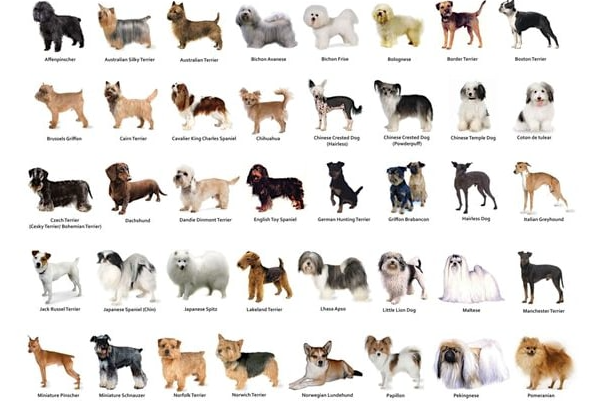
Credit: medium.com
Frequently Asked Questions
How Can I Quickly Identify Common Dog Breeds?
Look at size, coat type, color patterns, and ear shapes. These features help recognize common dog breeds fast.
What Tools Help Identify Dog Breeds Accurately?
Use dog breed identification apps or DNA tests. These tools provide precise and reliable breed information.
Are Coat Colors Reliable For Identifying Dog Breeds?
Coat colors offer clues but aren’t always definitive. Combine color with other traits for accurate breed ID.
Can Behavior Indicate A Dog’s Breed Type?
Yes, behavior like energy level and temperament can hint at breed characteristics. Observe carefully for clues.
Conclusion
Identifying dog breeds can be simple with a few key tips. Focus on size, coat, and shape first. Pay attention to behavior and common traits too. Use pictures or apps to help confirm your guess. Practice makes it easier over time.
Knowing breeds helps in caring for dogs better. Enjoy learning about your furry friends. Keep exploring and stay curious!

Emily Barker is the founder of ChillDogLife.com, a space dedicated to helping pup parents discover the best dog products, lifestyle tips, and cozy ideas for happier homes.
A lifelong dog lover, Emily combines her passion for pets with a knack for research to share trusted recommendations on everything from toys and furniture to health and everyday care.
Her goal is simple: to make life easier, stylish, and more joyful for dogs and the people who love them.




