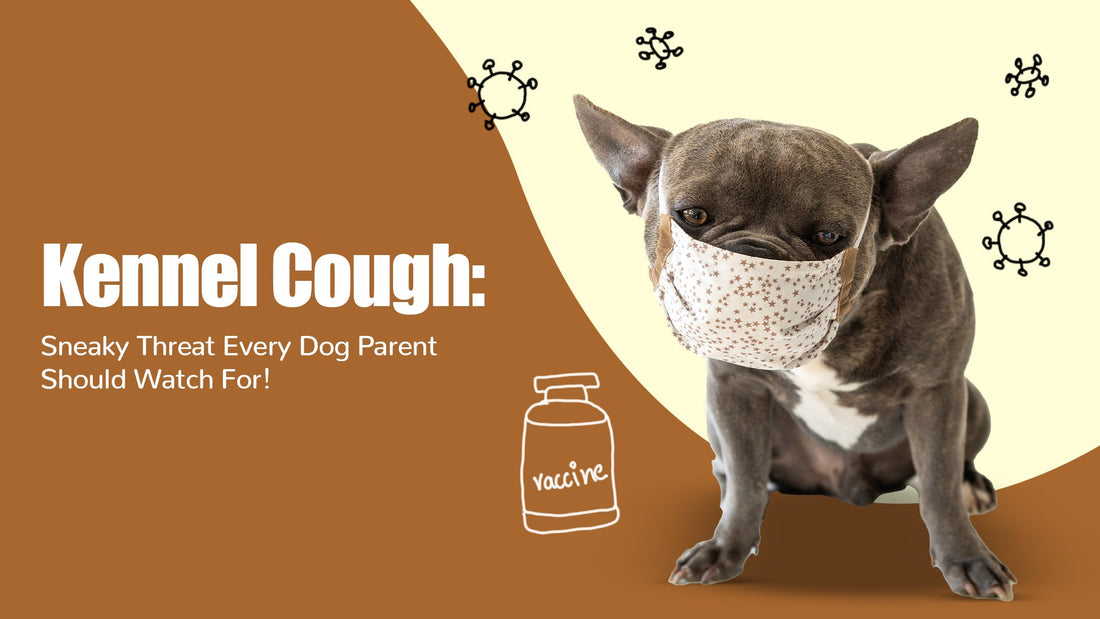
Have you noticed your dog coughing or gagging lately? It might be kennel cough, a common but contagious illness that can quickly spread among dogs.
Understanding how your dog gets kennel cough is the first step to protecting their health and keeping them comfortable. You’ll discover what causes kennel cough, how it spreads, and what signs to watch for. By knowing the facts, you’ll be better prepared to keep your furry friend safe and happy.
Keep reading to learn everything you need to know about kennel cough and how to prevent it.
Credit: zigly.com
What Is Kennel Cough
If you’ve ever noticed your dog coughing persistently after a visit to the dog park or a boarding kennel, it might be kennel cough. This contagious respiratory illness can spread quickly among dogs in close contact. Understanding what kennel cough is helps you protect your furry friend from getting sick.
What Is Kennel Cough?
Kennel cough, also known as infectious tracheobronchitis, is an inflammation of the dog’s windpipe and upper airways. It causes a harsh, hacking cough that sounds like your dog is trying to clear something stuck in their throat. This condition is similar to a common cold in humans but can be more serious if left untreated.
The infection is caused by several different bacteria and viruses working together. The most common culprit is Bordetella bronchiseptica, a bacteria that attaches to the lining of your dog’s respiratory tract. Other viruses, like parainfluenza or adenovirus, often play a role too, making the cough worse.
How Does Kennel Cough Spread?
Kennel cough spreads easily through airborne droplets when an infected dog coughs or sneezes. It can also pass through direct contact, like sniffing or licking between dogs. Contaminated surfaces such as food bowls, collars, or kennel floors can harbor the germs as well.
This is why places where many dogs gather, like doggy daycares, boarding facilities, and grooming salons, are hotspots for spreading the illness. Even if your dog seems healthy, they might still carry and transmit the infection.
Why Is Kennel Cough So Contagious?
- The germs survive well in the environment, especially in places with poor ventilation.
- Dogs in close quarters breathe the same air, allowing easy transfer of germs.
- Stress and excitement weaken dogs’ immune defenses, increasing vulnerability.
Have you noticed your dog’s cough after a group play session or a boarding stay? That’s often how kennel cough sneaks in. Knowing this can help you take steps to reduce your dog’s risk and spot symptoms early.
Common Causes
Understanding the common causes of kennel cough helps prevent this illness. Dogs can contract kennel cough through various means, which can affect their respiratory health.
Bacterial Infections
Bacteria like Bordetella bronchiseptica often cause kennel cough. This bacterium is highly contagious among dogs. It spreads quickly in crowded areas.
Viral Agents
Several viruses can lead to kennel cough. The canine parainfluenza virus is a primary culprit. Canine adenovirus also plays a role. These viruses weaken a dog’s immune system, making infections easier.
Environmental Factors
Certain conditions increase the risk of kennel cough. Poorly ventilated spaces are problematic. Cold temperatures can also contribute. Stress from travel or changes in routine may weaken a dog’s defenses.
Close Contact Risks
Dogs in close contact are at higher risk. This is common in boarding facilities. Dog parks and grooming salons are also common places for transmission. Limiting exposure can reduce the risk.
Recognizing Symptoms
Recognizing the symptoms of kennel cough early can make a big difference in how quickly your dog recovers. Knowing what signs to watch for helps you take prompt action and avoid spreading the infection to other pets. Let’s look closely at the key symptoms that often signal kennel cough.
Coughing Patterns
The most obvious sign of kennel cough is a persistent cough. It often sounds dry and harsh, like a goose honk, which is quite distinct from a typical dog cough.
You might notice your dog coughing more after exercise, excitement, or pulling on the leash. If your dog suddenly starts coughing frequently, don’t ignore it—this pattern can indicate kennel cough rather than a simple throat irritation.
Other Respiratory Signs
Besides coughing, your dog might show other breathing-related symptoms. Watch for sneezing, nasal discharge, or a raspy voice.
Some dogs develop a mild fever or have watery eyes. These signs suggest the infection is affecting the respiratory tract more broadly, so it’s important to keep an eye on any changes.
Behavioral Changes
Illness can change your dog’s behavior in subtle ways. You might see your dog become less playful, eat less, or seem more tired than usual.
Dogs often hide discomfort, so if your normally energetic pet is suddenly quiet or withdrawn, it could be a sign that kennel cough is bothering them. Have you noticed any shifts in your dog’s usual routine or mood?
Credit: www.goodrx.com
Transmission Methods
Kennel cough spreads in several ways. Knowing how it transmits helps protect your dog. The bacteria and viruses travel easily between dogs. These germs find new hosts through the air, surfaces, or direct contact. Understanding these transmission methods can reduce your dog’s risk of infection.
Airborne Spread
When an infected dog coughs or sneezes, tiny droplets enter the air. Other dogs nearby breathe in these droplets. The germs then settle in their throat and lungs. This airborne route spreads kennel cough quickly in crowded places. Even brief exposure can be enough for infection.
Surface Contamination
Germs can land on objects like bowls, toys, and floors. Dogs touch or lick these surfaces and pick up the bacteria or virus. Shared items in kennels or parks are common sources. The germs survive for hours, waiting for a new dog to contact them.
Dog-to-dog Interaction
Close contact between dogs helps kennel cough spread fast. Playful sniffing, licking, or nose-to-nose touching passes germs easily. Dogs in groups or shelters have higher infection risks. Direct interaction is one of the main ways kennel cough spreads.
Preventive Measures
Preventing kennel cough is vital to keep dogs healthy and happy. It spreads easily in places where dogs gather. Taking simple steps can lower the risk of infection. Focus on vaccination, hygiene, exposure control, and immune health to protect your pet.
Vaccination Options
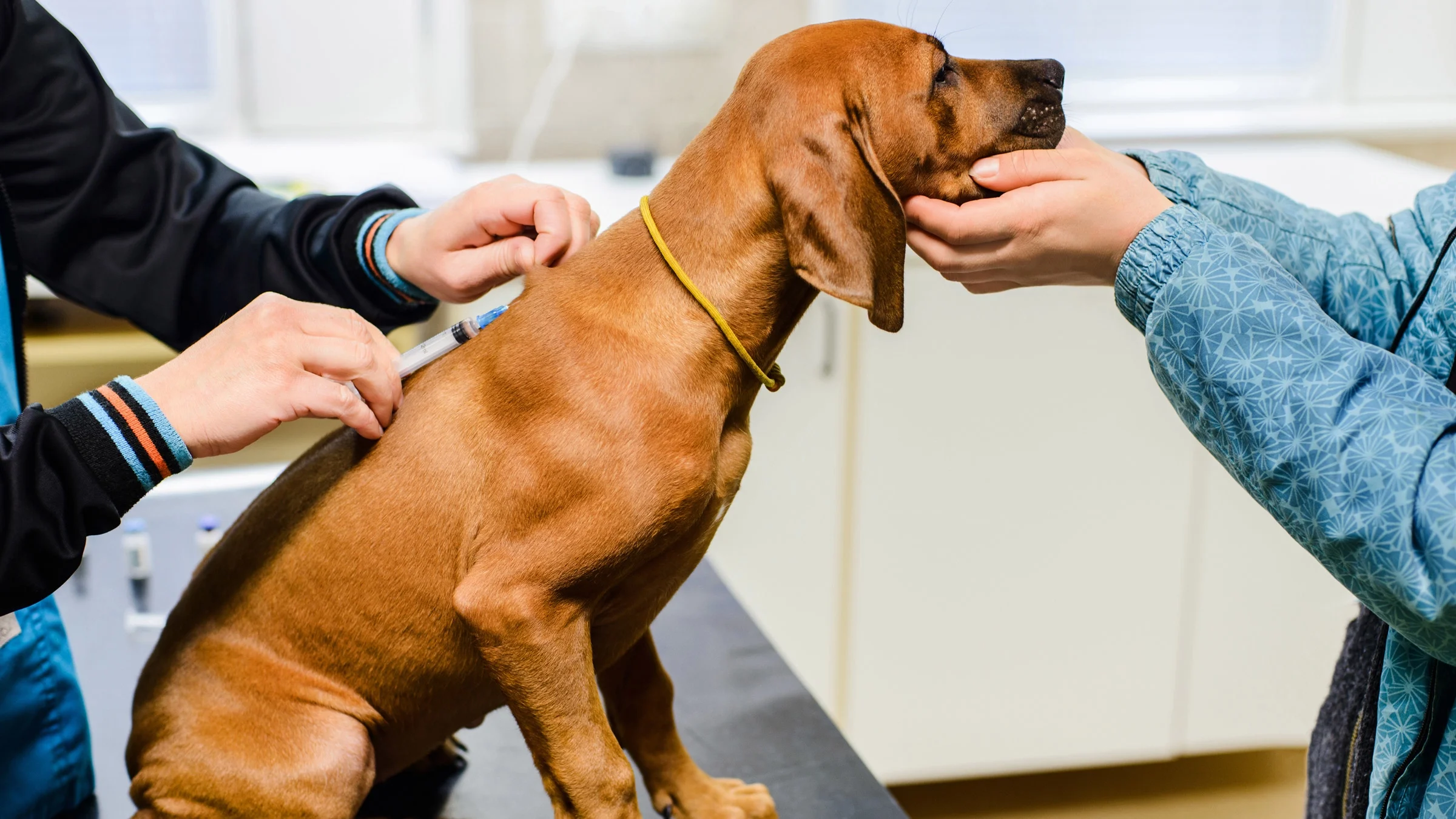
Vaccines reduce the chance of catching kennel cough. They target the main bacteria and viruses that cause it. Dogs visiting kennels or dog parks benefit most. Talk to your vet about the best vaccine for your dog. Some vaccines require boosters for full protection.
Hygiene Practices
Clean environments limit the spread of germs. Wash your dog’s bedding and toys often. Disinfect areas where dogs eat and play. Regular grooming also helps remove dirt and bacteria. Clean hands before and after handling dogs.
Limiting Exposure
Avoid crowded dog places during outbreaks. Keep your dog away from coughing or sick dogs. Use a leash to control interactions in public areas. Quarantine new dogs at home for a few days. These steps reduce the risk of catching kennel cough.
Boosting Immune Health
A strong immune system helps fight infections. Feed a balanced diet rich in nutrients. Provide fresh water and regular exercise. Ensure your dog gets enough rest and low stress. Talk to your vet about supplements that support immunity.
When To See A Vet
Knowing when to take your dog to the vet for kennel cough is crucial. Some signs may seem minor but can quickly worsen if left untreated. Paying attention to your dog’s behavior and symptoms can help you decide the right moment to seek professional care.
Persistent Or Severe Coughing
If your dog’s cough lasts more than a week or becomes harsher, it’s time to see a vet. A dry, hacking cough that interrupts their sleep or eating can signal complications. Don’t wait for the cough to disappear on its own; some cases need medication.
Difficulty Breathing Or Wheezing
Wheezing, rapid breathing, or visible effort when your dog breathes are red flags. These symptoms might mean the infection is affecting their lungs. Immediate veterinary attention can prevent serious respiratory issues.
Lethargy And Loss Of Appetite
When your dog suddenly shows low energy or refuses food, it’s more than just a simple cough. These signs can indicate that the illness is impacting their overall health. A vet can assess if your dog needs supportive care or fluids.
High Fever Or Nasal Discharge
A fever above 103°F (39.4°C) or thick, colored nasal discharge suggests a bacterial infection. This situation often requires antibiotics to avoid worsening health. Don’t delay getting professional advice if these symptoms appear.
Young Puppies, Older Dogs, Or Dogs With Weakened Immunity
These groups are more vulnerable to kennel cough complications. Even mild symptoms in puppies or senior dogs warrant a vet visit. If your dog has a known health condition, consult your vet early to prevent risks.

Credit: www.youtube.com
Frequently Asked Questions
What Causes Kennel Cough In Dogs?
Kennel cough is caused by bacteria and viruses, mainly Bordetella bronchiseptica. It spreads through airborne droplets and direct contact with infected dogs.
How Does Kennel Cough Spread Among Dogs?
Kennel cough spreads when infected dogs cough, sneeze, or share contaminated objects like water bowls or toys. Close contact in kennels increases transmission risk.
Can Dogs Get Kennel Cough From The Environment?
Yes, kennel cough bacteria and viruses can survive on surfaces. Dogs can catch it by touching or inhaling contaminated air in crowded places.
How Long Is Kennel Cough Contagious?
Dogs with kennel cough are contagious for about 2 to 3 weeks. Early isolation helps prevent the spread to other dogs in the area.
Conclusion
Dogs catch kennel cough through close contact with infected dogs. The germs spread quickly in places like kennels and parks. Coughing and sneezing release the germs into the air. Sharing water bowls or toys can also pass the infection. Keeping your dog away from sick dogs helps prevent the cough.
Vaccines can reduce the risk but don’t always stop it. Watch your dog for signs like a harsh cough or runny nose. Early care helps your dog feel better faster. Stay alert and protect your furry friend from kennel cough.

Emily Barker is the founder of ChillDogLife.com, a space dedicated to helping pup parents discover the best dog products, lifestyle tips, and cozy ideas for happier homes.
A lifelong dog lover, Emily combines her passion for pets with a knack for research to share trusted recommendations on everything from toys and furniture to health and everyday care.
Her goal is simple: to make life easier, stylish, and more joyful for dogs and the people who love them.




