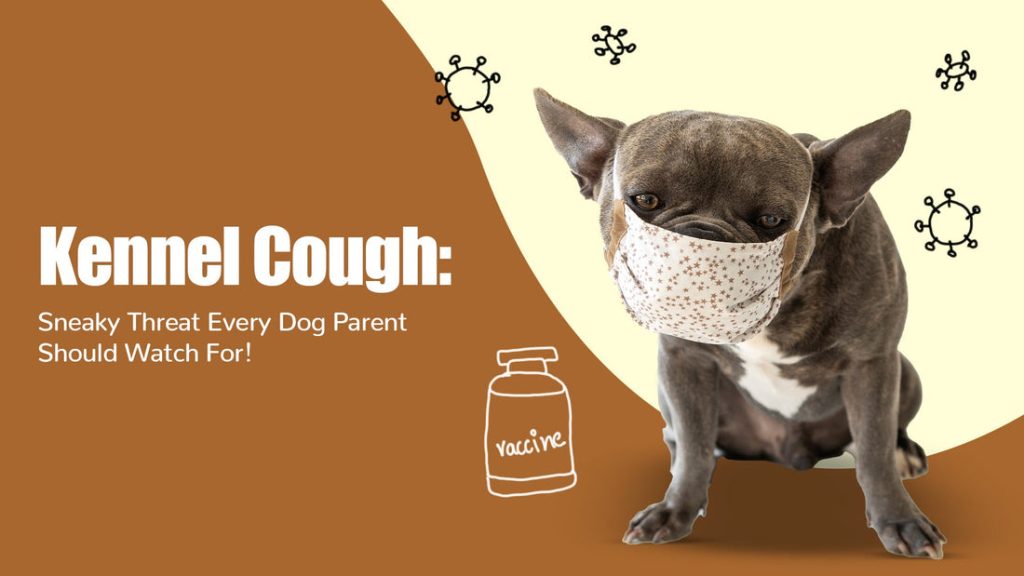
Have you noticed your dog coughing more than usual at home? You might be wondering how your furry friend could catch kennel cough without visiting a kennel.
The truth is, kennel cough can sneak into your home in surprising ways. Understanding how this contagious illness spreads will help you protect your dog and keep their tail wagging happily. Keep reading to discover the hidden risks and simple steps you can take to stop kennel cough before it takes hold.
What Is Kennel Cough
Kennel cough is a common respiratory infection in dogs that can catch many pet owners by surprise. It causes a harsh, persistent cough that might sound alarming but is often manageable with proper care. Understanding what kennel cough actually is will help you spot it early and take the right steps to protect your furry friend.
What Causes Kennel Cough?
Kennel cough is caused by a mix of bacteria and viruses, most notably Bordetella bronchiseptica. These germs attack your dog’s throat and airways, leading to irritation and that telltale cough. It spreads easily in places where dogs gather, but did you know your dog can still catch it at home?
How Does Kennel Cough Spread?
The infection spreads through airborne droplets when an infected dog coughs or sneezes. It can also spread via contaminated surfaces like food bowls, toys, or bedding. Even if your dog doesn’t leave the house often, visitors or other pets can bring the germs inside.
- A dry, hacking cough that sounds like something stuck in the throat
- Runny nose or sneezing
- Low energy and mild fever in some cases
Not every dog shows all symptoms, so noticing even one sign should prompt a vet visit. Have you seen your dog cough after playing with a new toy or meeting a visitor?
Why Is It Called Kennel Cough?
The name comes from how common the infection is in kennels, shelters, and dog parks where many dogs are close together. However, the name can be misleading because your dog can get kennel cough anywhere—even in the comfort of your home. This makes knowing the signs and causes even more important for every dog owner.

Credit: www.northpointeanimalhospital.com
Common Causes At Home
Dogs can catch kennel cough at home through close contact with infected pets or contaminated surfaces. Poor ventilation and crowded spaces increase the risk of spreading this contagious cough.
If you’ve ever wondered how your dog might catch kennel cough without stepping paw outside your home, you’re not alone. Many pet owners are surprised to learn that their furry friends can contract this irritating illness within the comfort of their own living spaces. Understanding the common causes of kennel cough at home can help you take proactive steps to keep your dog healthy and happy.Exposure To Infected Dogs
Even if your dog spends most of its time at home, the risk of exposure to other dogs is still present. If you’ve recently had a canine visitor or if your dog interacts with other dogs during walks or playdates, there’s a chance they could bring home the bacteria or viruses responsible for kennel cough. Always ensure visiting dogs are healthy and consider limiting close contact if you’re unsure of their health status.Contaminated Surfaces And Objects
Kennel cough can easily spread through shared items and surfaces. If your dog plays with communal toys at the park or shares water bowls with other dogs, those objects can carry the infection. Be diligent about cleaning your dog’s toys and food bowls, and avoid sharing these items with unfamiliar dogs.Poor Ventilation And Crowded Spaces
A stuffy, overcrowded environment can exacerbate the spread of kennel cough. If your home lacks proper ventilation or if you have multiple pets sharing a small space, the risk of transmission increases. Ensure your home has good airflow and provide enough space for your pets to avoid close quarters when they’re resting or sleeping.Weakened Immune System
A strong immune system is your dog’s best defense against kennel cough. Stress, a poor diet, and lack of exercise can all contribute to a weakened immune system, making your pet more susceptible to infections. Keep your dog’s immune system robust by providing balanced nutrition, regular exercise, and minimizing stress in their environment. Have you noticed your dog showing signs of kennel cough despite being mostly indoors? It might be time to evaluate these potential causes at home and take preventive measures. Remember, your vigilance and care can make all the difference in keeping your furry friend healthy.Symptoms To Watch For
Recognizing kennel cough early helps protect your dog’s health. This illness spreads easily at home. Watch your dog closely for signs of infection. Early detection leads to faster care and comfort.
Persistent Dry Cough
A strong, dry cough that lasts for days is a common symptom. It often sounds harsh and hacking. The cough may get worse after exercise or excitement. This cough does not bring up mucus or phlegm.
Sneezing And Nasal Discharge
Sneezing happens often as the infection affects the nose. You might see clear or cloudy discharge from the nostrils. This discharge can irritate your dog’s face. Keep an eye on any changes in nasal secretions.
Lethargy And Loss Of Appetite
Your dog may seem tired and less active than usual. They might avoid play and rest more than normal. Loss of appetite is common with kennel cough. Watch for any refusal to eat or drink, which needs attention.
Credit: www.goodrx.com
How Kennel Cough Spreads Indoors
Kennel cough spreads easily inside homes. The bacteria and viruses that cause it move from one dog to another through the air and by touching shared items. Understanding how kennel cough spreads indoors helps keep your dog safe.
Airborne Transmission
Coughing and sneezing release tiny droplets into the air. These droplets carry the infection and float around the room. Dogs breathe in these droplets and catch kennel cough quickly. Poor ventilation makes the spread worse. Keep rooms fresh and avoid crowded spaces.
Direct Contact
Dogs often touch noses or play close together. This close contact passes germs from one dog to another. Even a quick sniff can spread kennel cough. Avoid letting your dog interact with sick dogs or those with symptoms.
Shared Food And Water Bowls
Bacteria and viruses live on bowls and dishes. When a healthy dog eats or drinks from a contaminated bowl, they catch the infection. Always clean food and water bowls after each use. Use separate bowls for each dog in the house.
Preventing Kennel Cough At Home
Preventing kennel cough at home keeps your dog safe and healthy. Simple habits reduce the chance of infection. Clean spaces, careful contact, fresh air, and vaccines work together to protect your pet.
Regular Cleaning And Disinfection
Germs that cause kennel cough live on surfaces. Clean your dog’s bedding, toys, and feeding areas often. Use pet-safe disinfectants to kill bacteria and viruses. Wipe floors and doorknobs regularly. Clean water bowls daily to avoid contamination.
Limiting Dog-to-dog Contact
Kennel cough spreads through close contact with infected dogs. Avoid crowded places like dog parks during outbreaks. Keep your dog away from coughing or sick animals. Supervise visits with other dogs to prevent direct nose or mouth contact.
Proper Ventilation
Fresh air lowers the risk of kennel cough. Open windows or use fans to keep air moving inside your home. Avoid stuffy rooms where germs can build up. Good airflow helps your dog breathe easier and stay healthier.
Vaccination Importance
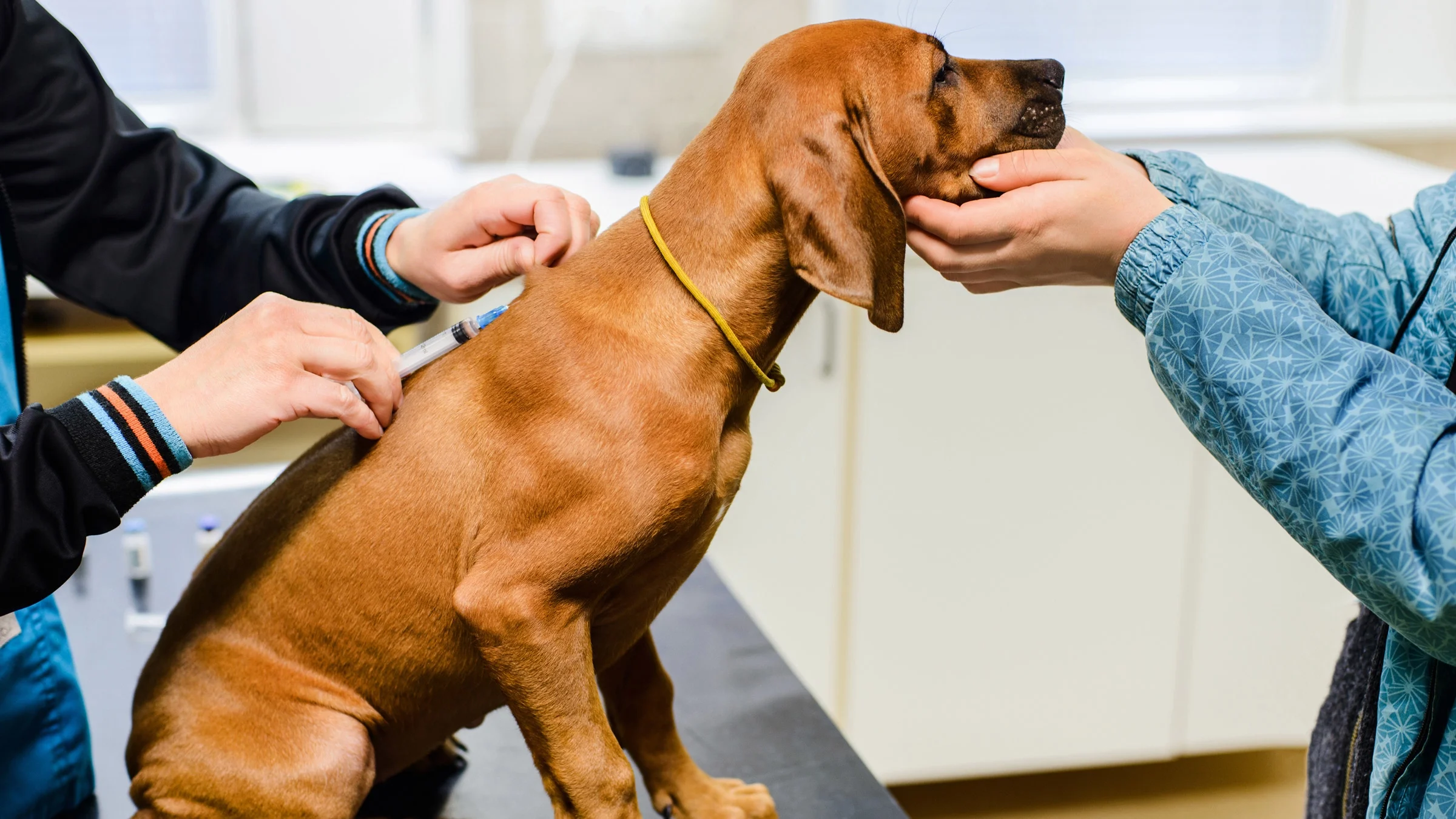
Vaccines protect dogs from kennel cough bacteria and viruses. Talk to your vet about the right vaccine schedule. Vaccinated dogs have stronger defenses against infection. Keep vaccinations up to date for ongoing protection.

Credit: www.youtube.com
Home Care And Treatment Options
Taking care of a dog with kennel cough at home requires patience and attention. Proper care helps your dog feel better faster. It also prevents the illness from worsening or spreading to other pets. Knowing when to see a vet and how to provide supportive care is key. Simple steps and remedies can ease your dog’s discomfort.
When To See A Vet
Watch for signs like persistent coughing lasting more than two weeks. Difficulty breathing or coughing up blood needs immediate vet attention. Loss of appetite or high fever also requires professional care. Young puppies, senior dogs, or dogs with weak immune systems should see a vet sooner. Don’t wait if your dog shows severe symptoms or worsens rapidly.
Supportive Care Tips
- Keep your dog in a warm, quiet place to rest.
- Use a humidifier or steam to soothe the throat and airways.
- Offer plenty of fresh water to keep your dog hydrated.
- Feed soft, easy-to-digest food if your dog has a sore throat.
- Avoid exposure to smoke, dust, or strong smells that irritate coughing.
- Limit exercise and physical activity until your dog improves.
Medications And Remedies
Some dogs may need cough suppressants to reduce irritation. Your vet might prescribe antibiotics if a bacterial infection is present. Never give human medicine without vet approval. Natural remedies like honey can soothe the throat but consult your vet first. Follow the vet’s instructions carefully to ensure safe and effective treatment.
Frequently Asked Questions
How Can Dogs Catch Kennel Cough At Home?
Dogs can catch kennel cough at home through close contact with infected pets. Sharing toys, bedding, or licking can spread the bacteria or virus. Contaminated surfaces and poor ventilation also increase infection risk indoors.
What Are Common Kennel Cough Symptoms In Dogs?
Common symptoms include a persistent dry cough, gagging, sneezing, and mild fever. Dogs may also show lethargy and reduced appetite. Early detection helps in faster recovery and prevents spreading the infection.
Can Kennel Cough Spread Without Outdoor Contact?
Yes, kennel cough can spread indoors via airborne droplets or contaminated objects. It doesn’t require outdoor exposure. Infected dogs or visitors can unknowingly transmit the illness inside the home environment.
How To Prevent Kennel Cough Transmission At Home?
Maintain good hygiene by regularly cleaning your dog’s bedding and toys. Isolate sick dogs and improve indoor ventilation. Vaccinations also reduce the risk of kennel cough infections in pets.
Conclusion
Dogs can catch kennel cough at home through close contact with infected pets. The bacteria or viruses spread easily in shared spaces. Poor ventilation and crowded areas increase the risk. Watch for symptoms like coughing and sneezing. Clean your dog’s living area regularly to reduce germs.
Keep your dog away from sick animals. Early vet care helps your dog recover faster. Protecting your pet starts with good hygiene and attention. Stay alert and act quickly to keep your dog healthy.

Emily Barker is the founder of ChillDogLife.com, a space dedicated to helping pup parents discover the best dog products, lifestyle tips, and cozy ideas for happier homes.
A lifelong dog lover, Emily combines her passion for pets with a knack for research to share trusted recommendations on everything from toys and furniture to health and everyday care.
Her goal is simple: to make life easier, stylish, and more joyful for dogs and the people who love them.




